What a Thick Conveyor Belt Is
A thick conveyor belt is a heavy-duty belt built with a substantial cover gauge and a strong carcass so it can survive sharp rock, lumpy ore, and constant flexing on large conveying systems. In practice, the thickness comes from two parts: the top and bottom rubber covers, and the fabric or steel reinforcement in between. Buyers often describe this product simply as a heavy-duty belt, but the thickness itself is what drives impact resistance, cut resistance, and service life in harsh duty.
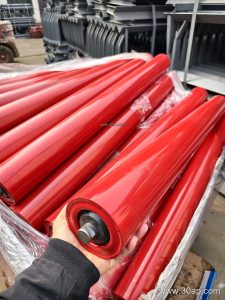
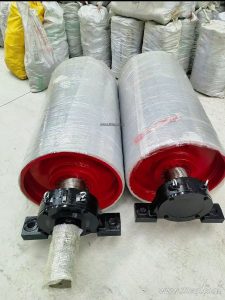
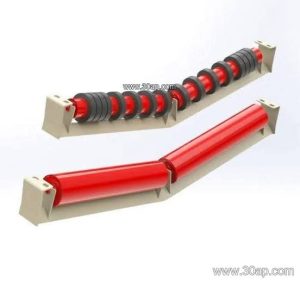
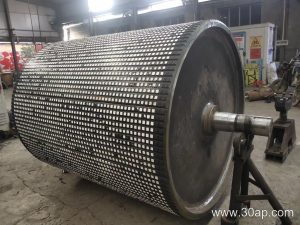
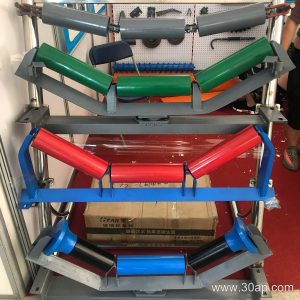
The belt is not a standalone item. It runs over a conveyor pulley at the drive end, turns on a tail pulley, and is supported by idler rollers mounted on conveyor brackets. Each of these components has its own role, and none should be treated as a substitute for another.
How the Belt Is Built
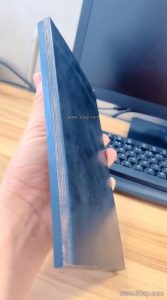
A thick belt usually combines a multi-ply fabric core or a steel cord core with generous rubber covers. Common carcass options include EP conveyor belt constructions, NN conveyor belt grades, and steel cord designs for very long or high-tension lines. Cover thickness is often specified in pairs such as 6+2 mm, 8+3 mm, or heavier, with the first figure being the carrying side.
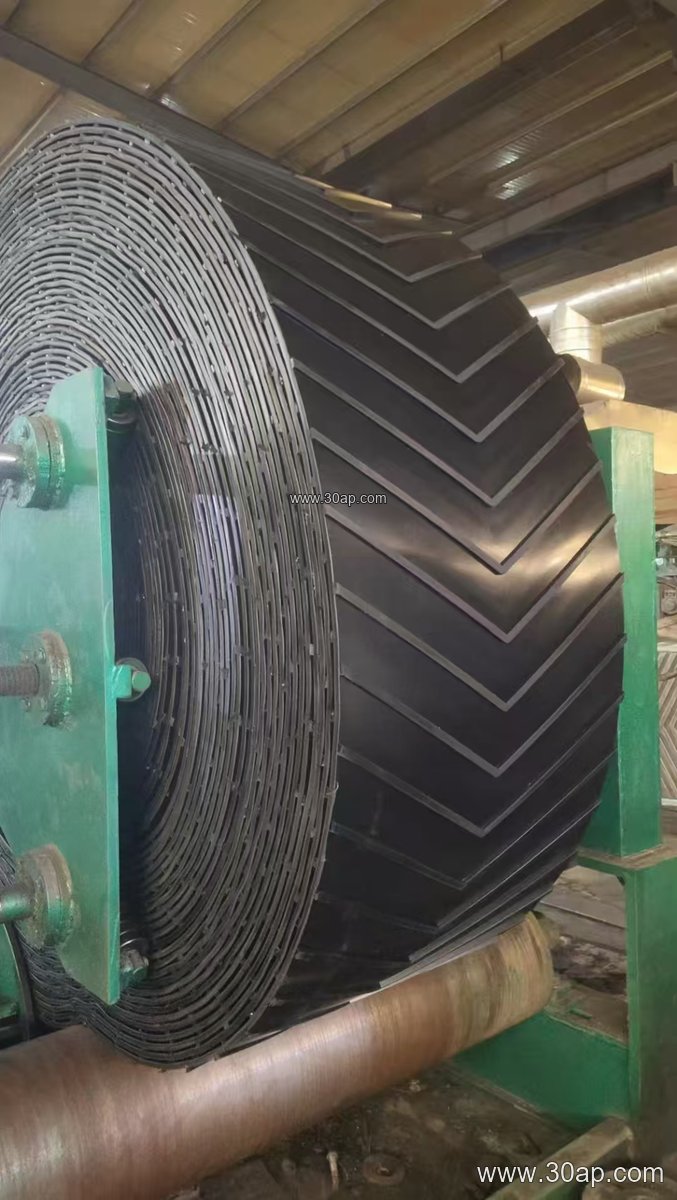
- Top cover: protects the carcass from abrasion, impact, and cutting.
- Bottom cover: provides grip and protection on the return side.
- Carcass: carries tension; may be fabric core or steel cord.
- Edge construction: influences resistance to edge damage and tracking problems.
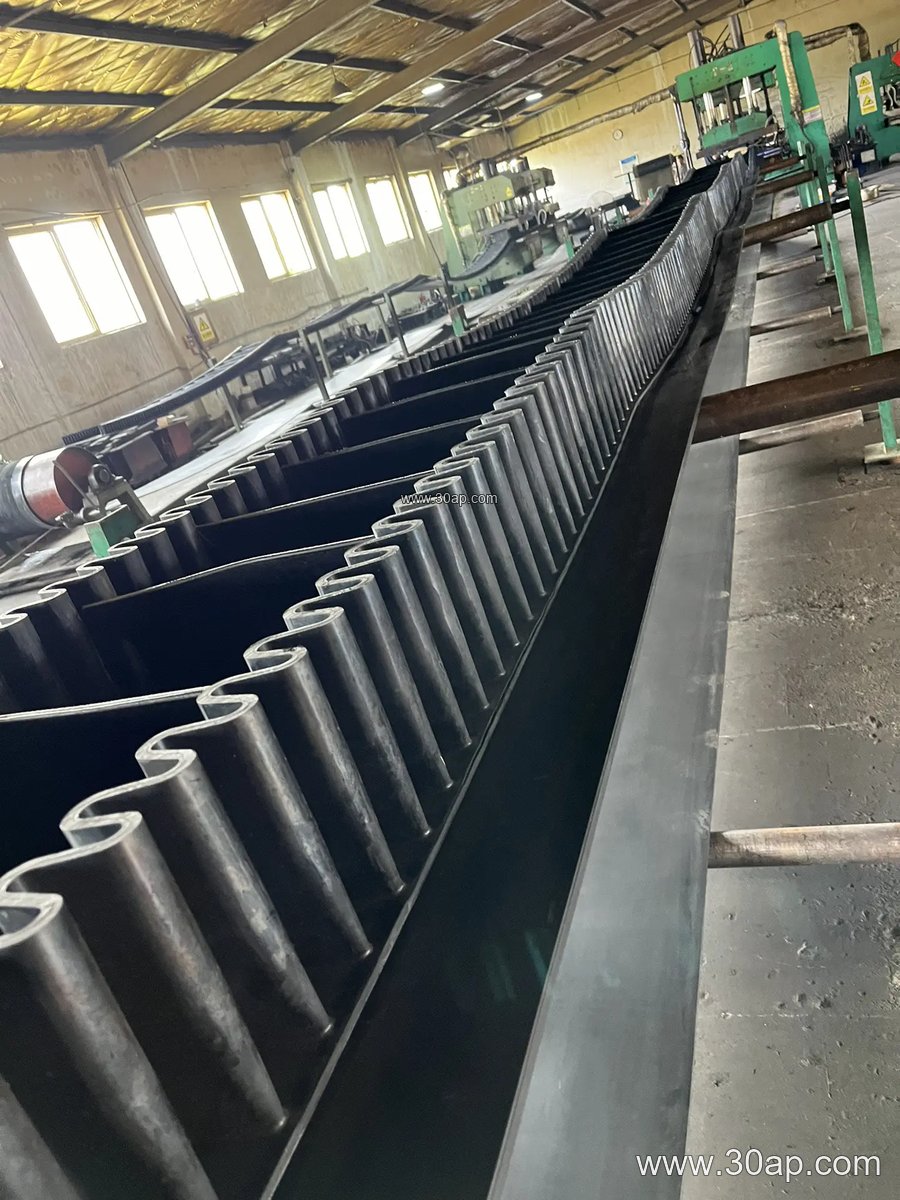
For special duties, the rubber compound may be abrasion resistant, heat resistant, oil resistant, flame retardant, anti-static, or cold resistant. A chevron conveyor belt adds raised profiles for incline work, while a corrugated sidewall belt uses cleats and sidewalls to contain material on steep paths. These are separate designs, not replacements for a plain thick belt.
Typical Service Conditions
Thick belts are common in mining conveyor belt systems, quarry conveyor belt lines, cement plants, power plants, steel plants, and sand and gravel operations. They handle bulk material conveyor belt duty such as crushed stone, iron ore, copper ore, clinker, and coal. In underground coal mining, flame retardant and anti-static properties are often requested, and PVG conveyor belt or PVC mining belt constructions may appear where fire safety rules call for them.
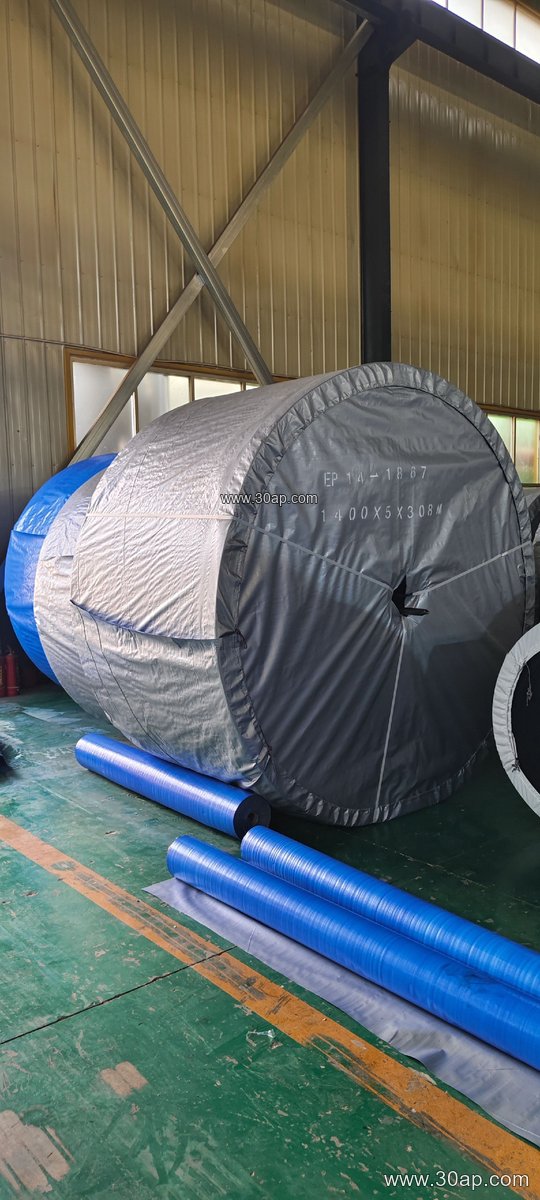
Impact points below a crusher are a classic application. A thick top cover spreads the force of falling lumps, while a robust carcass limits stretch. In these positions, the belt works together with impact idler rollers and a properly sized conveyor pulley, so belt thickness alone does not guarantee performance.
Common Reference Data
The values below are typical reference points, not fixed supply promises. Actual construction is confirmed by design and by the manufacturer.
| Item | Common reference |
|---|---|
| Belt width | B500, B650, B800, B1000, B1200, B1400, B1600, B1800, B2000 |
| EP strength grades | EP200, EP315, EP400, EP500, EP630, EP800, EP1000, EP1250, EP1600, EP2000 |
| Cover thickness | 3+1.5, 4+2, 5+2, 6+2, 8+3 mm |
| Fabric plies | Usually 2 to 6 layers |
| Steel cord grades | ST1000, ST1250, ST1600, ST2000, ST2500, ST3150 |
Width and pulley diameter are matched by conveyor design, not by a single rule. A 1200mm wide belt, for example, may run on different pulley sizes depending on tension and trough shape. Do not assume a fixed shaft diameter from belt width alone.
What Buyers Should Check
Start with the actual duty: material size, drop height, lump weight, moisture, temperature, and whether oil or chemicals are present. Then confirm the required tension rating and cover grade. A thick belt with the wrong compound can still fail early, while a well-matched abrasion resistant conveyor belt in a moderate thickness may outperform a thicker but poorly specified one.
Ask how the belt will be joined. An endless conveyor belt splice must suit the carcass, and field splicing affects final strength. Check compatibility with the conveyor pulley lagging, idler roller spacing, and bracket layout. On long inclines, confirm whether a chevron or skirted design is needed instead of a plain thick belt.
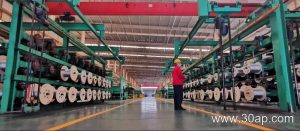
Finally, review storage and handling. Thick belts are heavy and stiff, so coiling diameter, lifting points, and installation space matter. A clear specification of width, strength grade, cover gauge, and rubber type helps avoid costly mismatches on site.