What a Conveyor Belt Support Frame Does
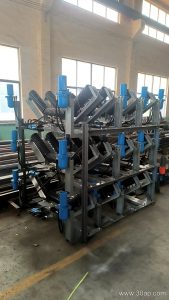
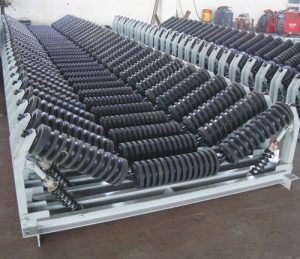
A conveyor belt support frame is the structural backbone that holds the idler rollers in precise alignment beneath and above the belt. Often referred to as a conveyor idler frame or roller support bracket, this component ensures the belt maintains its correct profile, reduces spillage, and extends the life of both the belt and the rollers. In a quarry conveyor belt line, a well-designed support frame keeps the belt tracking true even under surge loads from a crusher. The same principle applies in a cement plant or a power plant coal yard, where consistent belt support directly affects uptime.
Construction and Common Materials
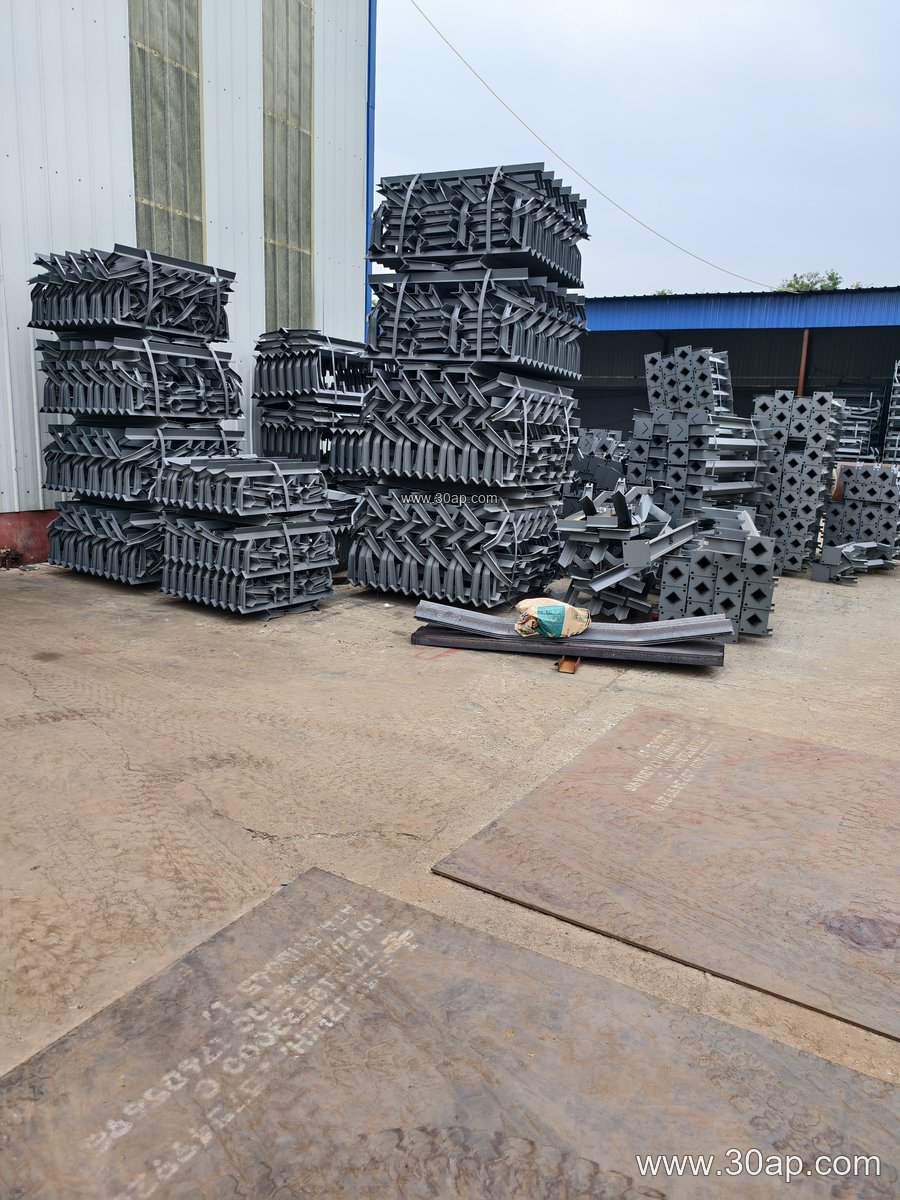
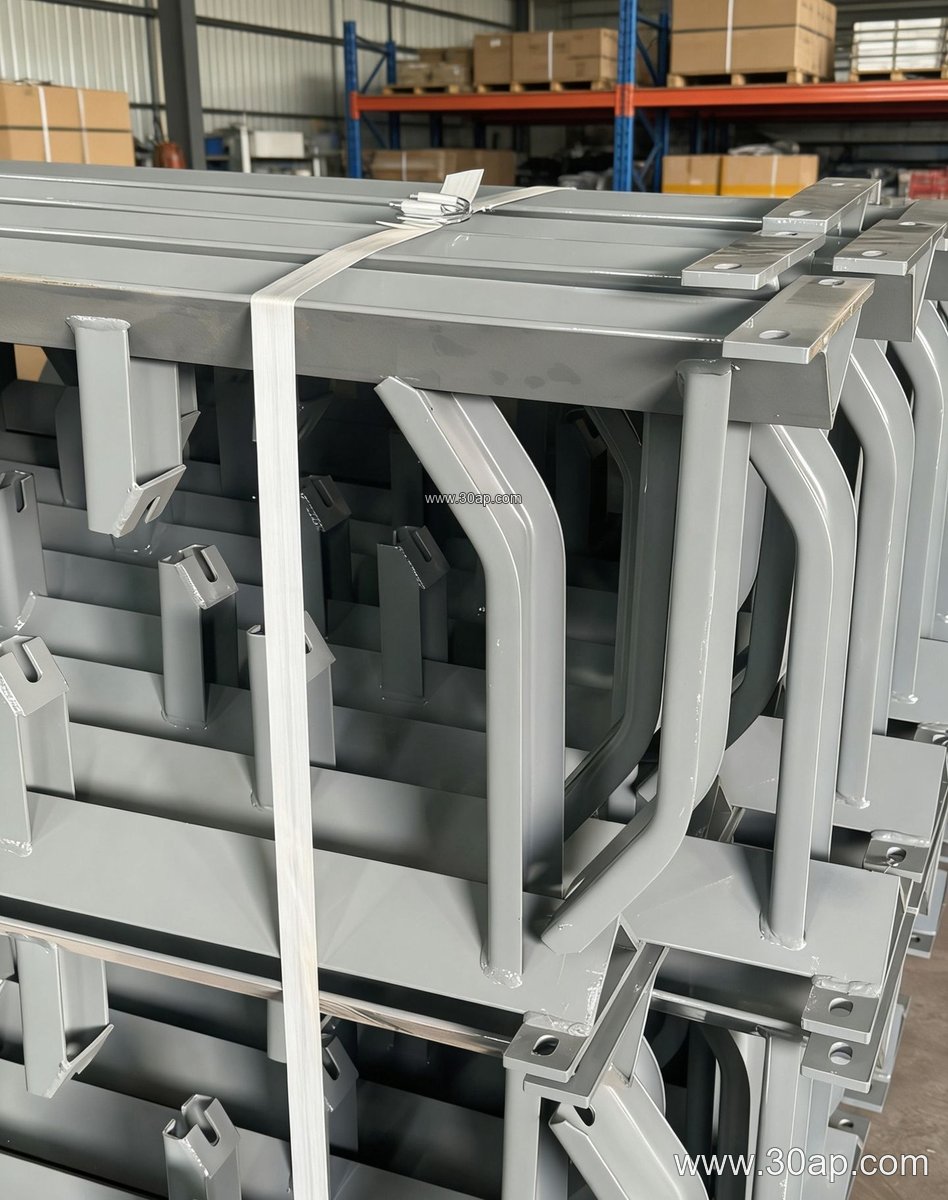
Most frames are fabricated from angle steel, channel steel, or folded steel plate. The choice depends on load and environment: channel steel offers higher rigidity for wide belts and heavy-Duty Mining Conveyor Belt applications, while folded plate can save weight in portable or modular systems. Welded or bolted construction is common, and bolt-on designs simplify replacement in confined spaces such as an underground mining conveyor belt drive section. Surface treatment like hot-dip galvanizing or painting helps resist corrosion in wet or dusty conditions.
Types and Their Roles
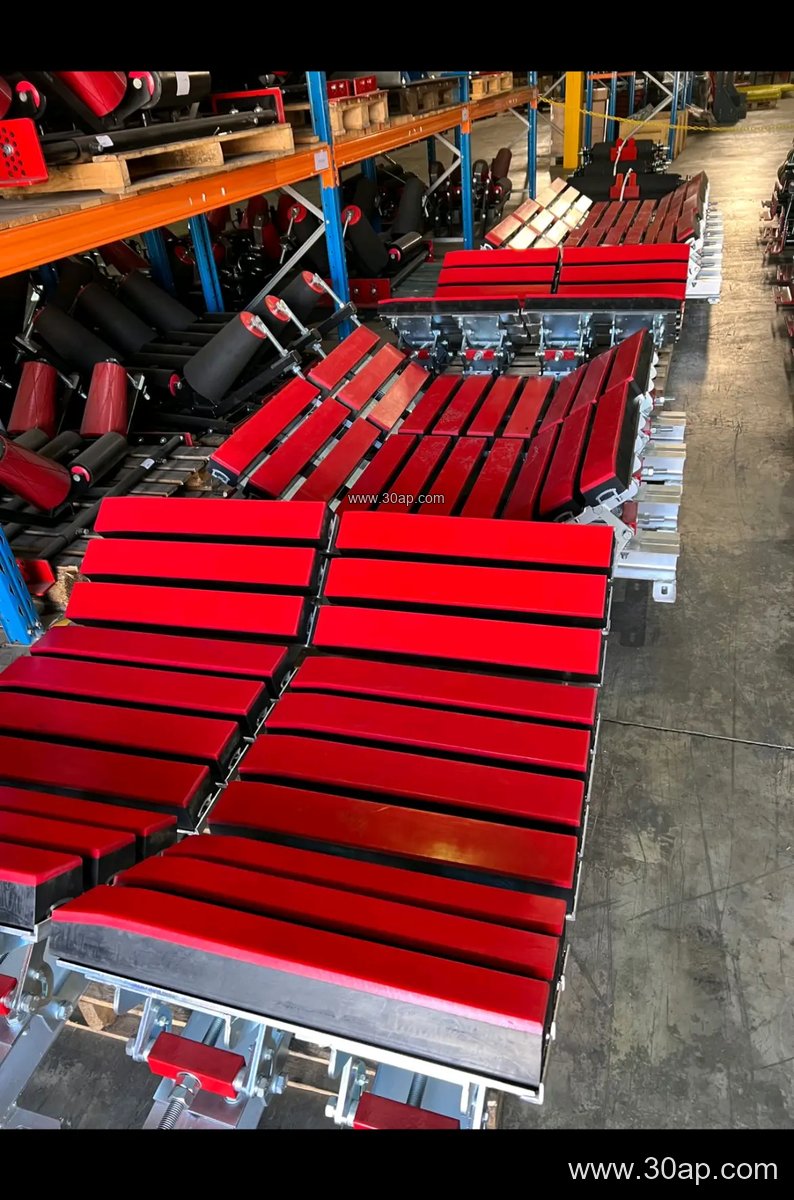
Support frames are not one-size-fits-all. Troughing idler frames carry the loaded side of the belt and set the trough angle. Return frames support the empty belt, and V-return frames help center it. Impact frames, with rubber or spring cushions, sit under loading points to absorb the force of falling material. Self-aligning frames correct belt wander on long runs. Adjustable frames allow operators to fine-tune trough angles on site without cutting or welding.
- Troughing frame – carries the top belt, sets trough angle
- Return frame – supports the bottom belt
- Impact frame – cushions loading zone
- Self-aligning frame – corrects belt misalignment
- Adjustable frame – allows on-site angle changes
Matching Frames to Belt and Roller Dimensions
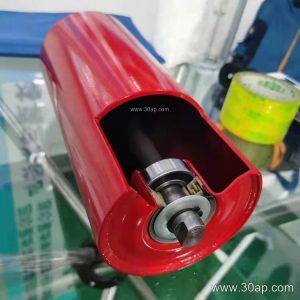
Frame selection starts with belt width and roller diameter. Common belt widths range from B500 to B2200, and typical roller diameters include Ø89, Ø108, Ø133, Ø159, and Ø194. A B800 frame with 35-degree trough and Ø108 rollers is a frequent choice in aggregate plants, while a B1200 frame with 45-degree trough and Ø133 rollers often appears in heavier iron ore or copper ore conveyor lines. These combinations are examples, not fixed rules; the frame must be engineered for the actual load, belt speed, and material characteristics.
Mounting hole spacing and crossbeam length vary with belt width and trough angle, so they should always be confirmed against the conveyor design. The frame must also be compatible with the conveyor pulley diameters and the conveyor bracket layout at transfer points.
Where Support Frames Are Used
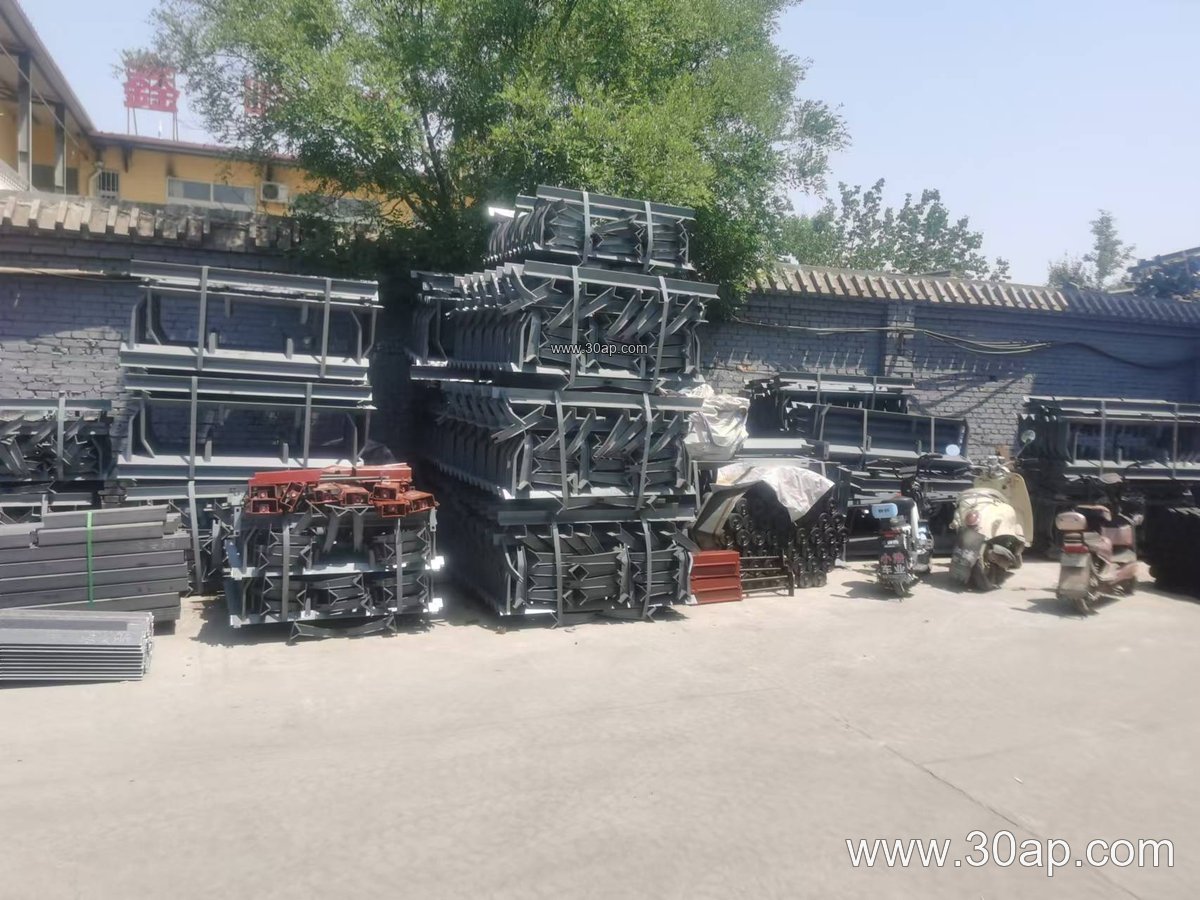
From a limestone mine’s primary crushing station to a ship loading conveyor belt at a port, support frames appear wherever bulk material moves. In a coal mining conveyor belt system, flame retardant conveyor belt and anti-static conveyor belt grades are often paired with robust frames to meet safety requirements. In food or fertilizer handling, stainless or coated frames may be preferred to prevent contamination. The frame itself does not touch the material, but its stability directly influences belt training and spillage control.
Buyer Checklist
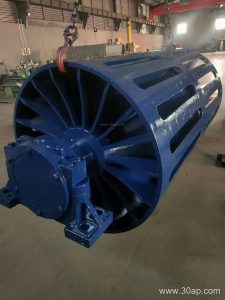
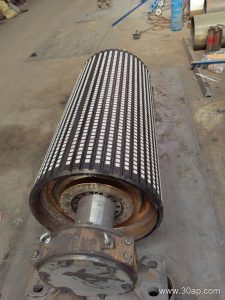
Before ordering, confirm the belt width, trough angle, roller diameter, and mounting interface. Ask how the frame handles transition zones and whether adjustable versions are needed for future changes. Check material thickness and coating for the site environment. Remember that a support frame is part of a system: the belt, idler roller, conveyor pulley, and conveyor bracket must all work together. A frame that is undersized or misaligned will accelerate wear on even the best EP conveyor belt or steel cord conveyor belt.
For more information on conveyor components, visit our site at www.example.com/conveyor-belt-support-frame and explore related pages on conveyor idler frames and roller support brackets.