What a Custom Conveyor Pulley Is and Where It Fits
A custom conveyor pulley is a made-to-order drum that turns a conveyor belt, supports its load, and keeps the belt tracking through the system. In a coal mine, a cement plant, or a quarry crushing line, the pulley often sits at the head, tail, or bend point, where standard sizes may not match the frame, belt width, or shaft load. That is when a custom design becomes practical.
In everyday language, people also call this part a conveyor drum or a belt pulley. The term “custom” means the outside diameter, face width, shaft, lagging, and bearing arrangement are built around the actual conveyor layout rather than picked from a short list.
How the Pulley Is Built
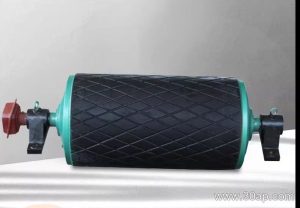
Most custom pulleys use a steel shell, two end discs, a shaft, and a lagging surface. The shell may be seamless pipe or rolled plate, depending on the diameter and load. End discs are welded to the shell, and the shaft is fitted through the hub or welded to the discs. After welding, the drum is machined to keep the face true and the shaft centered.
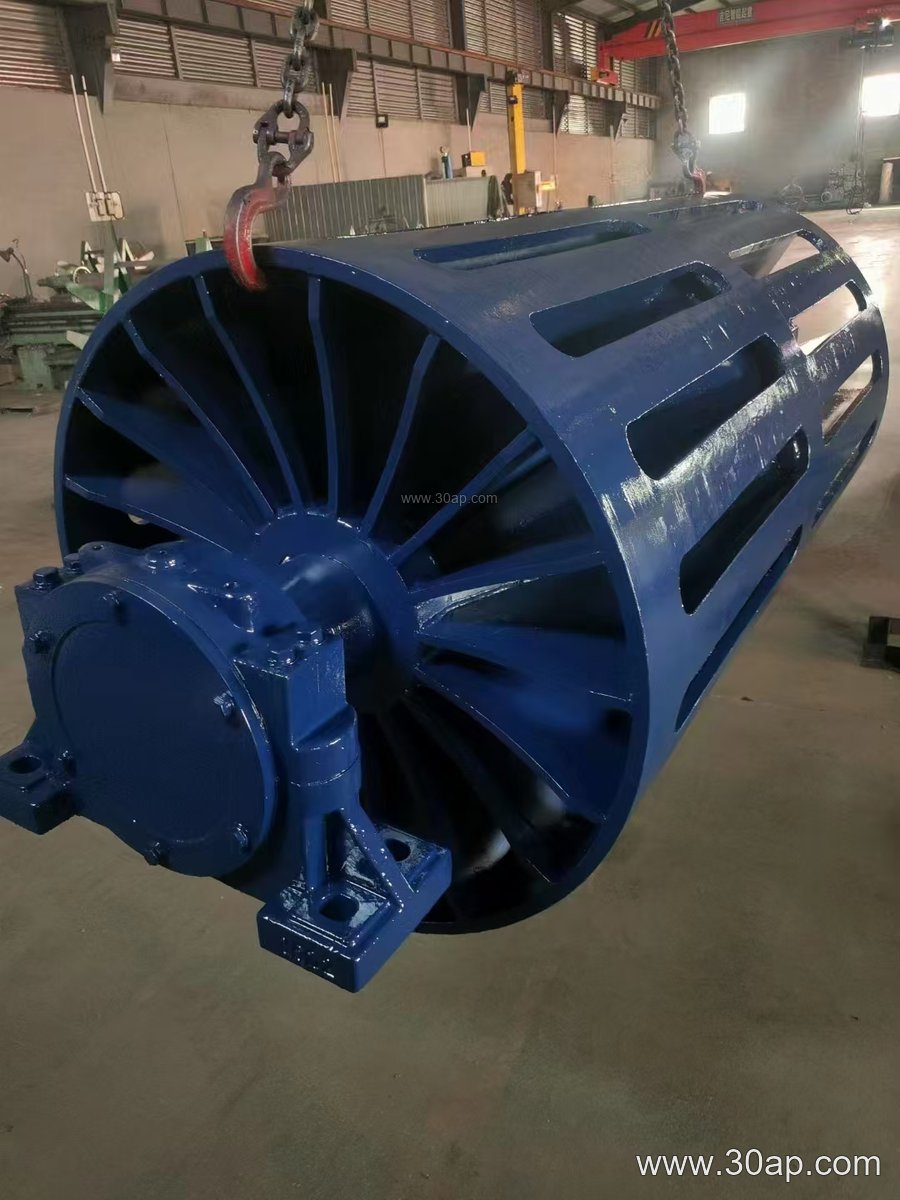
Lagging is an important choice. Plain steel is common for light duty, while rubber lagging improves grip in wet or dusty conditions. In a power plant coal yard or a limestone mine, diamond or herringbone grooved lagging can help shed water and fines. Ceramic lagging is used where abrasive material causes heavy wear. Common lagging thicknesses are 8, 10, 12, 15, and 20 mm, but the final thickness should follow the belt tension and drive demand.
Typical Sizes and Combinations
There is no single size that fits every conveyor. Belt width and pulley diameter are selected together with the shaft, bearing, and belt tension. The table below shows common reference combinations; they are examples, not fixed rules.
| Belt width | Typical pulley face width | Example diameter |
|---|---|---|
| B400 | about 500 mm | Ø200, Ø250, Ø315 |
| B500 | about 600 mm | Ø250, Ø315, Ø400 |
| B650 | about 750 mm | Ø315, Ø400, Ø500 |
| B800 | about 950 mm | Ø400, Ø500, Ø630 |
| B1000 | about 1150 mm | Ø500, Ø630, Ø800 |
| B1200 | about 1400 mm | Ø630, Ø800, Ø1000 |
| B1400 | about 1600 mm | Ø800, Ø1000, Ø1250 |
| B1600 | about 1800 mm | Ø1000, Ø1250, Ø1400 |
| B1800 | about 2000 mm | Ø1250, Ø1400, Ø1600 |
| B2000 | about 2200 mm | Ø1400, Ø1600, Ø1800 |
Shaft diameters are not chosen from belt width alone. Common shaft sizes include Ø50, Ø60, Ø70, Ø80, Ø90, Ø100, Ø120, Ø140, Ø160, Ø180, and Ø200 mm. A larger shaft may be needed when torque, radial load, or bearing life requires it. The final value should come from the conveyor design, not from a simple width-to-shaft rule.
Drive, Tail, and Bend Positions
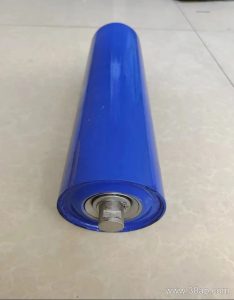
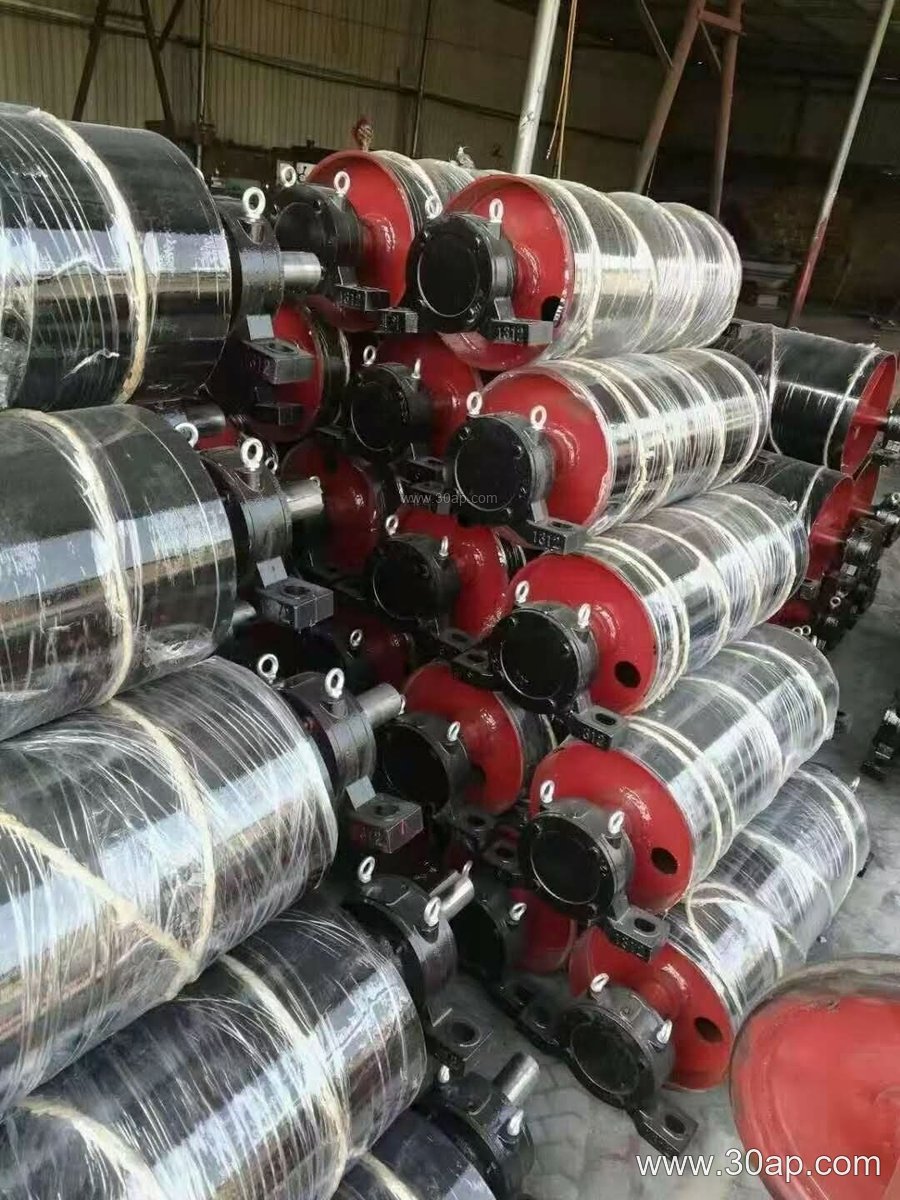
A custom pulley can be made for different duties. A drive pulley, also called a head pulley, transmits power to the belt and often has lagging for grip. A tail pulley at the loading end may be plain or lagged, and it can include a tensioning function. A bend pulley changes the belt direction without driving it. These positions are not interchangeable; each has its own load and wear pattern. An idler roller, for comparison, supports the belt along the carrying side and does not replace a pulley.
In a sand and gravel plant, a B1200 × Ø1000 drive pulley might run with a rubber lagged surface, while a B800 × Ø500 tail pulley may use a plain finish. In a fertilizer or grain silo, a smaller B650 × Ø400 pulley could be enough. The right combination depends on belt speed, tonnage, and the space around the conveyor bracket.
What Buyers Should Check Before Ordering
- Belt width and pulley face: The drum face is usually wider than the belt. Confirm the exact face width, not just the belt size.
- Diameter and shaft: Give the required diameter, shaft size, keyway, and bearing type. Do not assume one belt width matches one diameter.
- Lagging: State whether you need plain, rubber, diamond, herringbone, or ceramic lagging, and the thickness.
- Balance and runout: For high-speed conveyors, ask for dynamic balancing and a runout check.
- Environment: Dust, water, and temperature affect bearing seals and lagging choice.
A custom conveyor pulley is not just a bigger version of a standard drum. It is a matched component for the belt, frame, and duty. When the mine, quarry, or cement plant changes its conveyor layout, a made-to-order pulley can keep the belt running straight and the material moving.