Why the Conveyor Pulley Defines System Reliability
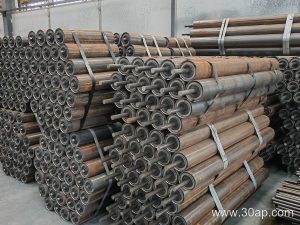
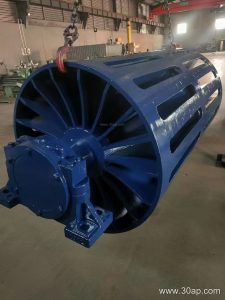
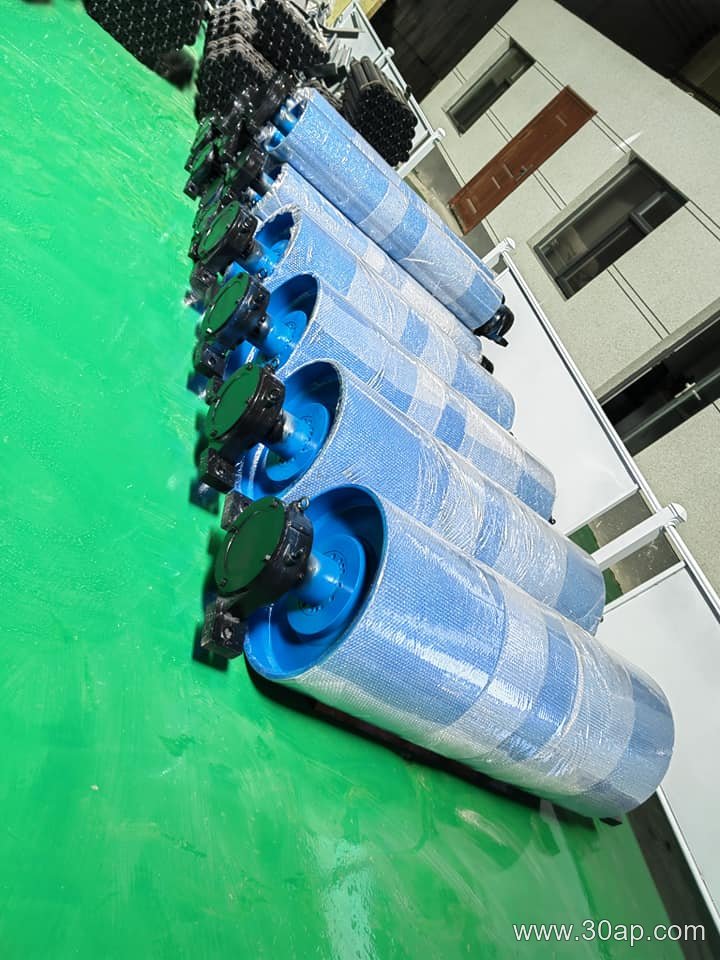
The conveyor pulley is not just a rotating cylinder; it is the mechanical heart of any belt conveyor. It transmits drive torque, maintains belt tension, and changes belt direction. A poorly chosen pulley leads to tracking issues, premature belt wear, and unplanned downtime.
Core Types and Their Applications
- Drive (head) pulleys: Located at the discharge end, they provide traction via lagging—rubber or ceramic—to prevent slippage.
- Return (tail) pulleys: Located at the infeed end, they guide the empty belt and often include a crown or wing profile for self-cleaning.
- Snub and bend pulleys: Used to increase wrap angle or redirect the belt in tight spaces.
- Take-up pulleys: Maintain constant tension, often gravity or screw adjusted.
Selection Criteria for Long-Term Value
Before purchasing, evaluate the following: shaft diameter and bearing load at peak torque; face width—normally 2–4 inches wider than the belt; shell thickness and material (carbon steel, stainless, or engineered plastic for corrosive or food-grade lines); and lagging type based on moisture, heat, and abrasion. Also, verify the pulley’s dynamic balancing for speeds above 300 fpm.
Purchasing Advice
- Request finite element analysis (FEA) reports for heavy-duty applications.
- Specify keyed or taper-lock hub connections—taper-lock simplifies maintenance.
- Check crown profile: standard 0.5% crown is adequate for most belts; use flat with tracking guides for high-speed systems.
- Always source pulleys with certified welding and full-penetration seams to avoid fatigue failure.
Invest in a high-quality conveyor pulley now to reduce lifecycle costs and maximize operational safety.
Why the Conveyor Bracket Deserves Your Attention
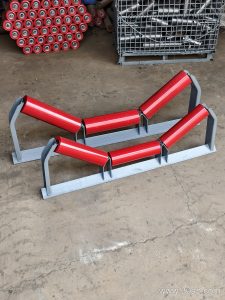
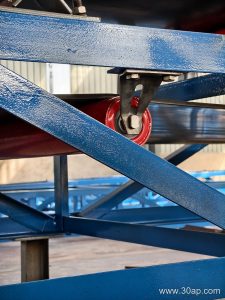
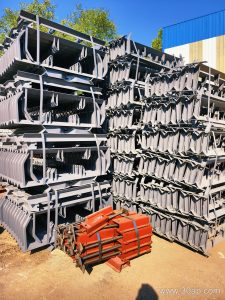
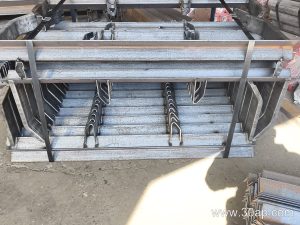
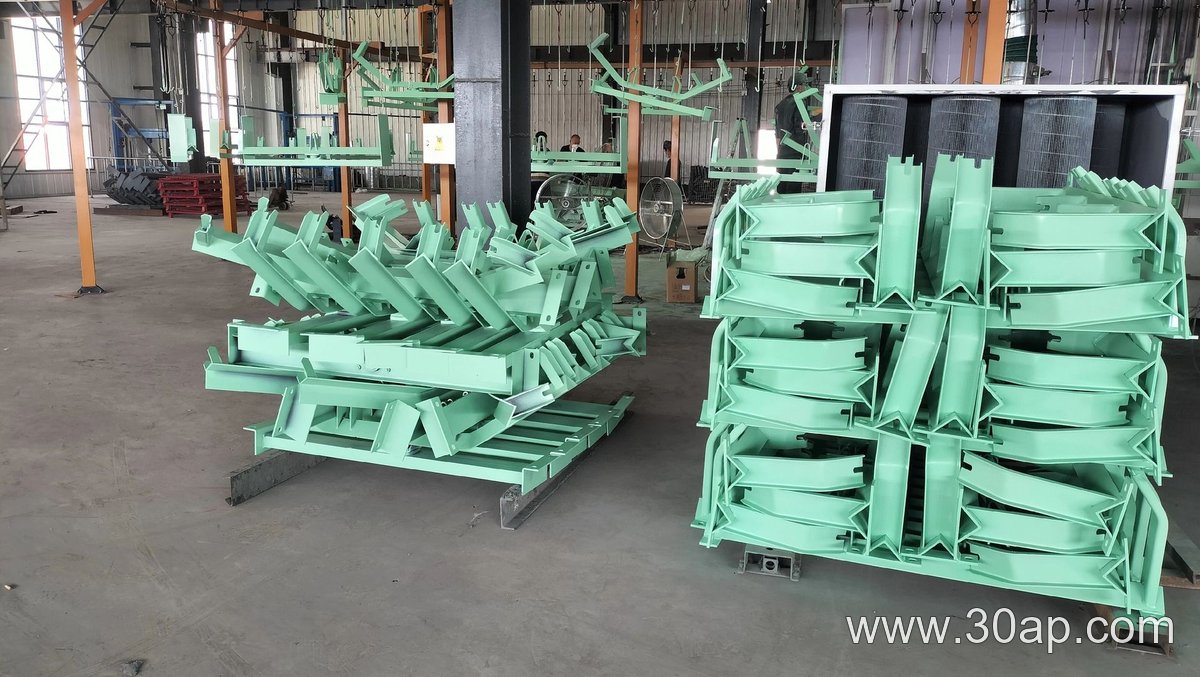
Every high-performing conveyor system depends on hundreds of small but critical components. Among them, the conveyor bracket is the unsung hero—it anchors rollers, guides, and drives to the frame, ensuring alignment and load distribution. A poorly chosen bracket causes misalignment, vibration, and premature wear across the entire line.
Selecting the Right Bracket for Your Operation
Start with material compatibility. Steel brackets suit heavy loads and abrasive environments, while stainless steel resists corrosion in food or chemical plants. For lightweight or washdown applications, engineered polymer brackets reduce noise and weight. Always verify the bracket’s load rating against your peak dynamic load, not just static weight.
Installation and Maintenance Tips
- Check slot dimensions and bolt patterns against your existing frame—retrofit costs often exceed the bracket price.
- Use locking washers or thread-locking compound to counter vibration loosening.
- Inspect brackets quarterly for weld cracks, bending, or rust at stress points.
- When ordering, specify adjustable or slotted brackets for easier belt tracking and roller re-alignment.
Buying Advice for Bulk Orders
Request samples before committing to large batches. Confirm that the bracket’s center-to-center hole spacing matches your rollers, and ask for galvanized or powder-coated finishes if humidity is a factor. For mixed line upgrades, standardized brackets reduce spare-parts inventory. Partner with a supplier who publishes engineering drawings—this simple transparency saves hours during design and troubleshooting. Prioritize durability over the lowest unit price; a 30% cheaper bracket that fails in six months doubles your labor costs.
Why the Conveyor Belt Is More Than a Moving Surface
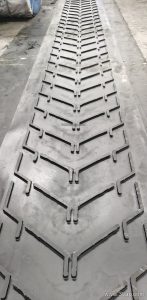
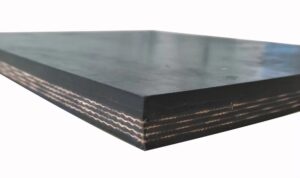
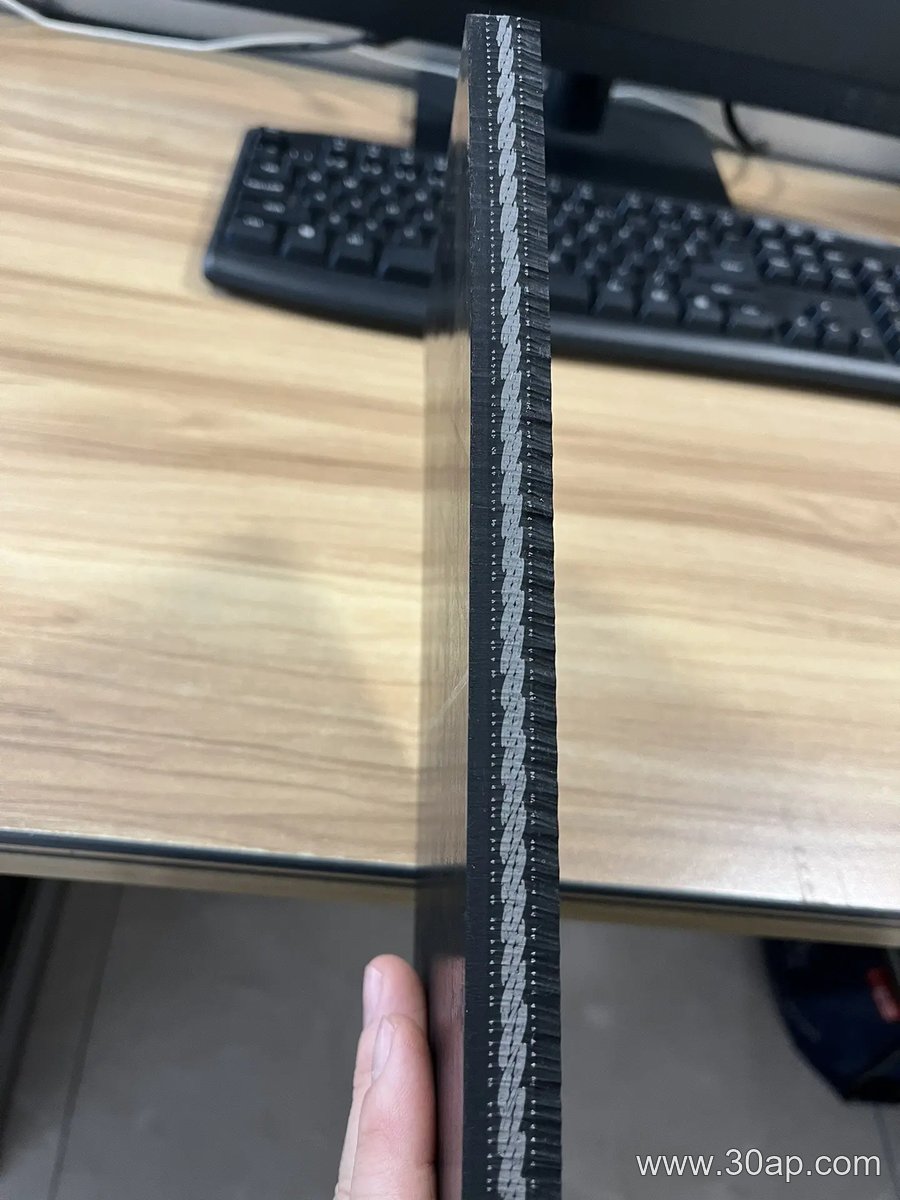
The conveyor belt is the single most critical component in any bulk handling or assembly system. It determines throughput, product safety, and maintenance costs. Choosing the right belt is not about picking a width — it is about matching the belt’s carcass, cover, and splice to your specific load, speed, and environment.
Carcass and Cover: Strength vs. Wear
For heavy abrasive loads (ore, gravel, scrap), opt for a multi-ply polyester or steel-cord carcass with a thick, abrasion-resistant rubber cover (e.g., 8:3 or 6:2). For food or pharmaceutical lines, select a monolithic polyurethane or silicone belt with a seamless splice to meet hygiene standards.
Operating Conditions Dictate Material
- Heat above 80°C: use a heat-resistant EPDM or PTFE-coated belt.
- Oils or chemicals: avoid natural rubber; choose nitrile or PVC with oil-resistant additives.
- Steep inclines (>20°): add chevron cleats or a rough-top surface to prevent backslip.
Selection and Purchasing Advice
- Calculate peak tension (not just average) using the belt weight + load + friction factor.
- Request a splice sample — weak splices cause 70% of belt failures.
- Check belt tracking: specify crown pulleys and proper idler spacing for your belt width.
- Buy from a vendor that offers on-site vulcanizing or lacing services, not just the belt roll.
Always ask for a technical datasheet that lists elongation at 10% of breaking strength, operating temperature range, and minimum pulley diameter. A conveyor belt that lasts 30% longer at 15% higher initial cost is the better economic choice for any continuous process.
Why the Idler Roller Defines Your Conveyor’s Lifespan
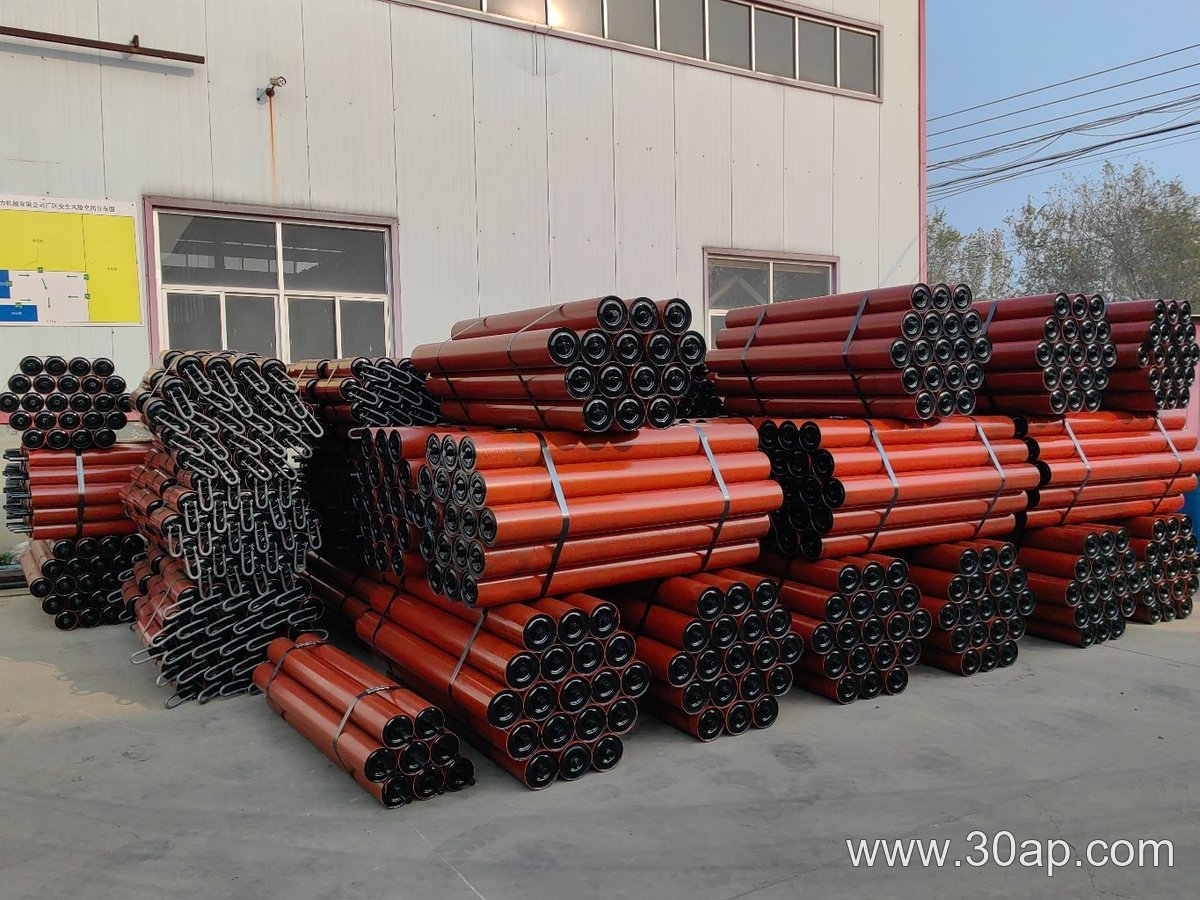
The idler roller is the unsung workhorse of any bulk material handling system. It supports the belt, shapes the load, and absorbs impact — yet a poorly chosen roller can cause belt misalignment, premature wear, and costly downtime. This guide focuses on the idler roller as your primary decision point.
Key Specifications to Evaluate
- Diameter and wall thickness: Match the roller diameter to belt speed and load. Thicker steel walls resist abrasion in heavy-duty applications.
- Bearing type and sealing: Choose labyrinth seals for dusty environments or contact seals for wet, corrosive conditions. C3 clearance bearings handle high radial loads.
- Shaft material: For corrosive or high-temperature settings, stainless or alloy steel shafts prevent failure.
Sizing and Load Considerations
Calculate the dynamic load per roller using belt weight, material density, and speed. Always select an idler roller with a rated load at least 20% above your peak — this buffer extends bearing life. For impact zones (loading points), use heavier-duty idlers with rubber discs or wider trough angles.
Purchasing Advice
- Request samples and test under your exact material (e.g., abrasive ore vs. grain).
- Verify compliance with CEMA or ISO standards — but note that grades vary by manufacturer.
- Consider lifecycle cost: premium rollers with sealed-for-life bearings often outperform cheaper replacements.
- Ask about lead times and spare-part availability. A reliable supplier with local stock reduces shutdown risk.
Finally, inspect the roller’s runout (tolerance for concentricity) — less than 0.8 mm at high speeds prevents belt chatter. Invest in a roller that matches your operational reality, not just a catalog spec.