What a High Wear-Resistant Lagged Pulley Does
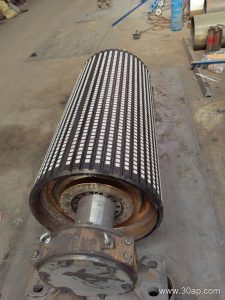
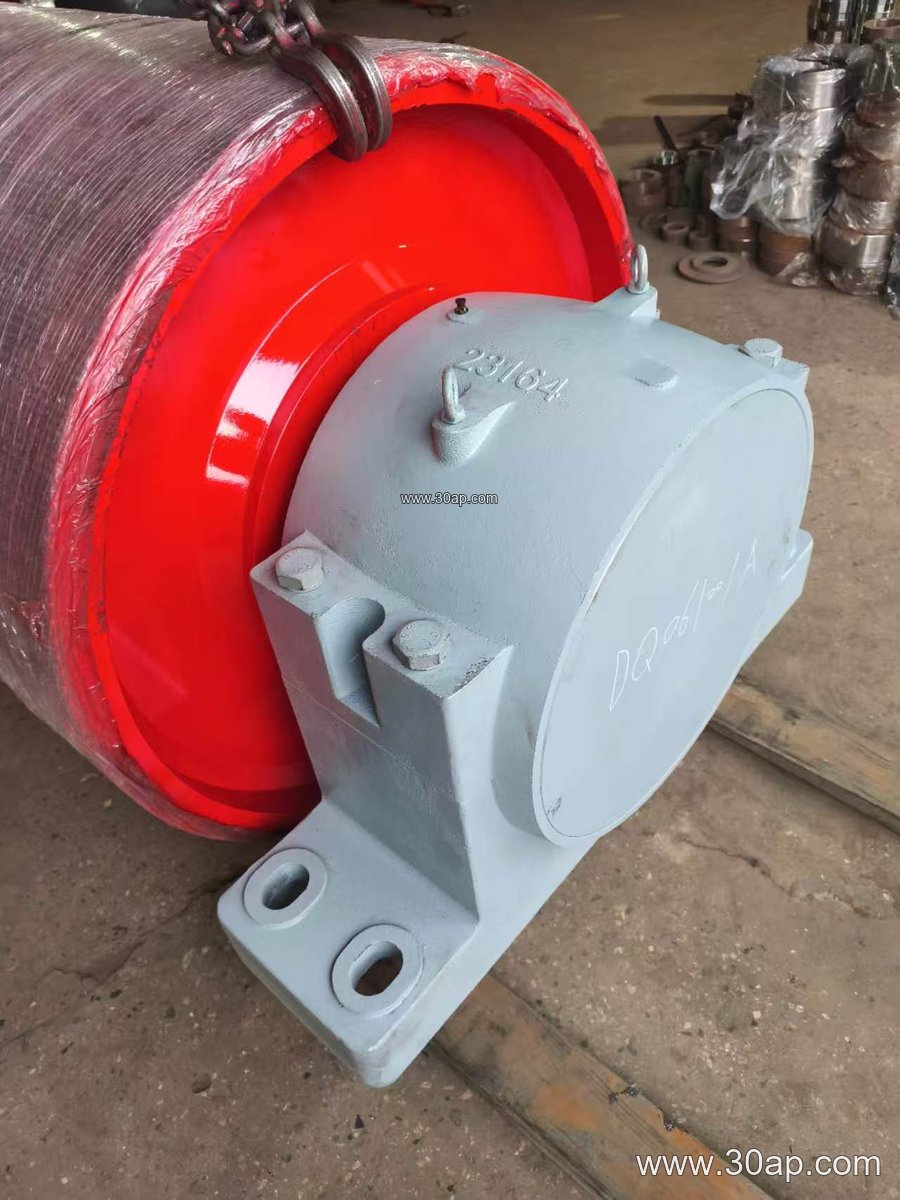
A high wear-resistant lagged pulley is a conveyor pulley whose shell is covered with a tough rubber or ceramic layer to protect both the drum surface and the belt it drives. This lagging raises friction between pulley and belt, which reduces slip at the drive position, and it shields the steel shell from abrasive material that would otherwise grind it thin. In a quarry or a limestone mine, where grit and sharp stone fragments are everywhere, that protective layer can mean the difference between a drum that lasts for years and one that needs re-lagging every season.
The product is often specified simply as a wear-resistant lagged drum or rubber-lagged pulley. It remains a pulley first and a wear solution second, so its shaft, bearings and shell must be sized for the actual torque and load of the conveyor, not chosen by belt width alone.
Construction and Surface Options
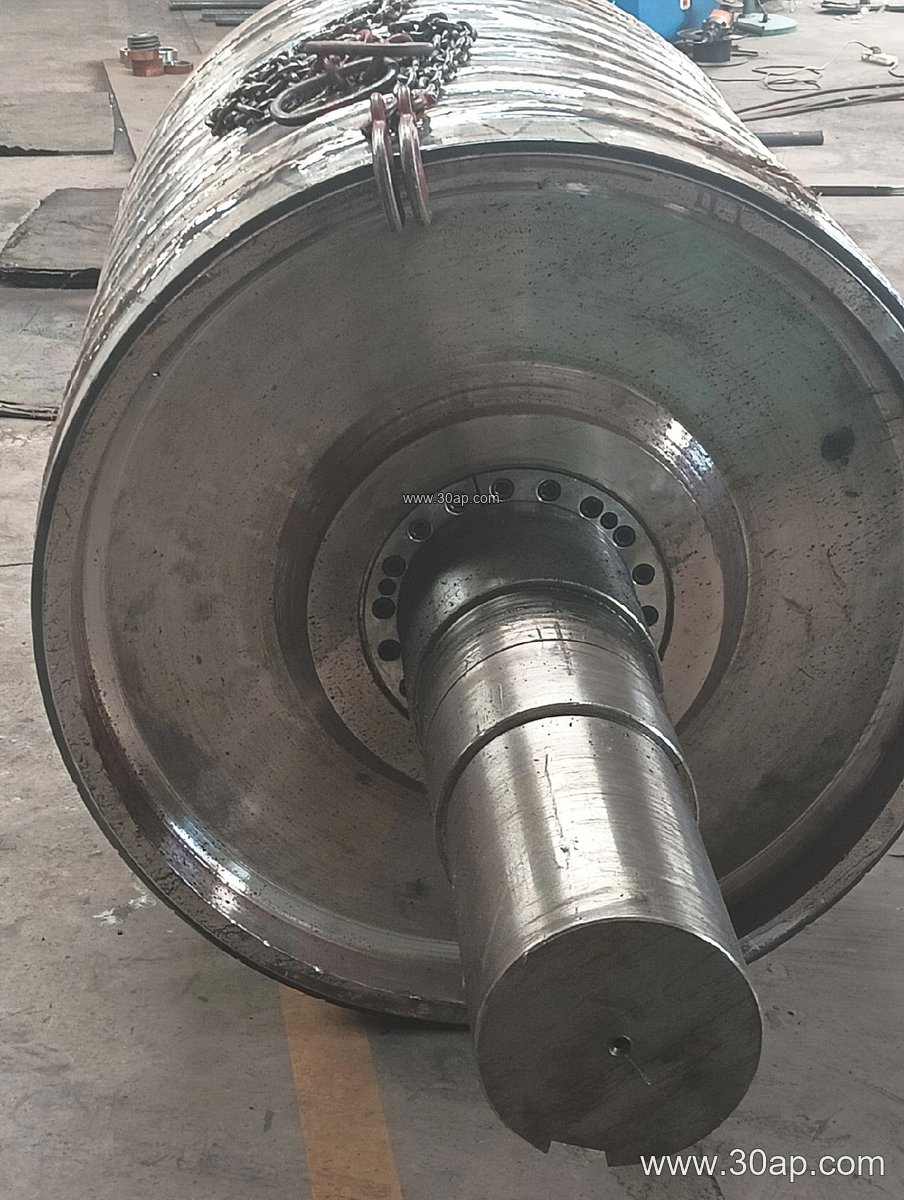
The base shell is usually a rolled steel cylinder welded to end discs, with the shaft pressed or keyed in place. Lagging is applied in several ways, and the choice affects grip and service life:
- Hot-vulcanized rubber lagging, bonded under heat and pressure for a strong, seamless joint.
- Cold-bonded rubber sheet, practical for on-site re-lagging when the pulley is difficult to remove.
- Diamond or herringbone grooved rubber, which helps shed water and fine dust.
- Ceramic lagging, where hard tiles set in rubber give the highest abrasion resistance for very aggressive duty.
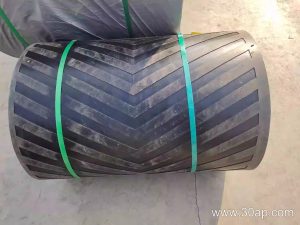
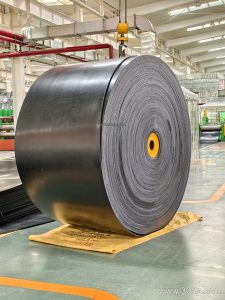
Common lagging thicknesses are 8, 10, 12, 15 and 20 mm, selected according to belt tension and the severity of the environment. A high abrasion resistant conveyor belt running over a well-lagged drum benefits from consistent friction, and the two wear parts should be matched rather than treated separately.
Where It Fits on the Conveyor
These pulleys appear most often as drive pulleys, where slip control matters, and as bend or tension pulleys on long routes. A tail pulley can also be lagged, but its main job is belt guidance rather than power transmission, so the specification differs. A high wear-resistant lagged pulley used as a drive drum in a power plant coal handling line, for example, must resist both abrasion and the constant pull of a heavy belt, while a bend pulley in the same line mainly needs a smooth, durable face.
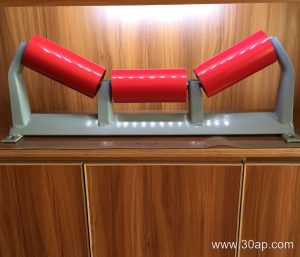
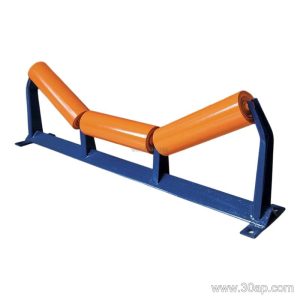
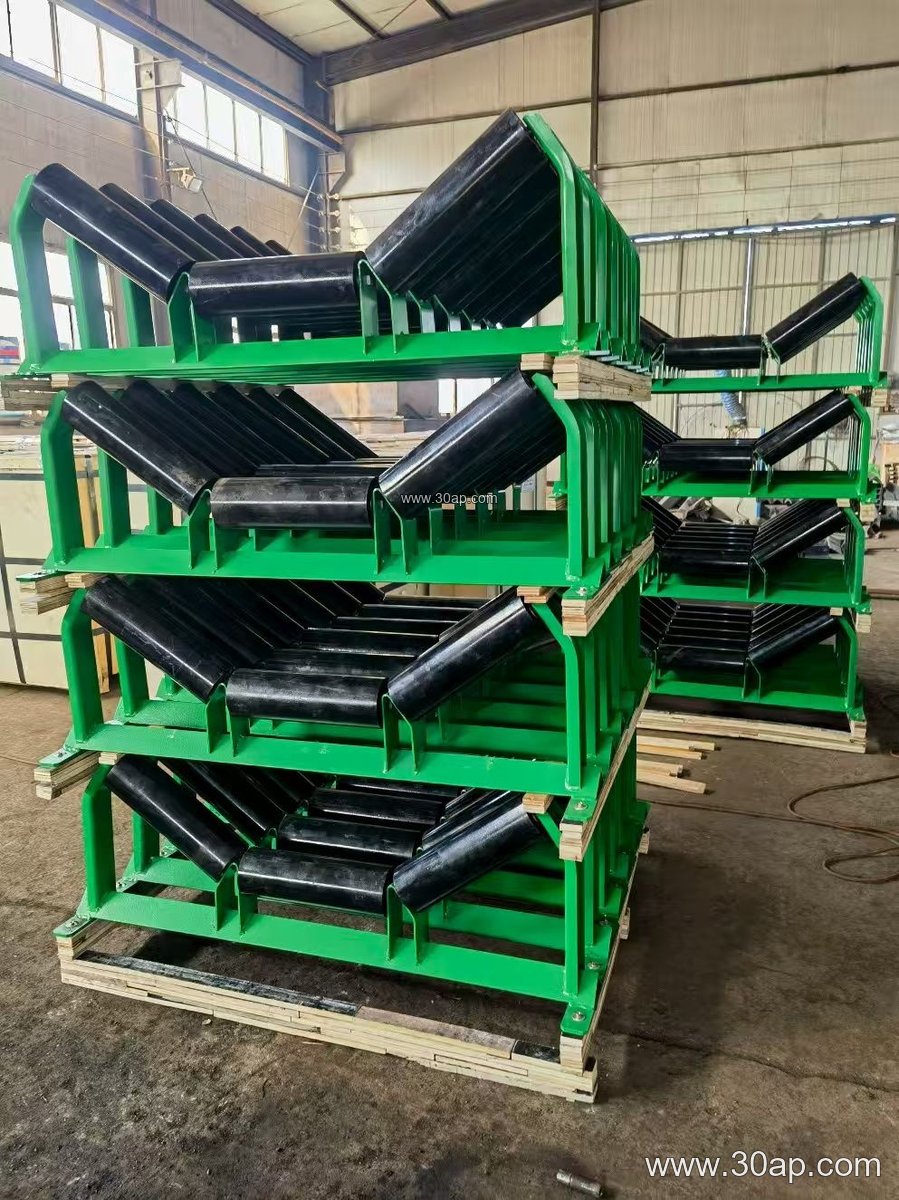
Typical industries include aggregate plants, cement clinker lines, iron ore and copper ore concentrators, coal preparation plants, steel sinter plants and port bulk terminals. In each case the pulley works alongside conveyor idlers, conveyor brackets and the conveyor belt itself, so alignment and belt tracking deserve as much attention as the lagging compound.
Common Size References
The table below shows reference combinations only. Actual diameter, face width and shaft diameter are determined by conveyor design, torque and belt tension.
| Belt width | Typical pulley face width | Reference diameter |
|---|---|---|
| B500 | about 600 mm | Ø250 to Ø400 |
| B650 | about 750 mm | Ø315 to Ø500 |
| B800 | about 950 mm | Ø400 to Ø630 |
| B1000 | about 1150 mm | Ø500 to Ø800 |
| B1200 | about 1400 mm | Ø630 to Ø1000 |
| B1400 | about 1600 mm | Ø800 to Ø1250 |
| B1600 | about 1800 mm | Ø1000 to Ø1400 |
Reference shaft diameters run from about Ø50 to Ø200 mm, but the correct value comes from torque and load calculation. No single belt width forces one shaft size or one pulley diameter.
Buyer Checklist
- Confirm the pulley position: drive, tail, bend or tension. Each has different demands.
- State the belt type, for example an EP conveyor belt or a steel cord conveyor belt, because grip and tension differ.
- Describe the material being handled, such as wet coal, hot clinker or sharp aggregate.
- Ask for lagging thickness and pattern, and whether ceramic lagging is justified by the wear rate.
- Check balancing, bearing type and shaft tolerance before delivery.
For more on matching drums to belts and rollers, see the product pages at rubberbeltconveyor.com and conveyoridler.com. A pulley chosen with the conveyor duty in mind will protect the belt and keep the line running.