What a 6204 Bearing Idler Is
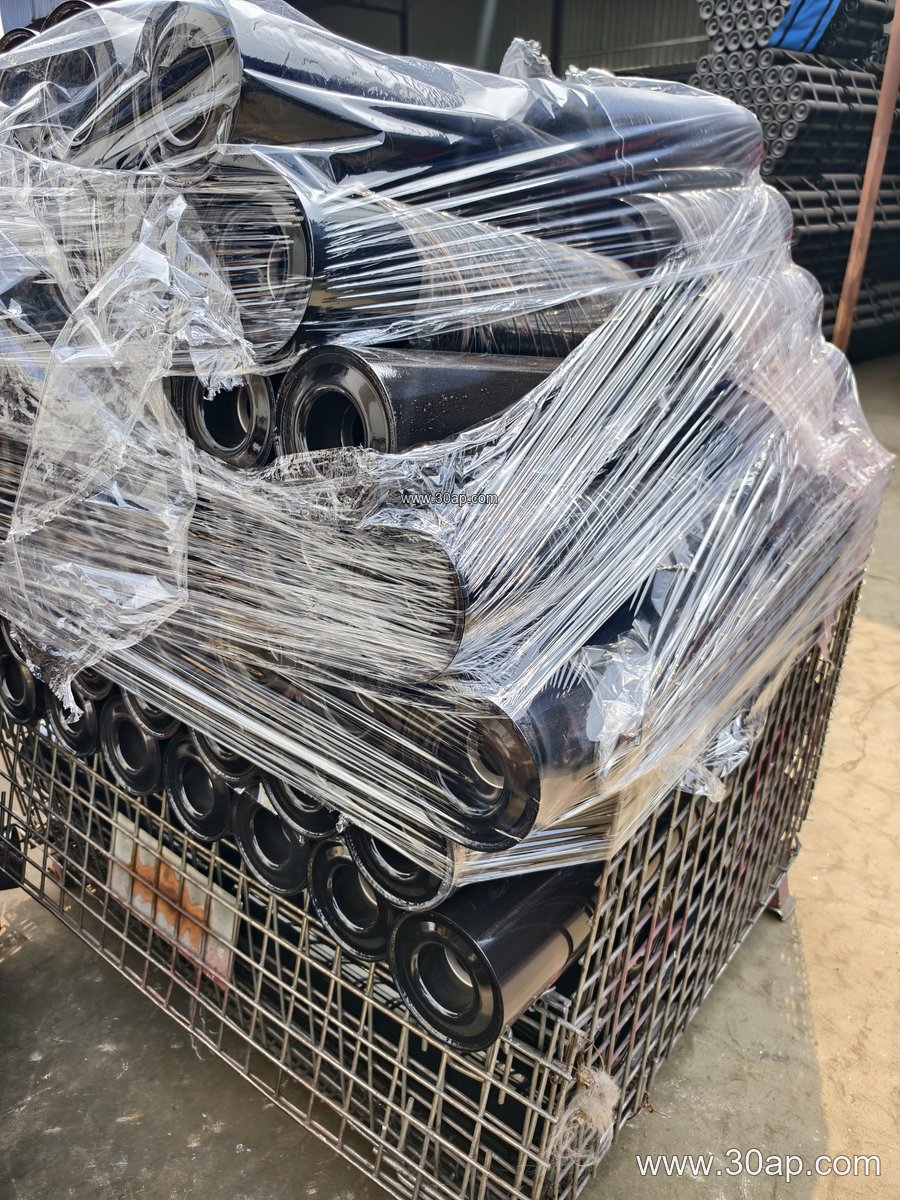
A 6204 bearing idler is a conveyor roller that uses single-row deep groove ball bearings sized 6204 to support its rotating shell. In everyday plant language it is simply called a 6204 bearing roller or a 6204 idler. It sits under the belt on the carrying side or beneath the return strand, turning freely as material moves along the conveyor. From a quarry conveyor line to a cement plant transfer tower, this small component quietly carries a large share of the load.
The 6204 designation refers to the bearing, not the roller diameter. A Ø89, Ø102 or Ø108 idler shell may all be fitted with 6204 bearings depending on the design load and shaft arrangement. Buyers should therefore treat the bearing number and the roller dimensions as two separate specifications.
How the Roller Is Built
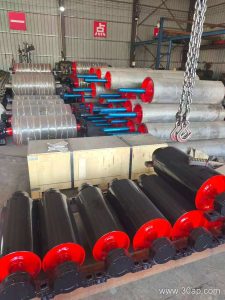
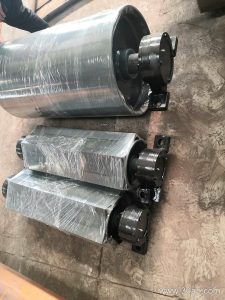
A typical unit combines a steel tube shell, a through shaft, bearing housings at each end, and a sealing arrangement. The 6204 bearing sits inside the end housing, often with a labyrinth seal or a contact seal to keep out dust and fines. Roller surfaces may be plain steel, nylon, ceramic or rubber rings, and the choice follows the duty. A rubber ring version, for example, softens impact at a loading point, while a plain steel shell suits general carrying runs.
- Shell: welded steel tube, machined at the ends
- Bearing: 6204 deep groove ball bearing, one per end
- Sealing: labyrinth, felt or lip seal depending on the environment
- Shaft: fixed or rotating design, sized by the idler maker
- Surface options: steel, nylon, ceramic, rubber ring
Where It Fits on the Conveyor
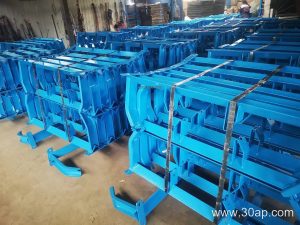
These idlers appear in troughing sets, transition sets, return sets and impact sections. A three-roll troughing set on a 650mm or 800mm belt may use several 6204 bearing idlers, while a return set uses a single flat roll. In a coal mining conveyor or a limestone crushing circuit, dust and moisture are constant, so seal quality matters as much as bearing size. The same roller family also turns up in sand and gravel plants, power station coal handling, and fertilizer or grain facilities where moderate loads and continuous running are normal.
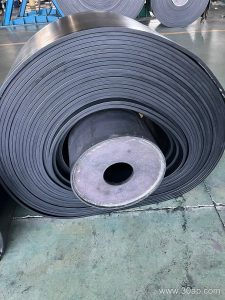
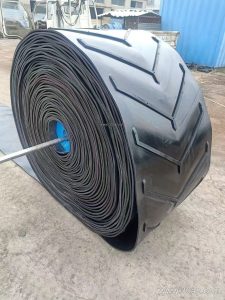
The belt itself influences the choice. A heavy abrasion resistant conveyor belt running at high tension asks more of every roller than a light fabric core belt on a short run. Matching the idler to the belt width and speed is part of the design, not an afterthought.
Sizes and Common Combinations
The table below shows reference values only. Actual roller length and shaft size are set by the conveyor designer.
| Item | Common reference values |
|---|---|
| Bearing | 6204 |
| Roller diameter | Ø63, Ø76, Ø89, Ø102, Ø108, Ø127, Ø133 |
| Belt width | B500, B650, B800, B1000, B1200, B1400 |
| Trough angle | 20°, 30°, 35°, 45° |
| Roller length, three-roll set | about 200 mm at B500, 250 mm at B650, 315 mm at B800, 380 mm at B1000, 465 mm at B1200 |
Side rolls and centre rolls can differ in length, and a 6204 bearing does not lock the roller to one diameter or one belt width. Treat every figure as a starting point for discussion with the supplier.
Selection Points for Buyers
Start with the duty: tonnage per hour, belt speed, lump size and the presence of water or chemicals. Then confirm the roller diameter, the bearing series and the seal type. Ask how the shaft is retained and whether the end cap is removable for relubrication. On a long overland conveyor or a steel cord conveyor belt route, idler drag adds up, so low-friction sealing and true-running shells pay back over time.
Check that the roller length matches the actual belt width and trough angle, and confirm the bracket spacing on the conveyor bracket or frame. A roller that is correct on paper but wrong at the mounting hole causes belt tracking problems that are hard to trace later.
Maintenance and Replacement
Seized or noisy rollers are usually caught during a walk-by inspection. Listen for squealing, watch for a belt that wanders, and check for a hot bearing housing after shutdown. Replace a failed 6204 bearing idler with the same diameter, length and bearing series, and keep a small stock of the most-used sizes on site. In dusty operations such as a coal preparation plant or an ore stockyard, cleaning around the idler frame reduces the chance of fines packing into the seal.
For more on belts, rollers and pulleys, visit conveyorbelting.top and check the idler roller section before ordering. A few minutes spent confirming bearing number, shell diameter and mounting dimensions avoids a costly mismatch on the conveyor line.