What a Coal Mine Conveyor Pulley Does
A coal mine conveyor pulley is the rotating drum that transfers motion and tension to the belt in a coal handling or underground transport system. In a typical coal preparation plant or a drift conveyor at a mine, this drum is the point where the drive motor’s torque becomes belt movement. The same component also sets the belt path at the head, tail, and take-up positions, which makes it one of the most heavily loaded parts on the whole conveyor.
Because coal dust, moisture, and fines are constant companions underground and in wash plants, the pulley must combine a strong shell, a reliable shaft connection, and a lagging surface that keeps grip without polishing the belt cover. Buyers often search for a coal mine conveyor pulley by position, for example head pulley, tail pulley, or take-up pulley, and the position determines the design far more than the belt width alone.
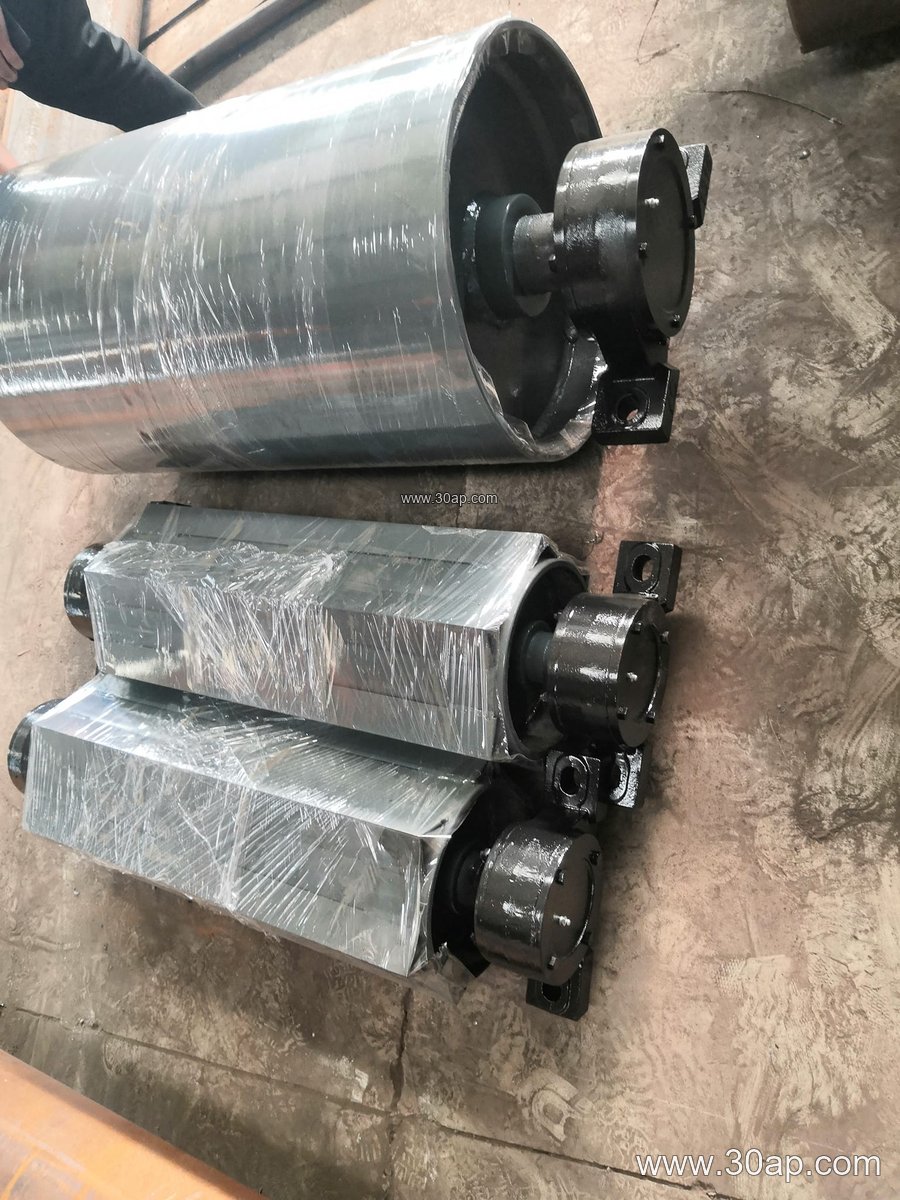
How the Drum Is Built
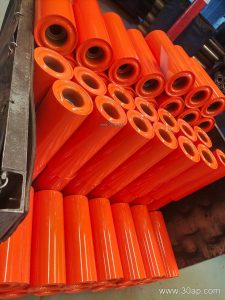
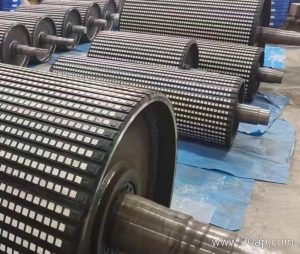
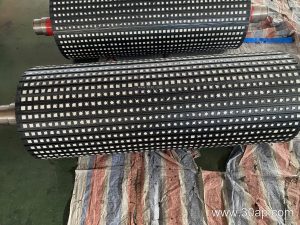
Most units use a welded steel shell with end discs, a through shaft, and bearing housings mounted on a sturdy frame. The shell is machined to reduce runout, and the lagging is applied either as vulcanized rubber, cold-bonded rubber, or ceramic tiles depending on grip and wear requirements. Dust protection matters in coal service: labyrinth seals and grease-filled bearing cavities are common because fine coal particles can enter plain bearings quickly.
Key structural choices include shell thickness, disc arrangement, and the shaft-to-hub connection. A heavy-duty mining conveyor pulley may use a shrink-disc or keyed hub so the shaft can be replaced without cutting the shell. Shaft diameter is set by torque and radial load, not by belt width, so a B800 drum and a B1200 drum can share a shaft size if the duty is similar, while two B1000 pulleys on different conveyors may use very different shafts.
Positions and Subtypes Are Not Interchangeable
Drive pulleys, tail pulleys, and bend pulleys each do a different job and should never be treated as replacements for one another. The drive or head pulley carries the highest torque and usually receives the thickest lagging. The tail pulley guides the belt at the loading end and often works with a skirted conveyor belt or a corrugated sidewall conveyor belt where material is fed. Bend and take-up pulleys redirect the belt and maintain tension, so they are lighter but still need accurate alignment.
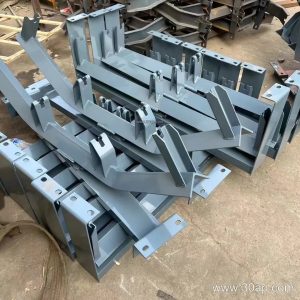
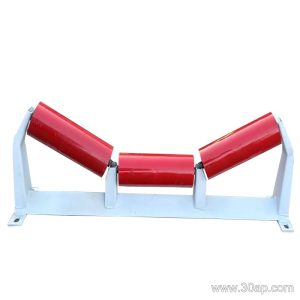
For comparison only, a snub pulley might be added to increase wrap angle on a drive drum, but it does not replace the drive pulley itself. Equipment such as idler rollers, conveyor brackets, and the conveyor belt all interact with the drum, and misalignment between them causes edge wear and tracking faults.
Common Reference Dimensions
The table below lists typical reference values, not fixed matching rules. Final sizes are confirmed by the conveyor designer.
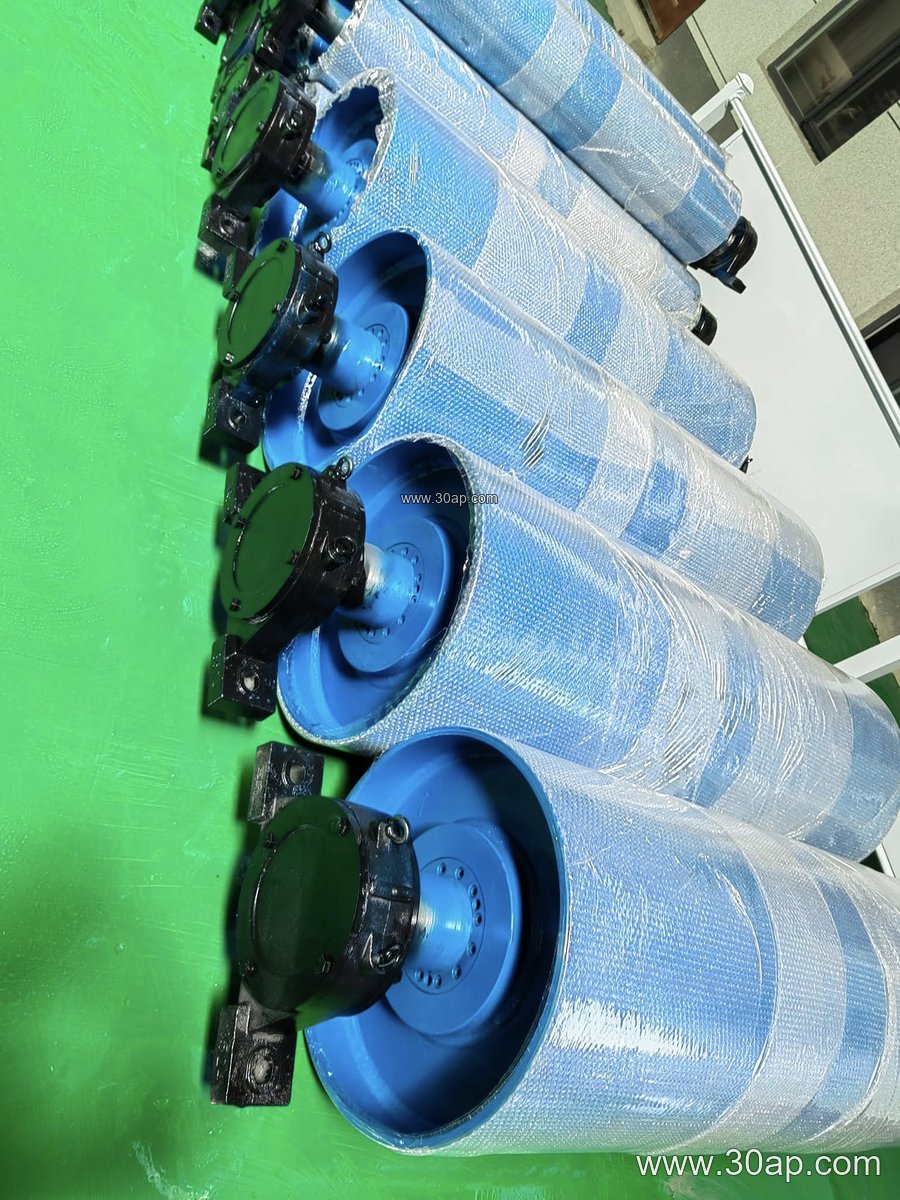
- Belt width B400 to B2400, with drum face width usually 100 to 200 mm wider than the belt.
- Diameter from Ø200 to Ø1800 depending on tension and wrap angle.
- Lagging thickness commonly 8, 10, 12, 15, or 20 mm.
- Shaft diameter commonly Ø50 to Ø200, set by torque and bearing load.
| Belt width | Typical face width | Example combination |
|---|---|---|
| B650 | about 750 mm | B650 x Ø400 tail pulley |
| B800 | about 950 mm | B800 x Ø500 bend pulley |
| B1000 | about 1150 mm | B1000 x Ø630 drive pulley |
| B1200 | about 1400 mm | B1200 x Ø1000 head pulley |
| B1400 | about 1600 mm | B1400 x Ø800 take-up pulley |
| B1800 | about 2000 mm | B1800 x Ø1250 drive pulley |
These pairings are examples only. A single belt width can be matched with several drum diameters, and the correct choice depends on belt tension, speed, and available space.
Surface Options for Coal Duty
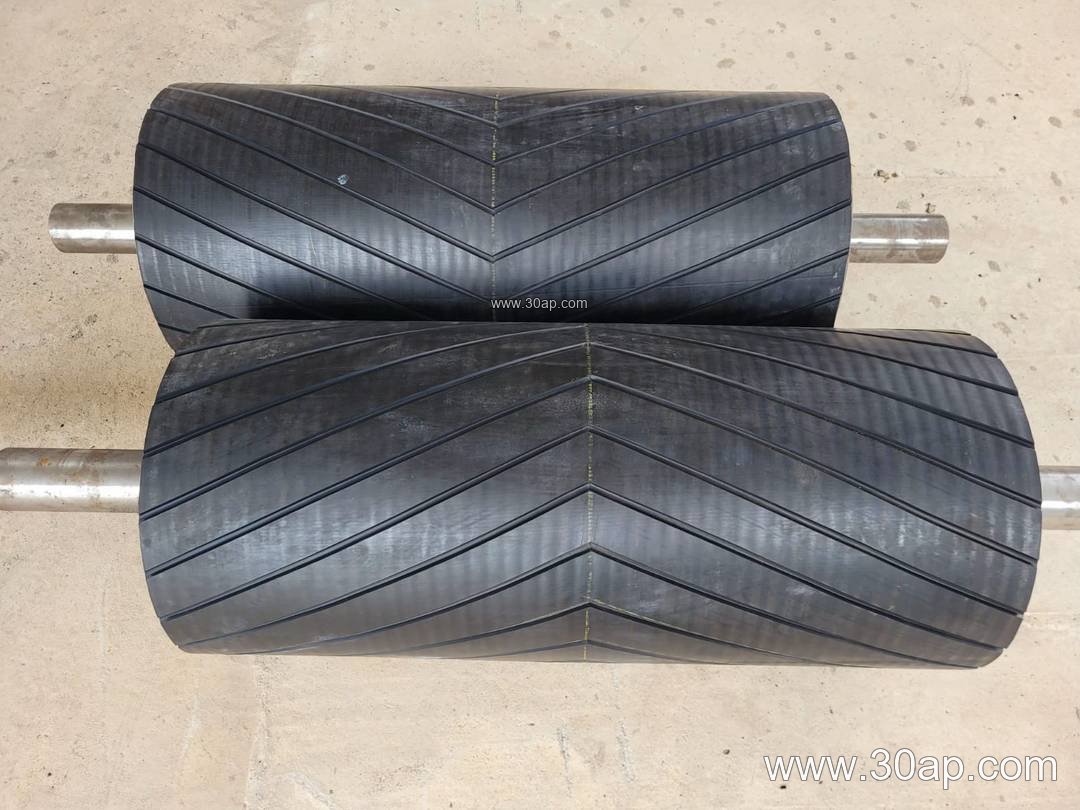
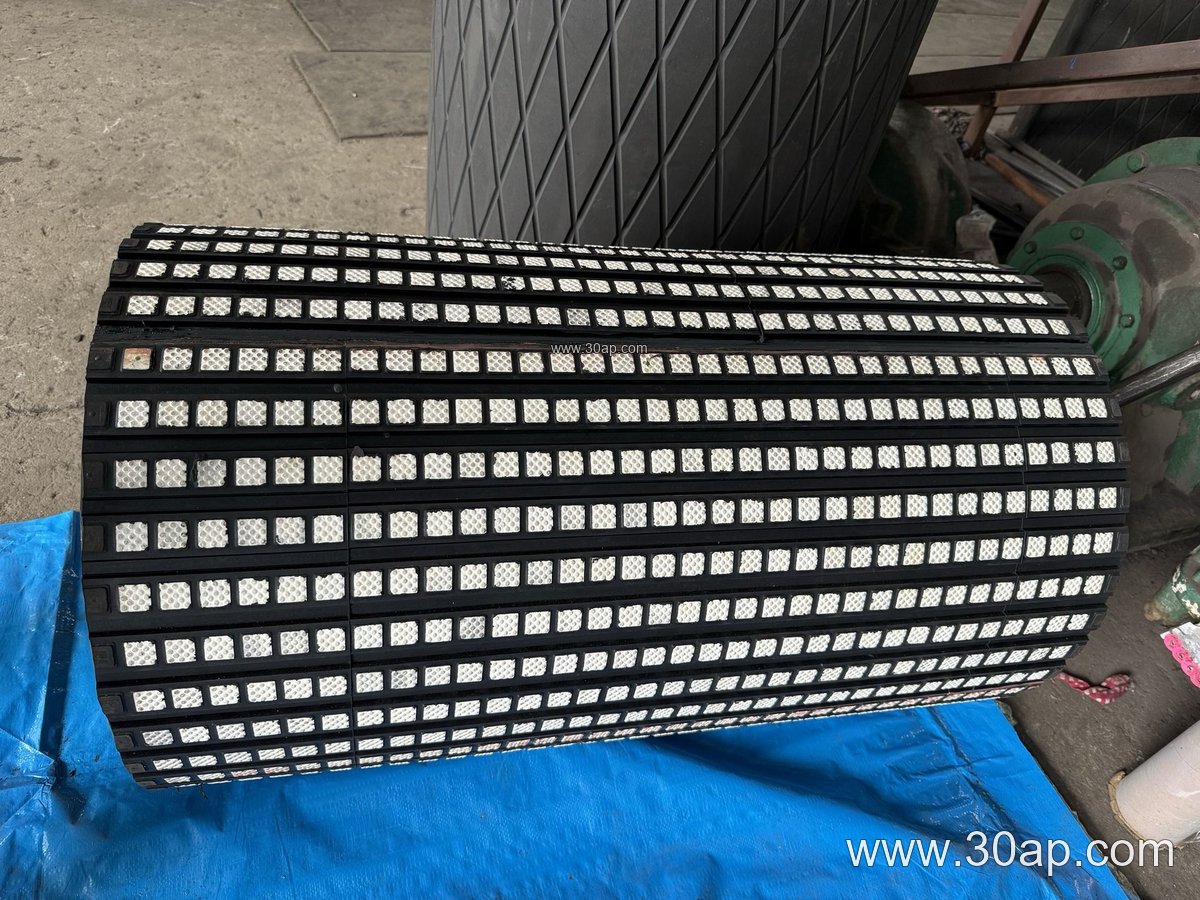
Lagging selection is where coal mine conveyors differ most from general bulk handling. Plain finish is used on some bend pulleys where grip is not critical. Diamond lagging improves water shedding in wash plants, while herringbone grooves help centering on long downhill runs. Ceramic lagging suits high-torque drive pulleys in coal preparation plants where slip would quickly damage the belt cover. Rubber lagging at 10 to 15 mm is a common middle ground.
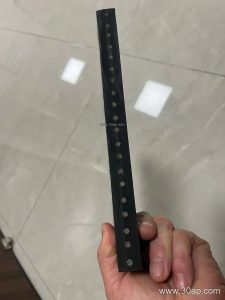
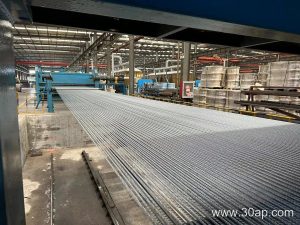
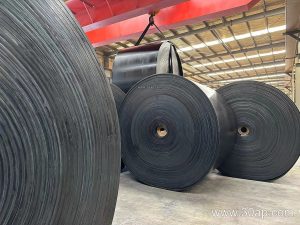
The belt itself must be considered. A flame retardant conveyor belt or fire resistant conveyor belt is standard underground, and a PVG conveyor belt or PVC mining conveyor belt is frequently used in coal faces. An abrasion resistant conveyor belt and an anti-static conveyor belt reduce wear and static risk. Where coal is carried over long distances, a steel cord conveyor belt or an EP conveyor belt may run over the same drum family, so lagging hardness should suit the cover compound.
Buyer Checklist
- Confirm position: drive, tail, take-up, or bend, and state the function clearly.
- Provide belt width, belt type, speed, and expected tension so the drum and shaft can be sized together.
- Specify lagging type and thickness, plus whether grooving or ceramic tiles are needed.
- Ask about bearing sealing for dust and water, especially in underground mining conveyor systems.
- Check face width, balance grade, and mounting dimensions against the conveyor bracket layout.
- Plan inspection intervals for lagging wear and bearing grease, since coal fines accelerate both.
Whether the installation is a limestone quarry, an iron ore line, or a power plant coal yard, the same principle applies: match the drum to the duty, not to a catalogue habit. For related belt and component enquiries, visit conveyorpulley.net for coal mine conveyor pulley information and belt options such as Rubber Conveyor Belt, EP Conveyor Belt, and Flame Retardant Conveyor Belt.