What a 600mm Conveyor Belt Is
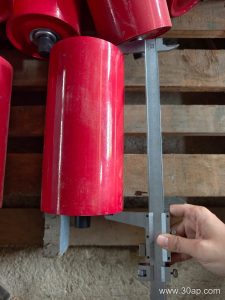
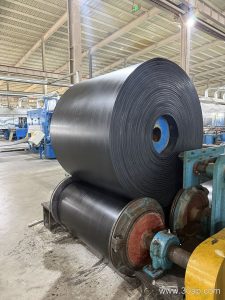
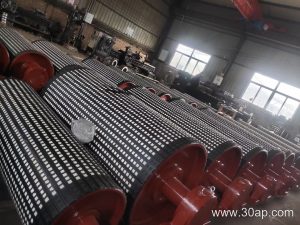
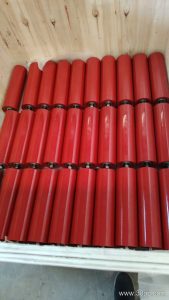
A 600mm conveyor belt is a belt with a nominal width of 600 millimeters, widely written as B600. It sits in the light-to-medium width range: wider than a 500mm belt, narrower than a 650mm or 800mm belt. In practice, this width is common on short transfer conveyors, secondary crushing lines, screening plants, batching systems and underground galleries where space is tight. The belt itself is only one part of the machine; it runs over a conveyor pulley at each end, is supported by idler rollers along the carry side, and is held in line by the frame and conveyor brackets.
The width is a dimension, not a specification. Two belts at 600mm can differ completely in carcass, cover grade and strength. That is why buyers should treat “600mm” as the starting point and then define the construction.
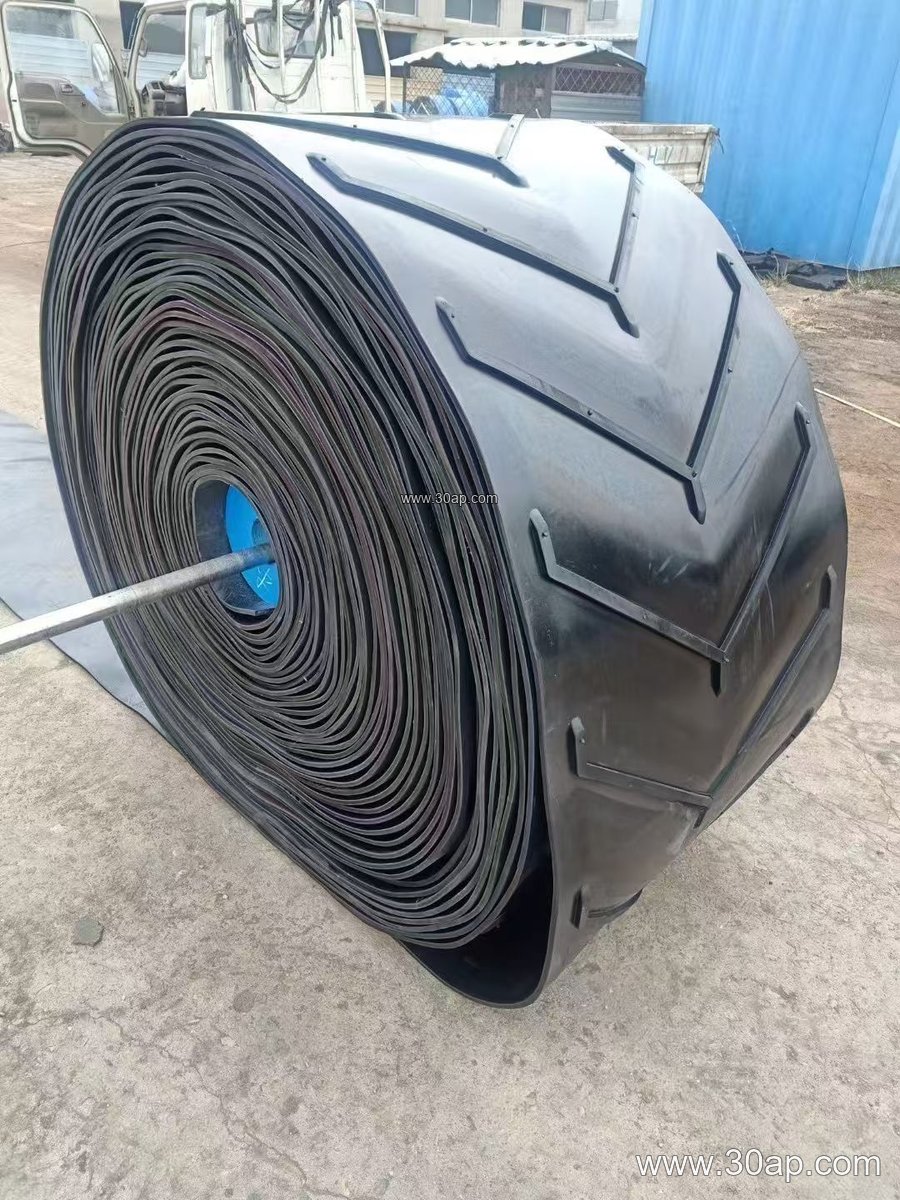
How the Belt Is Built
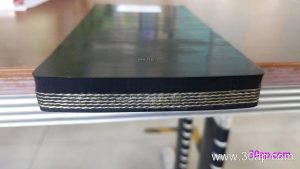
Most 600mm belts are fabric-cored or steel-cord construction. The carcass carries the tension, while the rubber covers protect it from abrasion, impact, heat, oil or fire risk. Common carcass options include EP (polyester-nylon) fabric, NN nylon fabric and steel cord. A multi-ply fabric core is often used at this width because it balances flexibility with load support on relatively small pulleys.
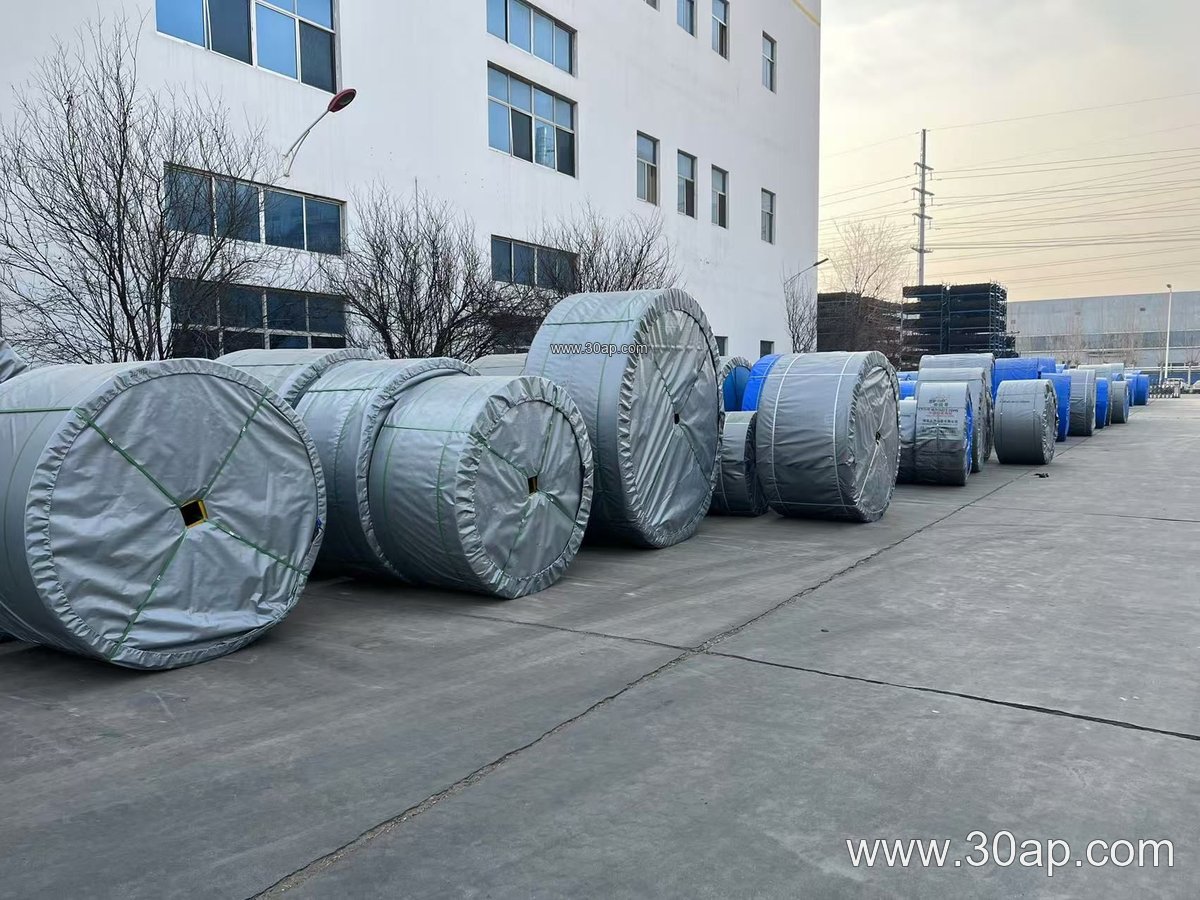
Cover thickness is usually stated as top plus bottom, for example 4+2 mm or 5+2 mm. Heavier duty service may call for 6+2 mm or 8+3 mm. The right combination depends on lump size, drop height, belt speed and the material being carried, so it should be confirmed with the conveyor designer rather than assumed.
| Item | Common Options for 600mm Belts | Notes |
|---|---|---|
| Belt width | B600 (600 mm) | Adjacent widths include B500, B650 and B800 |
| Carcass type | EP fabric, NN fabric, steel cord | Selected by tensile requirement |
| Strength grade (EP) | EP200, EP315, EP400, EP500, EP630 | Higher grades for longer or loaded runs |
| Strength grade (NN) | NN100, NN200, NN300 | Nylon carcass, good flexibility |
| Cover thickness | 3+1.5, 4+2, 5+2, 6+2 mm | Top + bottom cover |
| Ply count | 2 to 6 plies | By design and load |
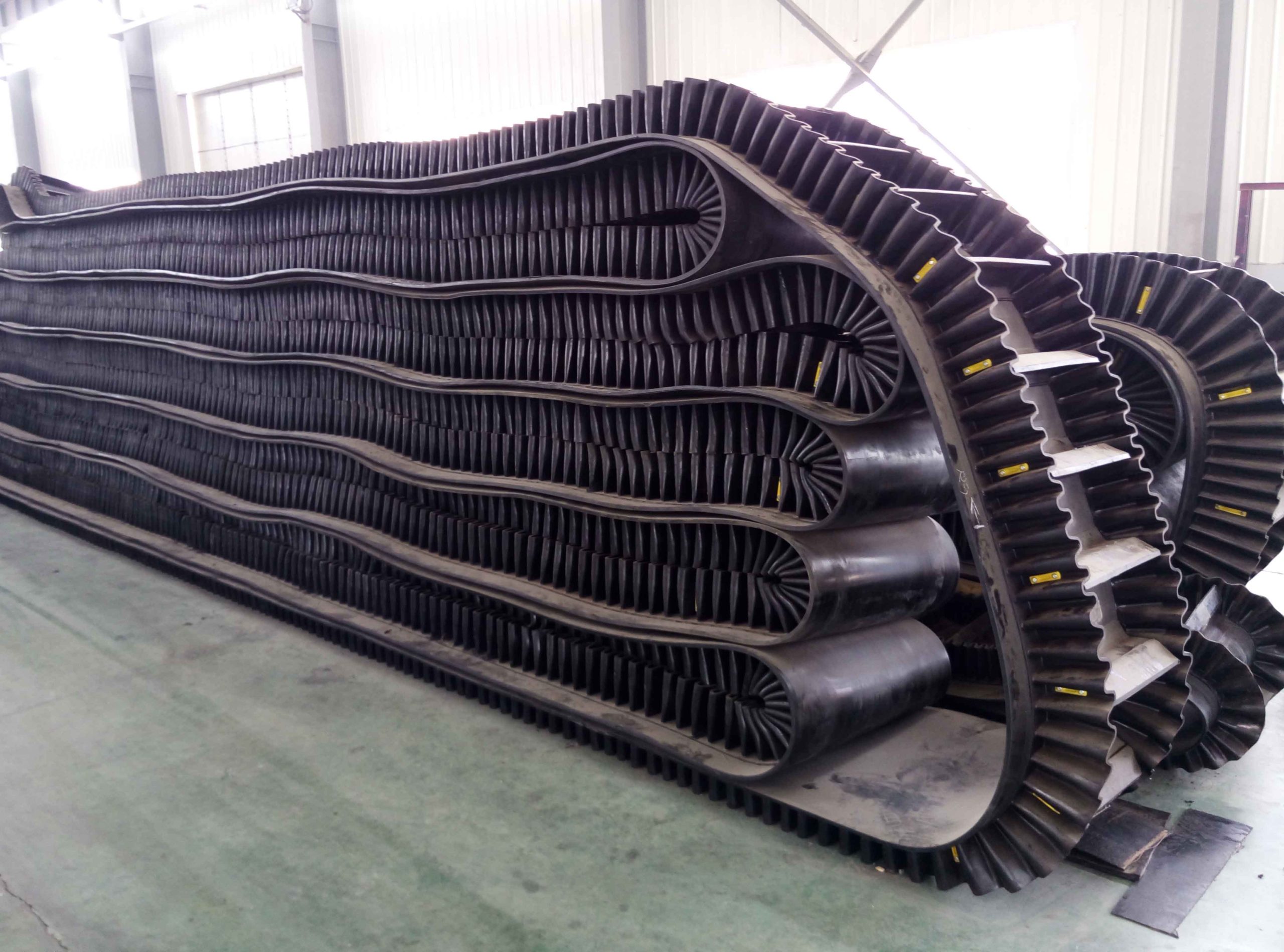
| Surface form | Smooth, chevron, corrugated sidewall, skirted | For incline or material containment |
Where This Width Fits
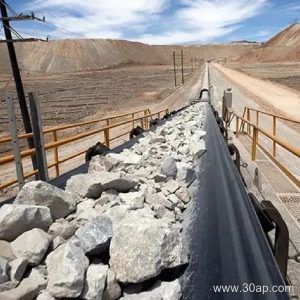
In a quarry or sand and aggregate plant, a 600mm belt frequently appears on screen feed and return lines, transfer points and small stockpile conveyors. In a cement plant it may handle clinker dust, limestone fines or additive dosing. Power plants use similar widths for ash and coal handling on auxiliary runs. In mining, a 600mm conveyor belt can serve as a gathering belt in narrow headings or as a short haulage unit, where a flame retardant or anti-static grade may be required for underground service.
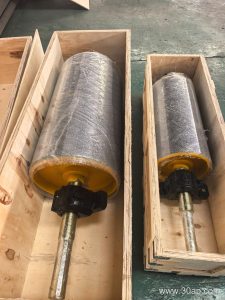
Because the belt is relatively narrow, it tolerates tighter transitions and smaller head and tail pulley diameters than a 1200mm or 1400mm belt. However, no fixed pulley diameter follows from width alone. Drive, tail and bend pulleys each have their own sizing rules, and they are not interchangeable parts. The belt manufacturer’s minimum pulley recommendation and the actual tension calculation should both be respected.
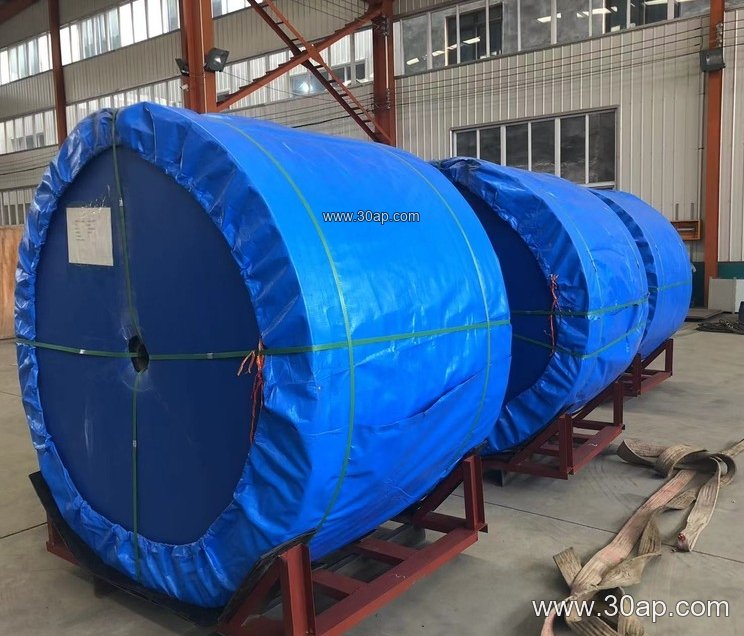
Choosing the Right Construction
Start with the material. Sharp, heavy rock calls for a high abrasion resistant cover, possibly an impact resistant grade at the loading point. Hot material such as clinker or sinter needs a heat resistant belt. Coal and underground work usually point to flame retardant and anti-static properties. Grain, food or recycling lines may need a food grade or oil resistant cover. Cold climates may justify a cold resistant compound.
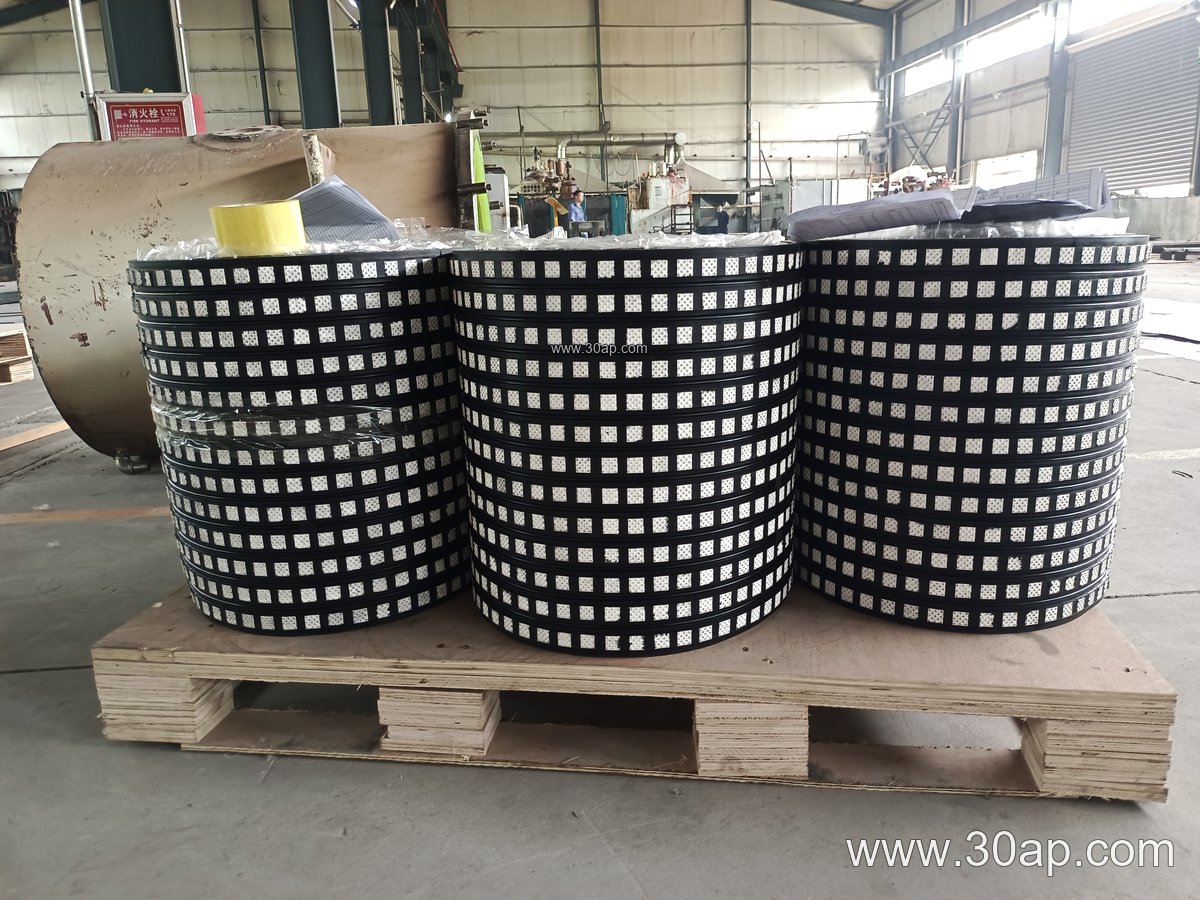
Then look at the duty. A short, lightly loaded run may be well served by an EP200 or EP315 belt with 4+2 mm covers. A longer incline carrying dense ore might need EP630 or a steel cord design. For steep inclines, a chevron pattern or a corrugated sidewall belt with cleats can prevent rollback and spillage. For dusty, enclosed transfers, a skirted belt helps contain the load.
Finally, confirm the interface details: belt edge condition, splice type, whether an endless belt is preferred, and the pulley and idler roller arrangement. A 600mm belt running on misaligned idlers will edge-damage quickly, so alignment and training matter as much as the belt specification.
Installation and Maintenance Notes
- Check pulley alignment and idler roller squareness before tensioning the belt.
- Keep loading centered; off-center feed is a common cause of edge wear on narrow belts.
- Inspect splices regularly, especially on high-tension fabric or steel cord belts.
- Match the belt grade to the environment rather than upgrading covers without need.
- Record cover wear and re-tension according to the conveyor maker’s instructions.
For buyers sourcing a 600mm conveyor belt, the practical checklist is simple: confirm width, carcass type, strength grade, cover thickness, surface form and any special property such as heat, oil, flame or abrasion resistance. Get the pulley and idler data from the conveyor side, and ask the belt supplier to confirm compatibility. For more conveyor belt, idler roller and conveyor pulley references, visit zhongyitransmission.com and review the technical pages before ordering.