What a Five-Roll Idler Bracket Does
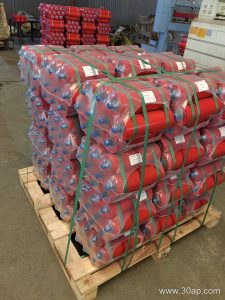
A five-roll idler bracket is a conveyor support frame that holds five idler rollers in a single station. Instead of the usual three-roll trough set, it uses a wider arrangement: typically two outer rolls, two intermediate rolls, and one center roll. This spreads the belt load across more contact points, which helps on wide belts and heavy bulk streams. The bracket itself is a fabricated steel structure, often made from angle or channel sections, with mounting slots that accept standard idler shafts.
In a quarry conveyor or a cement plant clinker line, the extra rolls reduce point loading on the conveyor belt and can improve belt tracking where material is not centered. The five-roll idler bracket is not a pulley or a drive component; it belongs to the idler station family, alongside three-roll trough brackets and return brackets.
Construction and Mounting
Most five-roll brackets are built from bent steel plate or welded channel. The frame has a base that bolts to the conveyor stringer, and the roll seats are angled to form a deep trough. Typical trough angles for five-roll sets range from 35 to 45 degrees, and some designs allow adjustment between 30 and 45 degrees. The center roll usually sits flat or slightly raised, while the outer rolls carry the belt edges.
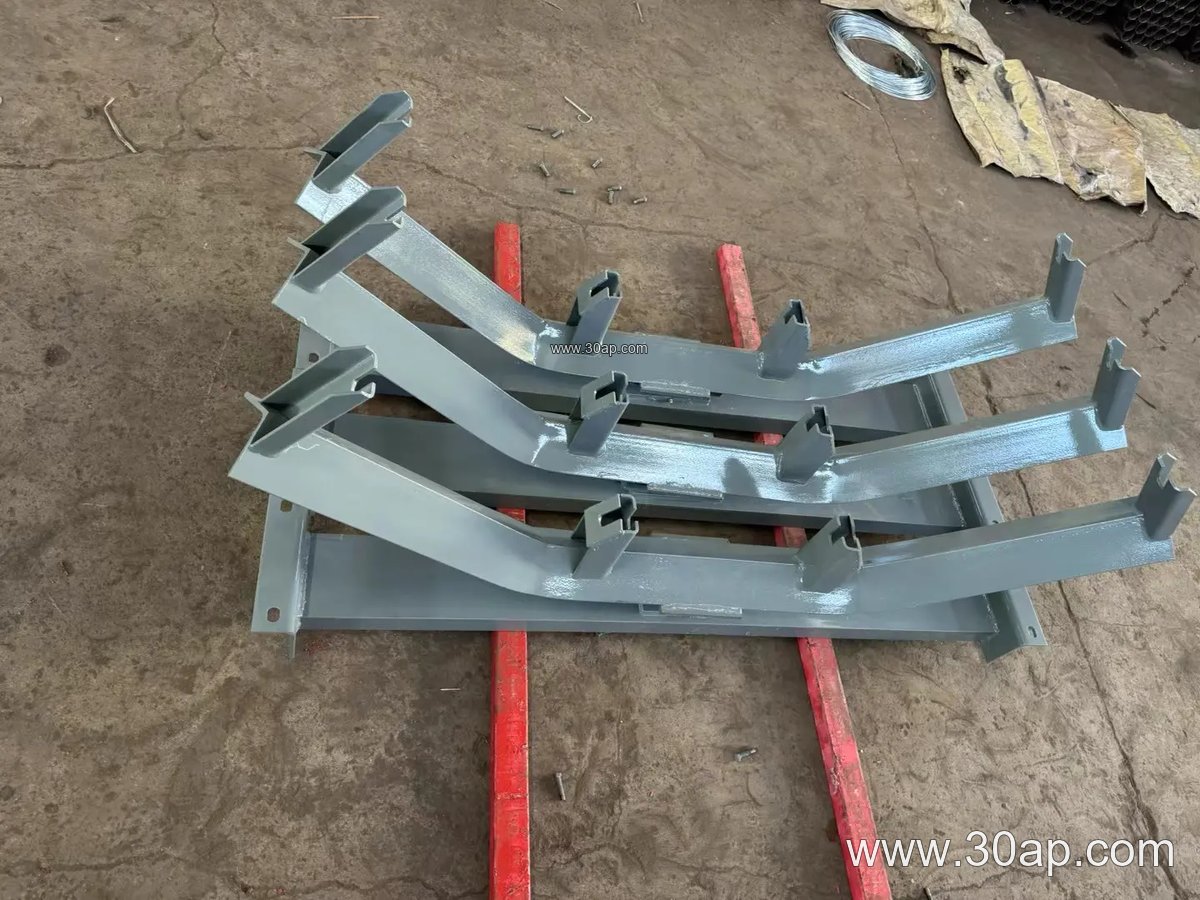
- Frame material: angle steel, channel steel, or folded plate
- Common belt widths: B1000, B1200, B1400, B1600, B1800, B2000
- Common roll diameters: Ø108, Ø133, Ø159, Ø194
- Mounting: bolted base with slotted holes for alignment
Because the bracket carries five rolls, the crossbeam is longer and heavier than a three-roll version. Buyers should confirm the mounting hole spacing and beam length against the conveyor stringer drawing, since these dimensions change with belt width and trough angle. A B1200 five-roll bracket with 45-degree trough is not the same frame as a B1200 three-roll bracket.
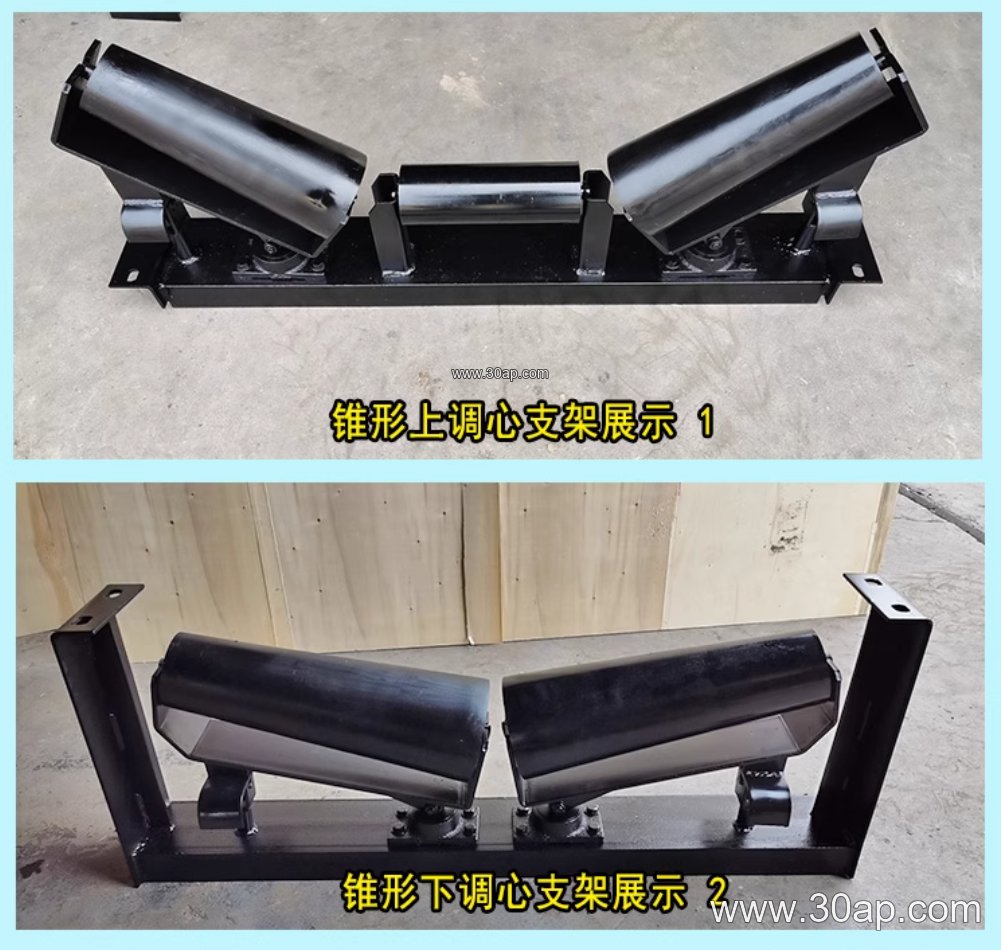
Where It Fits in the Conveyor Line
Five-roll idler brackets are common in mining conveyor systems, coal mining conveyor lines, and power plant coal handling. They are also used in aggregate conveyor belts and iron ore conveyor belts where belt widths exceed 1400 mm and the material load is high. On a long overland conveyor carrying heavy-duty mining conveyor belt, the five-roll station can reduce belt sag between idlers and lower the risk of edge damage.
They are less common on small package handling lines. For a 650 mm wide belt, a three-roll bracket is usually enough. The five-roll design earns its place when the belt is wide, the material is abrasive, or the conveyor runs at high tension. In a limestone mine or a copper ore conveyor, the extra roll contact can extend belt life compared with a standard three-roll trough.
Selecting the Right Bracket
Selection starts with belt width and the required trough angle. A B800 belt may use a 30-degree five-roll bracket, while a B1600 belt often uses 35 or 45 degrees. Roll diameter should match the idler series used elsewhere on the conveyor; mixing Ø133 and Ø159 rolls in the same station is not recommended unless the bracket is designed for it.
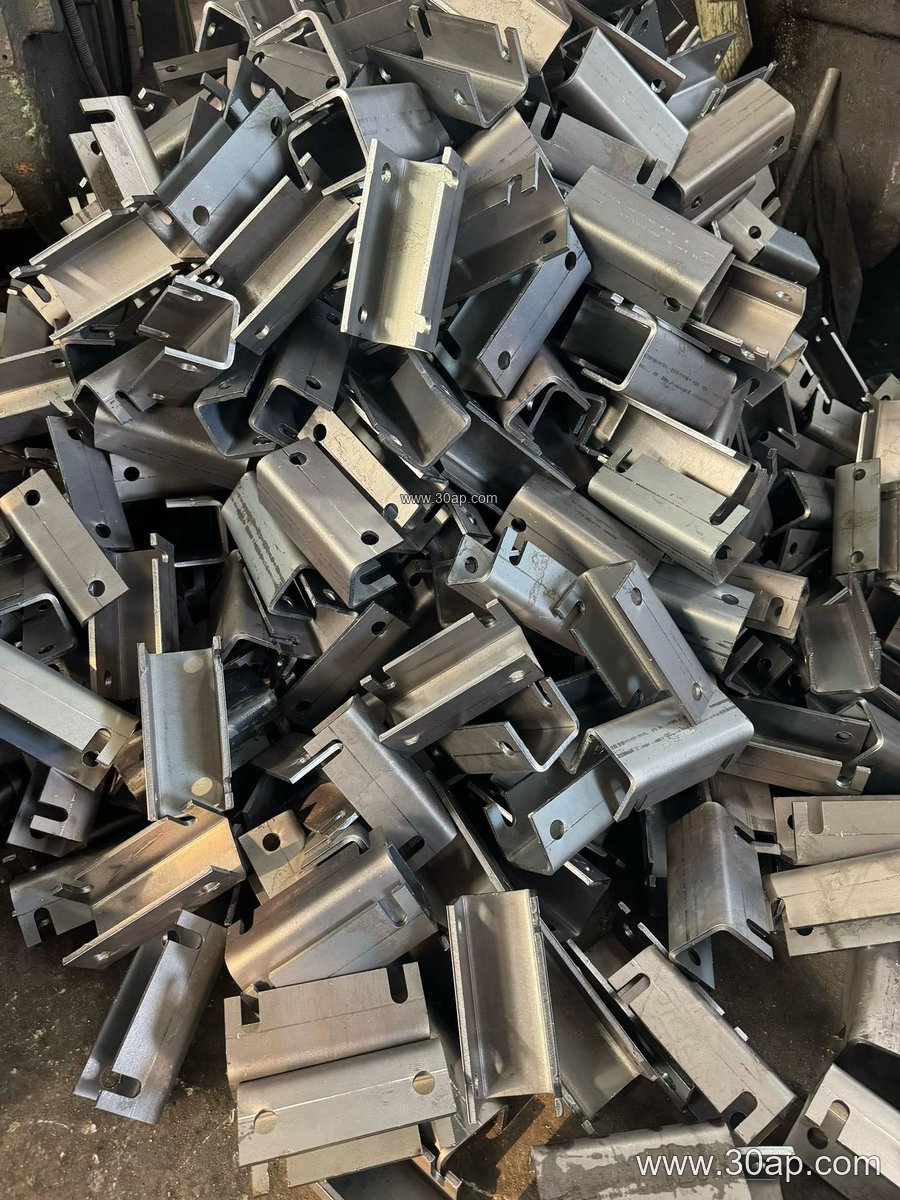
Buyers should also check the belt type. A steel cord conveyor belt or a heavy-duty EP conveyor belt may need a stronger bracket frame than a lightweight fabric core belt. For flame retardant conveyor belt used in underground coal mining, the bracket should be compatible with the fire-resistant idler rolls and the mine’s support standards. The five-roll idler bracket does not replace the conveyor pulley at the drive or tail; it works with the idler rollers to support the belt between those points.
Maintenance and Buyer Checks
Inspect the bracket for bent roll seats and worn mounting holes during routine idler replacement. A five-roll station has more rolls to check, so keep spare rolls on hand. Confirm that the bracket’s trough angle matches the belt’s rated edge angle; a mismatch can cause belt edge wear or material spillage.
Ask for a dimensional drawing before ordering. The drawing should show belt width, trough angle, roll diameter, mounting hole spacing, and overall beam length. For a B1400 or B1800 conveyor, these details matter more than a generic size label. A well-matched five-roll idler bracket helps the conveyor belt run straighter and last longer in demanding bulk material service.