Where the Galvanized Conveyor Bracket Fits on the Line
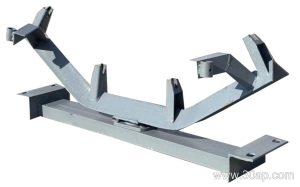
A galvanized conveyor bracket is the steel support that holds the idler roller in place and keeps the conveyor belt at the intended troughing angle. On a quarry conveyor or a cement plant transfer house, dust, wash-down water and humid air attack plain painted steel quickly. Hot-dip galvanizing gives the bracket a zinc layer that resists this everyday exposure and keeps the mounting faces sound. The bracket itself does not carry the load; it positions the idler so the belt runs true and the material stays centred.
How the Bracket Is Built
Most brackets are fabricated from angle steel, channel steel or folded plate. Slotted holes and adjustable arms allow field alignment, while welded gussets stiffen the corners. After fabrication, the part is pickled, fluxed and dipped in molten zinc, so the coating covers edges and weld seams as well as flat faces. Buyers should check coating thickness, hole spacing and weld quality before delivery, because a bracket that sits out of square will tilt the idler and cause belt tracking problems.
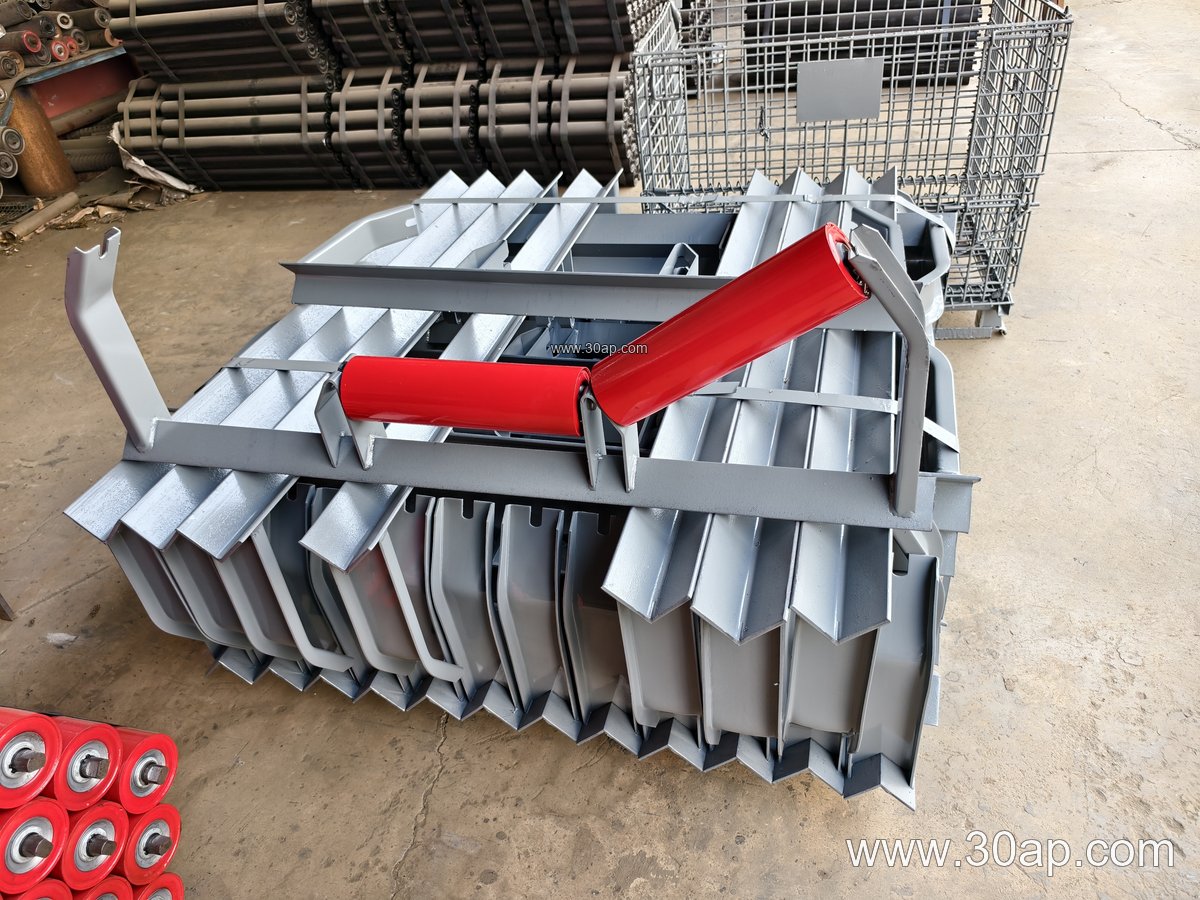
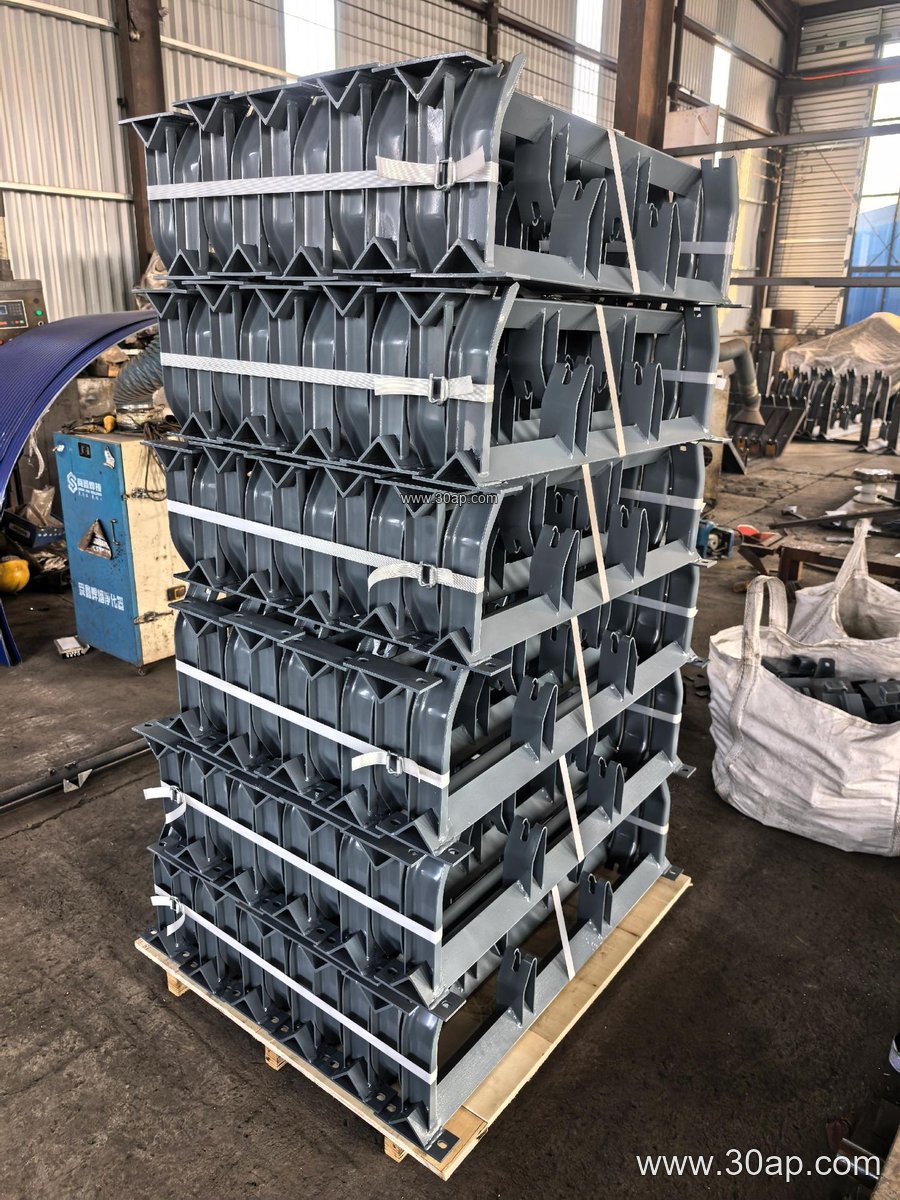
- Material options: angle steel, channel steel, folded plate
- Surface: hot-dip galvanized, sometimes with a secondary paint coat
- Common trough angles: 20, 30, 35 and 45 degrees; adjustable versions move between these
- Forward tilt for training brackets: usually about 1.5 to 2 degrees
Common Bracket Types and Where They Sit
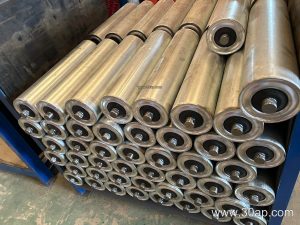
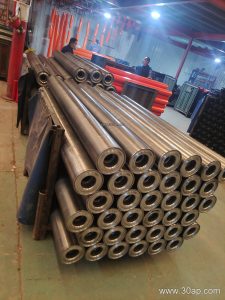
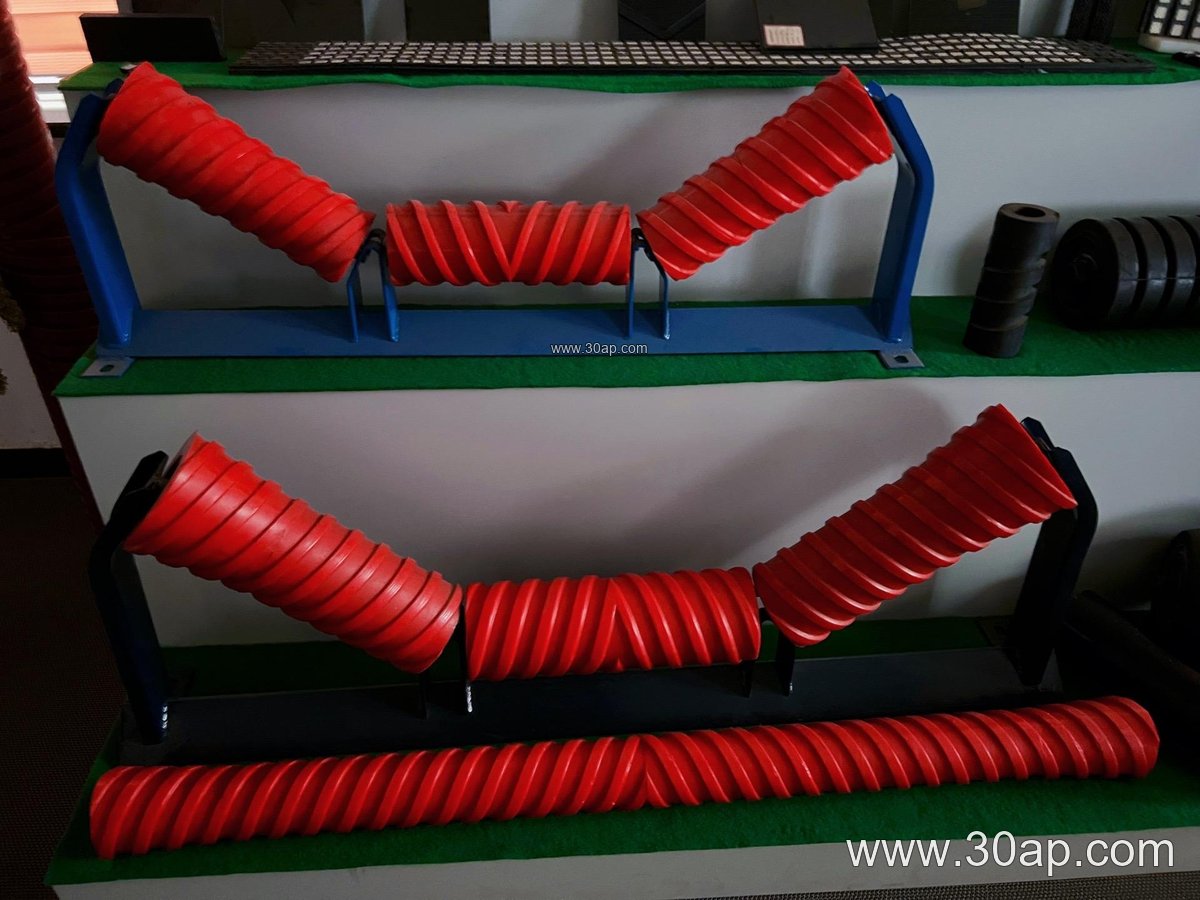
On the carrying side, troughing brackets hold three-idler sets in a trough shape, while transition brackets ease the belt from flat to troughed at the head and tail. On the return side, flat return brackets and V-return brackets support the empty strand. Impact brackets sit under loading points, and self-aligning or forward-tilt brackets help correct belt wander. A galvanized conveyor bracket is often chosen for these positions in a crusher conveyor or a power plant coal handling line, where the structure must survive grit and moisture without frequent repainting.
Reference Dimensions Often Seen
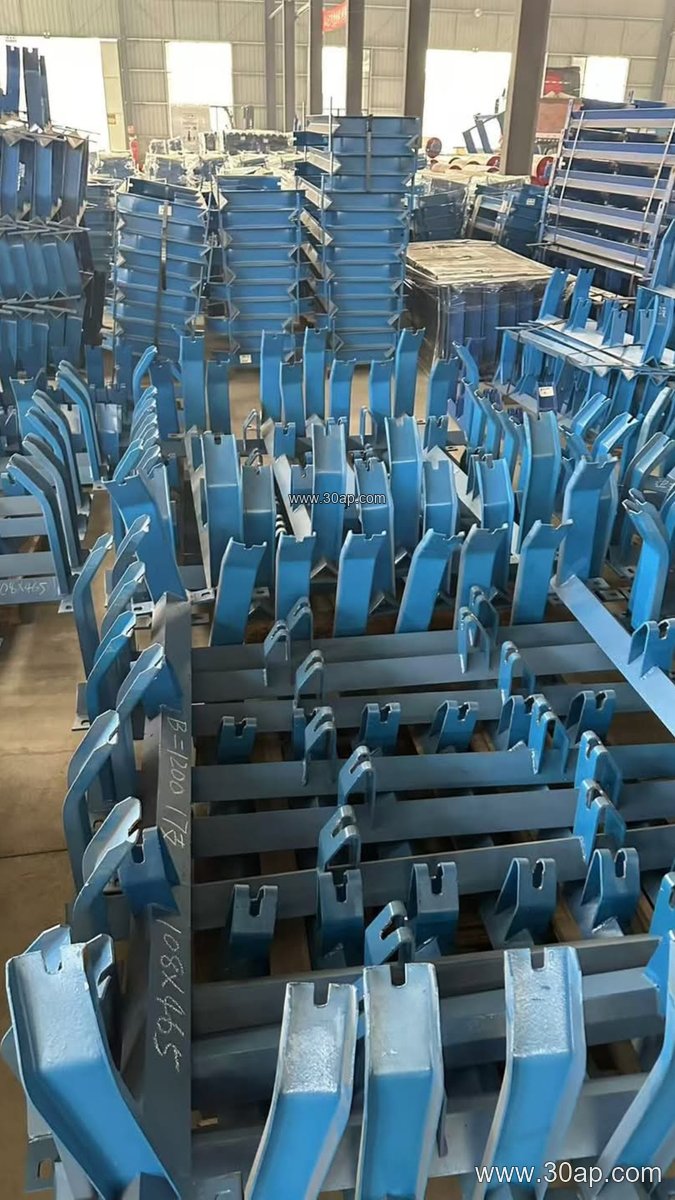
The table below gives typical combinations used in design discussions. These are reference values, not a fixed rule; the final arrangement follows belt width, load and pulley layout.
| Belt Width | Typical Trough Angle | Common Idler Diameter |
|---|---|---|
| B500 / B650 | 20 or 30 degrees | Ø89 |
| B800 | 30 or 35 degrees | Ø108 |
| B1000 | 35 degrees | Ø108 or Ø133 |
| B1200 | 35 or 45 degrees | Ø133 |
| B1400 / B1600 | 35 or 45 degrees | Ø133 or Ø159 |
| B1800 / B2000 | 35 or 45 degrees | Ø159 or Ø194 |
Installation hole spacing and crossbeam length change with belt width and trough angle, so the bracket should be ordered against the actual idler drawing, not guessed from a single dimension.
Applications Across Dusty Industries
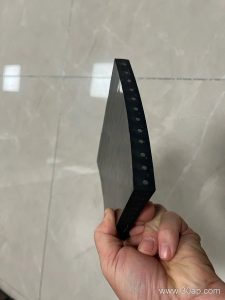
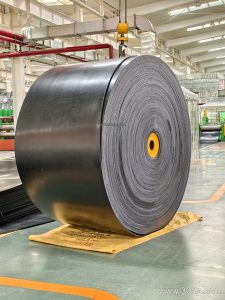
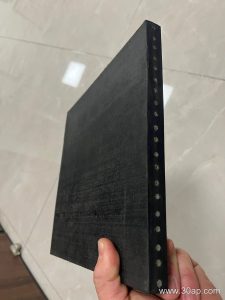
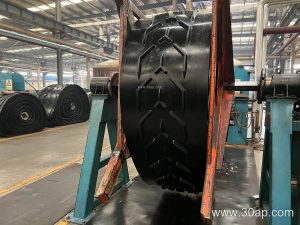
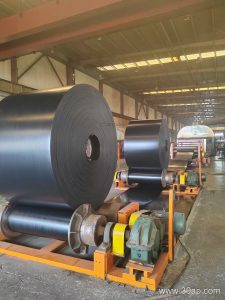
Galvanized brackets appear in stone crushing and screening plants, aggregate yards, iron ore handling, sinter plants and fertilizer stores. In a coal mining conveyor line, flame retardant conveyor belt and anti-static conveyor belt are common belt choices, and the bracket must match the idler frame used there. A steel cord conveyor belt on a long overland run needs stable bracket alignment to protect the belt edges, while a chevron conveyor belt on an incline benefits from brackets that keep the trough consistent through the climb. The same support logic applies to a fabric core conveyor belt or an EP conveyor belt on a shorter transfer.
Related equipment includes the conveyor pulley at the drive and tail, the conveyor bracket under each idler set, and the conveyor belt itself. When a bend pulley or a tail pulley is relocated during a upgrade, the brackets near the transition should be re-checked for square and height.
What a Buyer Should Confirm
- Belt width and trough angle, plus the idler diameter the bracket will accept
- Fixed or adjustable design, and whether forward tilt is needed
- Galvanizing standard and coating thickness agreed with the supplier
- Hole pattern matched to the idler frame and stringer spacing
- Quantity per set, since troughing sets usually need two or three brackets
For maintenance, inspect galvanized brackets after heavy wash-down or winter salting, and replace any part with cracked welds or deformed mounting slots. A small bracket problem can wear a heat resistant conveyor belt or an abrasion resistant conveyor belt far faster than expected. More selection notes are available at www.example.com.