What Is a Mining Conveyor Idler?
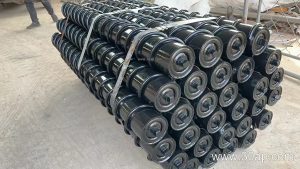
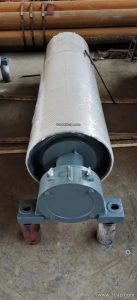
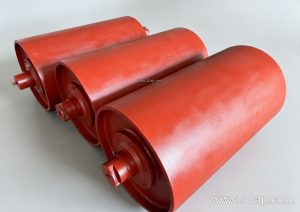
A mining conveyor idler is the rotating component that supports the conveyor belt along its carrying and return runs. In hard-rock mines, coal preparation plants, and aggregate operations, these idlers keep the belt aligned, absorb impact, and reduce friction so the system can move ore, coal, or crushed stone efficiently. The idler roller itself usually consists of a steel shell, bearing housings, a shaft, and seals. The assembly is mounted on a conveyor bracket or frame at regular intervals.
Construction and Common Types
Most mining conveyor idlers use a steel tube shell with welded end caps. The bearing arrangement is typically a deep-groove ball bearing in a sealed housing. Common bearing sizes include 6204, 6205, 6305, 6306, 6308, and 6310, but the bearing is selected based on load and speed rather than a fixed match to one roller diameter. Roller diameters often range from Ø63 mm to Ø219 mm, and belt widths from B400 to B2400 are seen in different plant layouts.
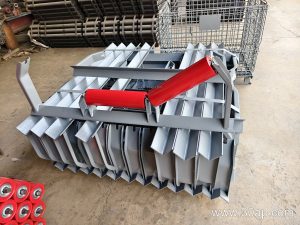
Carrying idlers are frequently arranged in three-roll troughing sets with trough angles of 20, 30, 35, or 45 degrees. Return idlers may be flat or V-shaped. Impact idlers with rubber rings are used under crusher discharge points where lump size is large. Training idlers, including friction and conical types, help correct belt misalignment on long runs. Spiral idlers can reduce material buildup on the return side in sticky conditions.
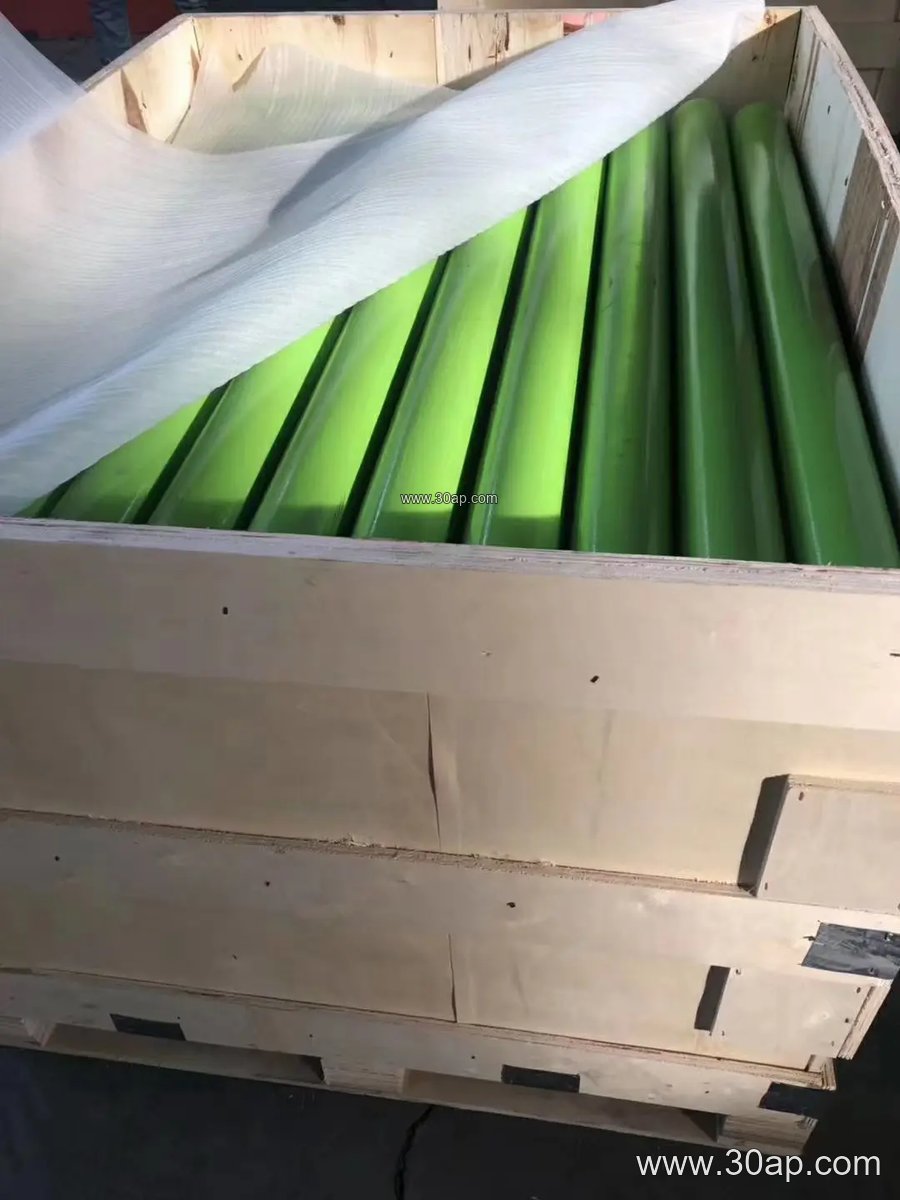
Where Mining Conveyor Idlers Are Used
In a quarry or aggregate line, troughing idlers support the conveyor belt carrying crushed rock from the crusher to the screening plant. In a coal preparation plant, flame retardant and anti-static belt constructions are common, and idlers must handle fine coal dust and occasional washdown. Iron ore and copper ore operations often require heavy-duty idlers with abrasion-resistant shells because the material is sharp and dense. Power plant coal handling and steel plant sinter lines also rely on robust idler sets to maintain continuous flow.
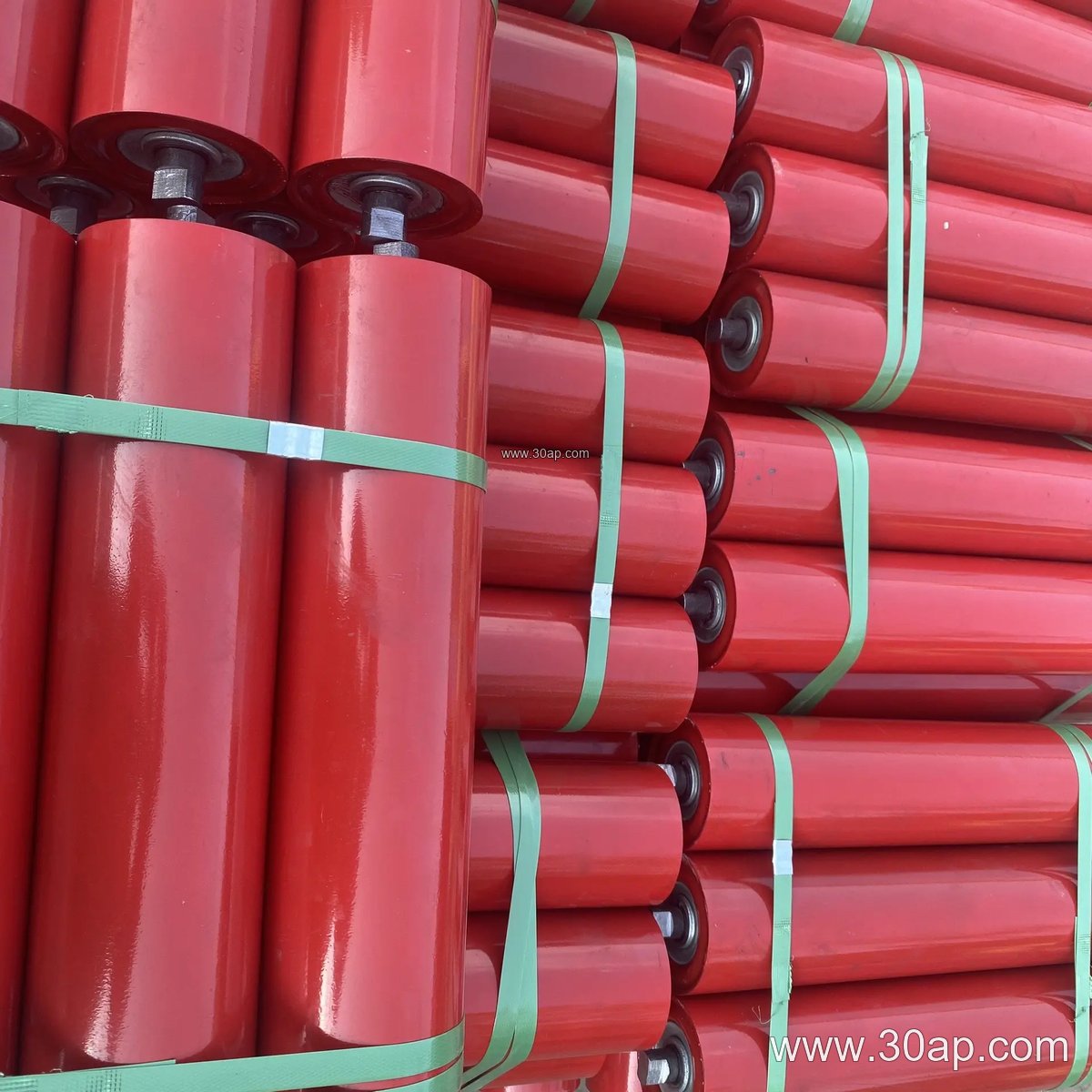
Port loading conveyors and tunnel spoil removal systems use similar idler arrangements, though the belt width and idler spacing are adjusted to the conveyor profile. The idler roller is a wear part, so accessibility for replacement matters as much as initial selection.
Matching Idlers to Belt Width and Trough Angle
Roller length changes with belt width, trough angle, and idler set design. For a three-roll troughing set, common roller lengths are roughly 200 mm for B500, 250 mm for B650, 315 mm for B800, 380 mm for B1000, 465 mm for B1200, 530 mm for B1400, 600 mm for B1600, 670 mm for B1800, and 750 mm for B2000. These are examples, not fixed rules. Side rollers and center rollers can differ, and the final length is determined by the conveyor design. A wider belt does not automatically dictate one pulley diameter or one shaft size.
Buyer Checklist
- Confirm the belt width, trough angle, and idler set configuration before ordering.
- Check the actual load, belt speed, and material lump size to select roller diameter and bearing class.
- For dusty or wet conditions, specify sealed bearings and appropriate surface finish.
- Match the idler shell material to abrasion and corrosion exposure.
- Verify mounting dimensions against the existing conveyor bracket or frame.
- Consider impact idlers at transfer points and training idlers on long conveyors.
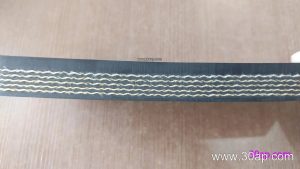
Related equipment such as the conveyor pulley, conveyor bracket, and conveyor belt should be reviewed together, because idler performance depends on the whole conveyor system. A mining conveyor idler that is correctly sized and well sealed will help reduce downtime and belt wear in demanding mining, cement, and power plant environments.