What a Dual Drive Pulley Is
A dual drive pulley, also called a tandem drive pulley, is a conveyor pulley assembly that uses two drive pulleys in series to transmit torque to the conveyor belt. Unlike a single drive pulley, this arrangement splits the total driving force across two pulleys, which reduces the demand on each individual pulley and the belt itself. In high-capacity systems—such as those found in iron ore mines, coal preparation plants, or power station coal handling—the dual drive pulley helps achieve the required tension and traction without overloading a single component.
This type of conveyor pulley is often confused with a tail pulley or a bend pulley, but those serve different roles: the tail pulley is typically a non-drive tensioning point, and a bend pulley changes belt direction without adding power. The dual drive pulley is specifically a driving component, and it may be configured as a head drive or an intermediate drive depending on the conveyor layout.
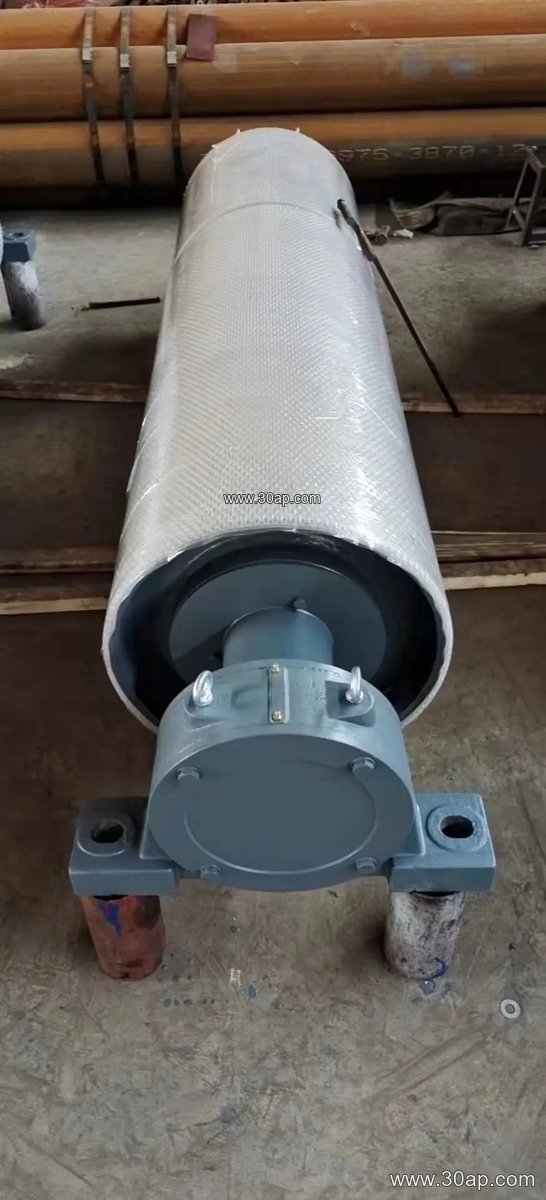
Construction and Key Components
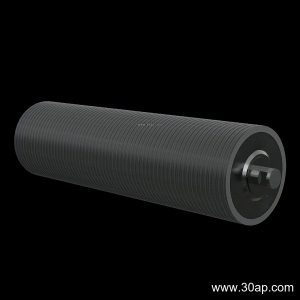
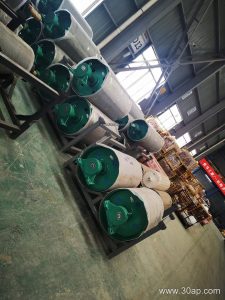
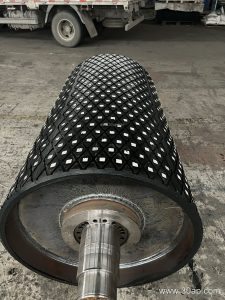
A dual drive pulley assembly generally consists of two pulleys mounted on separate shafts, each with its own bearing housing and drive connection. The pulleys may be plain steel, rubber lagged, or ceramic lagged, depending on the required grip and environmental conditions. Common surface options include diamond grooving, herringbone pattern, and plain rubber lagging in thicknesses of 8 mm, 10 mm, 12 mm, 15 mm, or 20 mm. The pulley shell diameter is selected based on belt tension and torque requirements, with common sizes such as Ø500, Ø630, Ø800, Ø1000, and Ø1250 mm. Shaft diameters are determined by the transmitted torque and load, often ranging from Ø80 to Ø200 mm or more.
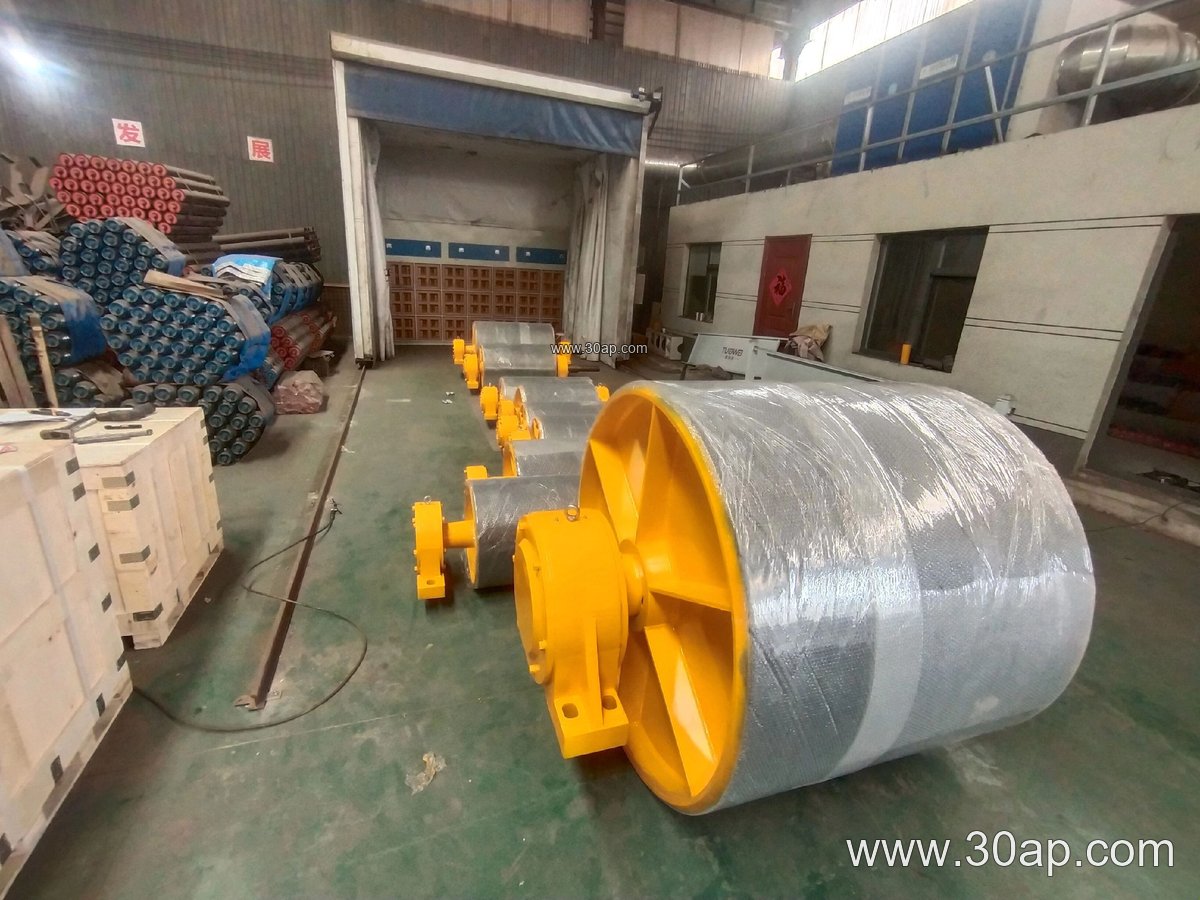
The two pulleys are typically connected through a drive coupling or a common drive shaft, and the assembly is supported by heavy-duty conveyor brackets. Proper alignment between the two pulleys is critical to avoid uneven belt tracking and premature wear. Lagging selection should match the material being conveyed: for abrasive bulk materials like crushed stone or ore, a high-abrasion-resistant rubber lagging is often preferred, while in coal mining applications, flame-retardant and anti-static properties may be required.
Where It Is Used
Dual drive pulleys are common in long overland conveyors, high-tonnage mining operations, and bulk material handling systems where a single drive pulley would exceed practical size or belt tension limits. For example, in a copper ore concentrator or a limestone quarry, the main conveyor may use a dual drive pulley at the head end to distribute power and reduce the risk of belt slip. They are also found in port ship loading conveyors and in cement plant clinker transport lines. In underground coal mining, the dual drive pulley may be part of a flame-retardant conveyor system using PVG or PVC conveyor belts.
The choice between a dual drive pulley and a single drive pulley depends on the required power, available space, and belt specifications. A dual drive pulley can be more complex to install and maintain, but it offers better load sharing and can extend the service life of the conveyor belt by reducing peak tensions.
Buyer’s Checklist
When specifying a dual drive pulley, buyers should consider the following:
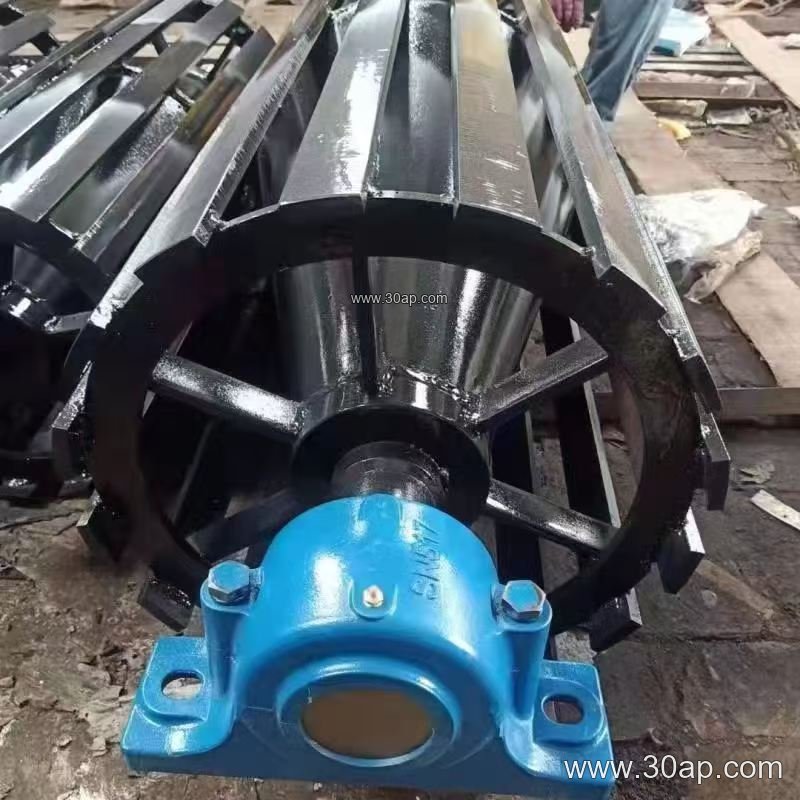
- Belt width and pulley face width: The pulley face width is usually wider than the belt width, for example, a B1000 belt may use a pulley with a face width around 1150 mm. Commonly available belt widths include B650, B800, B1000, B1200, B1400, and B1600.
- Pulley diameter: Select based on belt tension and torque, not just belt width. Common diameters are Ø400, Ø500, Ø630, Ø800, and Ø1000 mm.
- Lagging type and thickness: Choose from plain, rubber, ceramic, or grooved lagging in thicknesses such as 10 mm or 15 mm, matching the material and environmental conditions.
- Shaft diameter: Determined by the drive torque and radial load. Typical shaft diameters range from Ø80 to Ø160 mm, but should be confirmed by engineering calculation.
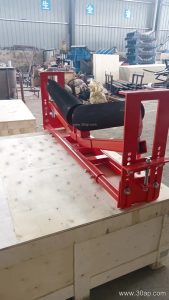
- Bearing and bracket design: Ensure the conveyor brackets are rated for the combined weight and dynamic loads of the dual pulley assembly.
- Compatibility with the conveyor belt: The dual drive pulley must work with the selected belt type, whether it is an EP conveyor belt, steel cord conveyor belt, or a flame-retardant underground mining conveyor belt.
For reliable performance, regular inspection of lagging wear, bearing condition, and pulley alignment is recommended. A well-maintained dual drive pulley helps keep the conveyor system running smoothly in demanding industries such as mining, cement, and power generation.