What a Custom Conveyor Bracket Really Does
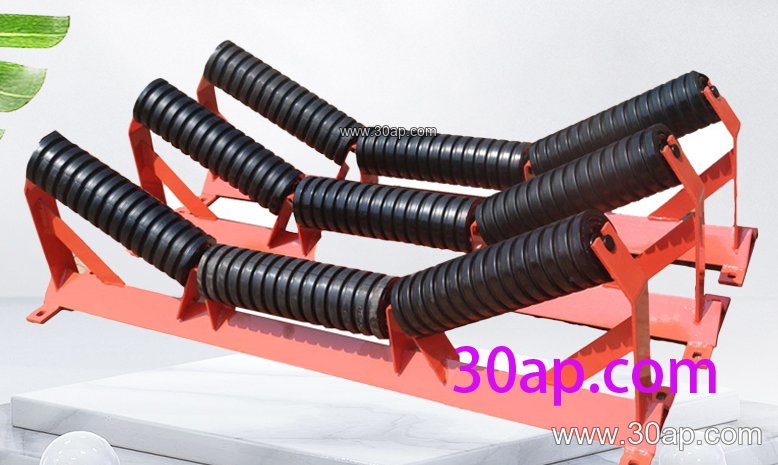
A custom conveyor bracket is the mounting frame that holds idler rollers in the right position under and along the conveyor belt. Unlike a stock bracket pulled from a catalog, this component is made to match the actual belt width, trough angle, roller diameter, and mounting hole pattern of a specific conveyor. In a quarry, cement plant, or coal handling system, the bracket is often the difference between a belt that tracks cleanly and one that wanders, spills, or wears its edges. The same fabrication logic applies whether the line carries abrasive rock or a heat resistant conveyor belt through a kiln area.
How the Bracket Is Built
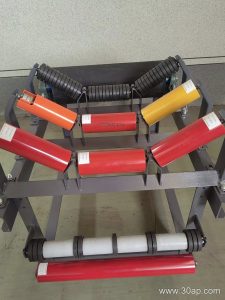
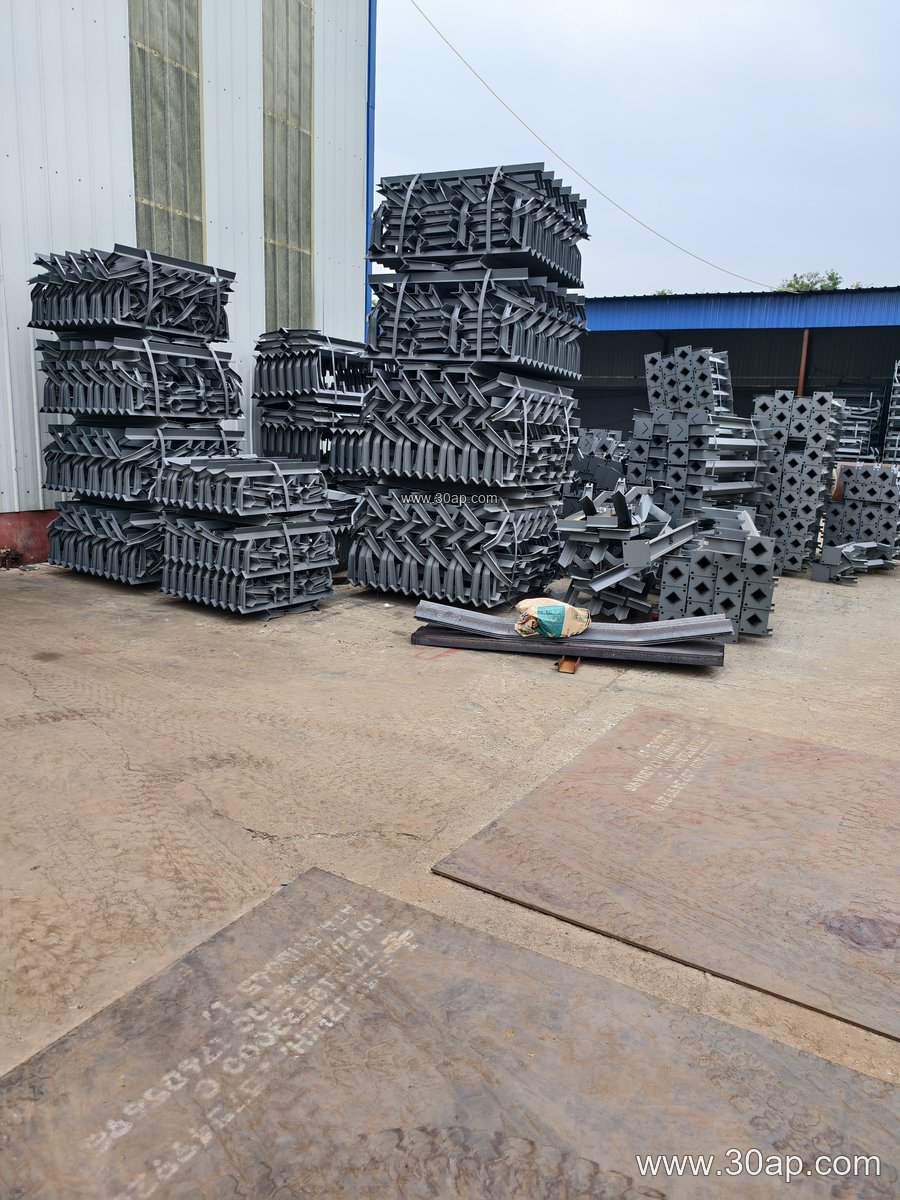
Most custom brackets start as angle steel, channel steel, or bent steel plate. The fabricator cuts, punches, and welds the frame so the mounting slots line up with the roller shaft ends. For a troughing station, the bracket is formed with the correct wing angle; for a return station, it may be a flat or V-shaped frame. Adjustable versions use slotted connections or pivoting arms so the trough angle can be set on site. Typical materials are carbon steel with a painted or galvanized finish, and the design should account for the load carried by the conveyor belt plus the material load above it.
Matching the Bracket to Belt and Roller
Bandwidth and roller diameter drive the bracket geometry. A B650 line with Ø89 rollers needs a different frame length and hole spacing than a B1200 line with Ø133 rollers. Trough angle also changes the wing position: 20, 30, 35, and 45 degrees are common, and a custom bracket can be built for one fixed angle or made adjustable across a range. The table below shows reference combinations, not fixed rules — the final dimensions are set by the conveyor design.
| Belt Width | Typical Trough Angle | Common Roller Diameter | Bracket Style |
|---|---|---|---|
| B500 | 20°–30° | Ø89 | Fixed or adjustable troughing |
| B800 | 30°–35° | Ø108 | Troughing, transition, return |
| B1000 | 35°–45° | Ø133 | Troughing, impact, self-aligning |
| B1200 | 35°–45° | Ø133–Ø159 | Troughing, V-return, transition |
| B1400 | 35°–45° | Ø159 | Heavy troughing, impact |
| B1600 | 35°–45° | Ø159–Ø194 | Heavy troughing, transition |
| B1800 | 35°–45° | Ø194 | Heavy troughing, return |
Note that a given belt width does not lock you into one trough angle or one roller size. A B1000 conveyor might run 35 degrees with Ø108 rollers in one plant and 45 degrees with Ø133 rollers in another. The bracket must follow the actual design, not a catalog assumption.
Where These Brackets Are Used
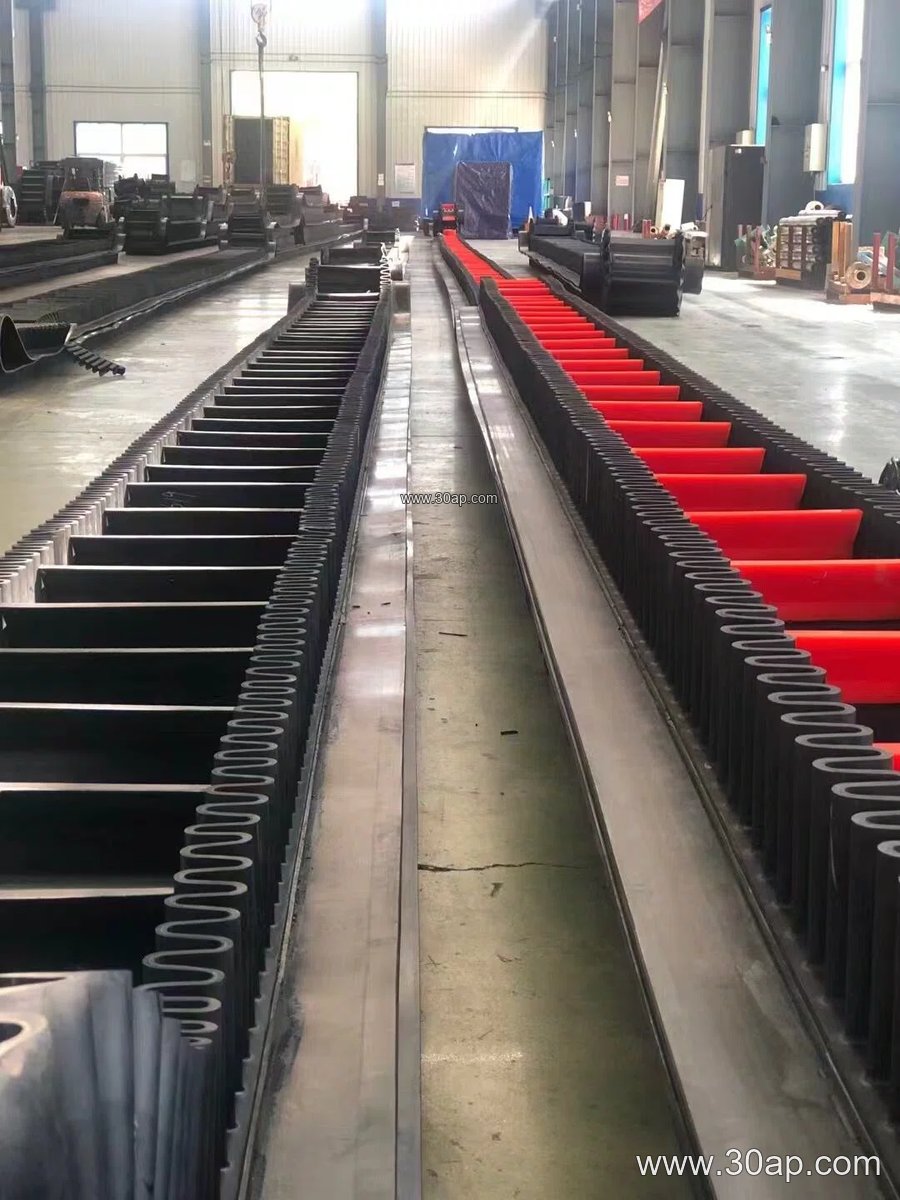
Custom brackets show up wherever the conveyor profile is non-standard or the material is aggressive. In a limestone quarry, impact brackets under the crusher discharge protect the belt from lump drop. In a coal washing plant, self-aligning brackets help keep a flame retardant conveyor belt centered on long runs. Cement plants use transition brackets where the belt changes from flat to troughed. Power plant coal yards and port ship loaders often need brackets that fit tight structural spaces. The common thread is that the bracket is matched to the site, not the other way around.
What Buyers Should Check Before Ordering
Before placing an order for a custom conveyor bracket, confirm the belt width, the roller diameter, the required trough angle, and the mounting hole spacing on the conveyor frame. Ask whether the bracket is fixed or adjustable, and whether it is for carrying, return, impact, or transition service. Check the steel thickness and finish against the environment — a washdown area may need galvanizing, while a dry aggregate line may be fine with paint. Also confirm that the bracket will accept the conveyor pulley and idler roller brands already in use, so spares stay interchangeable. For lines carrying a steel cord conveyor belt or a heavy-duty mining belt, the bracket should be sized for the higher tension and load rather than copied from a lighter line.
Installation and Maintenance Notes
Mount brackets square to the belt centerline and at the same height across the frame; small misalignments show up quickly as edge wear. On adjustable brackets, set the trough angle to the design value and lock the fasteners. Inspect welds and mounting slots during routine shutdowns, especially in high-vibration areas near crushers or transfer points. Replacing a worn bracket with a custom-matched unit is usually faster than modifying a stock frame on site.