What a Guide Idler Bracket Does on a Conveyor
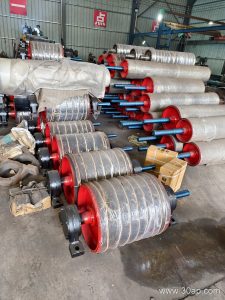
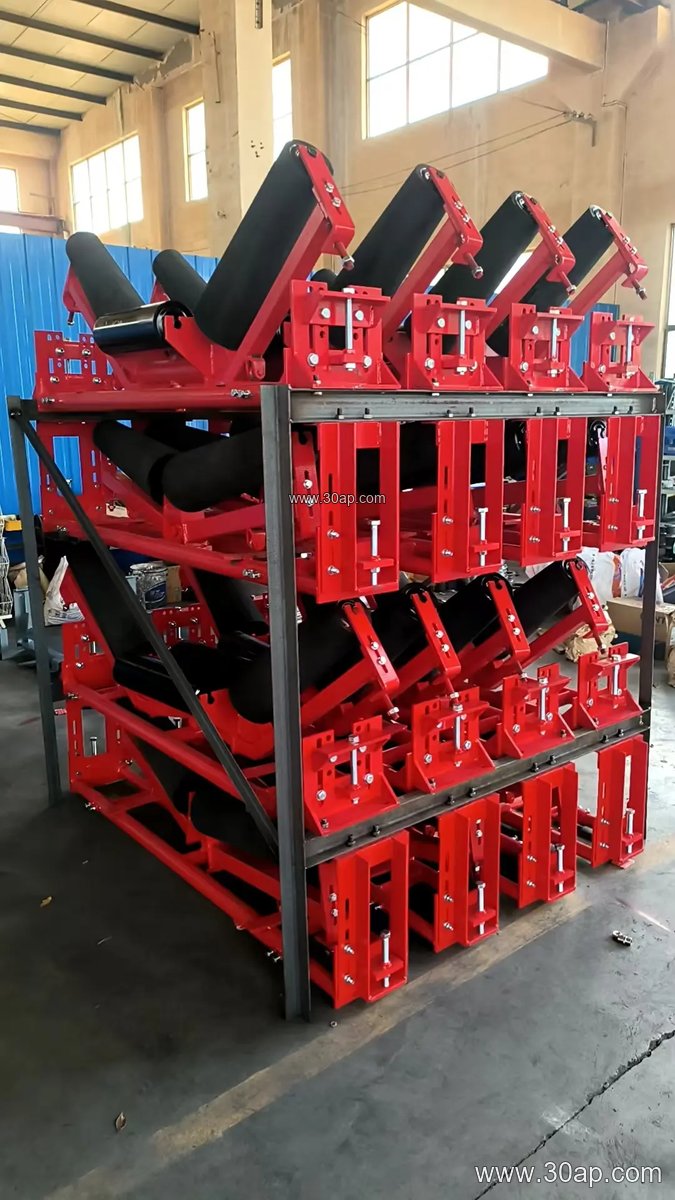
A guide idler bracket is the mounting component that positions and holds guide idlers—often a type of vertical or angled roller—to keep the conveyor belt centered and supported along its path. While it may look like a simple piece of steel, this bracket plays a direct role in belt tracking, especially on long runs, curves, and transfer points where misalignment can cause edge damage or spillage. In a quarry or a limestone mine, for example, a well-mounted guide idler bracket helps the belt stay on the conveyor pulley and avoids costly downtime.
Construction and Common Materials
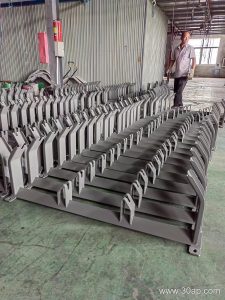
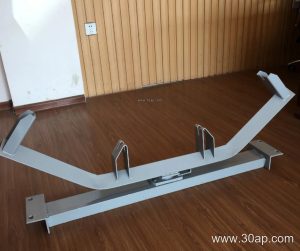
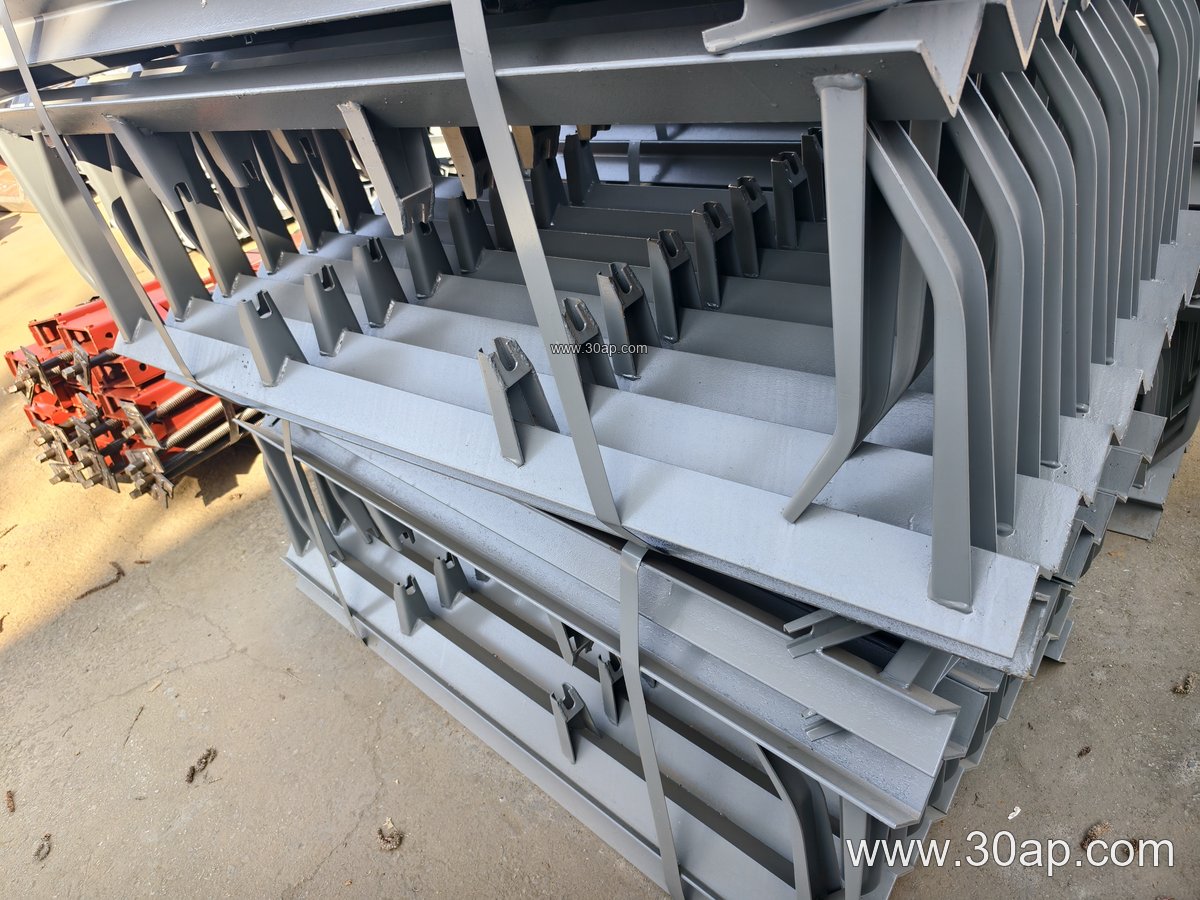
Most guide idler brackets are fabricated from angle steel, channel steel, or bent steel plate. The choice depends on load and environment: channel steel offers stiffness for heavy-duty mining conveyor lines, while bent plate can be lighter and more compact for smaller aggregate conveyors. The bracket usually includes mounting slots or holes that allow adjustment of the idler position relative to the belt edge. In dusty or wet conditions—such as a wash plant or a coal handling system—painted or galvanized finishes are often specified to resist corrosion.
Where Guide Idler Brackets Are Used
These brackets appear in a wide range of bulk material handling systems. In a limestone quarry or a sand and gravel line, they help guide the belt through curves and keep it aligned after the head pulley. In a cement plant, they support the belt on the carrying side near transfer chutes. In a power plant coal yard, they work alongside idler roller assemblies to maintain belt position. The bracket is also found in tunnel spoil removal, fertilizer handling, and grain silos—anywhere a fabric core conveyor belt or steel cord conveyor belt needs reliable edge control.
Matching the Bracket to Belt Width and Idler Diameter
A guide idler bracket must match the conveyor’s belt width, trough angle, and idler diameter. Common belt widths include B500, B650, B800, B1000, B1200, B1400, B1600, B1800, B2000, and B2200. Idler diameters such as Ø89, Ø108, Ø133, Ø159, and Ø194 are frequently used. The table below shows typical combinations—not fixed rules, but reference points for design discussions.
| Belt Width | Common Trough Angle | Typical Idler Diameter |
|---|---|---|
| B650 | 30° | Ø89 |
| B800 | 35° | Ø108 |
| B1000 | 35° | Ø108 or Ø133 |
| B1200 | 45° | Ø133 |
| B1400 | 45° | Ø159 |
| B1600 | 35° or 45° | Ø159 or Ø194 |
Mounting hole spacing and crossbeam length are not universal; they vary with belt width and trough angle, so always confirm dimensions with the conveyor design. Adjustable brackets can be set between 20°, 30°, 35°, and 45° to fine-tune belt contact.
Selection Tips for Buyers
- Confirm the belt width and idler diameter before ordering—a bracket for B800 may not fit a B1200 frame.
- Decide between fixed and adjustable types. Adjustable guide idler brackets are useful when belt tracking needs occasional correction.
- Consider the environment: abrasive dust in a crusher conveyor line may call for thicker steel, while a food-grade or chemical plant may need a specific finish.
- Check compatibility with the existing conveyor bracket system—hole patterns and frame angles should align.
For heavy-duty mining conveyor belts, including abrasion resistant conveyor belt or flame retardant conveyor belt, the bracket should be robust enough to handle vibration and load. In port conveyor systems or ship loading lines, stainless or coated brackets may be preferred for salt air exposure.
Maintenance and Installation Notes
Install the guide idler bracket so the idler contacts the belt edge without excessive pressure. Overtightening can cause edge wear, while a loose bracket allows the belt to wander. Periodically check bolts and alignment, especially in high-vibration areas like a crusher discharge or a screening plant. When replacing an idler roller, inspect the bracket for bent ears or elongated holes—these can defeat even a well-designed tracking system.
Whether the conveyor moves iron ore, clinker, or grain, the guide idler bracket is a small but critical link between the belt and the structure. Selecting the right size and type helps maintain belt life and reduces unplanned stoppages.