What the Price of a Conveyor Bracket Really Covers
When a maintenance planner at a limestone quarry or a project engineer at a coal-fired power plant asks about conveyor bracket price, the answer depends on far more than a number per piece. The bracket is the structural interface between the conveyor frame and the idler roller, and its cost reflects material grade, forming method, hole pattern, surface treatment, and the logistics of delivering a matched set to site. A bracket that looks simple in a drawing can carry a very different price tag when it is designed for a B1800 wide belt at a 45-degree trough angle rather than a B650 unit on a 30-degree frame.
For anyone sourcing components for a bulk material conveyor belt system, understanding how the bracket is built helps separate a fair quotation from a risky one. The same logic applies whether the plant handles iron ore, cement clinker, or fertilizer granules.
How the Bracket Is Built and Why It Affects Cost
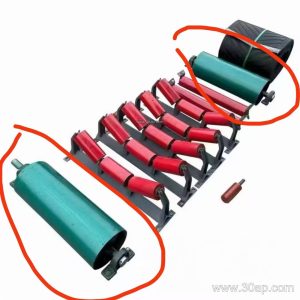
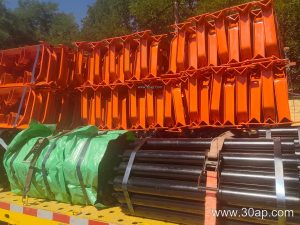
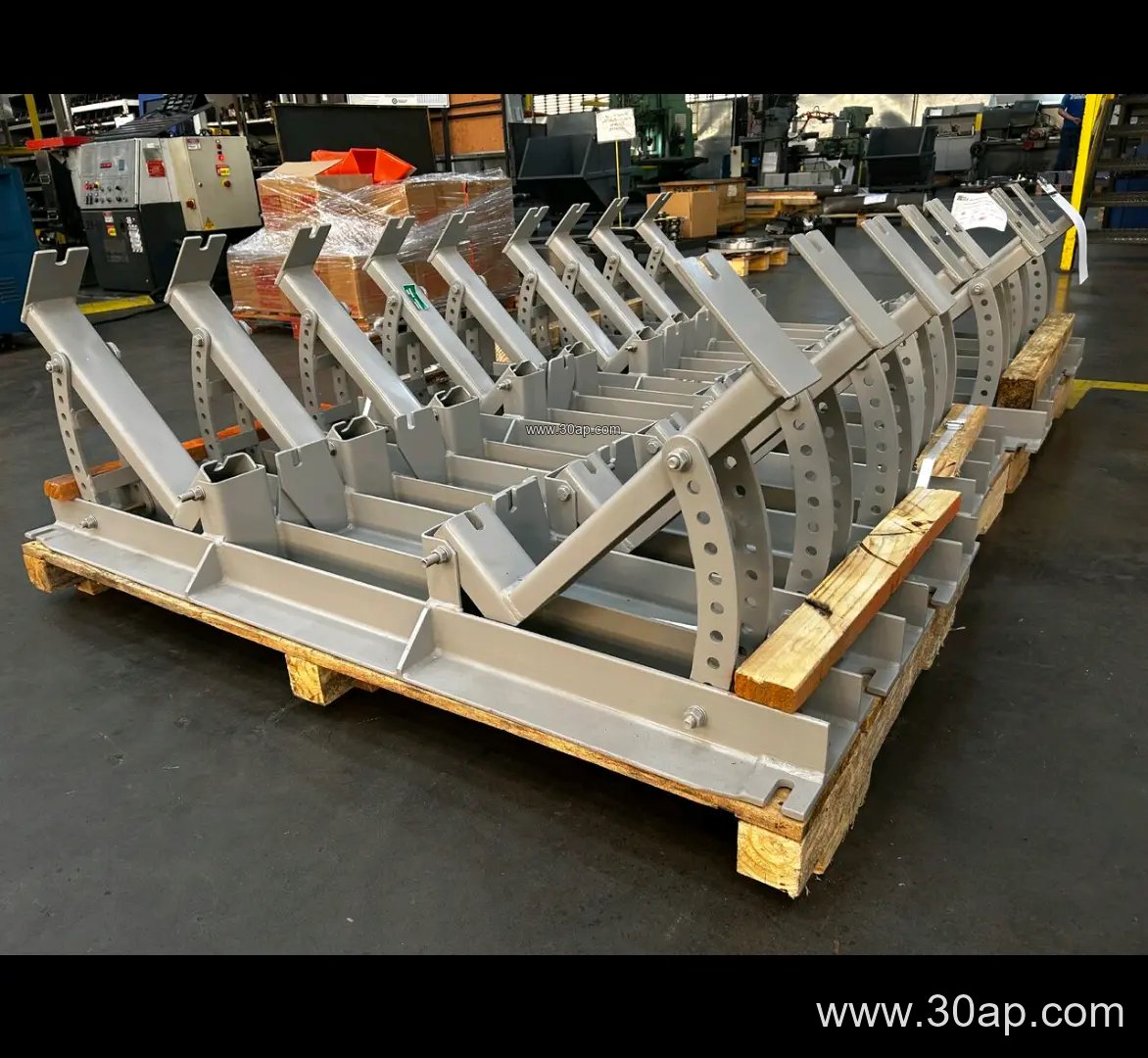
Most conveyor brackets are fabricated from angle steel, channel steel, or folded steel plate. The material choice drives both strength and price: a folded plate bracket may use less steel but require more press work, while a channel steel design can be heavier and more straightforward to weld. Common bracket types include trough brackets for carrying idlers, return brackets for the lower run, impact brackets near loading points, and self-aligning brackets for belt tracking. Each type has its own hole spacing and beam length, and those dimensions change with belt width and trough angle.
Surface treatment is another cost line. A painted finish is common for general indoor service, while hot-dip galvanizing or a heavier coating may be specified for ports, wash plants, or tunnel projects where moisture and dust are constant. Buyers should confirm what the quoted price includes rather than assuming the finish is standard.
Where Conveyor Brackets Are Used
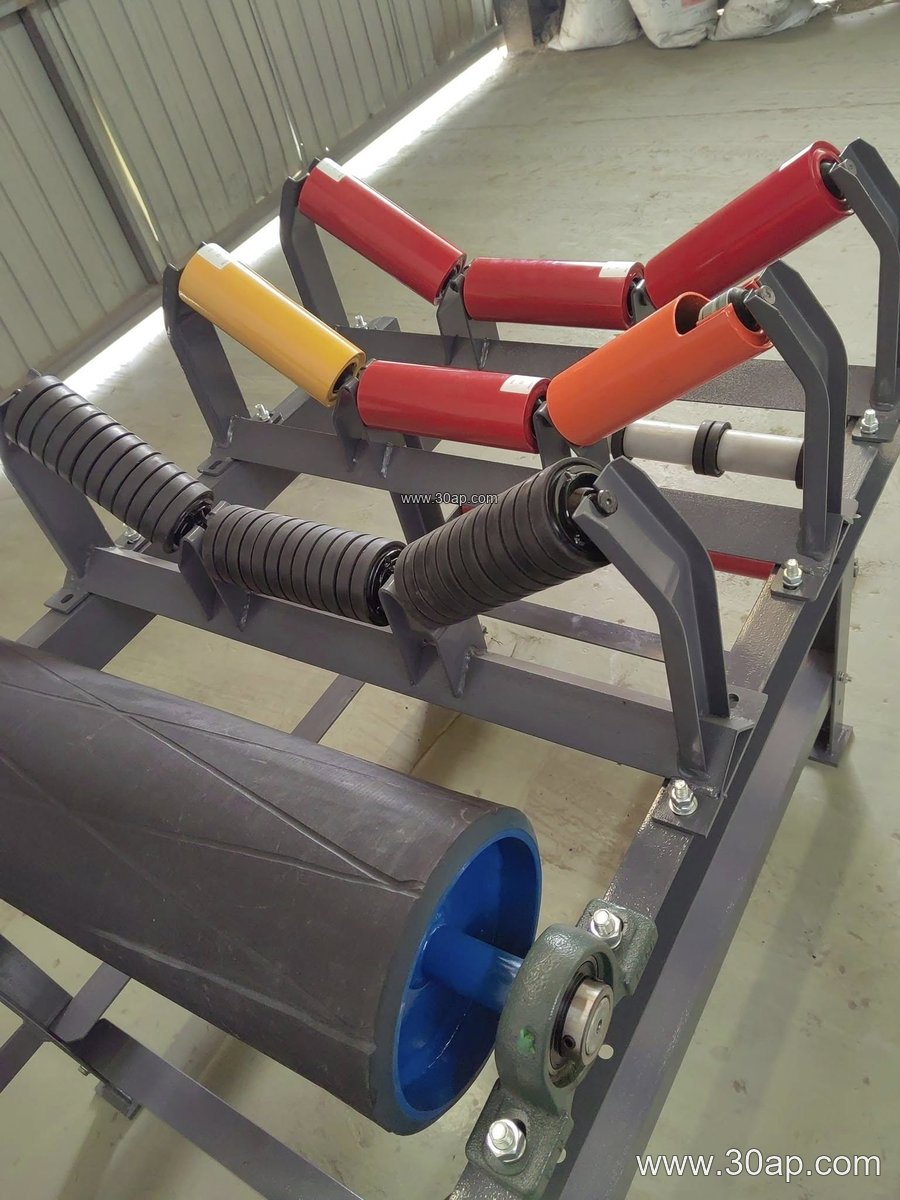
In a stone crushing line, trough brackets hold the idler rollers that support the conveyor belt at the load point and along the run. In a coal preparation plant, return brackets and V-return brackets keep the lower strand aligned and reduce spillage. At a steel plant or sintering facility, heat and abrasion may push the specification toward heavier bracket sections and more frequent inspection. The bracket itself does not move material, but its alignment determines how well the belt and idler roller perform together.
When a conveyor belt is replaced with a different construction, such as a heavier EP conveyor belt or a steel cord conveyor belt, the bracket and idler set should be reviewed as part of the same package. A bracket that was adequate for a light fabric core belt may need a different roller diameter or a reinforced beam for a heavier duty application.
Key Price Variables Buyers Should Compare
Price differences between suppliers usually trace back to a few measurable items. The table below lists common reference values that appear in bracket specifications; they are not universal supply promises and should be confirmed against the actual conveyor design.
| Parameter | Common Reference Values | What It Means for Price |
|---|---|---|
| Belt width | B500, B650, B800, B1000, B1200, B1400, B1600, B1800, B2000 | Wider brackets need longer beams and more material |
| Trough angle | 20°, 30°, 35°, 45° | Adjustable brackets can cover several angles but cost more |
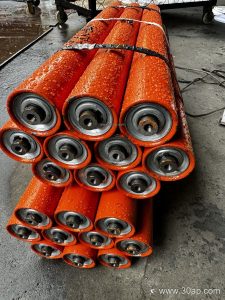
| Idler diameter | Ø89, Ø108, Ø133, Ø159, Ø194 | Hole pattern and bracket height must match the roller |
| Bracket type | Trough, return, impact, self-aligning, transition | Specialty brackets carry higher fabrication cost |
| Material | Angle steel, channel steel, folded plate | Section weight and forming method change unit cost |
A B800, 35-degree, Ø108 bracket set is a common combination in aggregate plants, while a B1200, 45-degree, Ø133 arrangement may be found in heavier quarry duty. These are examples, not fixed rules; the same belt width can be paired with different trough angles and roller diameters depending on the conveyor design.
Selection and Maintenance Notes
Buyers should ask for the bracket drawing, hole spacing, and beam length rather than ordering by belt width alone. Fixed and adjustable brackets are not interchangeable in every location: an adjustable bracket may simplify alignment on a long overland conveyor, but a fixed bracket can be more economical where the trough angle is already settled. During maintenance, check for bent beams, elongated holes, and loose fasteners after idler changes. A bracket that has shifted can wear the conveyor belt edge and increase power draw.
For projects involving heat resistant conveyor belt or flame retardant conveyor belt in a coal mining conveyor system, the bracket specification should be reviewed together with the roller and belt selection. The goal is a matched assembly, not the lowest price on a single line item.
- Confirm material grade and surface treatment in writing.
- Match hole pattern to the actual idler roller diameter.
- Check beam length and mounting hole distance for the belt width.
- Ask whether the price includes fasteners and painting.
For more information on conveyor brackets and related components, visit www.bulkconveyorparts.com/conveyor-bracket-price or contact our team at www.bulkconveyorparts.com/contact.