What a Coal Conveyor Belt Is
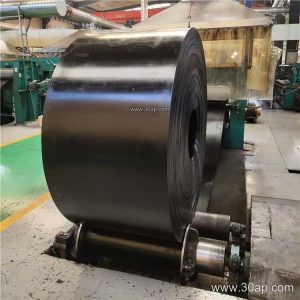
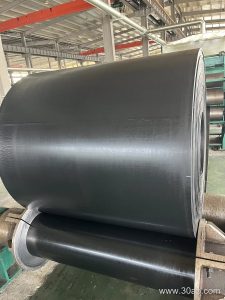
A coal conveyor belt is the continuous load-carrying element of a belt conveyor system, designed to move coal from one point to another in mines, power plants, ports, and preparation facilities. It is typically a rubber-covered fabric or steel-cord belt that runs over pulleys and idler rollers, forming a closed loop. In coal handling, the belt must resist abrasion, impact, and often flame propagation, so it is common to specify a flame retardant conveyor belt or an anti-static conveyor belt for underground coal mining conveyor belt duty.
Construction and Common Types
The belt body usually consists of a core (fabric plies or steel cords) and rubber covers on both sides. Fabric cores include EP conveyor belt (polyester-nylon) and NN conveyor belt (nylon-nylon), while steel cord conveyor belt is chosen for very high tension and long distances. For coal, popular constructions include:
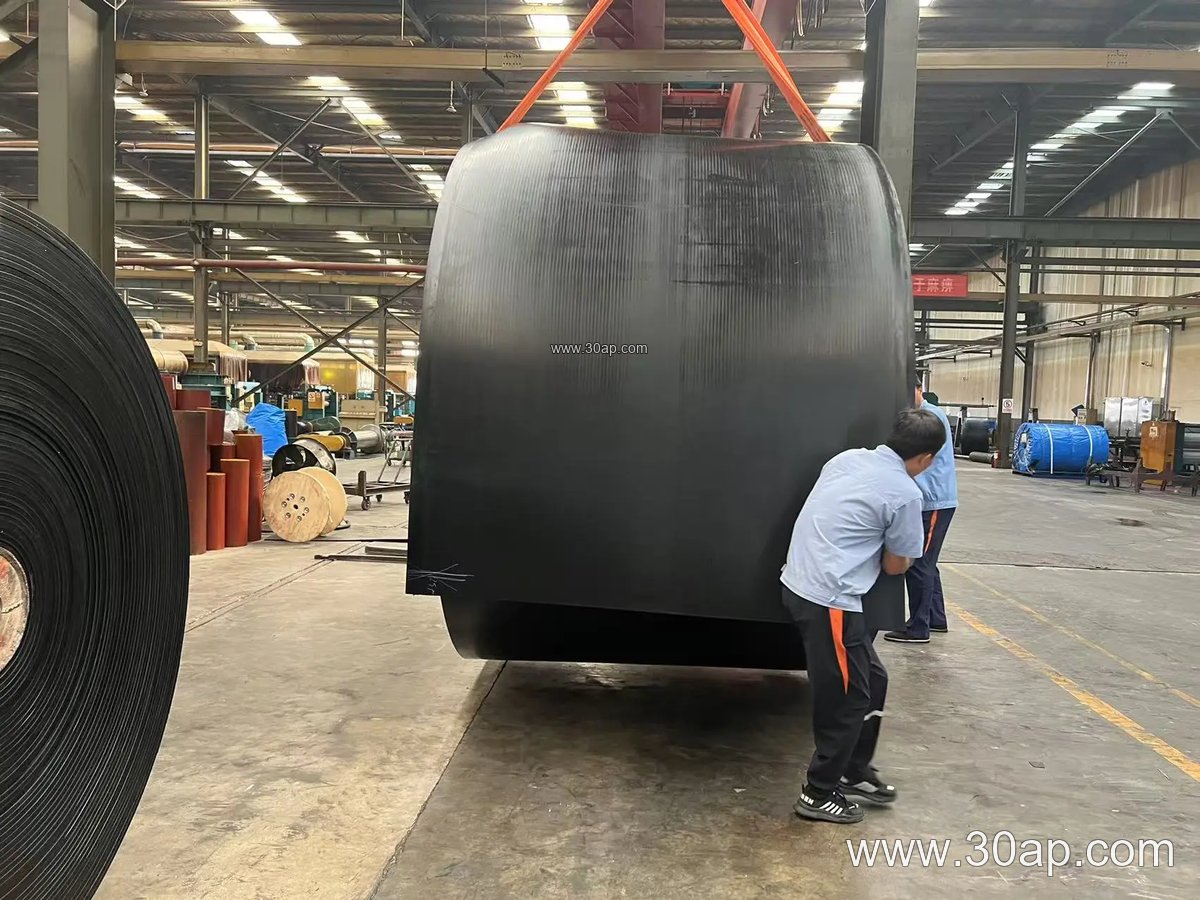
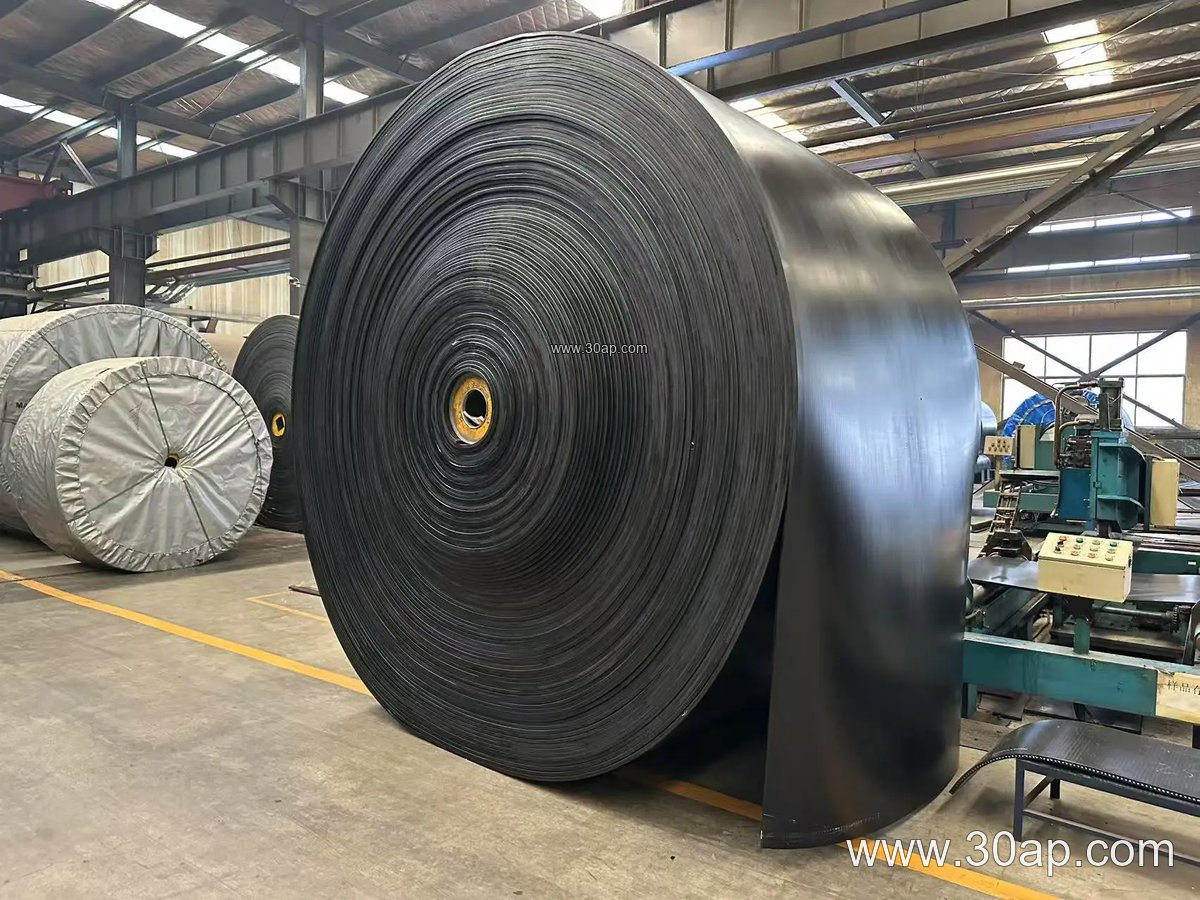
- EP conveyor belt – e.g., EP200, EP400, EP630, EP1000, EP1250; often supplied as EP rubber conveyor belt or EP fabric core conveyor belt.
- NN conveyor belt – e.g., NN100, NN200, NN300, NN400; a multi-ply fabric core conveyor belt option.
- Steel cord conveyor belt – e.g., ST1000, ST1600, ST2000, ST2500; used where high strength and low elongation are needed.
- PVG conveyor belt – e.g., PVG800, PVG800S; a solid-woven fabric core belt with flame retardant properties, common in underground coal mining conveyor belt systems.
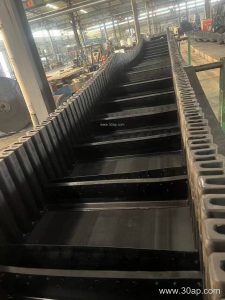
Cover grades address specific conditions: abrasion resistant conveyor belt for high-wear coal, heat resistant conveyor belt near dryers or boilers, oil resistant conveyor belt where lubricants are present, and cold resistant conveyor belt for low-temperature sites. Chevron conveyor belt and corrugated sidewall conveyor belt are used on inclines to prevent material rollback or spillage.
Typical Specifications
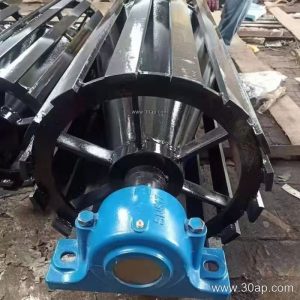
Belt width is selected according to capacity and lump size. Common widths include B500, B650, B800, B1000, B1200, B1400, B1600, B1800, and B2000. Cover thickness is often given as top + bottom, for example 4+2 mm, 5+2 mm, 6+2 mm, or 8+3 mm. Fabric core belts usually have 2 to 6 plies. These values are reference data; actual belt design depends on tension, troughing angle, and safety requirements. A 1200mm wide conveyor belt is not automatically paired with a particular pulley diameter — drive, tail, and bend pulleys are sized by shaft load and belt tension, and they are not interchangeable.
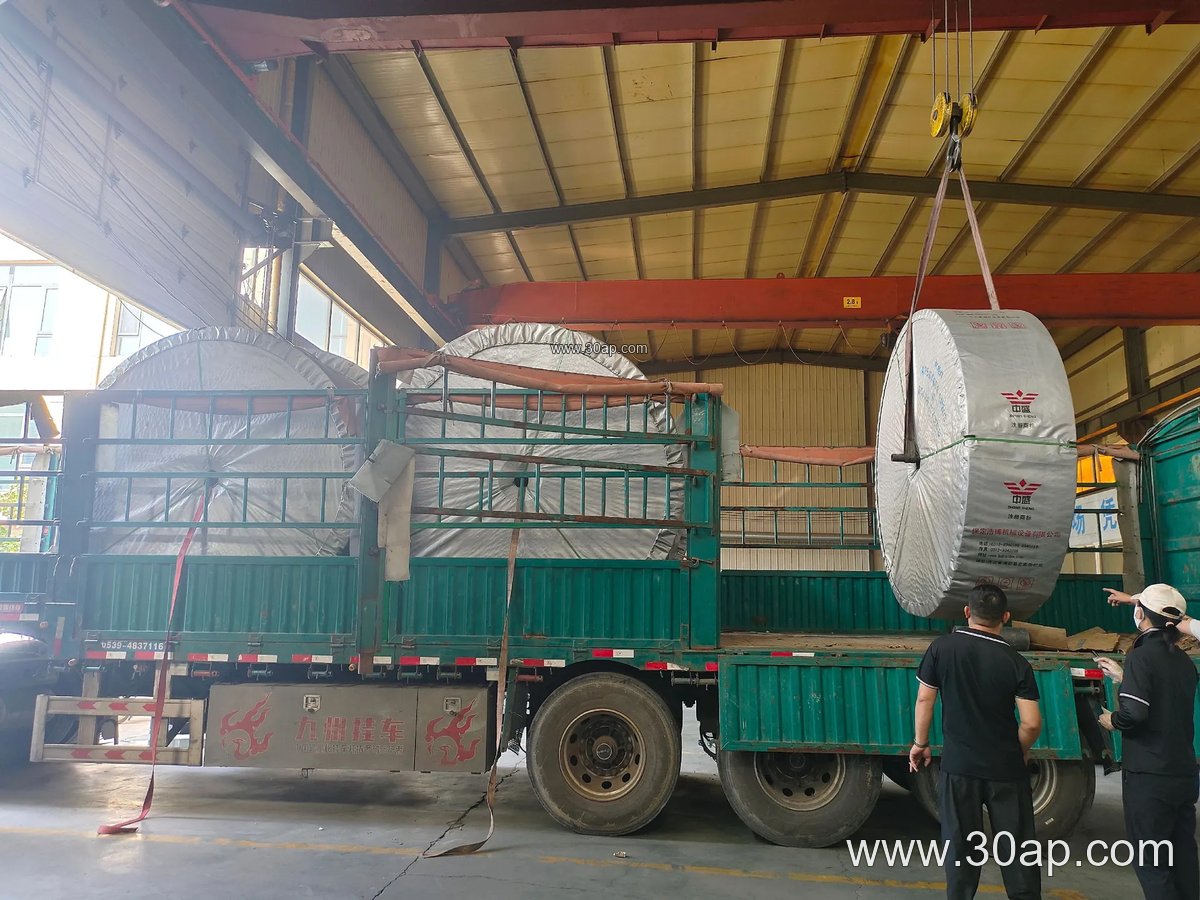
| Parameter | Common Range (Reference) |
|---|---|
| Belt width | B500 to B2000 (e.g., 800mm, 1000mm, 1200mm, 1400mm) |
| Fabric core strength | EP200 to EP2000; NN100 to NN400 |
| Steel cord strength | ST1000 to ST3150 |
| Cover thickness | 3+1.5 mm to 8+3 mm |
| Ply count (fabric) | 2 to 6 |
Where It Is Used
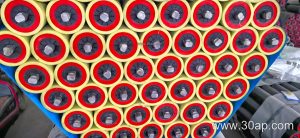
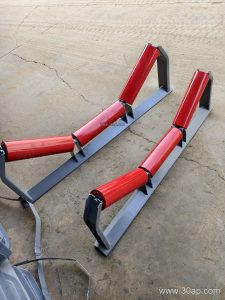
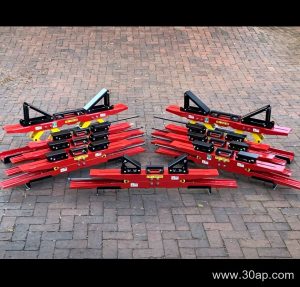
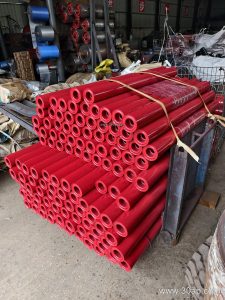
Coal conveyor belts serve in underground coal mining conveyor belt systems, surface coal mines, power plant coal yards, cement plants (where limestone and coal are handled), and port ship loading. In a typical transfer point, the belt runs over idler rollers supported by conveyor brackets, and the conveyor pulley at the drive end provides motion. The same belt type may also appear in a quarry conveyor belt or aggregate conveyor belt line when coal is part of the bulk material stream. For dusty coal, anti-static and flame retardant properties are often requested, especially in confined spaces.
Buyer Checklist
Before ordering a coal conveyor belt, confirm the material lump size, moisture, and temperature; the required tensile strength and cover grade; belt width and cover thickness; and whether flame retardant or anti-static performance is needed. Ask for the belt’s ply count and core type (EP, NN, or steel cord) so it matches the conveyor’s calculated tension. Consider the pulley and idler roller arrangement, since a heavy-duty mining conveyor belt may need a larger pulley and stronger brackets. For inclined sections, a chevron conveyor belt or skirted conveyor belt can reduce spillage. Finally, request cut-to-width or endless conveyor belt options if the installation requires a spliced or endless configuration. A practical specification might read: EP1000, 1200mm wide, 6+2 mm covers, flame retardant, for a power plant coal handling line — but every value should be confirmed against the conveyor design rather than assumed.