What a 1600mm Diameter Conveyor Pulley Is
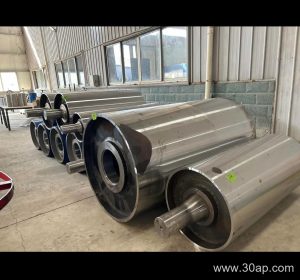
A 1600mm diameter conveyor pulley is a large drum component used in high-capacity belt conveyor systems. It is often a drive pulley or head pulley, but the same size can also serve as a tail pulley or bend pulley depending on the layout. The 1600mm diameter refers to the outside diameter of the drum shell, not the belt width. This size is typically selected for heavy-duty mining, quarry, and bulk material handling where high tension and large belt widths are involved.
Unlike smaller pulleys, a 1600mm diameter unit requires careful engineering because it influences belt wrap angle, shaft load, and overall conveyor profile. It is not interchangeable with a drive pulley or tail pulley by name alone; each position has its own design requirements. For example, a drive pulley needs a suitable lagging surface for traction, while a bend pulley may use a plain surface. A 1600mm diameter conveyor pulley is often paired with wide conveyor belts such as 1600mm or 1800mm wide belts, but the belt width does not dictate the pulley diameter exclusively.
Construction and Key Components
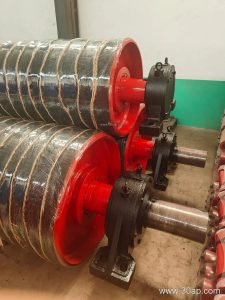
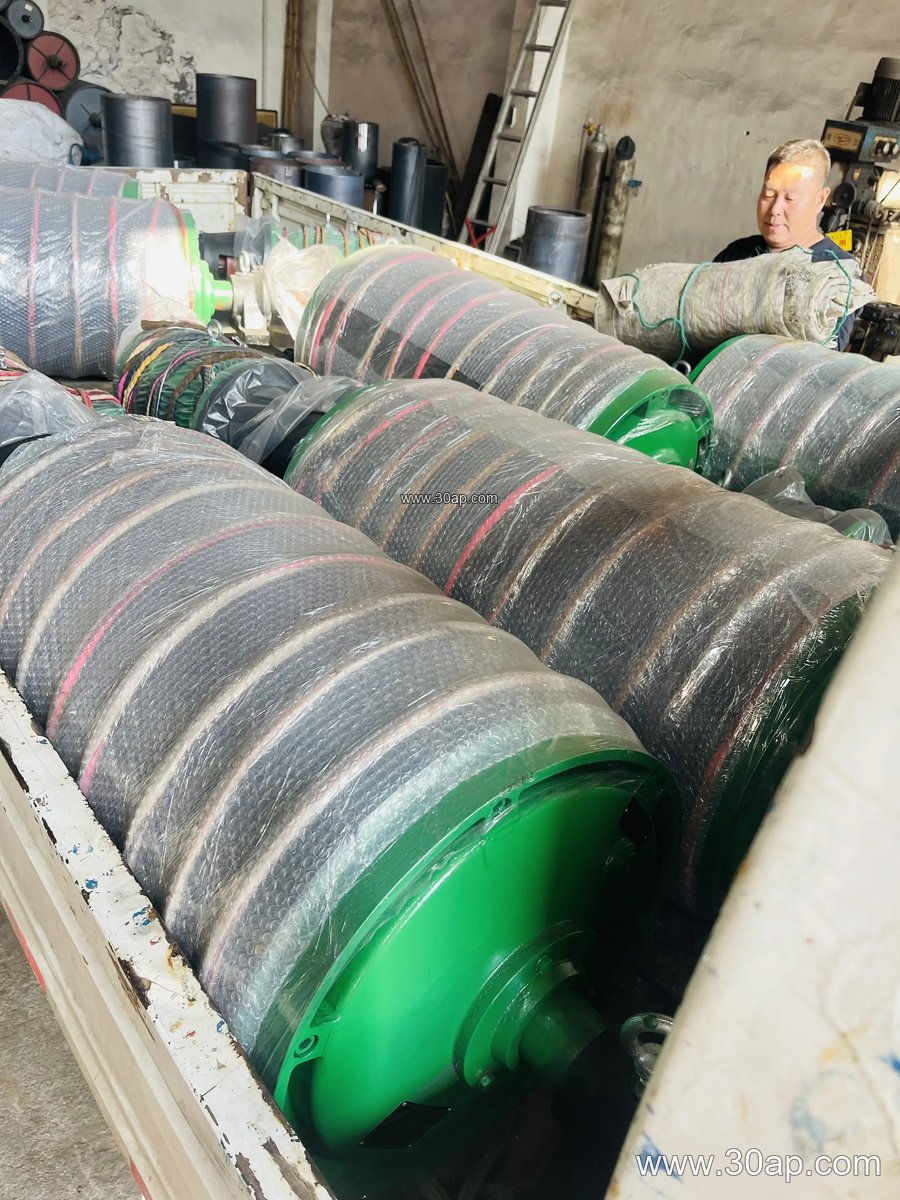
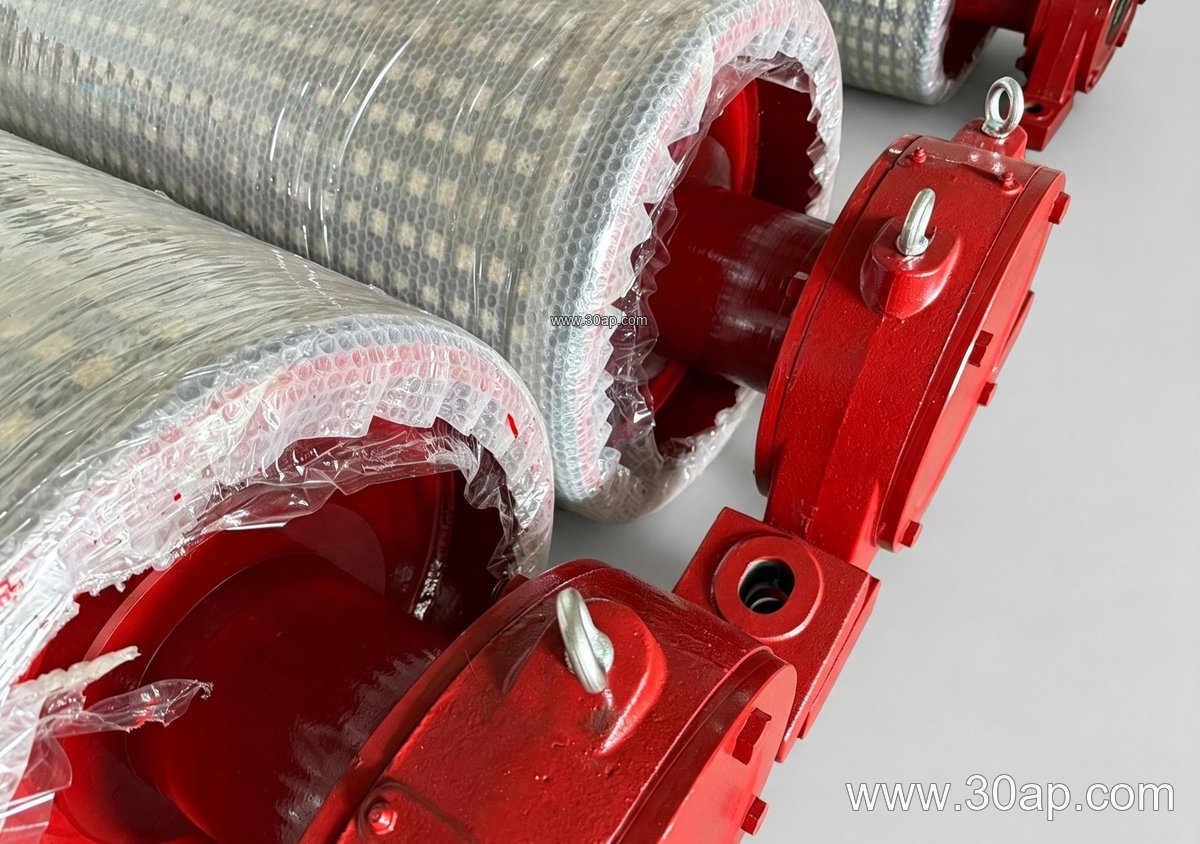
The pulley is built around a cylindrical shell, usually made from rolled steel plate. The shell is welded to end discs and a central hub. The shaft is sized according to torque and load, not simply by belt width. Common shaft diameters for large pulleys range from Ø160 to Ø200, but the final value is determined by the conveyor designer. Bearings are mounted on the shaft ends and sit in bearing housings that connect to the conveyor bracket.
Surface treatment is critical. A 1600mm diameter conveyor pulley can be supplied with plain finish, rubber lagging, or ceramic lagging. Rubber lagging may be cold-bonded or hot-vulcanized, with thicknesses commonly 10mm, 12mm, 15mm, or 20mm. Diamond or herringbone patterns improve grip in wet or dusty conditions. For abrasive environments such as iron ore or copper ore handling, ceramic lagging can extend service life. The pulley also includes a locking assembly or keyway to transmit torque from the shaft to the shell.
Where It Fits in a Conveyor System
This large pulley is often found at the discharge end of a main haulage conveyor in a limestone mine or at a transfer point in a port bulk terminal. In a coal mining conveyor system, a 1600mm diameter pulley may be used as a head pulley to handle high belt tensions from a long overland conveyor. It can also act as a tension pulley in a take-up arrangement, where its large diameter helps reduce belt bending stress.
Because of its size, the pulley requires sufficient clearance and a robust conveyor bracket. It is typically used with heavy-duty conveyor belts such as steel cord conveyor belt or high-strength fabric core belt. In cement plants, it may appear on clinker conveyors where heat-resistant conveyor belt is needed. In aggregate operations, it works alongside idler roller sets and impact rollers to maintain smooth material flow. The 1600mm diameter conveyor pulley is not a one-size-fits-all solution; it is selected when the conveyor profile and tension demand a larger drum.
Specification and Selection Notes
Buyers should consider the following when specifying a 1600mm diameter conveyor pulley:
- Belt width compatibility: The pulley face width is usually wider than the belt. For a 1600mm wide belt, a pulley face width around 1800mm is common, but this is not a fixed rule.
- Pulley type: Drive, tail, bend, and tension pulleys have different design priorities. A drive pulley needs lagging for traction; a bend pulley may be plain.
- Shaft diameter: Determined by torque and radial load. Typical large pulley shafts range from Ø160 to Ø200, but the exact size must be calculated.
- Lagging: Choose rubber, ceramic, or plain based on material abrasiveness and moisture. Thickness options include 8mm to 20mm.
- Bearing and housing: Must match the shaft and load rating. The conveyor bracket interface should be confirmed early.
When working with a supplier, provide the belt width, belt type (such as EP conveyor belt or steel cord), operating tension, and pulley position. Do not assume a 1600mm diameter pulley automatically fits a 1600mm belt; the belt width and pulley diameter are separate design choices. Also, avoid specifying a shaft diameter solely from belt width—shaft sizing requires torque calculation.
Maintenance and Operational Tips
Regular inspection of lagging wear, bearing condition, and shell alignment helps prevent unplanned downtime. For a 1600mm diameter conveyor pulley, check that the lagging grooves are not clogged with material, especially when handling sticky bulk materials. Verify that the conveyor belt tracks centrally and that the pulley is not misaligned with the idler roller frames. In cold climates, use cold-resistant conveyor belt and ensure the pulley surface does not accumulate ice. In coal mining, flame retardant conveyor belt and anti-static properties are important, and the pulley should be earthed properly.
Lubricate bearings according to the manufacturer’s schedule, and monitor for vibration or abnormal noise. If the pulley is a drive pulley, check the lagging friction surface for glazing or wear. A worn lagging can cause belt slip, especially under high load. Re-lagging or replacing the pulley may be necessary when wear exceeds safe limits.
Buyer Checklist
- Confirm the pulley position: drive, tail, bend, or tension.
- Provide belt width and belt type (e.g., EP1000, ST1600).
- Specify lagging type and thickness if required.
- State the shaft diameter based on torque calculation, not guesswork.
- Check compatibility with conveyor bracket and bearing housing.
- Ask for inspection reports and material certificates if needed.
A 1600mm diameter conveyor pulley is a significant investment for any bulk handling operation. Selecting the right configuration for your conveyor belt, idler roller set, and conveyor bracket ensures reliable performance in demanding industries such as mining, cement, and power generation.