What a Carbon Steel Conveyor Bracket Does
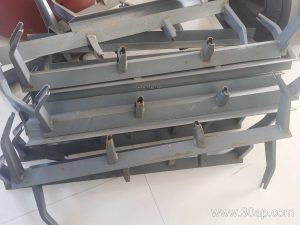
A carbon steel conveyor bracket is the structural interface between a conveyor frame and the rotating components that carry the belt. It holds idler rollers at the correct angle and elevation, keeps the belt profile stable under load, and allows maintenance crews to replace rollers without cutting into the main frame. In quarry lines, cement plants, and coal handling systems, this bracket often determines how well a belt tracks during start-up and how quickly a jam can be cleared.
The same product is also called a carbon steel conveyor support bracket or a steel conveyor idler bracket. These are equivalent names for the same fabricated part; they are not interchangeable with pulleys or rollers.
How the Bracket Is Built
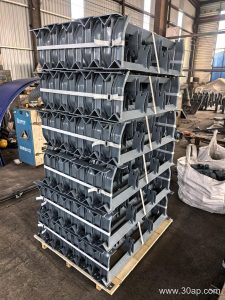
Most brackets are fabricated from angle steel, channel steel, or folded steel plate. The material thickness and bend radius follow the load case and the belt width rather than a single universal standard. A typical assembly includes a crossbeam, mounting pads for the idler shaft, and slotted holes that allow small position adjustments during installation.
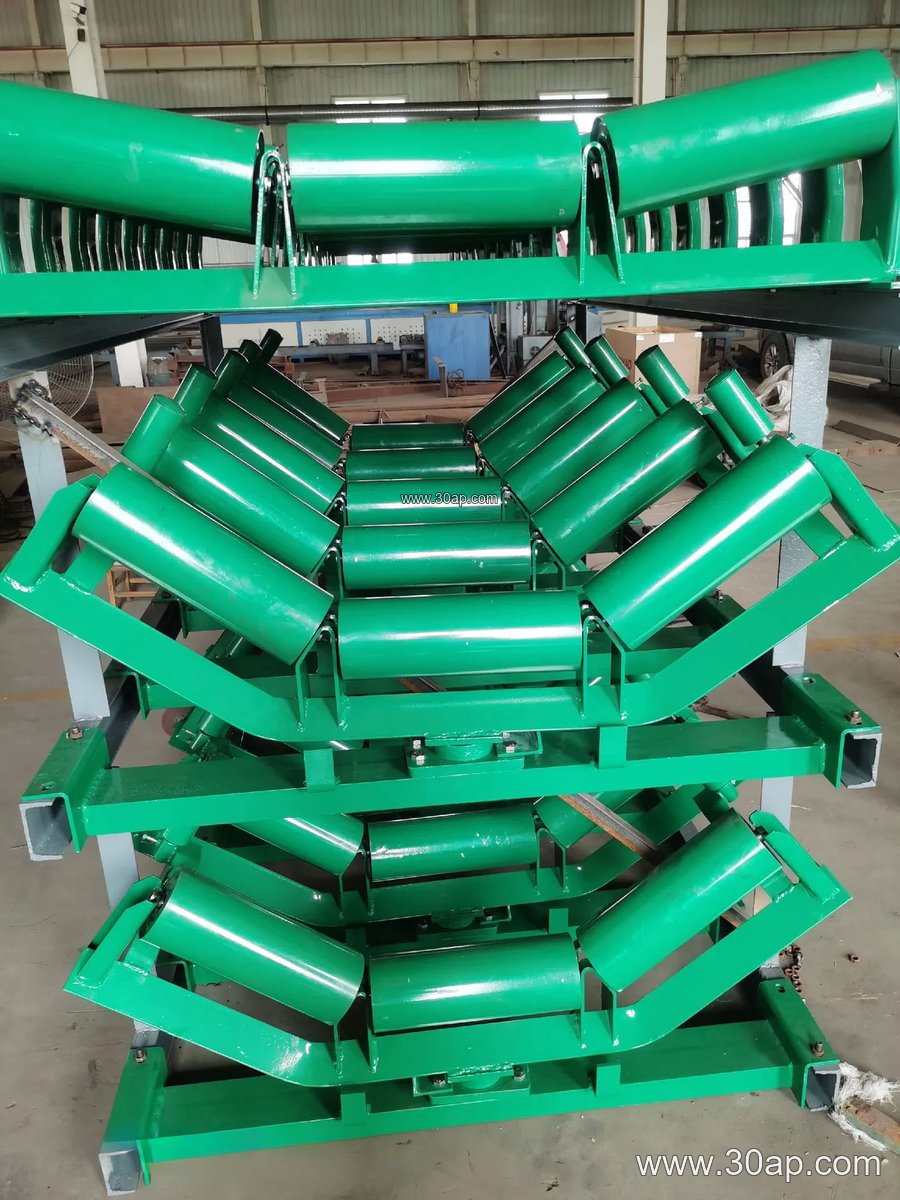
Surface treatment matters in wet or dusty service. Common options include painted finish, galvanized coating, and hot-dip galvanizing for corrosive atmospheres. The bracket should be rigid enough to resist belt tension without twisting, yet open enough to let fines fall away instead of packing around the idler.
Common Configurations and Where They Sit
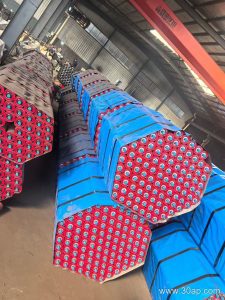
Bracket type follows the job the belt is doing at that point in the conveyor. A troughing bracket supports the carrying side and sets the trough angle. A return bracket supports the empty side, often with a flat or V-shaped roller arrangement. A transition bracket sits near the head or tail to guide the belt from flat to troughed. Impact brackets are used under loading points where material drops onto the belt.
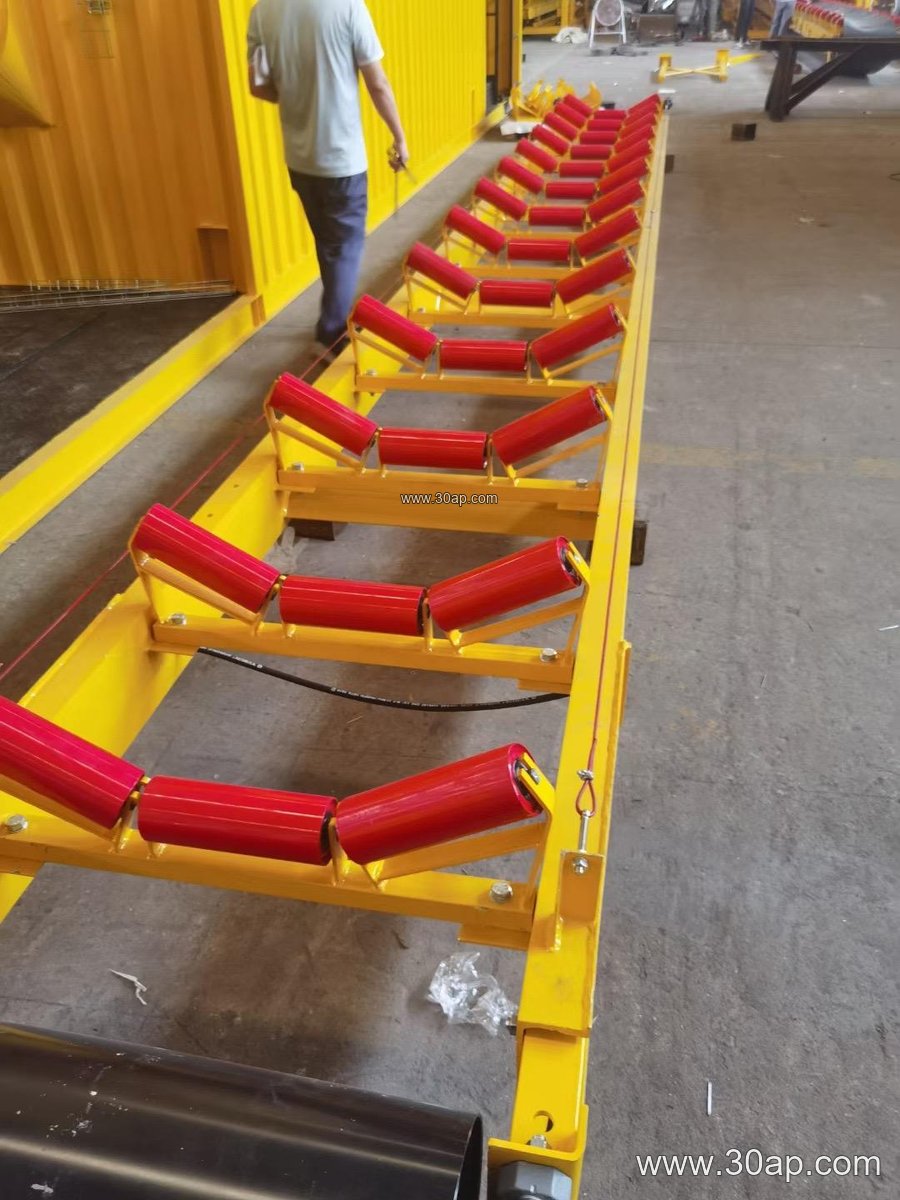
- Troughing bracket, upper run, 20 to 45 degree trough angle
- Transition bracket, near head or tail pulley
- Return bracket, lower run, flat or V-return
- Impact bracket, under chute or transfer point
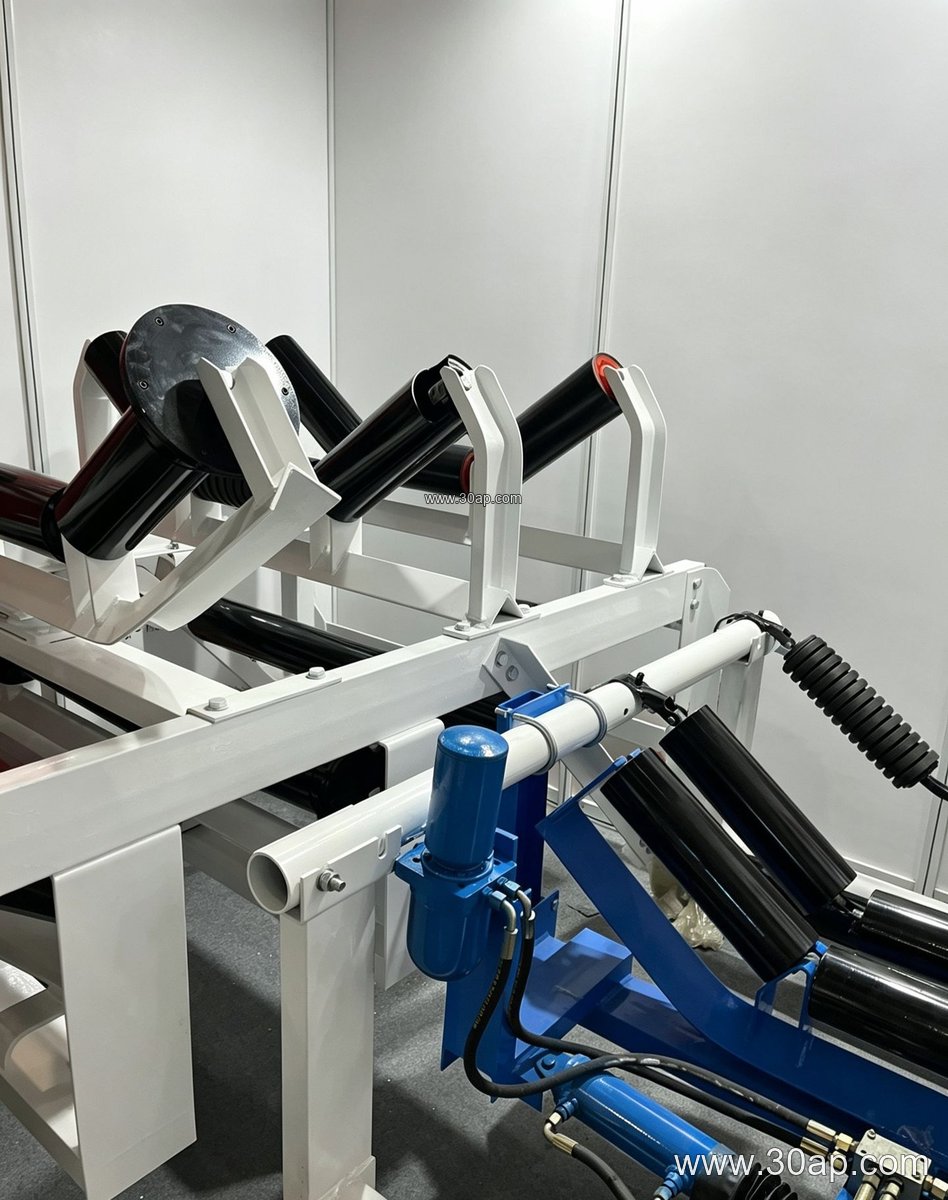
- Self-aligning bracket, for belt training on long runs
- Adjustable bracket, for trough angle changes on site
In a cement plant, a troughing bracket with a 35 degree angle is common on the main clinker line, while a self-aligning bracket may be added where the belt tends to drift. In a coal mining conveyor, flame retardant conveyor belt and fire resistant conveyor belt are often paired with robust steel brackets that resist vibration.
Matching Bracket to Belt and Roller
Belt width, trough angle, and roller diameter are chosen together. A B800 belt may run with a 35 degree trough and Ø108 rollers in one plant, while a B1200 line might use 45 degree troughing and Ø133 rollers. These are examples, not fixed rules. The bracket mounting hole spacing and crossbeam length are determined by the belt width and the selected trough angle.
| Belt Width | Typical Trough Angle | Common Roller Diameter |
|---|---|---|
| B500 | 20–30 degree | Ø89 |
| B650 | 30 degree | Ø89–Ø108 |
| B800 | 35 degree | Ø108 |
| B1000 | 35–45 degree | Ø108–Ø133 |
| B1200 | 45 degree | Ø133 |
| B1400 | 45 degree | Ø133–Ø159 |
| B1600 | 45 degree | Ø159 |
| B1800 | 45 degree | Ø159–Ø194 |
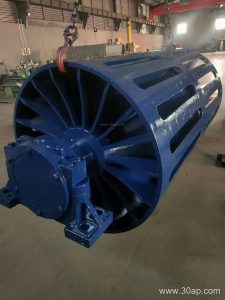
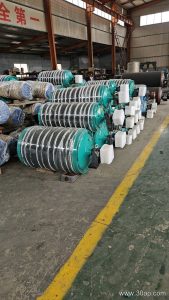
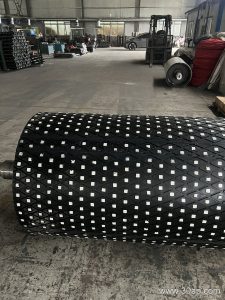
On the discharge side, the bracket works with the conveyor pulley and conveyor belt to keep the belt centered. A misaligned bracket can wear the belt edge long before the pulley shows any sign of trouble.
Buyer Checklist
Before ordering, confirm the belt width, the required trough angle, the roller diameter, and the mounting hole pattern on the existing frame. Ask whether the bracket is fixed or adjustable, and whether the finish suits the site conditions. For a quarry conveyor belt or an aggregate conveyor belt handling abrasive rock, a heavier folded plate bracket usually lasts longer than a light angle frame.
Also check compatibility with the idler roller shaft and with the conveyor bracket position relative to the pulley. A bracket that fits the roller but not the frame will slow down installation. For bulk material conveyor belt systems in power plants or steel plants, keep a small stock of spare brackets so a damaged unit can be replaced without waiting for a full fabrication run.
For more on matching belts, rollers, and brackets, visit conveyor bracket and conveyor pulley resources.