What the ST3150 Conveyor Belt Is
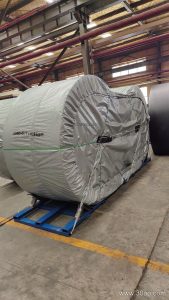
The ST3150 Conveyor Belt is a steel cord conveyor belt with a nominal breaking strength of 3150 N/mm, placing it among the highest-strength belts used in continuous bulk handling. It belongs to the same family as the ST1000, ST1250, ST1600, ST2000 and ST2500 grades, which share a construction of parallel steel cords embedded in rubber. Where the lower grades suit medium-duty conveying, the ST3150 grade is chosen when a single flight must carry very large tonnages over long distances with limited take-up and few transfer points.
The accurate equivalent name is steel cord conveyor belt, ST3150 grade. It should not be confused with fabric-reinforced belts such as the EP Conveyor Belt or the NN Conveyor Belt, which build strength from woven plies rather than steel cords.
How the Belt Is Built
In a steel cord belt the tensile member is a layer of high-carbon steel cords arranged longitudinally and spaced evenly across the width. Each cord is tensioned during manufacture so that load shares evenly between neighbouring cords. Rubber bonds the cords, and the top and bottom covers protect the carcass from abrasion, impact and moisture.
- Carcass steel cords, usually brass-plated for adhesion to rubber
- Core rubber cushions the cords and prevents cord-to-cord chafing
- Top cover takes the impact of lumps and the sliding abrasion of the load
- Bottom cover runs against idler rollers and drive pulleys
- Edges cut square or protected, depending on splice method
Cover thickness is stated as top plus bottom, for example 6+2 mm or 8+3 mm. Compound selection follows the duty: an Abrasion Resistant Conveyor Belt cover for hard rock, a Heat Resistant Conveyor Belt cover for sinter or clinker, a Flame Retardant Conveyor Belt cover for coal, or an Oil Resistant Conveyor Belt cover where lubricants or oily cargo are present. Anti-Static Conveyor Belt covers are common in underground service.
Typical Service Conditions
The ST3150 grade most often appears in mines, cement works, power plants and large quarries where a main line hauls run-of-mine ore or crushed stone. It is a natural fit for a Heavy-Duty Mining Conveyor Belt duty on an Iron Ore Conveyor Belt or Copper Ore Conveyor Belt line, for long overland flights at a port, and for primary crushing discharge where an Impact Resistant Conveyor Belt cover absorbs lump impact. In coal preparation and underground layouts, flame-retardant grades of the same steel cord family are specified instead of the plain version.
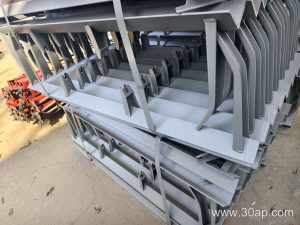
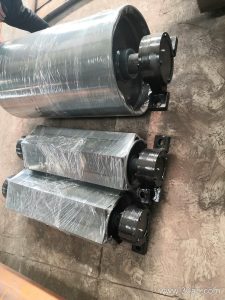
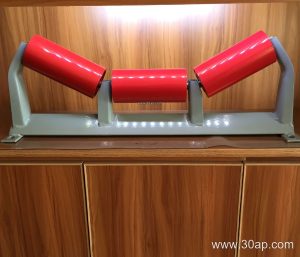
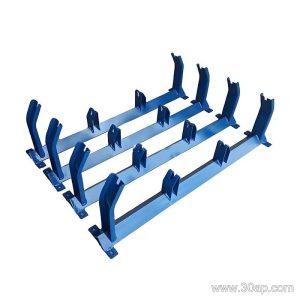
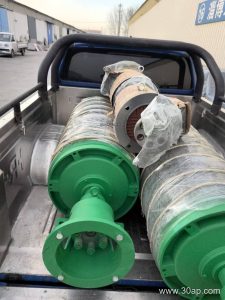
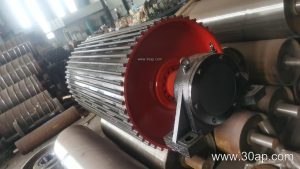
The belt works together with the rest of the conveyor: idler rollers support the loaded strand, a conveyor pulley at the drive and tail ends transmits and redirects tension, and conveyor brackets hold the frames and troughing sets in alignment. A well-aligned structure protects the belt edges and extends splice life.
Strength, Width and Cover Reference
Steel cord belt strength is normally quoted in N/mm. The ST3150 grade sits at the upper end of the common range, and belt width must be selected to suit the required tension and the lump size, not the other way round. The following values are common reference data only; final specification is confirmed by design for each conveyor.
| Parameter | Reference values |
|---|---|
| Strength grade | ST3150 (3150 N/mm nominal) |
| Related steel cord grades | ST1000, ST1250, ST1600, ST2000, ST2500 |
| Belt width | B800, B1000, B1200, B1400, B1600, B1800, B2000 |
| Cover thickness (top + bottom) | 5+2, 6+2, 8+3 mm |
| Cover compounds | Abrasion resistant, heat resistant, flame retardant, anti-static, oil resistant |
| Splice | Vulcanised steel cord splice, or mechanical where permitted |
There is no fixed rule that a given belt width matches one pulley diameter; drive and tail pulley sizes follow the belt tension, cord construction and manufacturer guidance. For comparison, fabric belts such as an EP1000 Conveyor Belt or a Multi-Ply Fabric Core Conveyor Belt cover lower-tension duties on shorter conveyors and are not substitutes where ST3150 tension is required.
What a Buyer Should Confirm
- Required tension and the resulting strength grade, with any margin for starting and braking
- Belt width and troughing angle, matched to lump size and tonnage
- Cover compound and thickness for the actual cargo and ambient conditions
- Flame retardant or anti-static requirements for underground coal or dusty service
- Pulley and idler roller compatibility, including minimum pulley diameter
- Splice method, spare length for the joint, and the take-up travel available
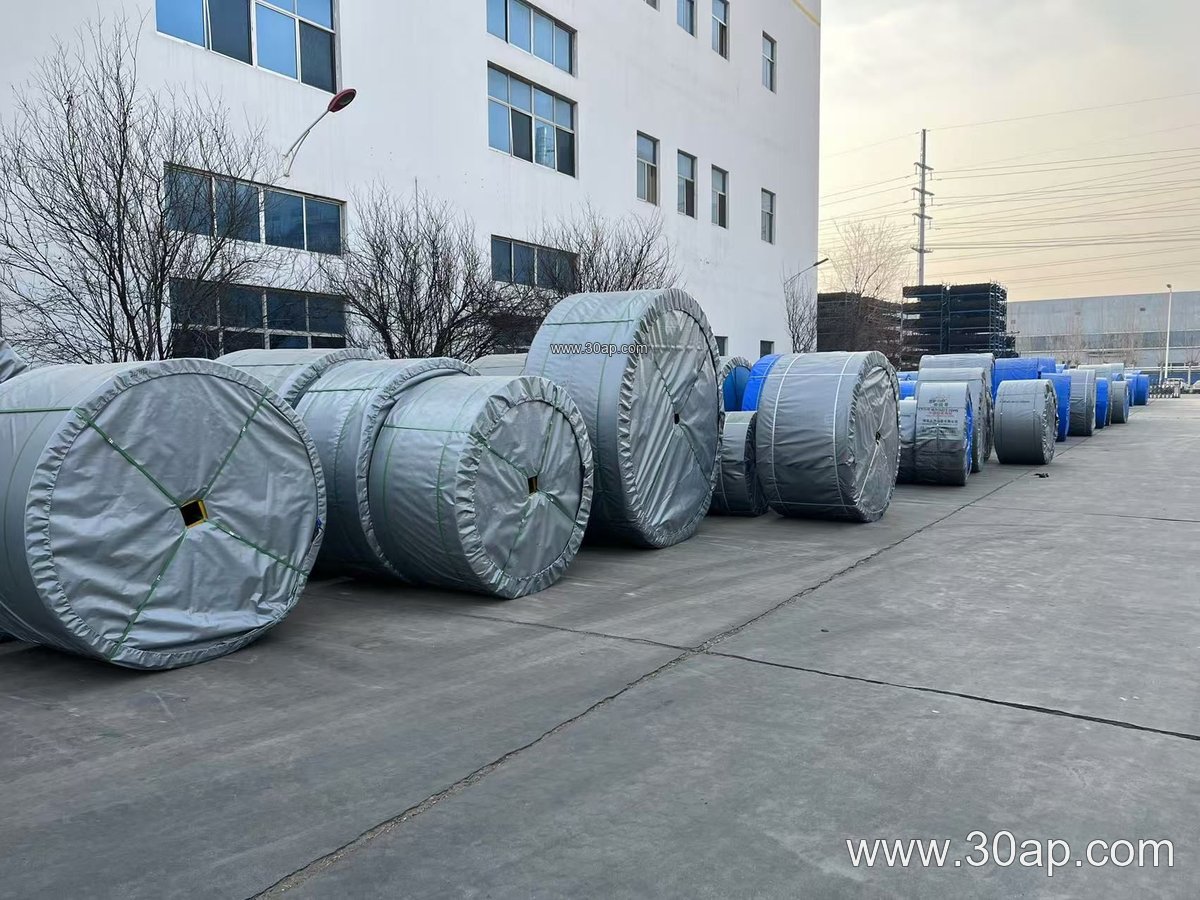
- Storage and handling plan, since heavy steel cord rolls need proper lifting gear
Installation and Maintenance Notes
Steel cord belts are normally joined by a vulcanised splice that reproduces the cord spacing and step pattern of the original belt. Training the belt correctly after splicing avoids edge damage and cord fatigue. In service, watch the top cover for cuts that expose the cords, check that idler rollers turn freely, and keep the conveyor pulley lagging clean and evenly worn. A belt running straight on well-maintained frames usually reaches its expected cover life; a misaligned frame or a seized roller can shorten it quickly.
For long overland lines, review belt tension at start-up and confirm that the drive pulley has enough wrap and lagging. Because the ST3150 Conveyor Belt is a high-tension item, small alignment errors cost more than on a light fabric belt, so commissioning checks deserve time and attention.