What the ST1250 Conveyor Belt Is
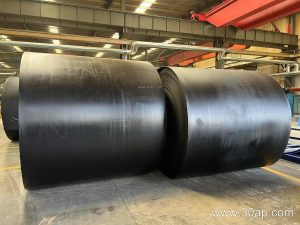
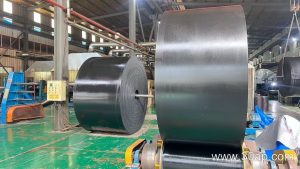
The ST1250 Conveyor Belt is a steel cord conveyor belt with a nominal tensile strength of 1250 N/mm. It belongs to the ST series, a family of steel cord belts identified by their strength rating, and it sits in the middle of that range, above ST1000 and below ST1600. In plants where a single flight has to carry a heavy load over a long distance, this belt is often the practical choice because the steel cord carcass carries tension with very little stretch compared with fabric constructions.
Buyers sometimes describe it as an ST1250 steel cord belt or a 1250 N/mm steel cord conveyor belt. All three names refer to the same product. It should not be confused with fabric-core belts such as EP1000 or NN300, which use woven plies rather than steel cords and serve a different part of the duty range.
How the Belt Is Built
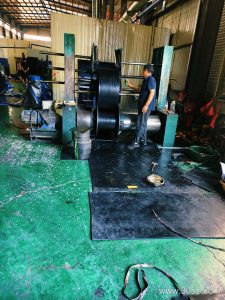
The carcass consists of parallel steel cords embedded in a rubber core compound. The cords run longitudinally and are spaced evenly across the width, so the belt behaves as a single high-tension unit. Top and bottom cover rubber protect the cords from abrasion, impact, moisture and, where required, heat, oil or flame. The cover grade is selected for the site conditions rather than fixed by the strength rating.
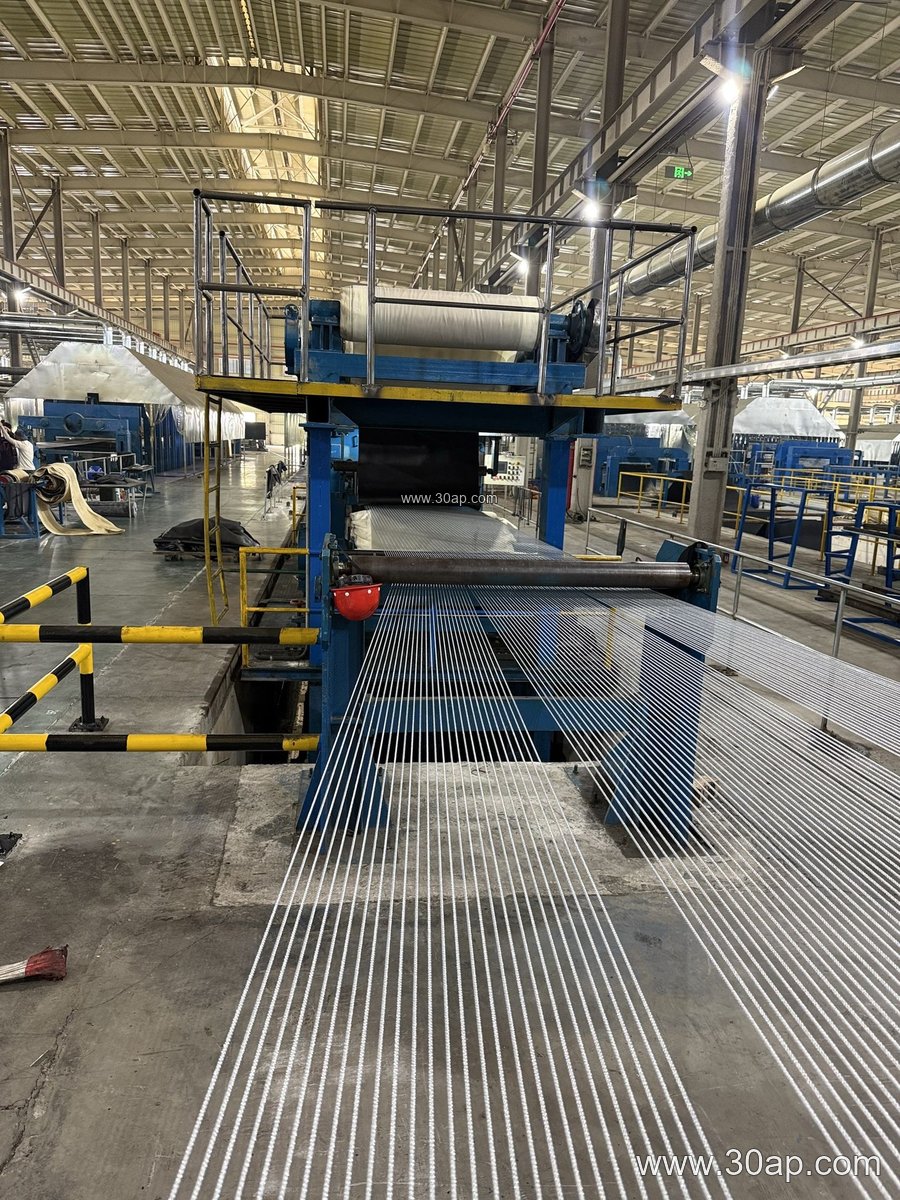
Common cover thickness combinations include 4+2 mm, 5+2 mm, 6+2 mm and 8+3 mm, with the first figure being the top cover and the second the bottom cover. Heavier top covers are typical on primary crushing and transfer points where lump size and drop height cause wear. The cord pitch, cord diameter and number of cords are determined by the belt designer and vary between manufacturers.
Typical Working Conditions
Steel cord belts of this strength class are common in mines, coal preparation plants, cement works, power stations, steel plants, quarries and port bulk terminals. They suit long overland conveyors, inclined trunk conveyors and main haulage lines where the belt runs over multiple pulleys and idler roller sets.
- Primary and secondary crushing circuits in stone crushing and sand making plants
- Ore transport in iron ore, copper ore and gold mining operations
- Coal handling and underground coal mining lines where flame retardant grades are specified
- Cement plant raw meal and clinker transport
- Ship loading and stockyard conveyors at ports
Because the belt is stiff in the longitudinal direction, the conveyor pulley diameters, take-up travel and transition distances need to be checked against the belt manufacturer’s data. Drive pulley, tail pulley and bend pulley each have their own diameter requirements, and none of them can be substituted for another in the specification.
Specification Points a Buyer Should Confirm
The strength rating alone does not define a belt. The following table lists the items normally agreed before an order is placed. Values are indicative and should be confirmed with the supplier for each project.
| Item | Typical options or notes |
|---|---|
| Belt type | ST1250 steel cord conveyor belt |
| Nominal strength | 1250 N/mm |
| Belt width | B800, B1000, B1200, B1400, B1600, B1800, B2000 and other widths by design |
| Cover thickness | 4+2, 5+2, 6+2, 8+3 mm, or as specified |
| Cover grade | Abrasion resistant, heat resistant, oil resistant, flame retardant, anti-static, cold resistant |
| Belt construction | Open length or endless conveyor belt spliced on site |
| Edge condition | Cut edge or moulded edge, depending on manufacturer |
Width and strength are independent choices. A 1200 mm wide belt and a 1800 mm wide belt can both be supplied at ST1250 strength; the width follows the tonnage and lump size, while the strength follows the tension calculation. Do not assume that one belt width corresponds to one pulley diameter or one shaft size.
Related Components and Belt Variants
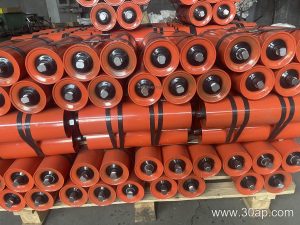
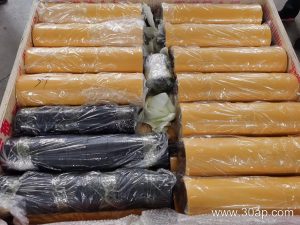
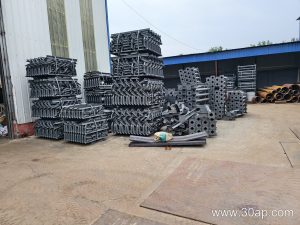
A steel cord belt works as part of a system. The conveyor pulley diameters, the idler roller spacing, the conveyor bracket layout and the loading chute all affect belt life. Impact Resistant Conveyor Belt designs with thicker top covers are sometimes used at the feed point of the same conveyor, while the main haul remains an ST1250 belt.
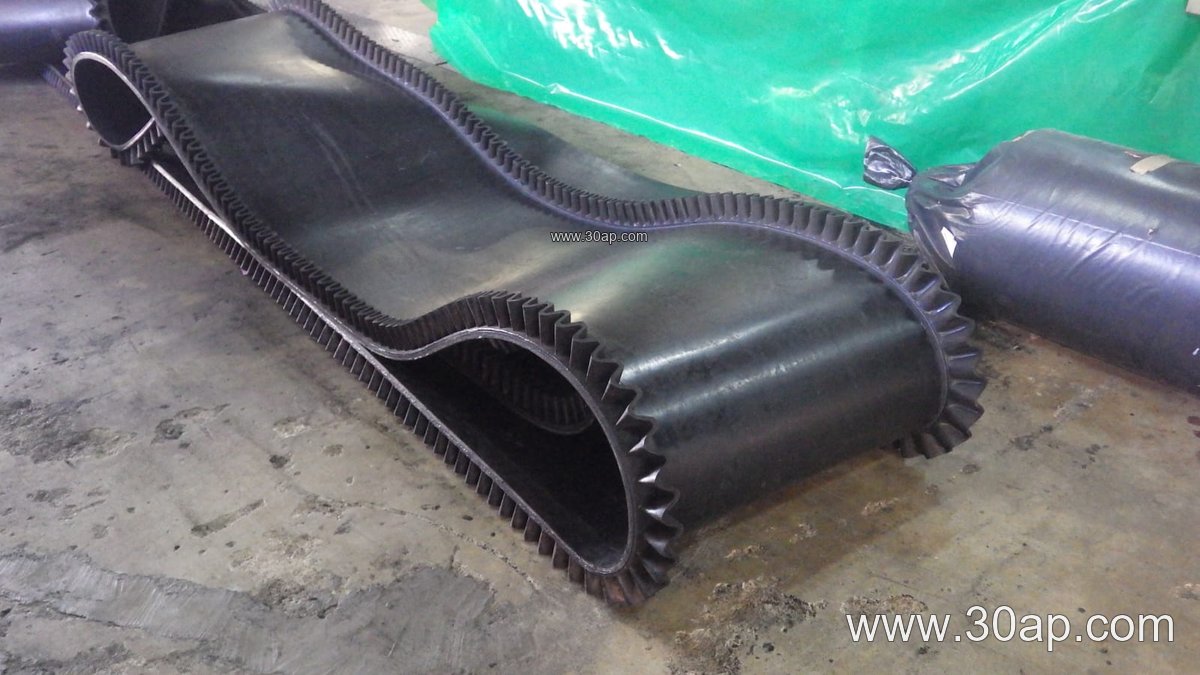
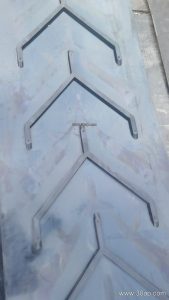
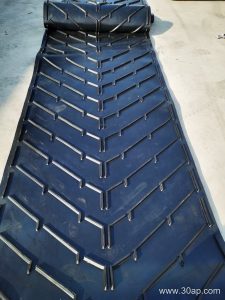
For special routes, other constructions may be considered: a Corrugated Sidewall Conveyor Belt or Skirted Conveyor Belt for steep inclines, a Chevron Conveyor Belt for gradients within the friction limit, or a Pipe Conveyor Belt where dust control and route curvature matter. These are different products and are not replacements for the ST1250 belt on a straight high-tension haul.
Installation and Maintenance Notes
Splicing is the most sensitive step. Steel cord belts are usually spliced by vulcanisation with the cords re-laid at the correct pitch, and the splice strength depends on workmanship as much as on materials. Keep the belt tracking well aligned through the tail pulley and bend pulley, check idler roller rotation regularly, and inspect the cover for cuts that could admit water to the cords. Water ingress is the main cause of cord corrosion and premature failure.
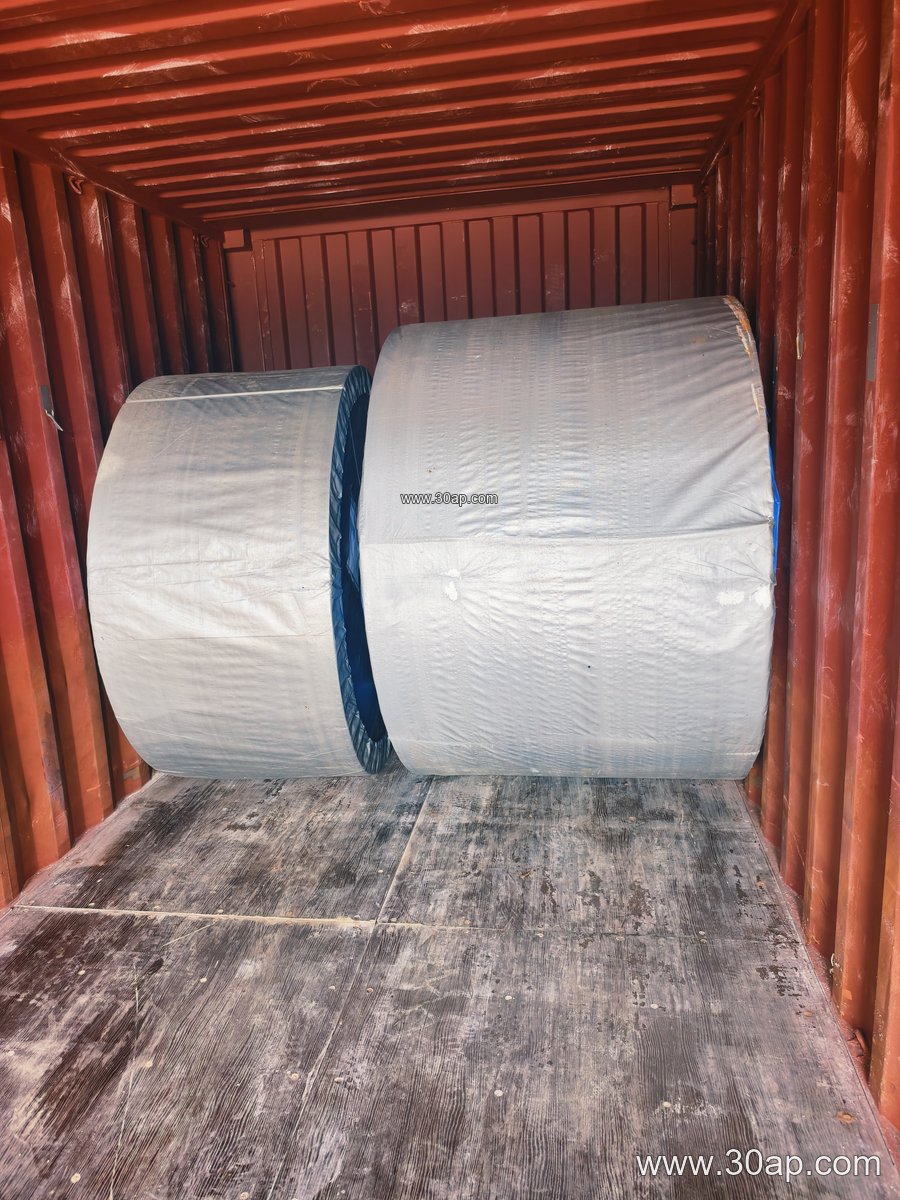
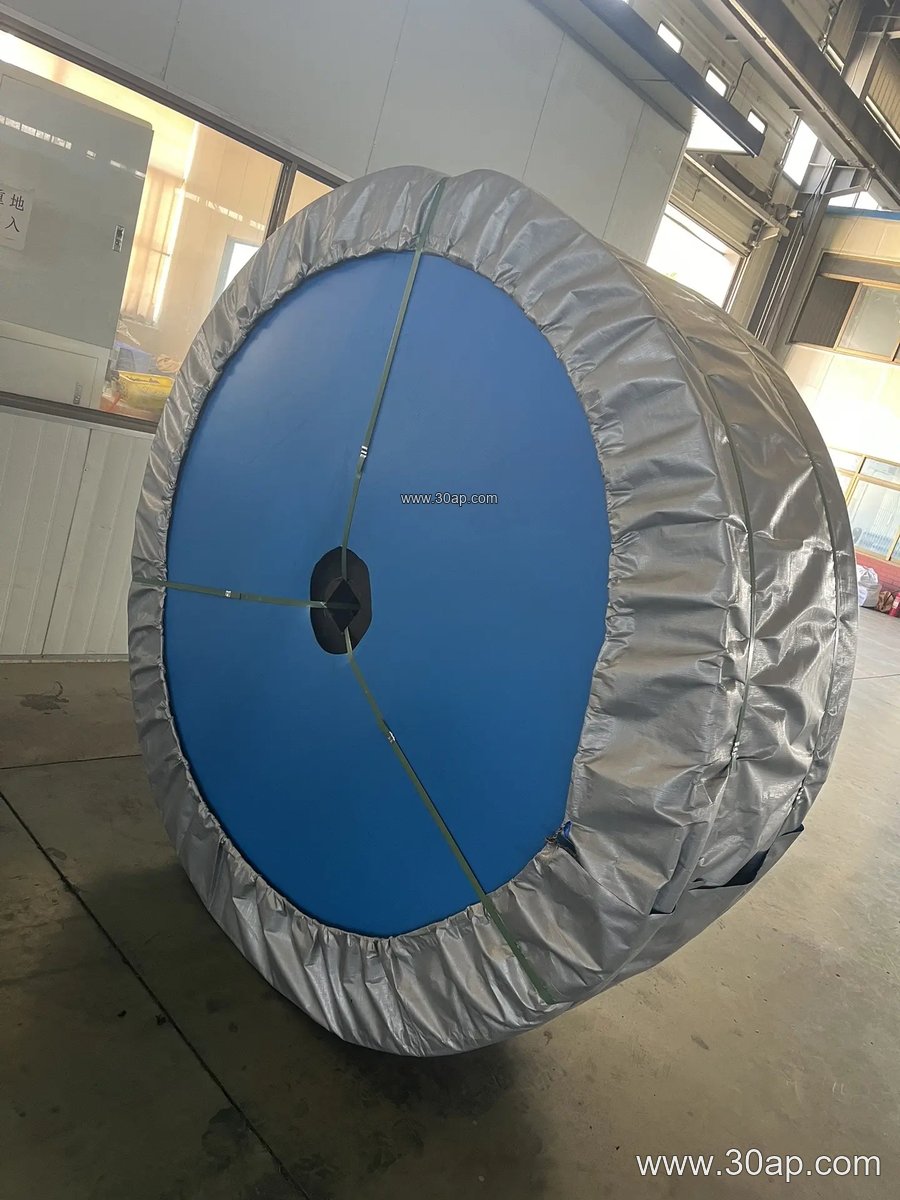
Store spare belt in a dry, shaded place and support coils so they do not deform. When ordering, state the duty, the material carried, the ambient and material temperature, the conveyor length and the pulley diameters so the supplier can confirm the ST1250 Conveyor Belt is suitable for the application.