What a Large Drive Pulley Does on a Conveyor
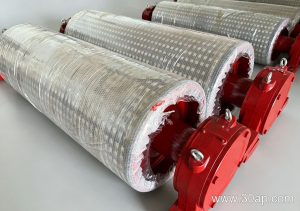
A large drive pulley is the head-end component that transmits motor torque into the conveyor belt and sets the belt in motion. In a typical bulk handling line, the drive pulley is wrapped by the belt over a wide arc, and friction between the pulley surface and the belt cover carries the load. Because it handles the highest tension in the system, this component is usually built with a heavy shell, reinforced hubs, and a shaft sized for torque rather than simply matched to belt width.
Do not confuse it with a tail pulley, which turns at the return end, or a bend pulley, which only redirects the belt. Those parts serve different duties and are not interchangeable with the head drive unit. When a buyer asks for a large drive pulley, the supplier needs the belt width, the required diameter, the working tension, and the environmental conditions before a reliable design can be proposed.
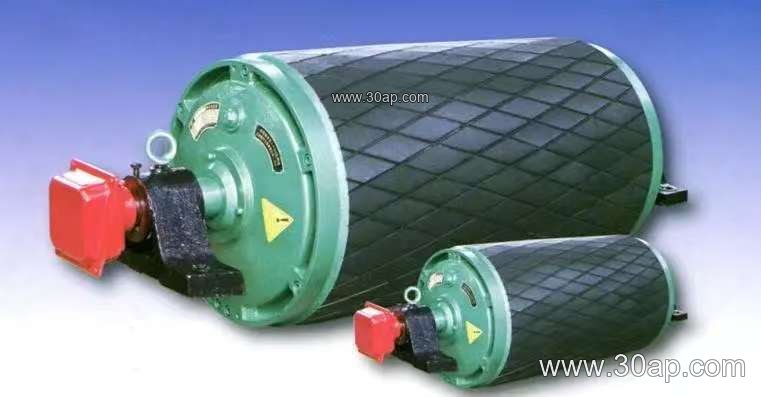
Construction and Surface Options
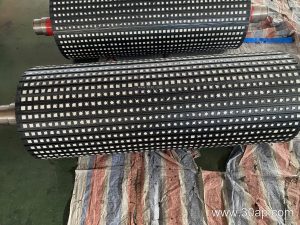
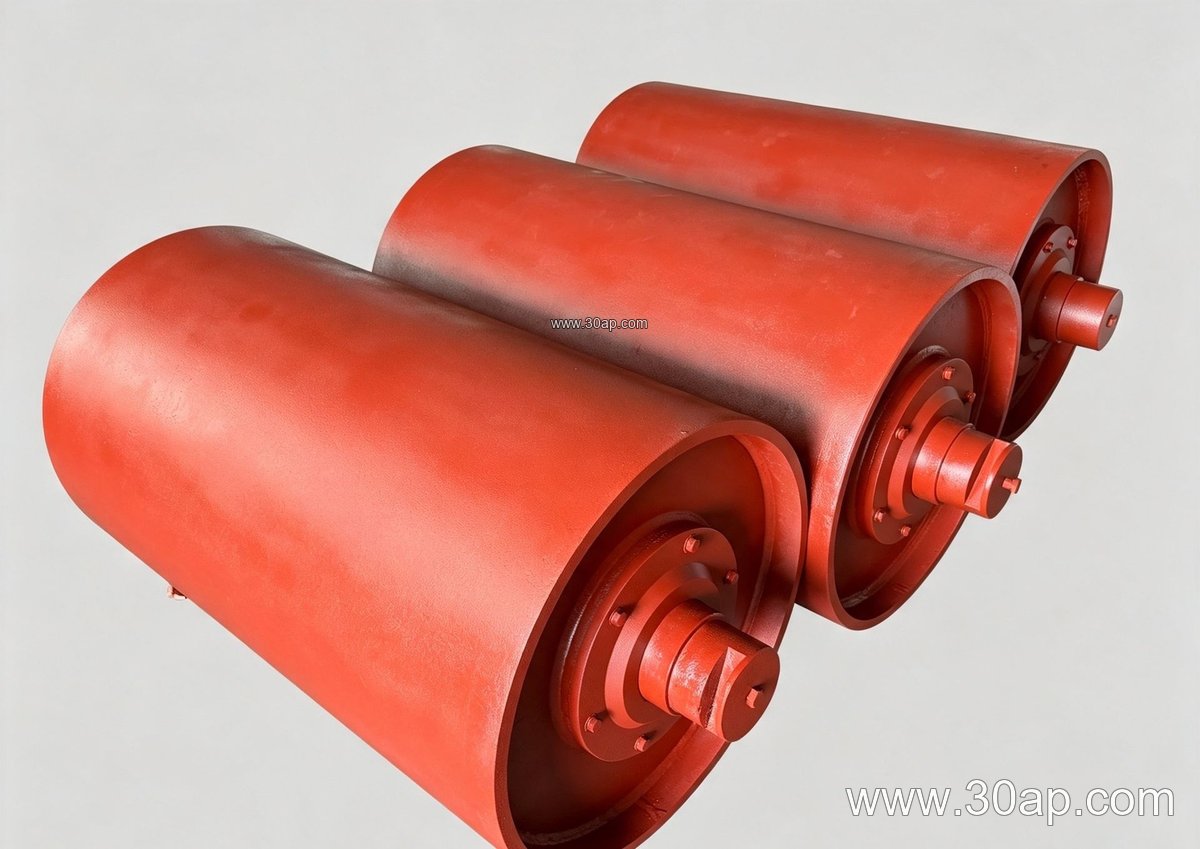
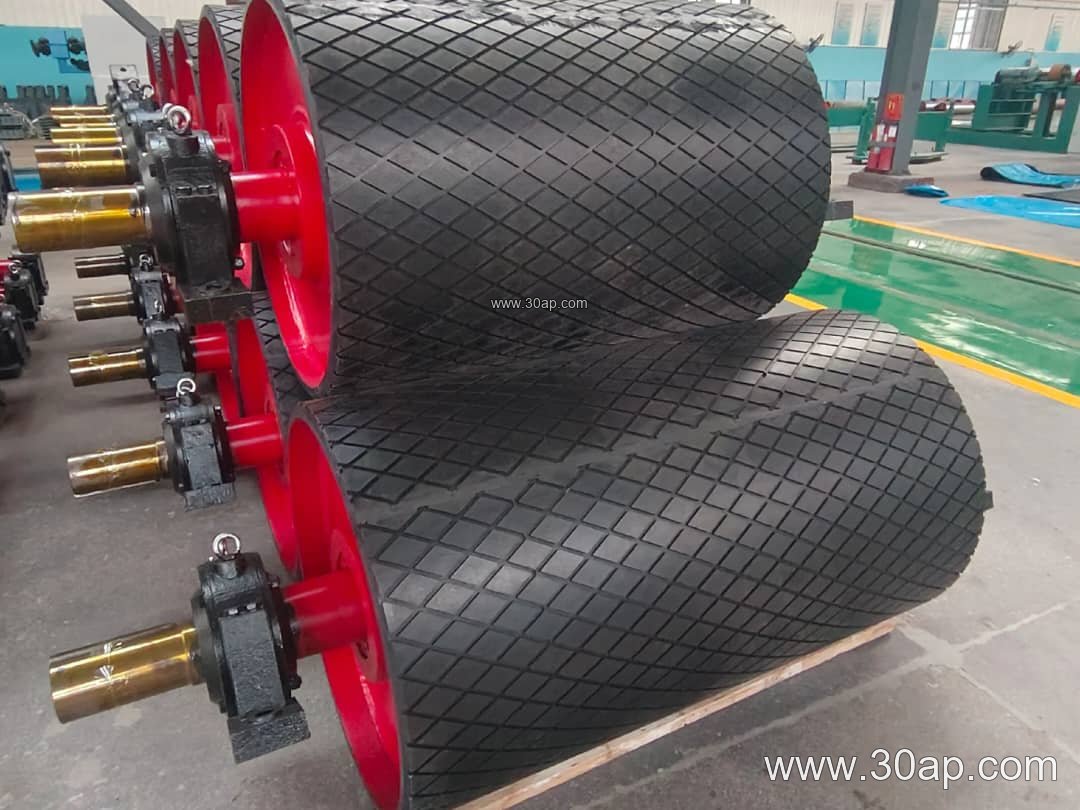
The body is normally a welded steel drum with a machined face, end discs, and a shaft that runs through pillow block bearings mounted on a conveyor bracket. The shell may be supplied plain or covered with rubber. Common covering methods include hot vulcanized rubber, cold bonded rubber, diamond grooving, herringbone grooving, and ceramic lagging. Lagging thickness is often 8, 10, 12, 15, or 20 mm depending on the duty.
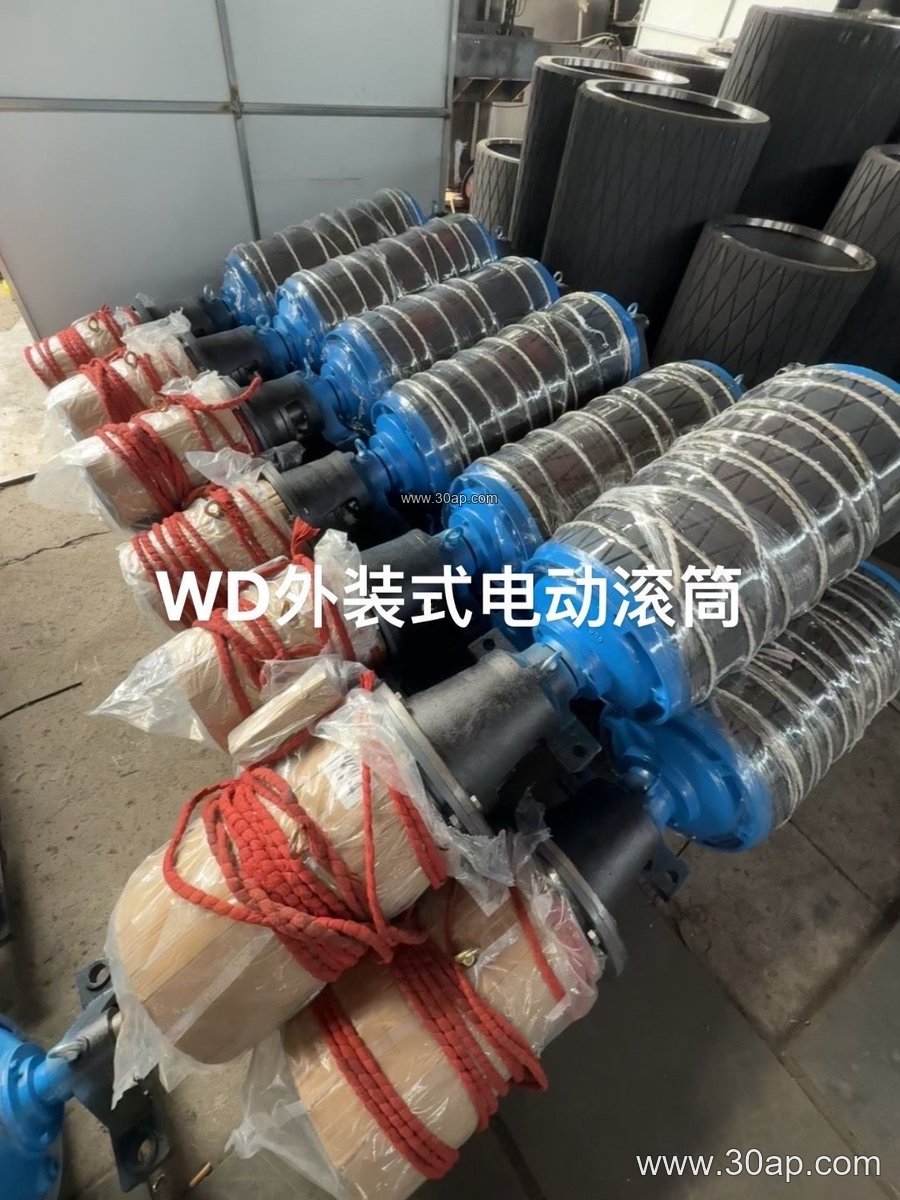
Surface choice should follow the belt and the material being moved. A rubber conveyor belt carrying wet aggregate may need grooved lagging to shed water, while a high abrasion resistant conveyor belt in a quarry line benefits from a tough plain rubber cover. In coal mining conveyor belt service, flame retardant conveyor belt and anti-static conveyor belt requirements usually extend to the lagging material as well, so the pulley supplier should know the belt specification before production.
Common Size References
The table below shows reference values often discussed during selection. These are examples, not fixed pairings; the final diameter is set by belt tension, wrap angle, and shaft load.
| Belt Width | Typical Pulley Face Width | Reference Diameter | Reference Shaft Diameter |
|---|---|---|---|
| B800 | about 950 mm | Ø500 | Ø80 to Ø100 |
| B1000 | about 1150 mm | Ø630 | Ø100 to Ø120 |
| B1200 | about 1400 mm | Ø800 or Ø1000 | Ø120 to Ø160 |
| B1400 | about 1600 mm | Ø800 or Ø1000 | Ø140 to Ø180 |
| B1600 | about 1800 mm | Ø1000 or Ø1250 | Ø160 to Ø200 |
| B1800 | about 2000 mm | Ø1250 or Ø1400 | Ø180 to Ø200 |
Larger drums up to Ø1600 and Ø1800 exist for very high tension installations, and widths from B2000 to B2400 are used on wide belts in port and steel plant conveyors. A B1200 × Ø1000 unit is a common combination in cement plants, but it is not the only valid match. Shaft diameter must be calculated from torque and bearing load, never assumed from belt width alone.
Where These Pulleys Are Installed
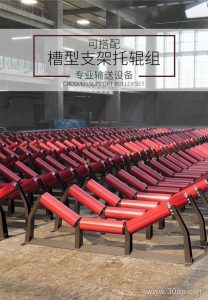
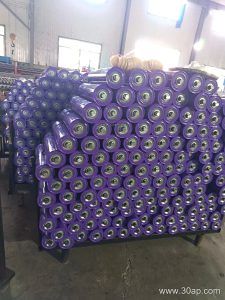
You will find large drive pulleys at the discharge end of overland conveyors in iron ore and copper ore operations, at the head of coal mining conveyor belt systems, and on the main transfer conveyors of a cement plant. Power plant coal handling, port ship loading, and aggregate crushing lines also rely on them. In these settings, the pulley works alongside a conveyor belt, idler roller sets, and a conveyor bracket frame, so alignment across the whole structure matters as much as the pulley itself.
Where the material is hot, such as clinker or sinter, a heat resistant conveyor belt may run over a pulley with heat tolerant lagging. Where oil or chemicals are present, an oil resistant conveyor belt or chemical resistant conveyor belt calls for a compatible cover. For steep inclined sections, a chevron conveyor belt or corrugated sidewall conveyor belt changes the belt profile, and the pulley face and side clearance must be checked accordingly.
Buyer Checklist
- Belt width and belt type, for example EP conveyor belt, steel cord conveyor belt, or multi-ply fabric core conveyor belt, plus the belt cover grade.
- Required pulley diameter, face width, and lagging type with thickness.
- Working tension, wrap angle, and starting torque so the shaft and bearings can be sized correctly.
- Environmental factors such as dust, moisture, temperature, and fire risk, which may call for a flame retardant conveyor belt or fire resistant conveyor belt specification on the belt side.
- Mounting details, including bearing centers and the conveyor bracket interface.
- Balancing and inspection requirements, since an unbalanced large drum shortens bearing life.
During installation, check that the pulley axis is square to the belt centerline. A drive pulley that is out of alignment will cause belt tracking problems and edge wear, even if the drum itself is well made. Routine checks of lagging wear, bolt tightness, and bearing temperature keep the unit running through long shifts in quarry, mining, and power plant duty. For matching components, visit conveyor pulley and idler roller pages to compare options before ordering.