What Is an NN100 Conveyor Belt
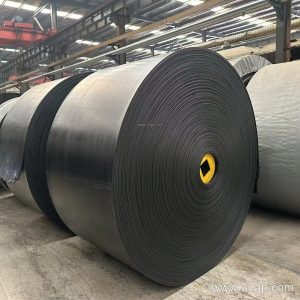
An NN100 conveyor belt is a fabric-core belt built with nylon (NN) warp and weft cords, rated for a tensile strength of 100 N/mm per ply. It belongs to the broader family of NN Conveyor Belt products, which are valued for their high strength-to-weight ratio, good flexibility, and resistance to fatigue. The NN100 grade is typically used in medium-duty applications where moderate tension and moderate impact are expected. It is distinct from an EP Conveyor Belt, which uses polyester warp and nylon weft, and from a Steel Cord Conveyor Belt, which relies on steel wires for very high tensions. Understanding these differences helps buyers select the right belt for their conveyor system.
Construction and Design
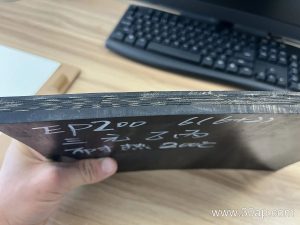
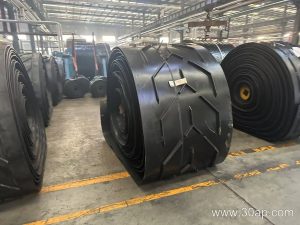
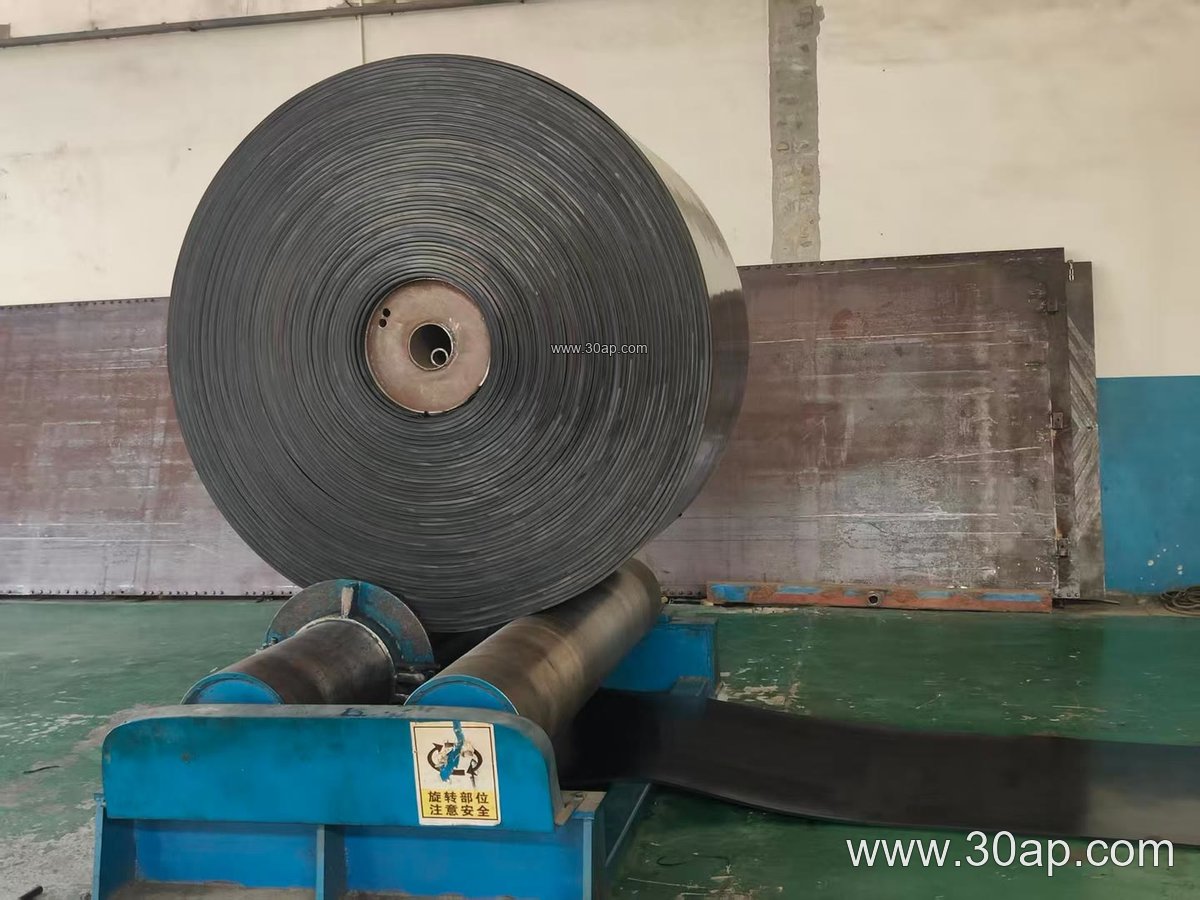
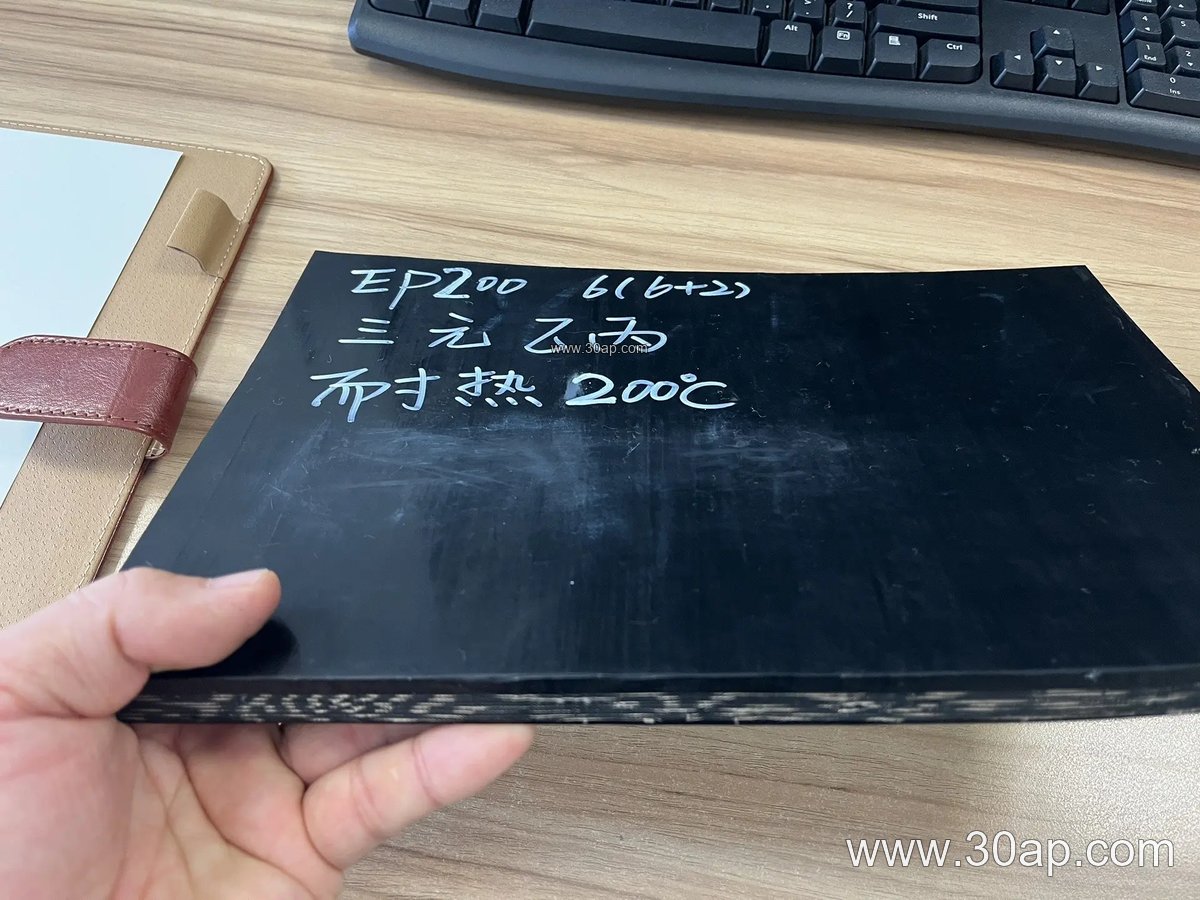
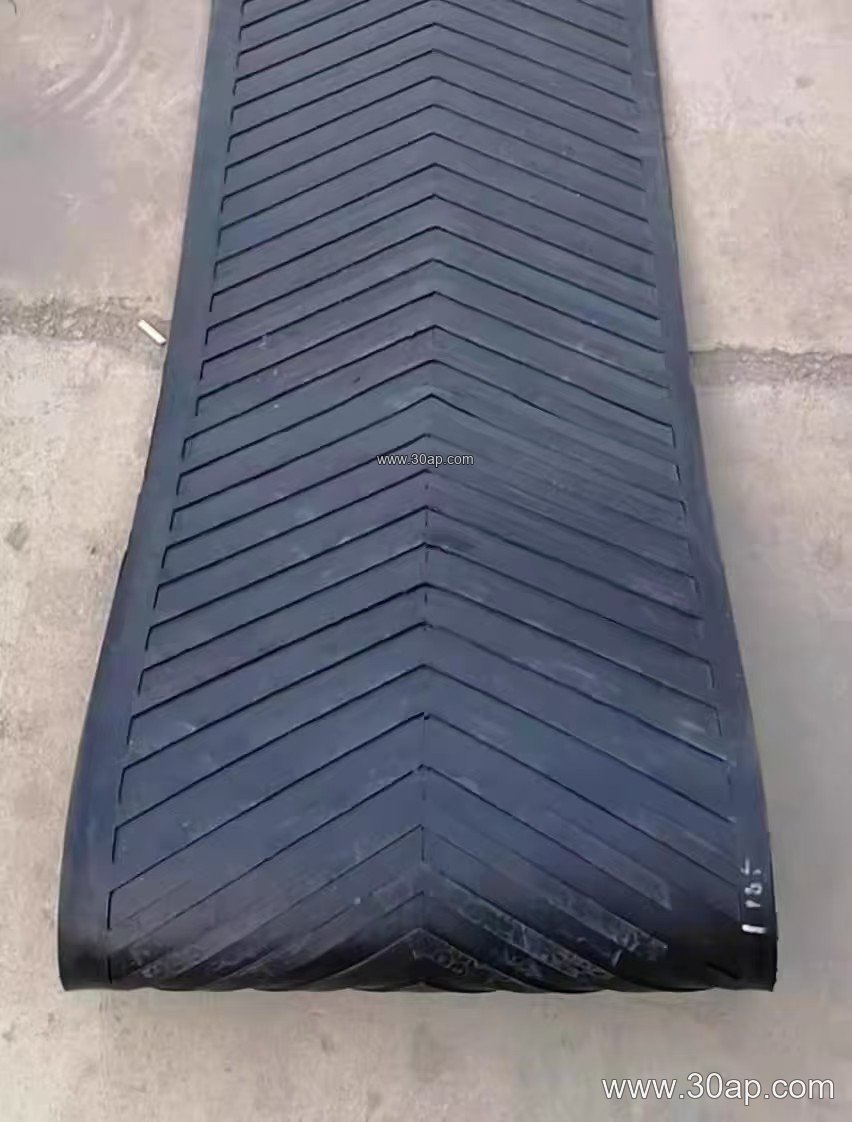
The NN100 belt is a Multi-Ply Fabric Core Conveyor Belt, usually made with two to four plies of nylon fabric. The plies are bonded with rubber skim compound and protected by top and bottom cover rubber. Common cover thicknesses include 3+1.5 mm, 4+2 mm, and 5+2 mm, with heavier covers such as 6+2 mm or 8+3 mm available for more abrasive conditions. The rubber grades can be tailored for specific duties: Abrasion Resistant Conveyor Belt, Heat Resistant Conveyor Belt, Oil Resistant Conveyor Belt, Flame Retardant Conveyor Belt, and Anti-Static Conveyor Belt are among the options. The belt edges may be cut or molded, and the surface can be smooth or patterned, such as a Chevron Conveyor Belt for inclined haulage. A Skirted Conveyor Belt or Corrugated Sidewall Conveyor Belt is a different construction and would not be a direct substitute for a flat NN100 belt.
Typical Applications
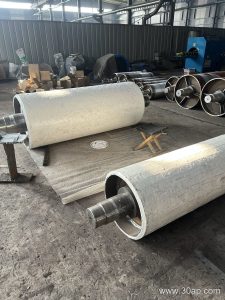
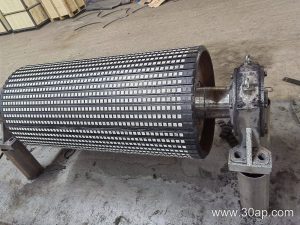
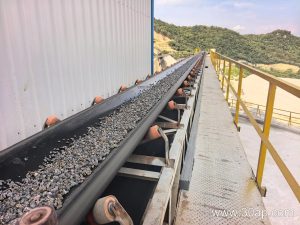
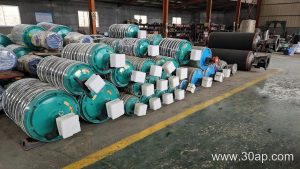
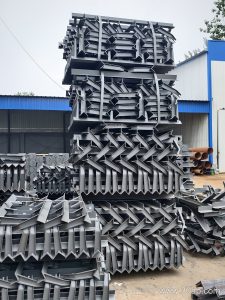
NN100 belts are found in a wide range of bulk material handling operations. In the mining sector, they may serve as a Mining Conveyor Belt for ore and waste rock on secondary or tertiary conveyors. In coal mining, a Flame Retardant Conveyor Belt grade is often specified for safety. Cement plants use NN100 belts on clinker and raw meal lines, while power plants employ them for coal and ash handling. Quarries and aggregate operations use them as a Quarry Conveyor Belt or Aggregate Conveyor Belt. Other common industries include steel plants, ports, and recycling facilities. The belt runs over conveyor pulleys—drive, tail, and bend pulleys—and is supported by idler rollers and conveyor brackets. These components are not interchangeable; each pulley type has a specific role in the conveyor layout.
Key Specifications and Options
When specifying an NN100 Conveyor Belt, several parameters should be confirmed. The table below lists common reference values; actual sizes and constructions are determined by the conveyor design and the manufacturer’s data.
| Parameter | Common Options |
|---|---|
| Belt width | B500, B650, B800, B1000, B1200, B1400, B1600, B1800, B2000 mm |
| Number of plies | 2 to 4 plies (NN100) |
| Cover thickness (top + bottom) | 3+1.5 mm, 4+2 mm, 5+2 mm, 6+2 mm, 8+3 mm |
| Cover rubber type | Abrasion resistant, heat resistant, oil resistant, flame retardant, anti-static, cold resistant |
| Surface form | Smooth, chevron (patterned) |
| Edge type | Cut edge or molded edge |
Note that belt width and pulley diameter are matched by conveyor design, not by a fixed rule. A wider belt does not automatically require a specific shaft diameter. The NN100 rating refers to the fabric strength per ply; the total belt strength depends on the number of plies and the splice efficiency.
Selection and Maintenance Tips
Choosing the right NN100 belt involves reviewing the maximum operating tension, load weight, impact conditions, and environmental factors. For high-abrasion service, an Abrasion Resistant Conveyor Belt cover is advisable. For hot materials such as cement clinker or sinter, a Heat Resistant Conveyor Belt grade should be selected. In cold climates, a Cold Resistant Conveyor Belt may be needed to prevent cracking. For underground coal mining, a Flame Retardant Conveyor Belt with anti-static properties is often required. Regular maintenance includes checking belt tracking, inspecting splices, monitoring cover wear, and ensuring idler rollers and pulleys turn freely. Misalignment or a seized idler roller can quickly damage the belt edge. Proper storage away from sunlight and ozone also extends belt life.
For more information on NN100 Conveyor Belt and related components such as conveyor pulleys and idler rollers, consult your conveyor system designer or belt supplier. Always confirm the final specification against the actual duty conditions and the manufacturer’s published data.