What an Idler Quotation Covers
An idler quotation is a priced, itemized offer for the rollers that support the conveyor belt along its run. In many plants the idler roller is the highest-count wear part on the line, so the quotation usually lists each position in the trough, not just a lump price. A good quote shows the idler type, roll diameter, roll length, trough angle, bearing size, and shell material for every line item, so the maintenance team can match the offer against the drawing before placing an order.
The document should also state which section of the conveyor each item belongs to. Carrying idlers on the top strand, return rollers underneath, and impact or transition units near the loading point are quoted separately because they are built differently and are not interchangeable. A buyer who receives a single total for “idlers” without a breakdown cannot verify what will arrive on site.
How the Roller Is Built
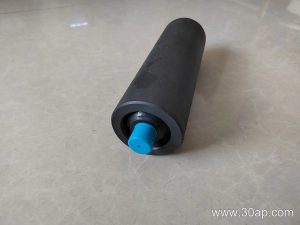
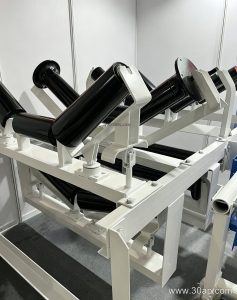
A typical idler roller consists of a steel tube shell, two bearing housings, a shaft, and a sealing arrangement at each end. The seal is often the deciding factor in service life: fine dust from a crusher or a quarry screening deck will destroy an unprotected bearing quickly. Common bearing references include 6204, 6205, 6305, 6306, 6308, and 6310, but the correct bearing depends on the load and the roll diameter rather than on any single rule.
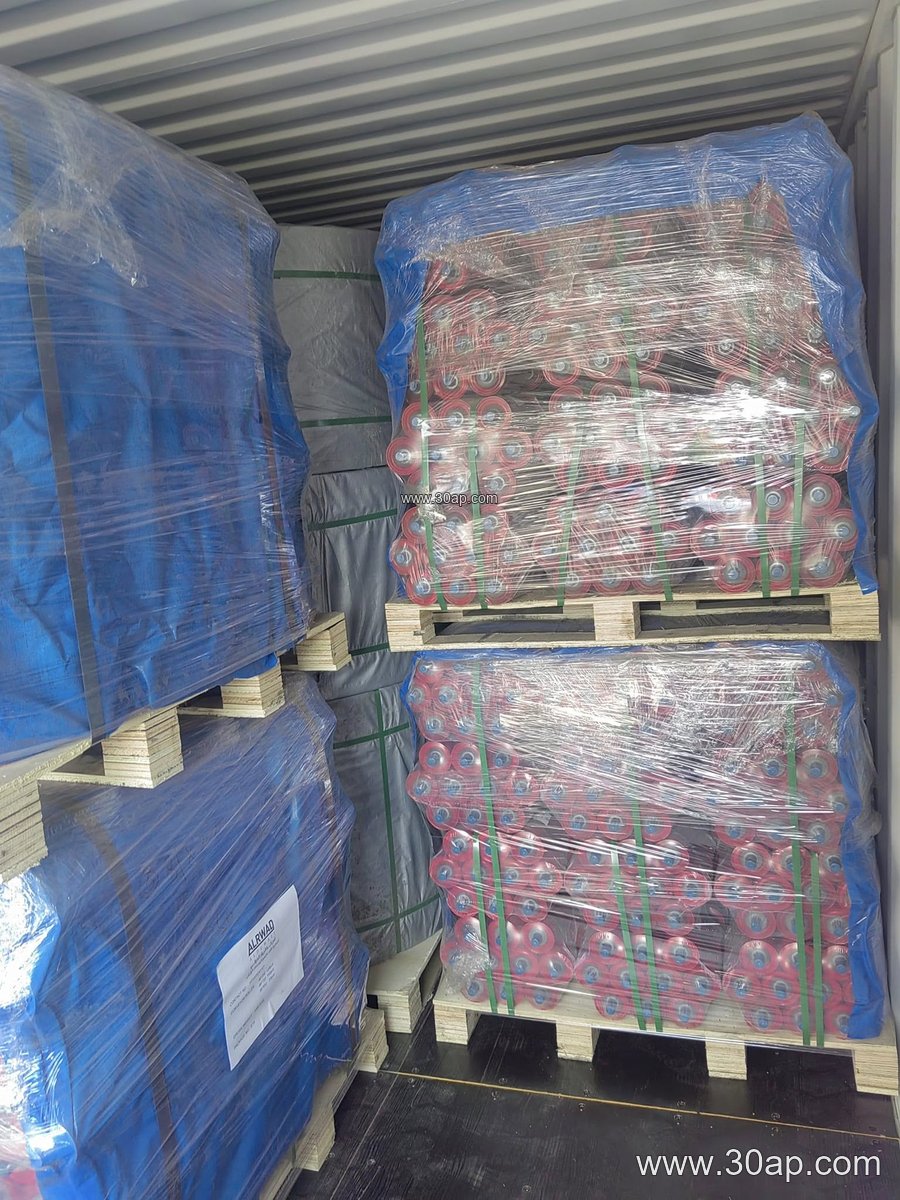
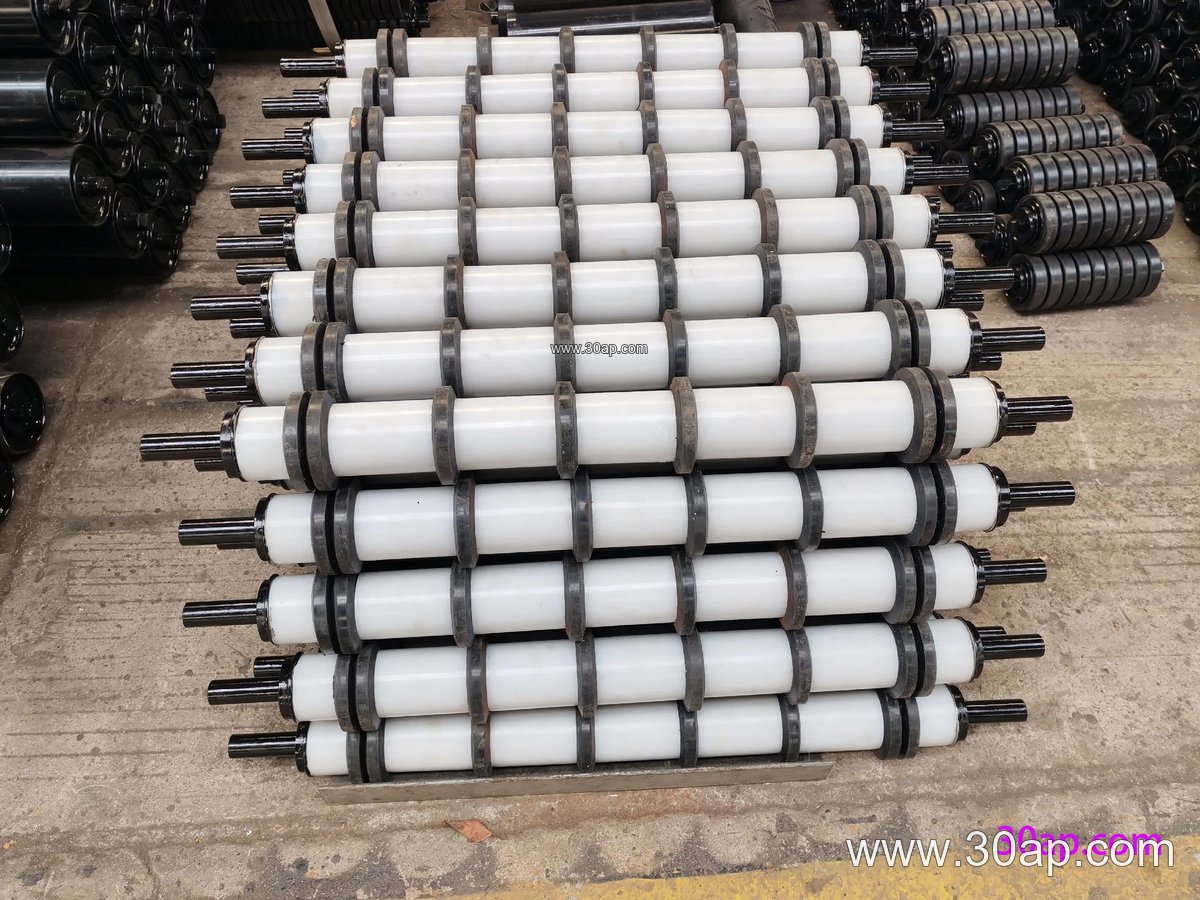
Shells are usually steel tube, with nylon, ceramic, or rubber-ring versions available where abrasion or build-up is a problem. Rubber-ring impact idlers are common under a transfer chute, where lumps fall onto the belt. Spiral and self-aligning designs address tracking and material sticking, but they serve specific duties and should be quoted only where the conveyor design calls for them.
Where the Quotation Is Used
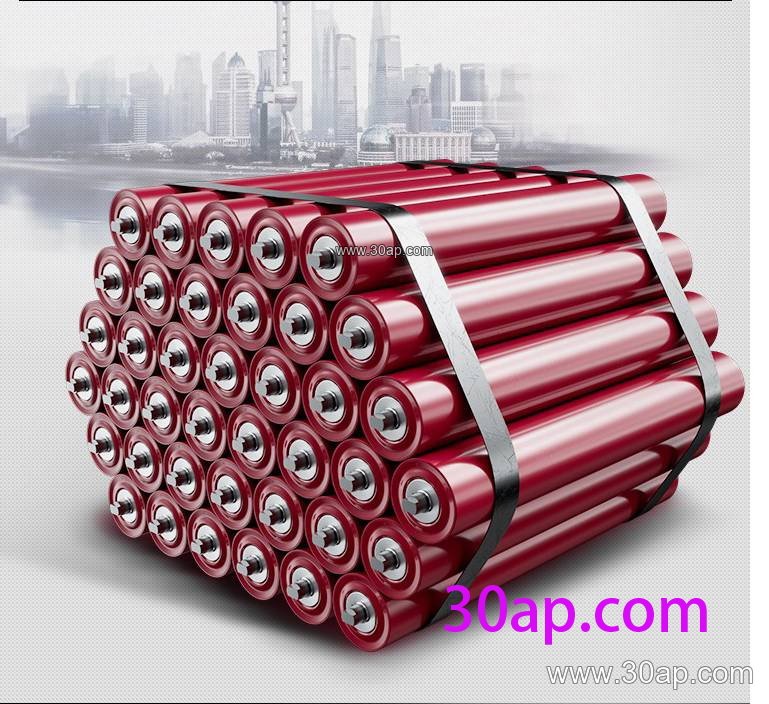
These offers are routine in a coal washing plant, a cement kiln line, a power station coal yard, and an iron ore or copper ore concentrator. In a limestone quarry the carrying idlers on a long overland conveyor may run for years, while the impact positions under the primary crusher discharge need frequent replacement. A single quotation may therefore mix heavy-duty carrying rollers with a small number of cushioned units for the load zone.
The belt itself also shapes the request. A steel cord conveyor belt on a high-tension trunk line, or an abrasion resistant conveyor belt handling sinter and clinker, will be paired with idlers chosen for the same duty. Where the belt is a flame retardant conveyor belt in an underground coal mining conveyor, the roller specification usually follows the same fire-safety requirement, and the quotation should reflect that.
Trough Angles, Diameters, and Belt Widths
Trough angle affects how the belt sits on the idler set and how much material it can carry. Common values are 20, 30, 35, and 45 degrees. Three-roll troughing sets are the usual arrangement, with two-roll and single-roll sets used in narrower or special positions. Roll diameter is normally selected from a range such as Ø63, Ø76, Ø89, Ø102, Ø108, Ø127, Ø133, Ø159, Ø178, Ø194, and Ø219 mm, and the choice depends on belt width, load, and speed together.
The table below gives indicative reference values. They are examples for orientation only and are not fixed pairings.
| Belt width | Typical roll length, three-roll trough (mm) | Typical trough angle |
|---|---|---|
| B500 | about 200 | 20 to 35 degrees |
| B650 | about 250 | 20 to 35 degrees |
| B800 | about 315 | 30 to 35 degrees |
| B1000 | about 380 | 30 to 35 degrees |
| B1200 | about 465 | 30 to 45 degrees |
| B1400 | about 530 | 30 to 45 degrees |
| B1600 | about 600 | 35 to 45 degrees |
| B1800 | about 670 | 35 to 45 degrees |
| B2000 | about 750 | 35 to 45 degrees |
Side rolls and center rolls can differ in length, and the roll length must be confirmed against the conveyor drawing. A wide belt does not by itself dictate one shaft diameter, and one bearing number should never be assumed to fit every roll size.
What a Buyer Should Check Before Approving
- Position by position: carrying, return, impact, transition, and self-aligning units listed separately.
- Roll diameter, roll length, trough angle, and bearing reference stated for each item.
- Shell material and surface form, especially where a rubber-ring or ceramic option is needed.
- Sealing and lubrication details, since dust and water ingress shorten roller life.
- Mounting dimensions that match the existing conveyor bracket and frame.
It also helps to ask how the supplier handles spare parts and repeat orders, because a cement plant or a port terminal will reorder the same idler roller many times over the life of the conveyor. A clear idler quotation with consistent part references makes those repeat purchases faster and reduces the risk of fitting the wrong roller on the wrong section of the line.