What a Parallel Idler Bracket Does
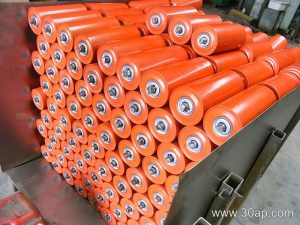
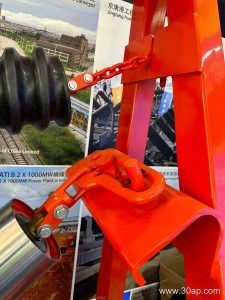
A parallel idler bracket is a support component that holds the idler rollers in a fixed horizontal position along the carrying or return side of a conveyor. Unlike angled troughing brackets that form a trough shape, this bracket keeps the rollers parallel to the belt line, typically used on the return strand or in applications where a flat belt path is required. It mounts directly to the conveyor frame and maintains consistent roller spacing, which helps keep the conveyor belt tracking smoothly without excessive edge wear.
In bulk material handling, the parallel bracket often appears as a lower flat bracket (also called a return bracket) that supports the empty side of the belt. It is distinct from troughing brackets, V-return brackets, and transition brackets, each serving a different function in the conveyor structure. The parallel design ensures that return idlers stay level, reducing belt sag and preventing material buildup on the return run.
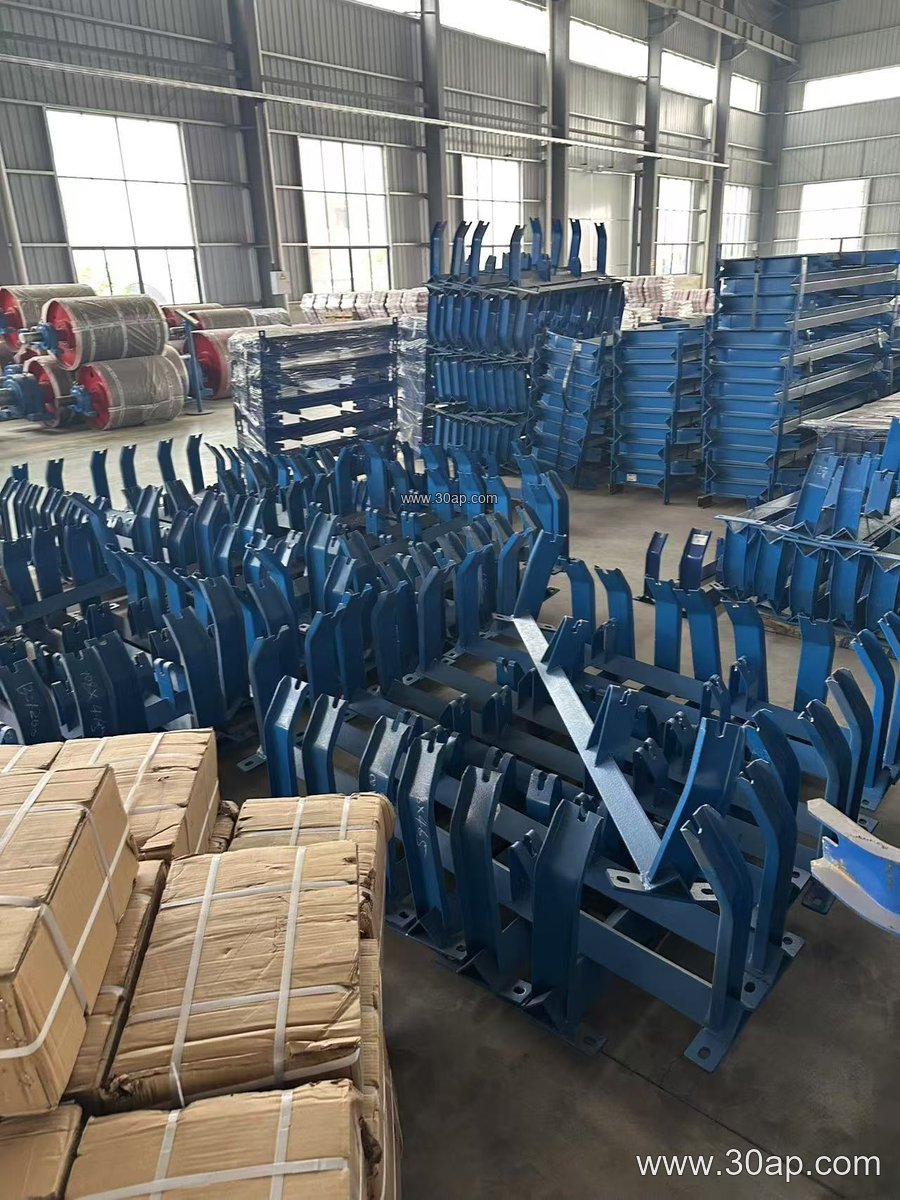
Construction and Materials
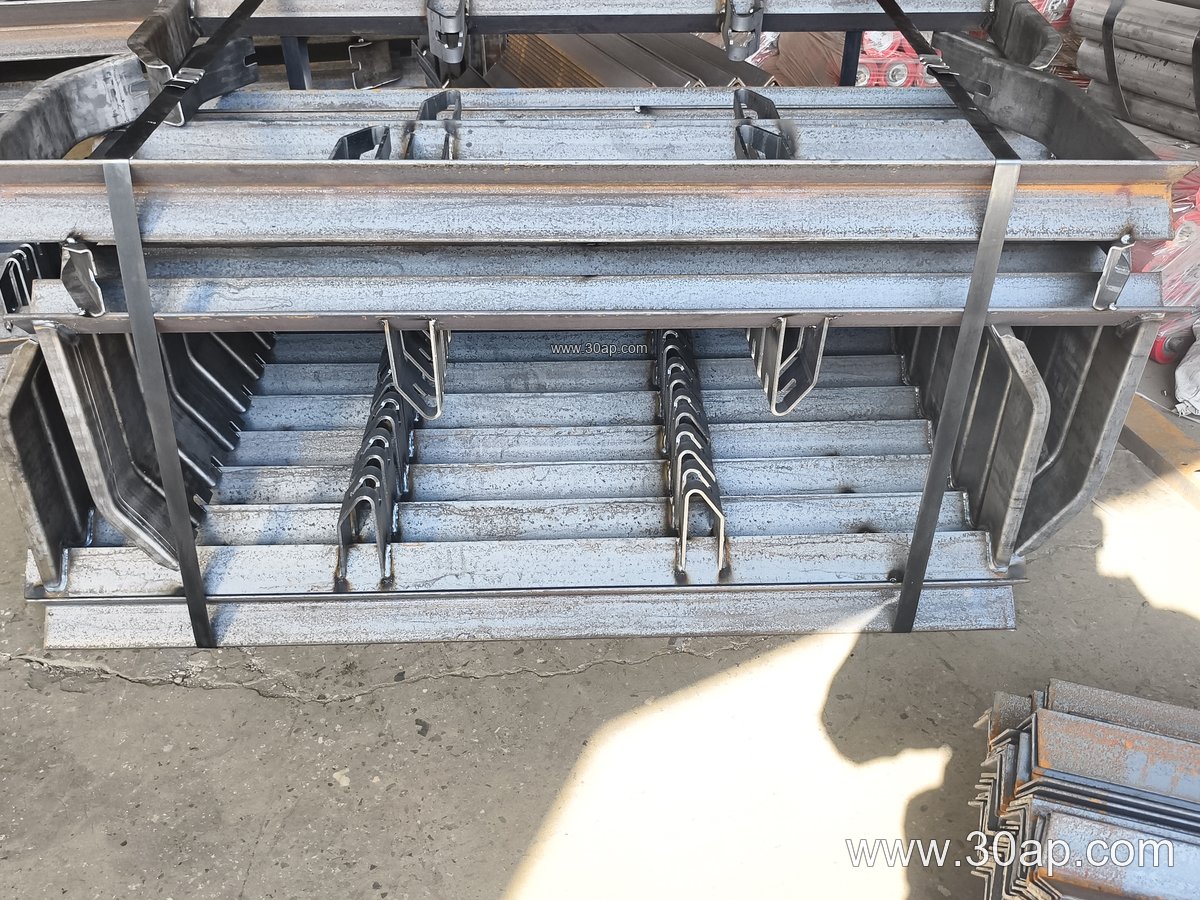
Most parallel idler brackets are fabricated from steel angles, channels, or folded steel plate. The choice of material depends on the load and environmental conditions. For typical quarry or cement plant conveyors, a channel steel bracket offers good rigidity, while folded plate may be used for lighter duty or where space is tight. The bracket usually includes mounting holes or slots that align with the conveyor frame, and the roller support surfaces are positioned to accept standard idler shaft ends.
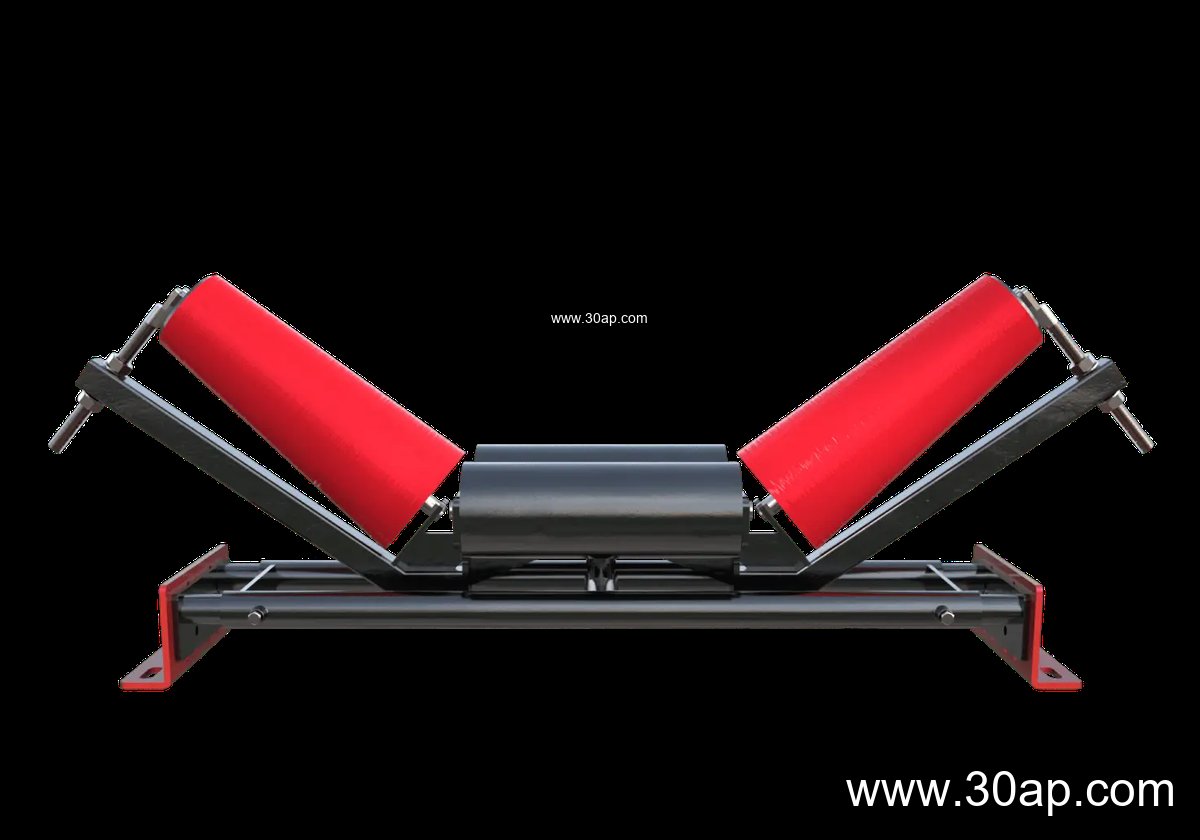
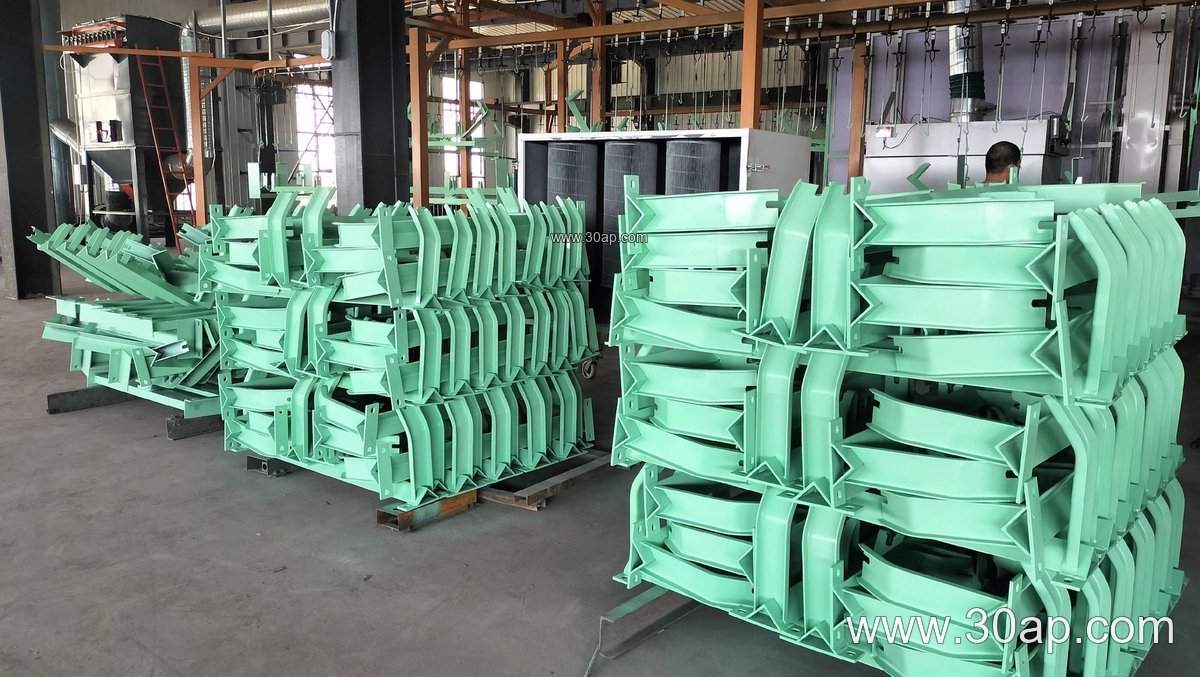
Surface treatment such as painting or galvanizing is common to resist corrosion, especially in wash plants or port facilities where moisture is present. The design may include adjustable features for fine-tuning roller height or alignment, but a fixed parallel bracket is simpler and often preferred for stable, long-running conveyors.
Where It Is Used
Parallel idler brackets are found in a wide range of conveyor systems. In a coal mining operation, they support the return belt on the main haulage conveyor, helping to keep the conveyor belt clean and centered. At a limestone quarry, the parallel bracket may be used on the return side of a primary crushing conveyor, where a flat return path reduces the chance of material carryback. In power plant coal handling, these brackets are part of the return idler assembly that maintains belt tension and reduces wear on the conveyor pulley.
They are also common in sand and gravel plants, cement mills, and port loading systems. The parallel bracket is not limited to the return side; in some flat-belt conveyors, it supports the carrying idlers when a trough is not required, such as in certain food or recycling applications. However, for heavy-duty mining or coal mining conveyor belt systems, troughing brackets are more typical on the carrying side, while the parallel bracket handles the return strand.
Key Parameters and Selection
When specifying a parallel idler bracket, several parameters matter. The belt width determines the bracket length and mounting hole spacing. Common belt widths include B500, B650, B800, B1000, B1200, B1400, B1600, B1800, B2000, and B2200. The bracket must match the frame width and the idler roller diameter. Typical roller diameters are Ø89, Ø108, Ø133, Ø159, and Ø194. The bracket design should also account for the trough angle if used on the carrying side, though parallel brackets are usually flat. For reference, a B800 belt with Ø108 rollers might use a parallel bracket with a specific hole pattern, while a B1200 system with Ø133 rollers requires a longer, heavier bracket.
The table below lists common reference combinations; actual dimensions are determined by the conveyor design and should be confirmed with the manufacturer.
| Belt Width | Typical Roller Diameter | Bracket Type |
|---|---|---|
| B500 | Ø89 | Parallel return bracket |
| B650 | Ø89 or Ø108 | Parallel return bracket |
| B800 | Ø108 | Parallel return bracket |
| B1000 | Ø108 or Ø133 | Parallel return bracket |
| B1200 | Ø133 | Parallel return bracket |
| B1400 | Ø133 or Ø159 | Parallel return bracket |
| B1600 | Ø159 | Parallel return bracket |
| B1800 | Ø159 or Ø194 | Parallel return bracket |
| B2000 | Ø194 | Parallel return bracket |
| B2200 | Ø194 | Parallel return bracket |
These combinations are indicative only; a bracket for B1000 can be designed for different roller diameters depending on load and belt speed. The mounting hole distance and crossbeam length vary with belt width and bracket type, so they are not fixed values.
Buyer Checklist
- Confirm the belt width and the idler roller diameter you plan to use. The bracket must accommodate the roller shaft ends and maintain proper clearance.
- Check the conveyor frame dimensions and mounting hole pattern. A parallel bracket that does not match the frame will require modification or adapter plates.
- Consider the environment. For corrosive or wet conditions, specify galvanized or painted brackets. In dusty areas, a self-cleaning design may help.
- Decide between fixed and adjustable parallel brackets. Adjustable versions allow fine alignment but may need more maintenance.
- Verify the load rating. The bracket should support the return belt and any material carryback without deflection.
- Ensure compatibility with other components such as the conveyor pulley and idler roller to avoid premature wear.
A well-chosen parallel idler bracket contributes to belt stability and extends the service life of the entire conveyor system. By understanding the construction, typical applications, and key parameters, buyers can select the right bracket for their specific material handling needs.