What a 2400mm Conveyor Belt Is
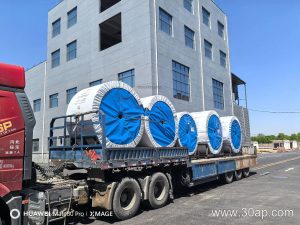
A 2400mm conveyor belt is a wide-width belt designed for conveying lines that must move large volumes of bulk material in a single pass. With a nominal width of 2400mm, this is an extra-wide belt rather than a standard stock size, so it is usually built to order around a specific conveyor design. It may be supplied as an EP conveyor belt, an NN conveyor belt, a steel cord conveyor belt, or another construction, depending on the duty. In practice, buyers often describe it simply as a 2400mm wide conveyor belt or a wide conveyor belt, while the full specification covers carcass type, strength grade, cover compound and thickness.
How the Belt Is Built
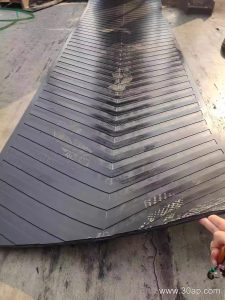
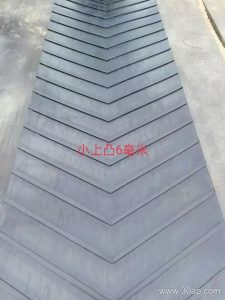
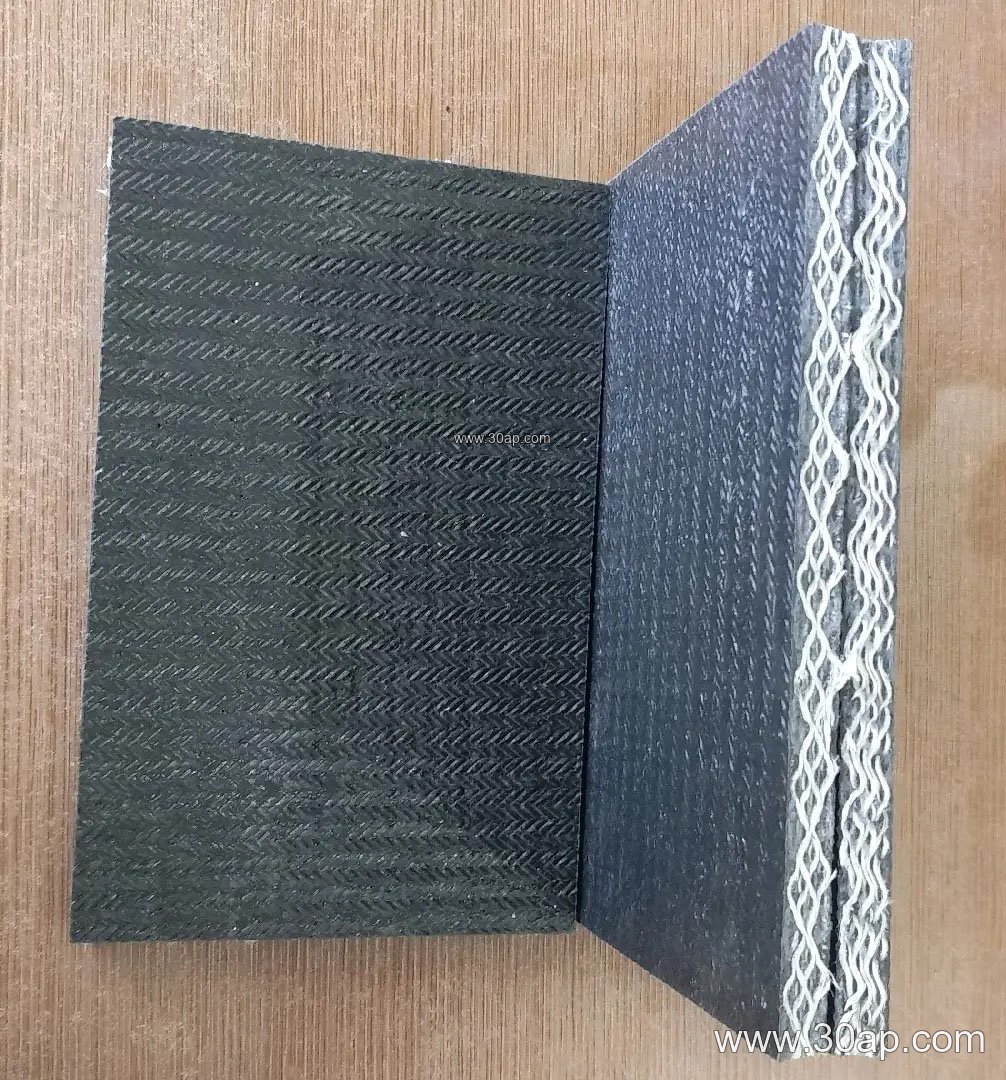
The carcass carries the tension. Fabric-core versions use multiple plies of EP or NN fabric, while steel cord versions use longitudinal steel wires embedded in rubber. Cover rubber protects the carcass from abrasion, impact, heat, oil or fire, and edge construction matters more on a wide belt because edge damage can propagate inward. A 2400mm conveyor belt is often made with a heavy-duty conveyor belt construction: thicker covers, reinforced edges and carefully controlled splices. Surface forms such as chevron conveyor belt profiles, skirted conveyor belt edges or corrugated sidewall conveyor belt designs can be added when the route is steep or material must be contained, but these change the belt type and should be specified separately from a plain wide belt.
Typical Specifications
Values below are common reference points, not universal guarantees. Final figures are confirmed by the belt manufacturer against the conveyor design.
| Parameter | Common reference values |
|---|---|
| Belt width | 2400mm (B2400) |
| Carcass type | EP fabric, NN fabric, steel cord |
| Strength grade examples | EP200, EP315, EP400, EP500, EP630, EP800, EP1000, EP1250, EP1600; ST1000 to ST3150 for steel cord |
| Number of fabric plies | Typically 2 to 6, depending on grade |
| Cover thickness examples | 4+2, 5+2, 6+2, 8+3 mm |
| Cover compounds | Abrasion resistant, heat resistant, oil resistant, flame retardant, anti-static, cold resistant |
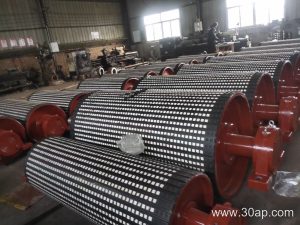
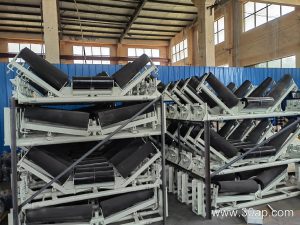
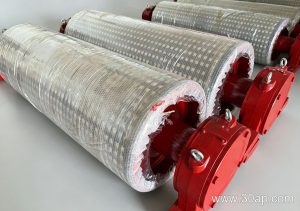
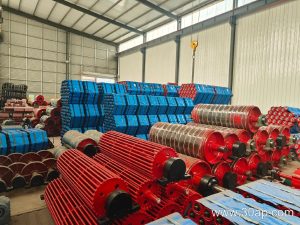
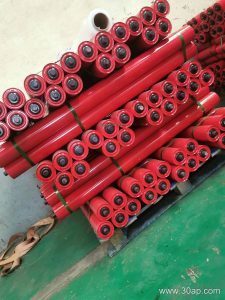
A 2400mm belt is not tied to one pulley diameter or one shaft size. Drive pulley, tail pulley and bend pulley dimensions are set by the conveyor engineer using belt tension, belt thickness, splice type and load, so the belt width alone does not fix them. The same applies to idler roller spacing and conveyor bracket layout.
Where It Fits in the Plant
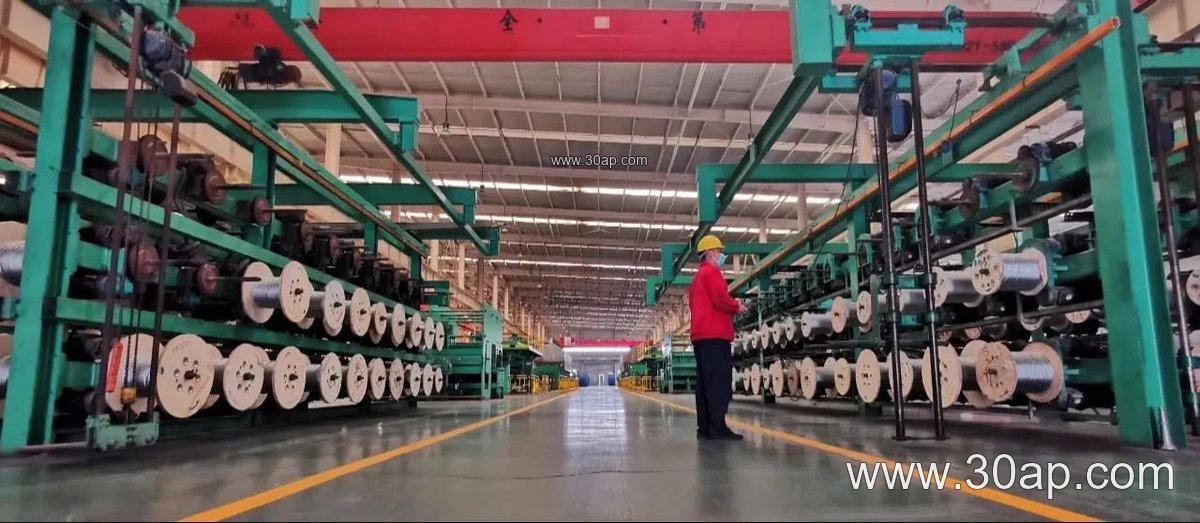
Wide belts appear where tonnage is high and transfer points are large. In a coal mining conveyor belt system or an underground coal mining conveyor belt, a flame retardant conveyor belt with anti-static properties is often required. In a cement plant conveyor belt line, heat resistant conveyor belt grades may be needed near kiln discharges. Quarry conveyor belt and aggregate conveyor belt circuits use abrasion resistant conveyor belt covers to handle sharp rock. Power plant conveyor belt systems, port conveyor belt and ship loading conveyor belt installations also use wide belts to reduce the number of parallel lines. The same width can serve an iron ore conveyor belt, a copper ore conveyor belt or a gold mining conveyor belt, provided the carcass grade and cover match the duty.
Selection Points for Buyers
- Confirm the actual belt width, including tolerances, and check that the conveyor frame, idler roller set and conveyor pulley faces suit a 2400mm belt.
- State the material: lump size, density, moisture, temperature and whether it is oily, abrasive or combustible. This decides whether an abrasion resistant conveyor belt, heat resistant conveyor belt, oil resistant conveyor belt or fire resistant conveyor belt is appropriate.
- Choose the carcass by calculated tension, not by habit. EP and NN fabric belts suit many medium and long lines; steel cord conveyor belt grades suit high-tension, long-distance duties.
- Plan the splice before ordering. A wide belt needs a splice method and press that match its width and carcass.
- Ask about edge protection and cover thickness at impact points such as crusher conveyor belt discharges.
- Keep spare idler roller, conveyor pulley and conveyor bracket stock consistent with the belt width so that tracking problems can be corrected quickly.
For a 2400mm conveyor belt, the useful buying conversation is about duty, carcass grade, cover compound and splice, not about a single number. A belt that is correctly matched to its conveyor will run straighter, last longer and cause fewer stoppages in mining, cement, power, quarry and port operations.