What a Port Bulk Material Conveyor Idler Does
In a port, bulk material moves fast and heavy—iron ore, coal, limestone, fertilizer, grain, or sand. The Port Bulk Material Conveyor Idler is the rotating component that supports the conveyor belt along its carrying and return runs. Without a reliable idler, the belt sags, misaligns, and wears quickly. This article explains how these idlers are built, where they fit, and what buyers should check before ordering.
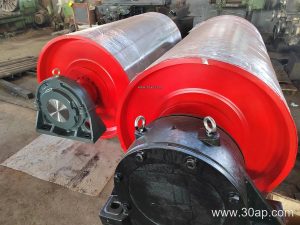
Unlike a drive pulley that transmits power, an idler only supports and guides. It is a separate product category, often supplied with conveyor brackets and frames. At tgk-machinery.com, we focus on matching idlers to the belt width, load, and environment of port operations.
Construction and Common Types
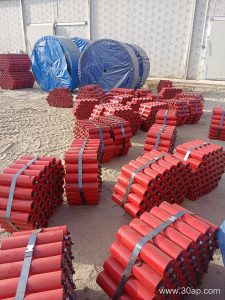
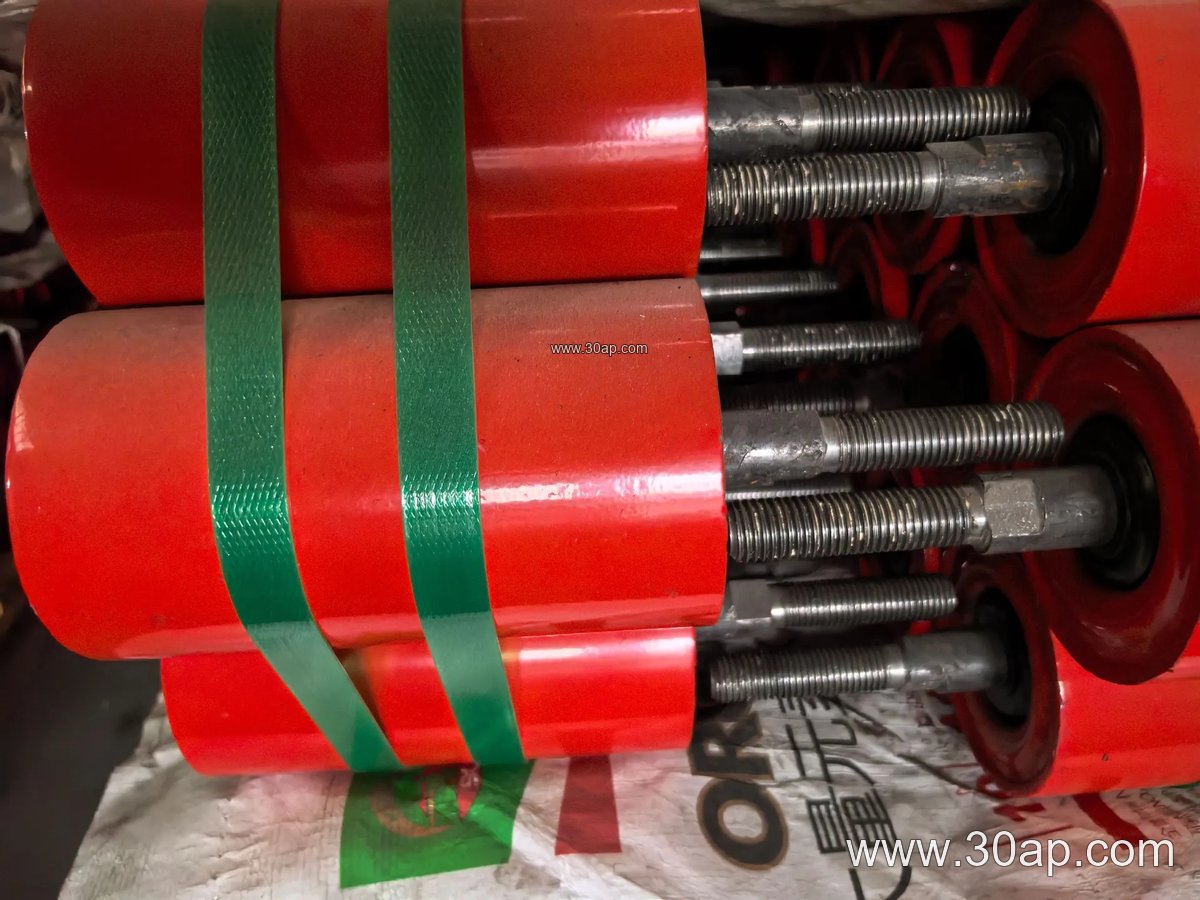
A typical idler roller consists of a steel tube shell, bearing housings, shaft, and sealing system. Roller surfaces can be plain steel, nylon, ceramic, or rubber rings. Bearing sizes such as 6204, 6205, 6305, 6306, 6308, and 6310 are common, but the correct bearing depends on load and speed, not on belt width alone.
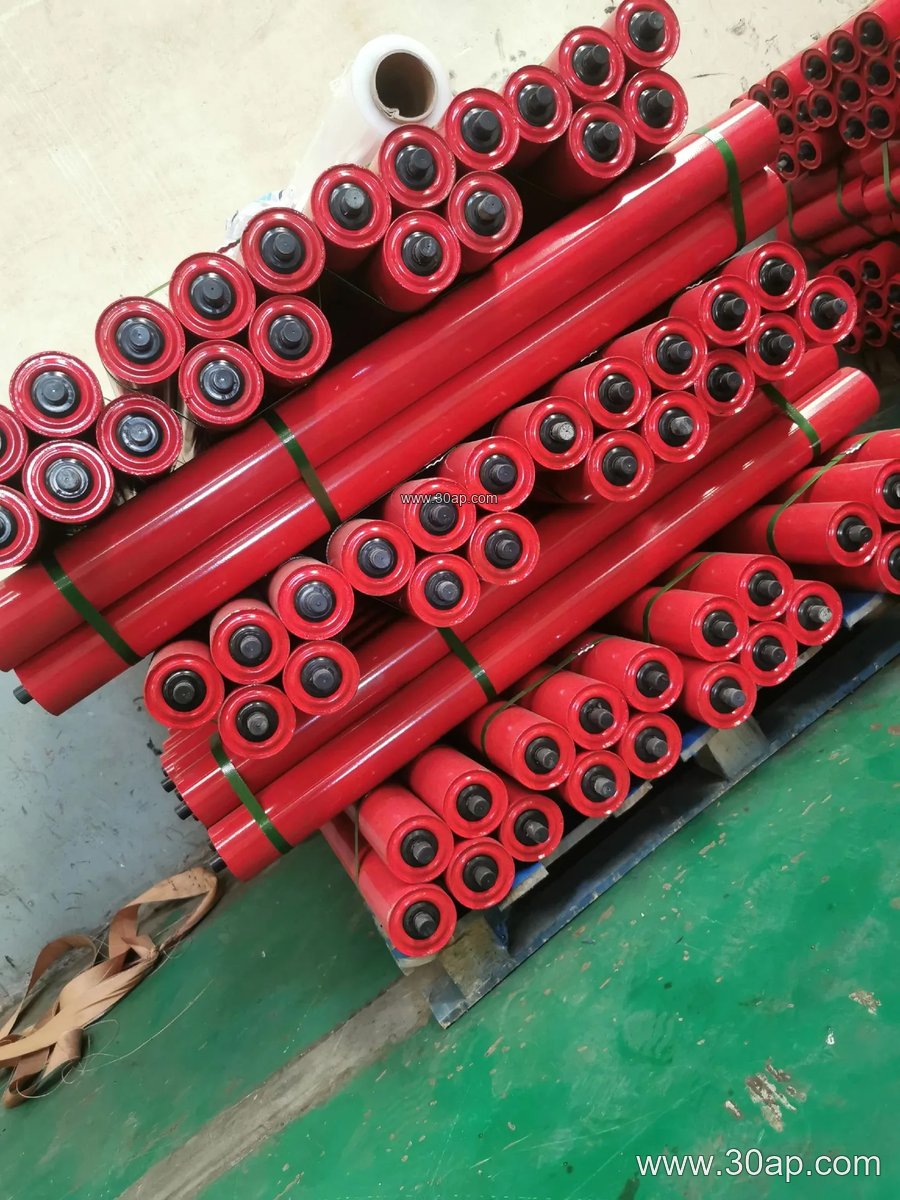
For port bulk handling, several idler subtypes appear:
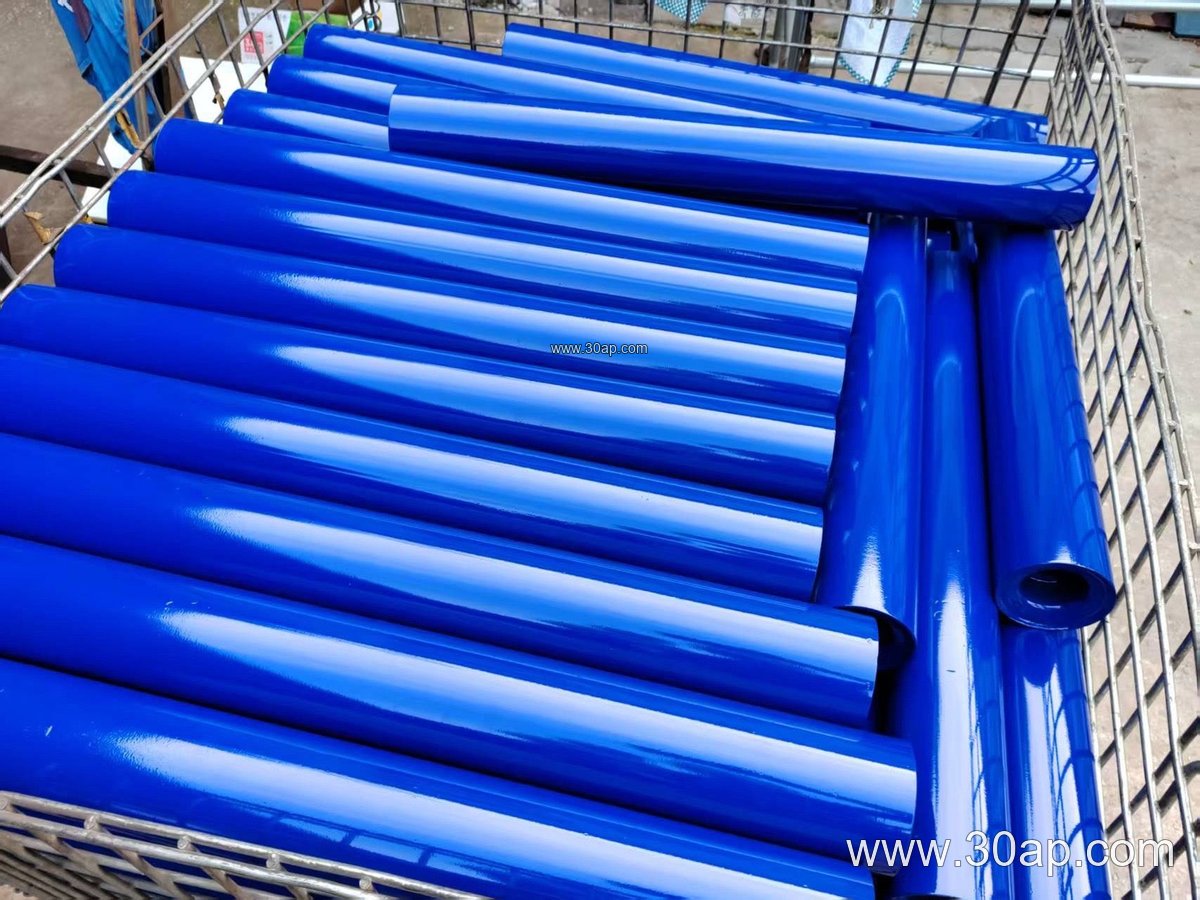
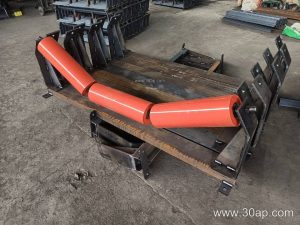
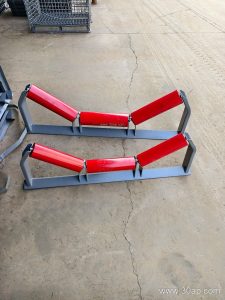
- Troughing idlers (2- or 3-roll) form the belt into a trough to contain material.
- Impact idlers with rubber rings absorb shock at transfer points.
- Return idlers (flat or V-shaped) support the empty belt.
- Self-aligning idlers correct belt drift, especially on long port conveyors.
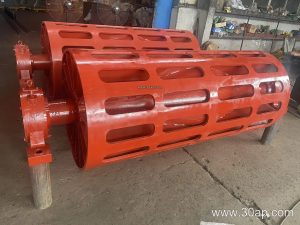
Note that a drive pulley, tail pulley, and bend pulley are not interchangeable with idlers. Each has a distinct role in the conveyor system.
Sizes and Specifications
Idler dimensions follow the conveyor design. Common roller diameters include Ø63, Ø76, Ø89, Ø102, Ø108, Ø127, Ø133, Ø159, Ø178, Ø194, and Ø219 mm. Belt widths range from B400 to B2400. Trough angles are often 20°, 30°, 35°, or 45°. The table below shows typical examples—not fixed matches.
| Belt Width | Common Roller Length (3-roll trough) | Typical Roller Diameter |
|---|---|---|
| B500 | 200 mm | Ø89–Ø108 |
| B650 | 250 mm | Ø89–Ø127 |
| B800 | 315 mm | Ø108–Ø133 |
| B1000 | 380 mm | Ø108–Ø159 |
| B1200 | 465 mm | Ø127–Ø159 |
| B1400 | 530 mm | Ø133–Ø178 |
| B1600 | 600 mm | Ø133–Ø194 |
These values are for reference. Side rollers and center rollers may differ. Never assume one belt width matches one pulley diameter; the same principle applies to idlers—selection depends on load, speed, and belt tension.
Where Port Idlers Are Used
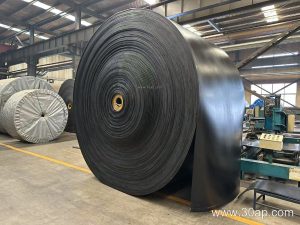
Ports handle ship loading and unloading, stockyard conveyors, and rail or truck receiving. A Port Bulk Material Conveyor Idler must resist dust, salt air, and heavy impact. In coal terminals, flame retardant conveyor belt is often paired with sealed idlers. In fertilizer or grain terminals, corrosion resistance matters more. The same idler frame may carry an EP conveyor belt or a steel cord conveyor belt, but load calculations differ.
For abrasive ores, high abrasion resistant conveyor belt and rubber-ring impact idlers work together. For long overland conveyors feeding a port, self-aligning idlers help keep the belt centered. Our page on conveyor idler roller selection at tgk-machinery.com offers more detail.
Buyer Checklist
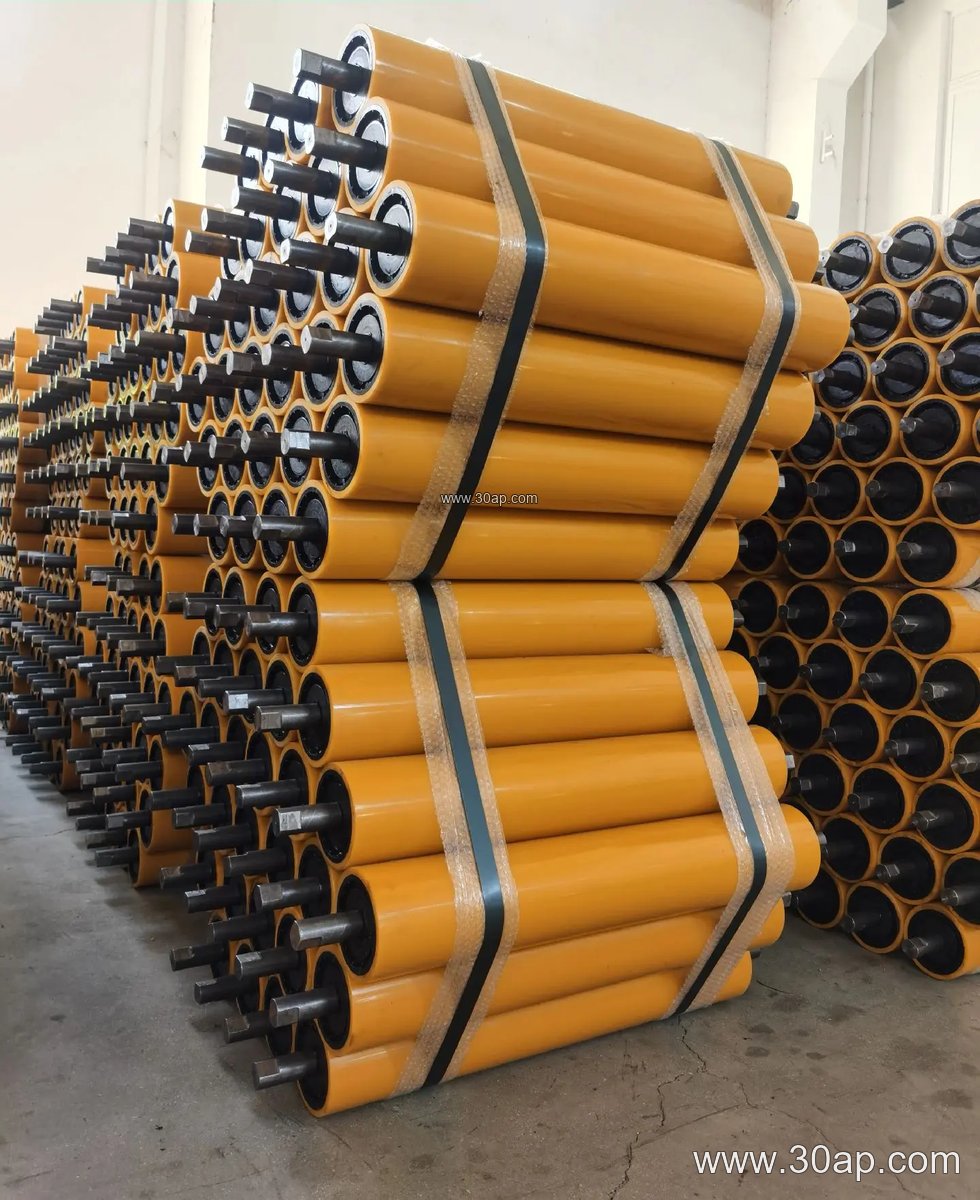
Before ordering, confirm:
- Belt width and trough angle (e.g., B1000, 35°).
- Roller diameter and length for each position (carry, return, impact).
- Bearing size and sealing class for the environment.
- Roller surface: steel, nylon, ceramic, or rubber.
- Compatibility with conveyor bracket and frame dimensions.
Also consider maintenance: idlers should rotate freely, align with the belt, and be replaceable without cutting the belt. Keep spare rollers for critical transfer points.
Maintenance Notes
Seized idlers cause belt wear and energy loss. Inspect for noise, vibration, and material buildup. In port conditions, wash-down and salt spray can shorten bearing life; sealed-for-life designs are common. Replace worn rollers in sets when possible to maintain uniform support.
For related equipment such as conveyor pulleys and conveyor brackets, visit tgk-machinery.com. A well-chosen Port Bulk Material Conveyor Idler keeps the belt running smoothly from ship to stockyard.