What a 1500mm Conveyor Belt Is
A 1500mm conveyor belt is a wide belting product with a nominal belt width of 1500 mm, often written as B1500. It sits in the wider end of common belt widths, above 1400mm and below 1600mm, and is chosen when a conveying line needs high capacity without going to an extra-wide design. In practice, the same product may be described as a 1500mm wide conveyor belt, a B1500 belt, or simply a 1.5 m wide belt. These are all names for the same belting, not different product types.
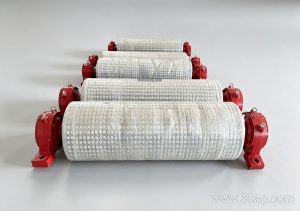
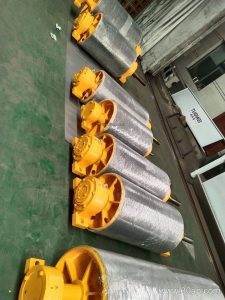
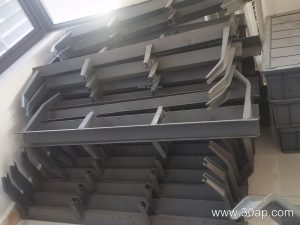
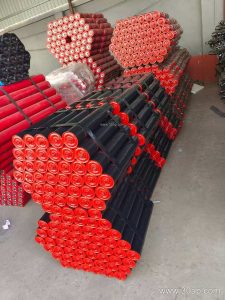
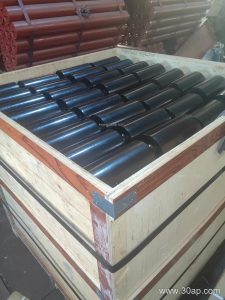
The belt itself is only one part of the conveyor. It runs over a head or drive pulley, returns around a tail pulley, changes direction at bend pulleys, and is supported by idler rollers and a steel frame with conveyor brackets. The belt width must be matched to the pulley face, idler set and frame dimensions by the conveyor designer; belt width alone does not determine pulley diameter or shaft size.
Construction and Common Specifications
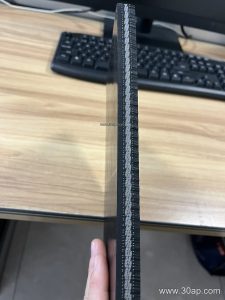
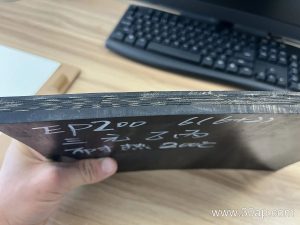
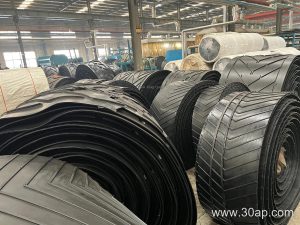
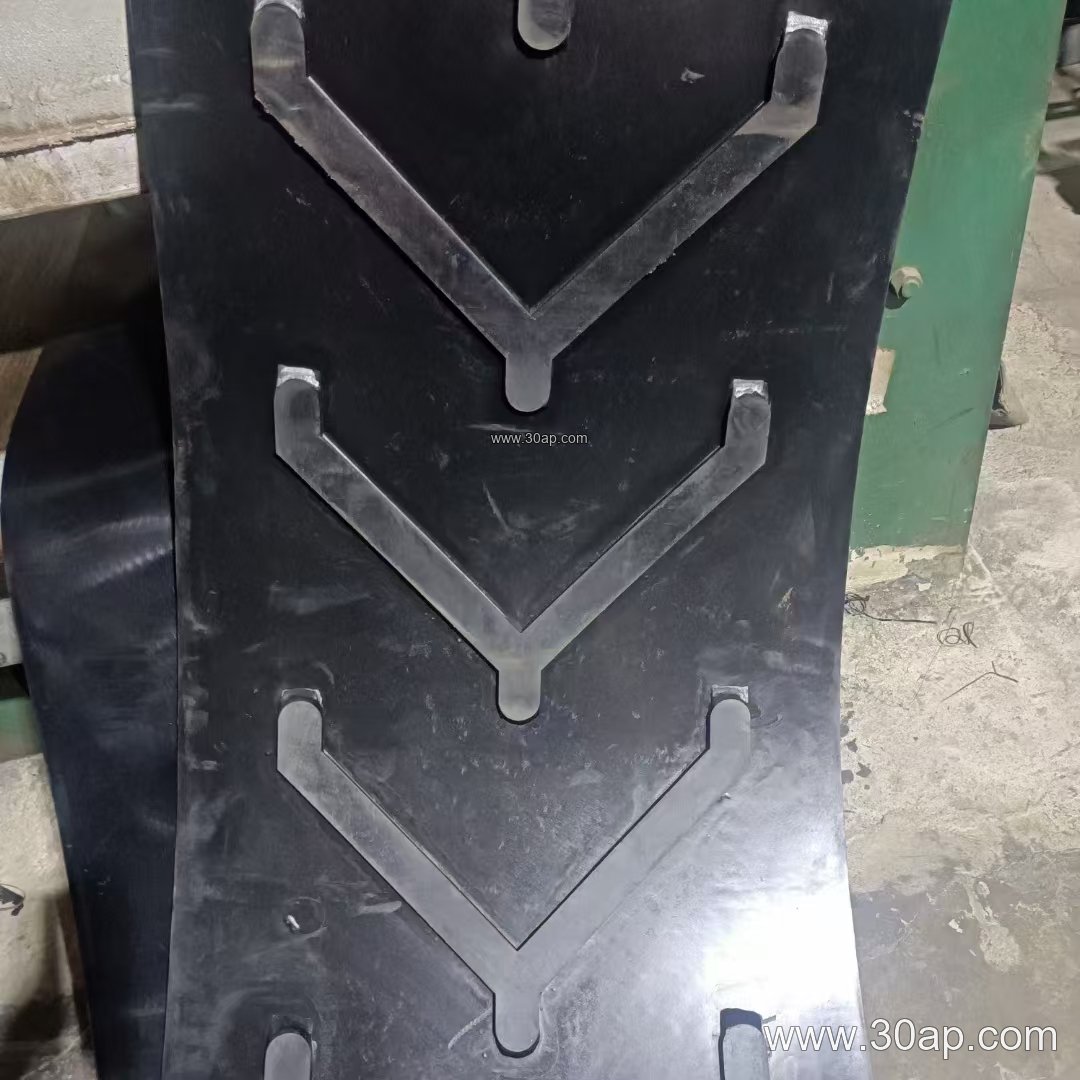
A 1500mm belt is built from a carcass and rubber covers. The carcass carries tension and may be fabric based, such as EP or NN, or steel cord. Cover compounds are selected for the duty: abrasion resistant, heat resistant, oil resistant, flame retardant, anti-static, cold resistant or acid and chemical resistant grades are all available. Chevron, skirted and corrugated sidewall forms can be supplied when the belt must handle steep inclines or contain material.
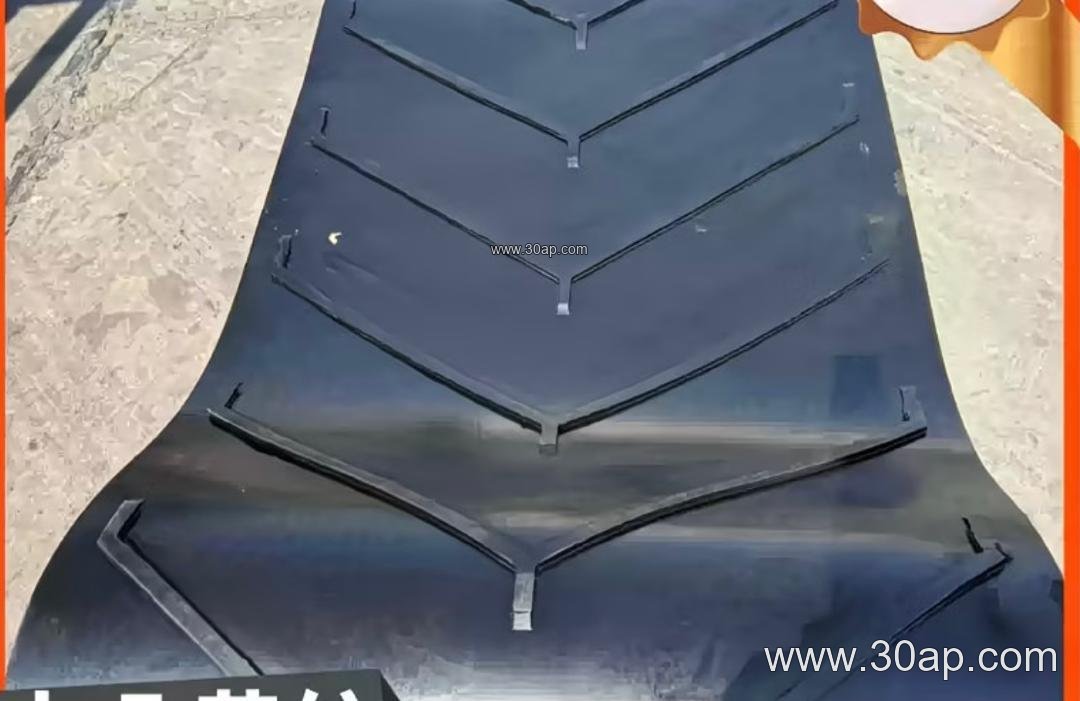
Typical reference values are shown below. These are common ranges for discussion only; actual construction is confirmed per application and per manufacturer.
| Parameter | Common reference values |
|---|---|
| Belt width | 1500 mm (B1500) |
| Fabric carcass grades | EP200, EP315, EP400, EP500, EP630, EP800, EP1000, EP1250 |
| Nylon carcass grades | NN100, NN200, NN300, NN400 |
| Steel cord grades | ST1000, ST1250, ST1600, ST2000 |
| Cover thickness examples | 4+2 mm, 5+2 mm, 6+2 mm, 8+3 mm |
| Carcass plies | Usually 2 to 6 layers for fabric core |
For higher tension duties, an EP1000 or EP1250 grade may suit; for very long runs or high tonnage, a steel cord belt such as ST1600 or ST2000 is often considered. A flame retardant conveyor belt or PVG belt is common in underground coal mining, while a heat resistant conveyor belt is used where clinker or hot sinter is present.
Where It Fits in the Plant
This width is widely used in mines, coal preparation plants, cement works, power stations, steel plants, quarries, sand and aggregate yards, ports and bulk terminals. A 1500mm conveyor belt can carry crushed rock, ore, coal, limestone, clinker, fertilizer and other bulk materials at high throughput. In a crushing circuit it may work as a crusher conveyor belt; at a port it may feed a ship loading conveyor belt.
Because of its width, the belt needs properly aligned idler rollers and well-set conveyor pulleys to avoid edge damage and mistracking. Wider belts also need adequate take-up travel and careful splicing, especially when supplied as an endless conveyor belt for fixed installations.
Buyer Checklist
- Confirm the actual belt width, carcass grade and cover thickness required by the conveyor design, not just the nominal 1500 mm figure.
- State the material, lump size, temperature, oil or chemical exposure, and whether fire resistance or anti-static properties are needed.
- Check pulley face width, idler trough angle and frame clearance so the belt runs without pinching.
- Decide between open-end rolls and a spliced endless belt, and confirm the splice method.
- Ask for the manufacturer’s data sheet for the selected grade; treat catalogue values as reference until confirmed in writing.
For a reliable 1500mm conveyor belt selection, match the belt to the whole conveyor system, including pulleys, idlers and brackets, rather than to belt width alone.