What Belt Conveyor Pulley Lagging Does
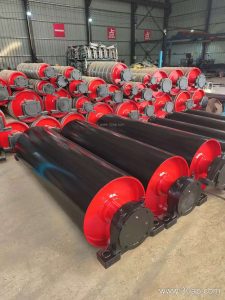
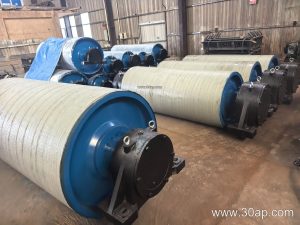
Belt conveyor pulley lagging is the rubber or ceramic layer applied to the shell of a conveyor pulley where it contacts the conveyor belt. Its job is simple but important: increase friction between the pulley and the belt, protect the pulley shell from abrasion, and help keep the belt tracking straight under load. In a quarry, a coal washing plant, or a cement clinker line, a drive pulley without proper lagging can slip, polish its own surface, and wear out both itself and the belt.
Because the lagging is a sacrificial layer, it also extends the service life of the pulley shell. When the surface becomes worn or glazed, the lagging can be replaced instead of the whole roller. This is why maintenance teams treat lagging as a wear part rather than a permanent fixture.
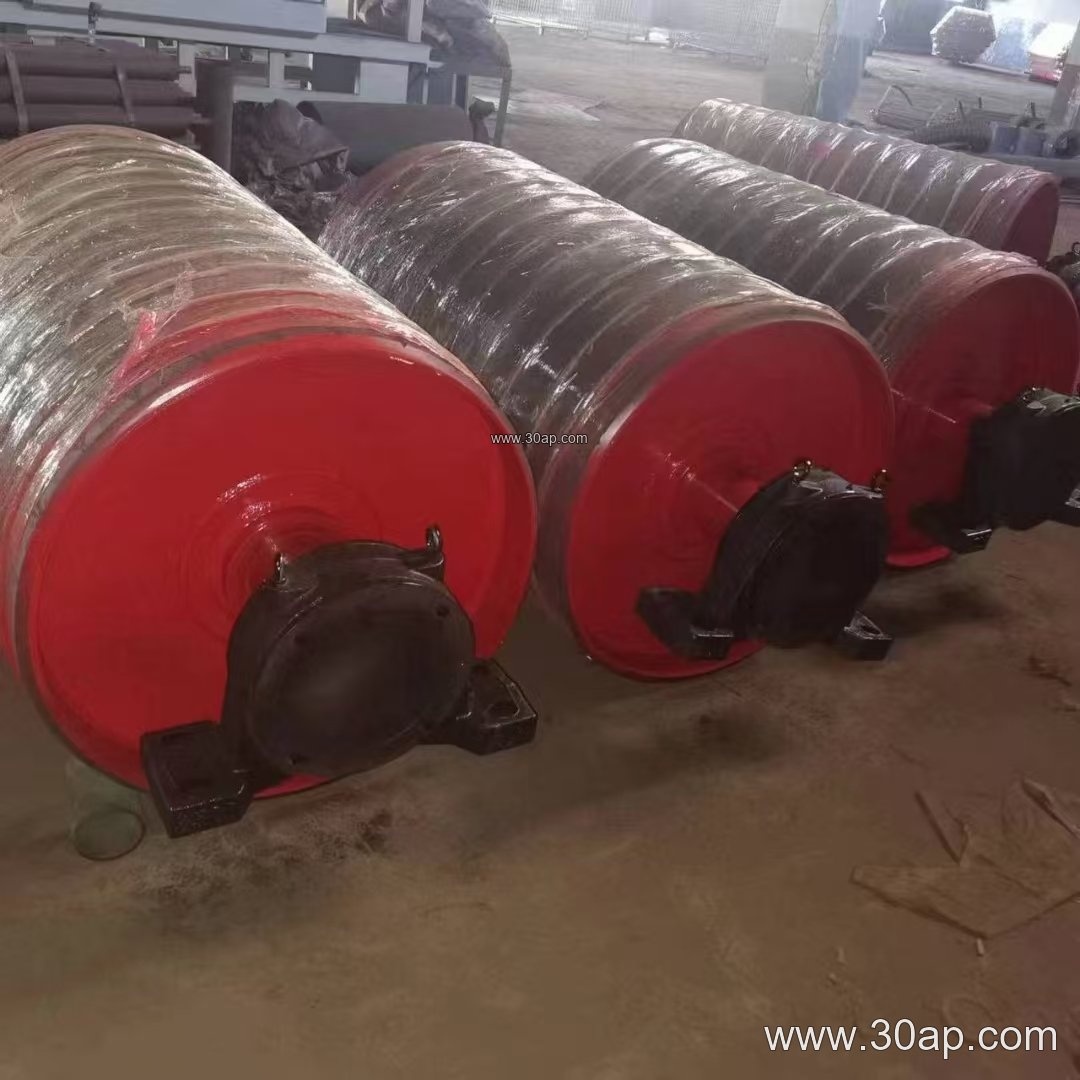
Where It Fits in the Conveyor
Lagging is most often specified on drive pulleys, where torque transfer depends on grip. It is also used on tail pulleys and bend (deflection) pulleys in many bulk handling systems, though the demands differ. A drive pulley needs high friction; a tail pulley may need abrasion resistance and self-cleaning behavior; a bend pulley mainly needs to protect the shell and guide the belt. These are separate positions with separate duties — a drive pulley is not a tail pulley, and neither is a bend pulley.
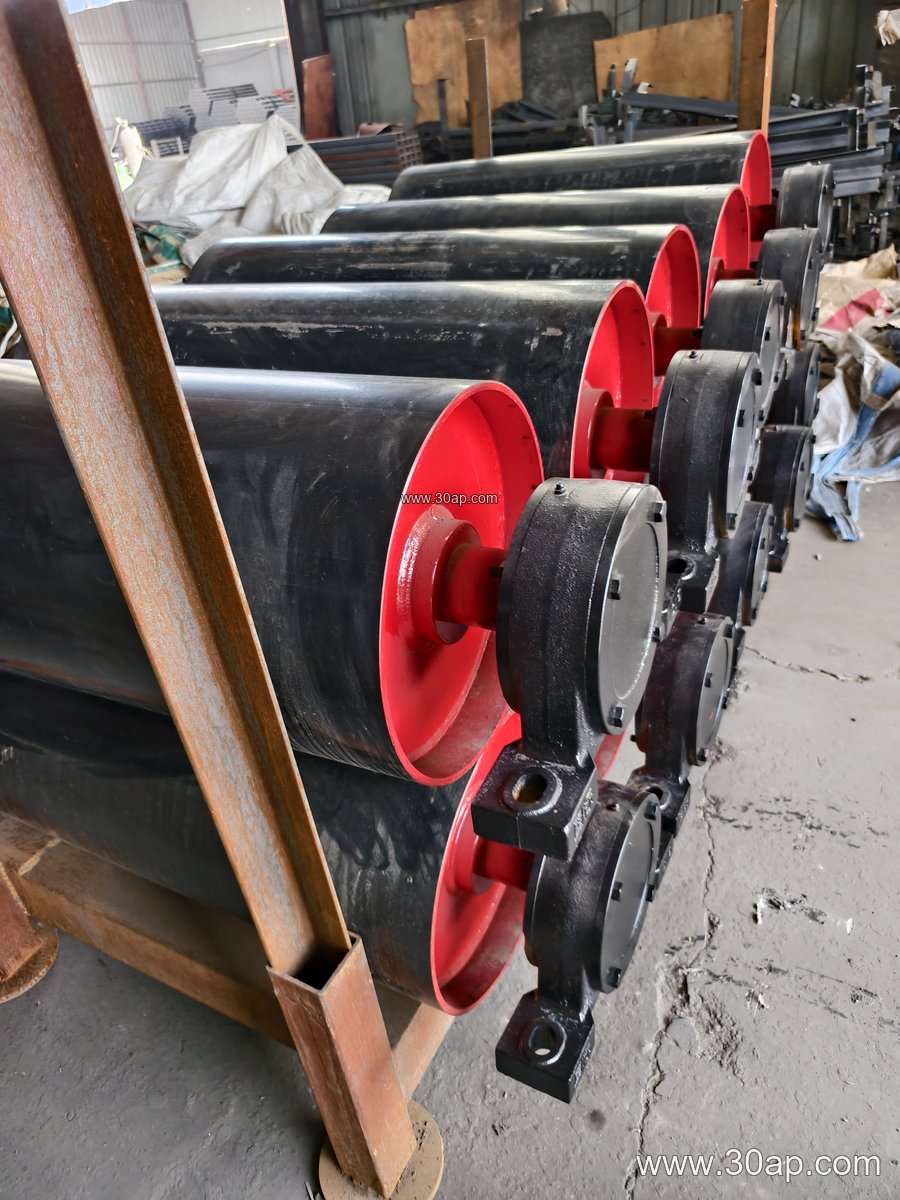
How the Lagging Is Built
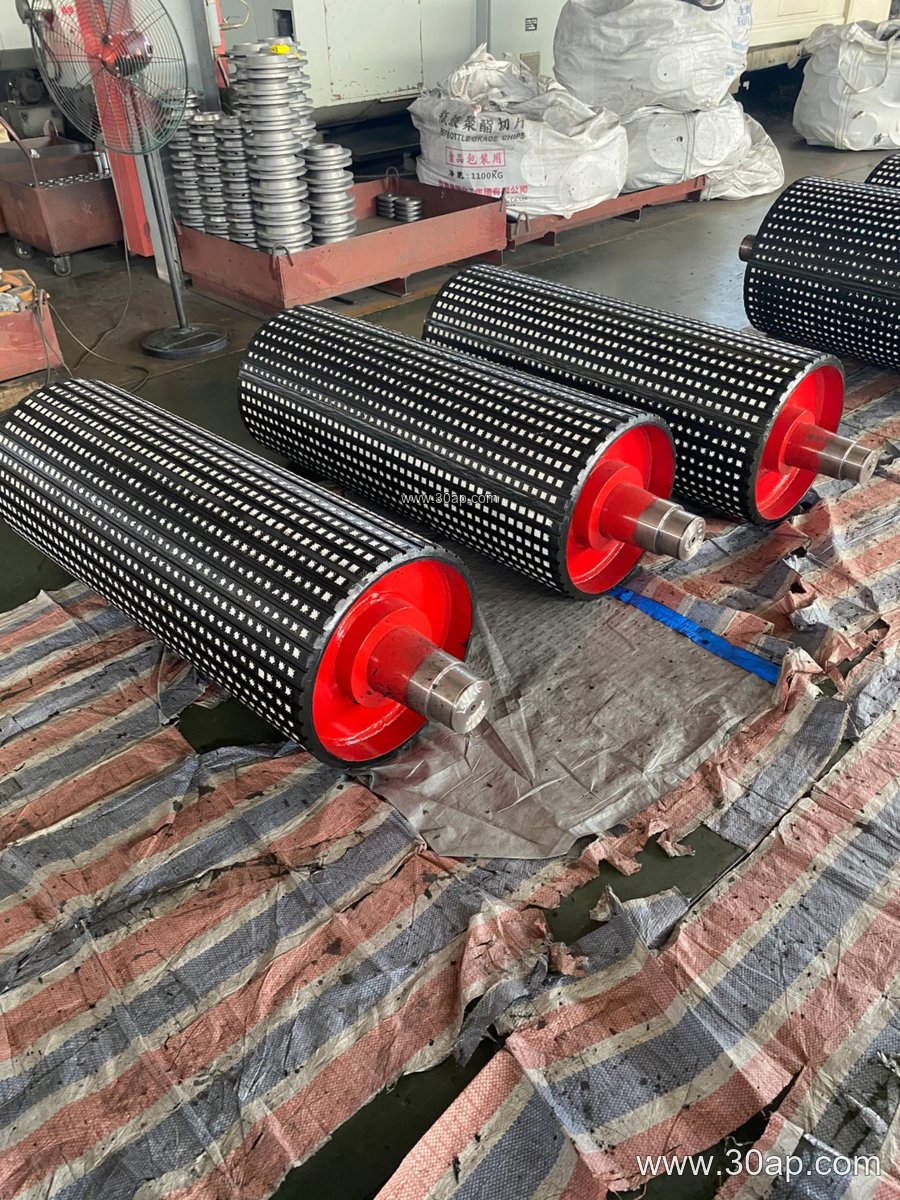
Most lagging is supplied as rubber sheet, either plain or with a patterned surface, bonded to the pulley shell. Common surface forms include plain (smooth) rubber, diamond pattern, herringbone pattern, and ceramic tiles embedded in rubber. Thickness commonly ranges from 8 mm to 20 mm, with 10 mm and 12 mm being frequent choices for general duty.
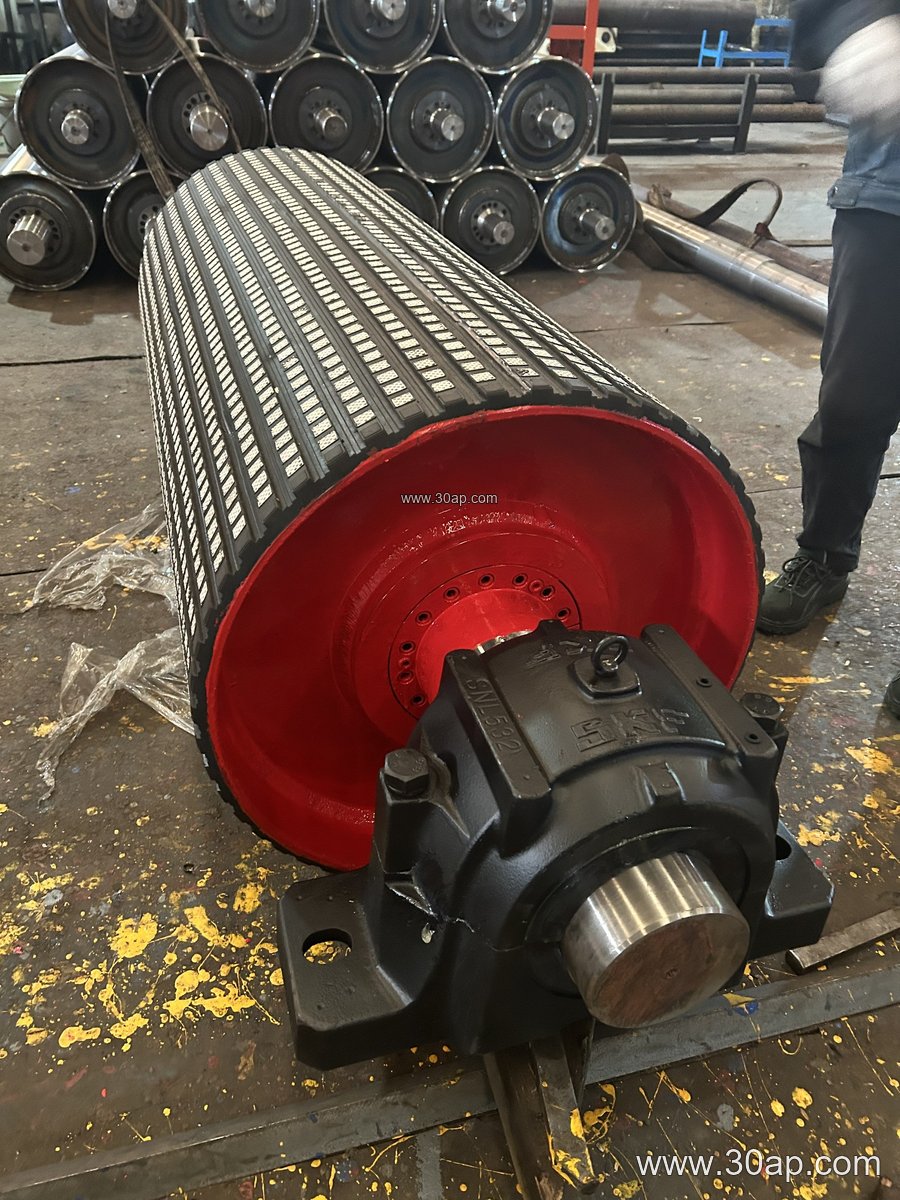
Bonding methods matter. Cold-bonded rubber is applied with adhesive at the site or workshop; hot-vulcanized lagging is cured under heat and pressure for a stronger, more uniform bond. Cast rubber lagging is molded directly onto the shell in some designs. Each method has trade-offs in cure time, equipment needed, and bond strength, so the choice usually follows the pulley size and the workshop’s capabilities.
Surface Patterns and Their Purpose
- Plain rubber — good general grip, easy to clean, often used on tail and bend pulleys.
- Diamond pattern — improves water and fines evacuation, common on drive pulleys in wet or dusty conditions.
- Herringbone pattern — directional grooves that help shed material and reduce slip.
- Ceramic lagging — hard tiles for high-abrasion duty, often seen in iron ore, copper ore, and aggregate handling.
Matching Lagging to the Pulley and Belt
Lagging is selected together with pulley diameter, face width, and shaft size. A B800 pulley with a Ø500 shell and a B1200 pulley with a Ø1000 shell are both common combinations, but the diameter is set by belt tension and torque, not by belt width alone. Shaft diameters such as Ø80, Ø100, or Ø120 are determined by load calculations; they should never be guessed from the belt width.
The pulley face is usually wider than the belt. For example, a B650 belt often runs on a pulley face around 750 mm, and a B1000 belt on a face near 1150 mm. These are typical proportions, not fixed rules.
| Belt width | Typical pulley face | Common lagging thickness |
|---|---|---|
| B500 | about 600 mm | 8–10 mm |
| B800 | about 950 mm | 10–12 mm |
| B1200 | about 1400 mm | 12–15 mm |
| B1600 | about 1800 mm | 15–20 mm |
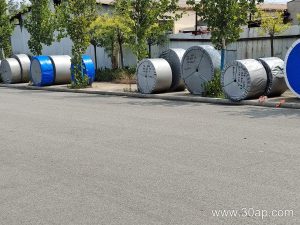
The conveyor belt itself also influences the choice. A heavy-duty mining conveyor belt or a steel cord conveyor belt carrying high tension may call for thicker, harder lagging, while a fabric core conveyor belt on a lighter duty line may be fine with standard rubber. Heat resistant conveyor belt and flame retardant conveyor belt applications in power plant coal handling need lagging that will not soften or burn readily.
Buyer Checklist
- Confirm the pulley position: drive, tail, or bend. Each has different friction and wear requirements.
- State the pulley diameter and face width, plus the belt width, so the lagging sheet is cut correctly.
- Choose the surface pattern based on material carried and whether the belt runs wet or dusty.
- Decide between cold-bonded and hot-vulcanized application based on workshop equipment and duty.
- Ask about the bonding method and cure schedule, not just the rubber grade.
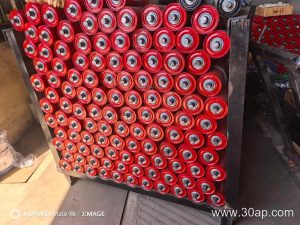
- Plan replacement intervals; lagging is a wear item and should be inspected alongside the conveyor pulley and idler roller.
For a sand and gravel line, a cement plant, or a port bulk terminal, the right lagging keeps the belt from slipping and protects the pulley shell. Visit www.beltconveyorpulley.com for more on conveyor pulley lagging and related components such as conveyor brackets and conveyor pulleys.