What a Friction Idler Does on a Conveyor
A friction idler is a self-aligning roller that uses the friction between its specially shaped rolls and the moving conveyor belt to correct belt tracking. Unlike a standard carrying idler, which only supports the belt, a friction idler responds to misalignment by generating a small steering force. This makes it a practical choice in quarry conveying, limestone mines, iron ore plants, and cement lines where belt wander can cause edge damage and spillage.
The working principle is simple. When the belt drifts toward one side, the friction between the belt and the angled or tapered rolls creates a differential force that nudges the belt back toward the center. The idler frame is usually mounted on a pivot, so the whole assembly can rotate slightly to guide the belt. This is why friction idlers are often grouped with training idlers, though the friction type relies on roll contact rather than a vertical guide roller.
Construction and Common Configurations
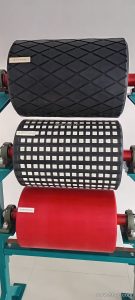
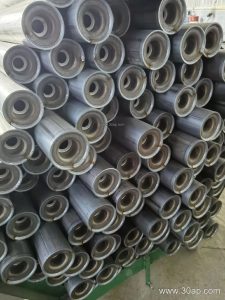
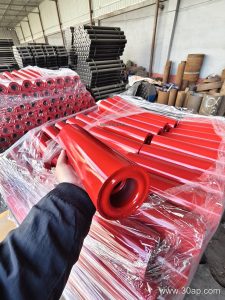
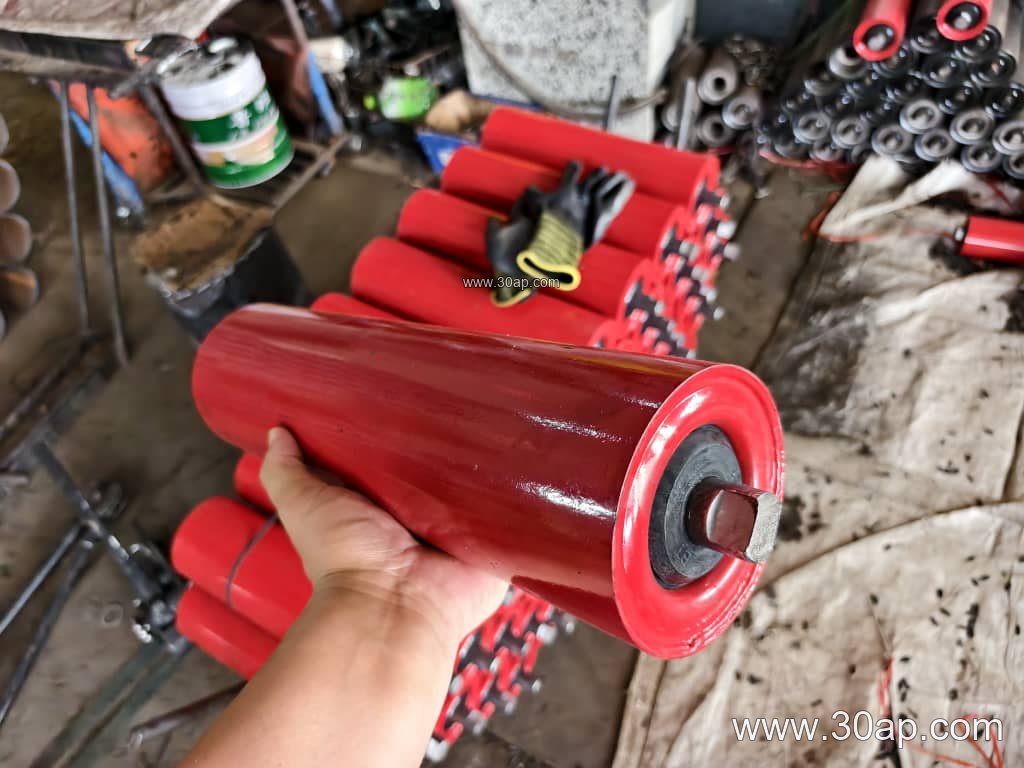
Most friction idlers use a steel tube shell with sealed bearings at each end. The roll surface may be plain steel, nylon, rubber-covered, or ceramic-lined depending on the duty. Rubber rings are common in abrasive service because they grip the belt without scuffing. Bearing sizes are selected to match the roll diameter and load, with common options including 6204, 6205, 6305, 6306, 6308, and 6310. No single bearing size is tied to one roller diameter; the design load and shaft size decide the match.
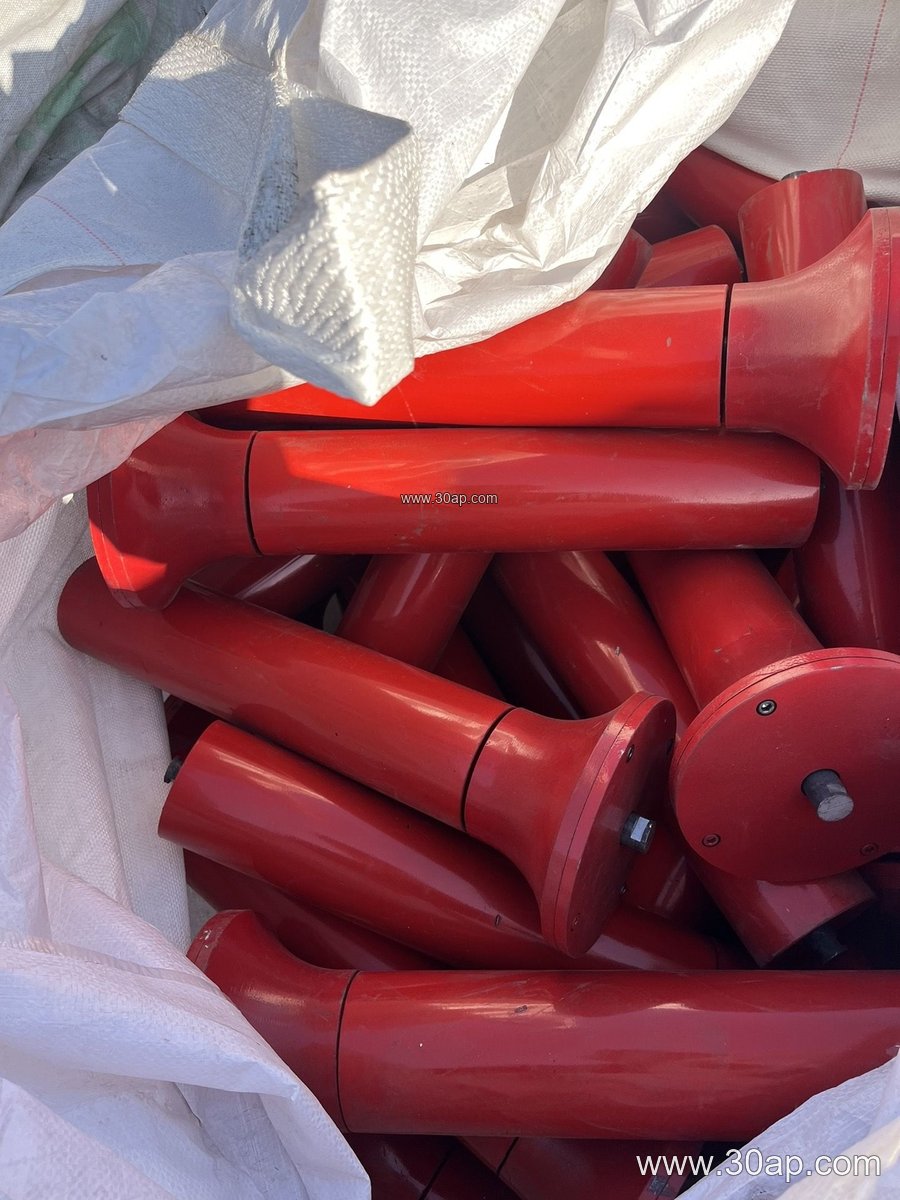
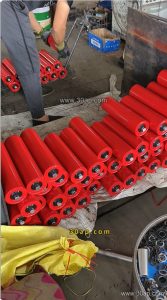
Friction idlers are often supplied as two-roll or three-roll assemblies. In a three-roll troughing set, the side rolls are angled to form a trough, and the friction action comes from the tapered or offset geometry of the rolls. A common trough angle is 30 degrees or 35 degrees, with 20 degrees and 45 degrees also available. The idler length depends on belt width, trough angle, and roll arrangement. For reference, a three-roll troughing set might use a roll length of about 200 mm for B500, 250 mm for B650, 315 mm for B800, 380 mm for B1000, 465 mm for B1200, 530 mm for B1400, 600 mm for B1600, 670 mm for B1800, and 750 mm for B2000. These are typical examples, not fixed rules, and side rolls can differ from the center roll.
Where Friction Idlers Are Used
Friction idlers are common in bulk material handling where the belt is long and the load is uneven. In a sand and gravel plant, a friction idler on the return side can help keep the belt centered after a transfer point. In a coal washing plant or power plant coal yard, they reduce edge wear on the conveyor belt caused by constant minor misalignment. They are also found in crushing and screening circuits, steel plant sinter lines, and port ship-loading conveyors.
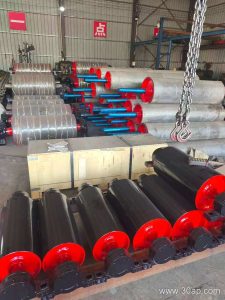
They work alongside other components such as the conveyor pulley, idler roller, and conveyor bracket. The drive pulley and tail pulley have different jobs and are not interchangeable with a friction idler. A bend pulley changes belt direction, while a friction idler only corrects tracking. Matching the idler to the belt and structure matters more than choosing the largest size.
Selection Points for Buyers
When specifying a friction idler, start with the belt width and the trough angle. A 800mm conveyor belt or 1000mm conveyor belt will need a different roll length than a 1200mm or 1400mm belt. Check the belt speed and the material being carried. A heavy-duty mining conveyor belt with a thick cover may need a larger roll diameter, such as Ø108, Ø127, or Ø133, while a lighter aggregate conveyor belt may work with Ø89 or Ø102. The roll surface should suit the environment: rubber rings for abrasive rock, nylon for general duty, and ceramic for high-wear zones.
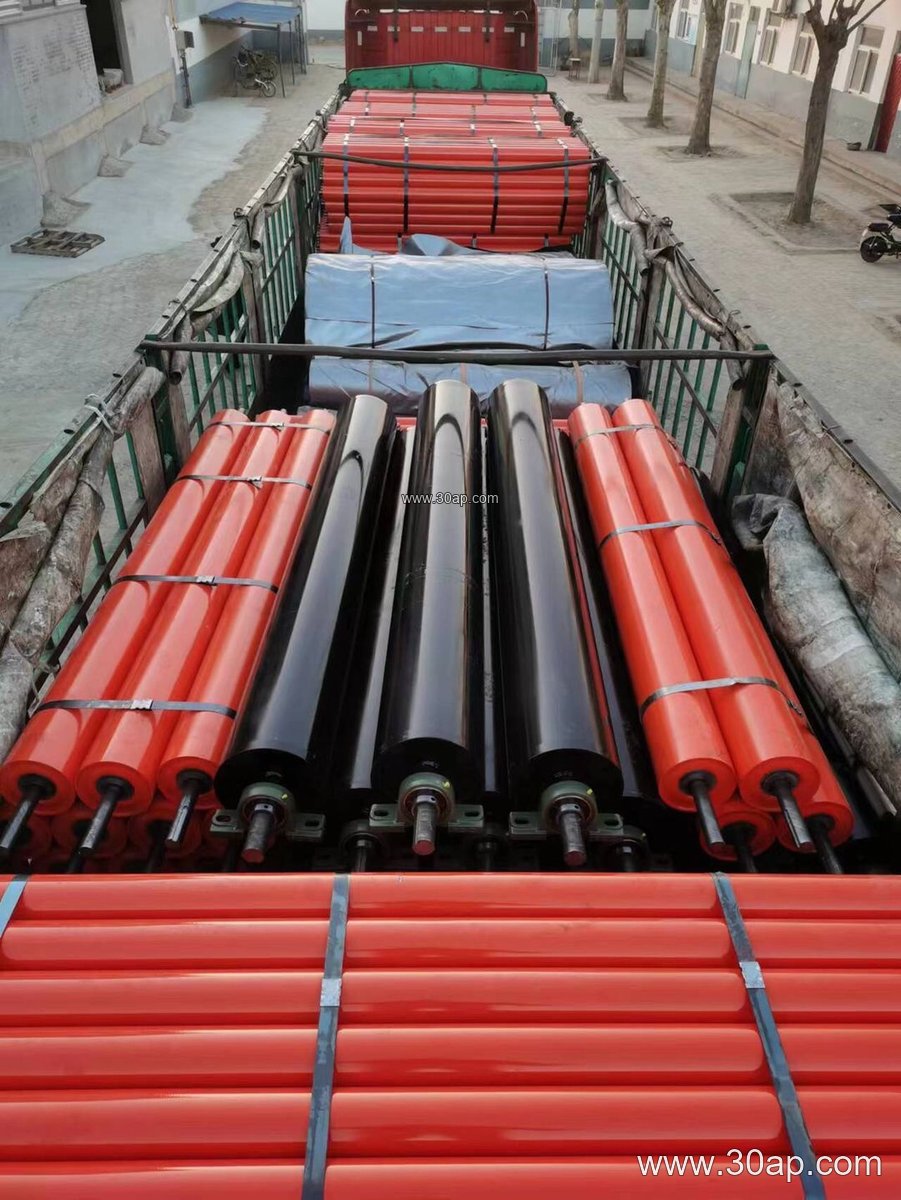
Also confirm the mounting height and the bracket spacing. Friction idlers are often installed on the carrying side just after the loading point or on the return side before the tail pulley. If the belt has a chevron conveyor belt or corrugated sidewall conveyor belt profile, the idler must clear the cleats and sidewalls. In food or clean environments, a food grade conveyor belt may require smooth, non-marking rolls. For cold climates, a cold resistant conveyor belt paired with low-friction bearings helps starting torque.
Maintenance and Wear Checks
Inspect friction idlers for roll rotation, seal condition, and frame alignment. A seized roll can flat-spot the belt and create tracking problems that look like idler misalignment. Check that the pivot mechanism moves freely and that the bracket bolts are tight. In dusty operations such as a quarry or cement plant, clean the roll surface so friction remains consistent. Replace worn rubber rings before they expose the steel shell.
Friction idlers are not a substitute for proper belt training at the pulleys. They complement a well-aligned conveyor structure. Used correctly, they help extend conveyor belt life and reduce spillage in mining, coal, cement, power, and aggregate operations.