What a Port Bulk Material Conveyor Idler Does
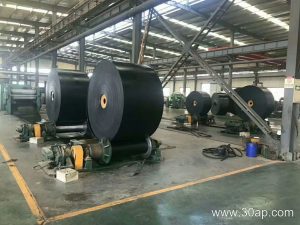
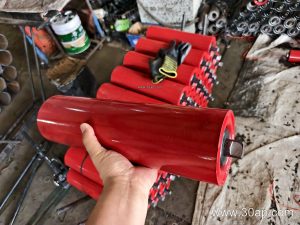
A port bulk material conveyor idler is the rotating support that carries the conveyor belt along the load-carrying and return strands of a bulk handling system. On a ship loader, stacker-reclaimer, or quay transfer line, these idlers keep the belt in a stable trough, limit sag between frames, and reduce friction so that coal, ore, fertilizer, grain, or cement clinker moves efficiently from the berth to the stockyard. The same component family is also used in power plant coal handling, cement plant raw material lines, and quarry or aggregate conveyor belts. In short, the idler roller is a small part with a large influence on belt life and energy use.
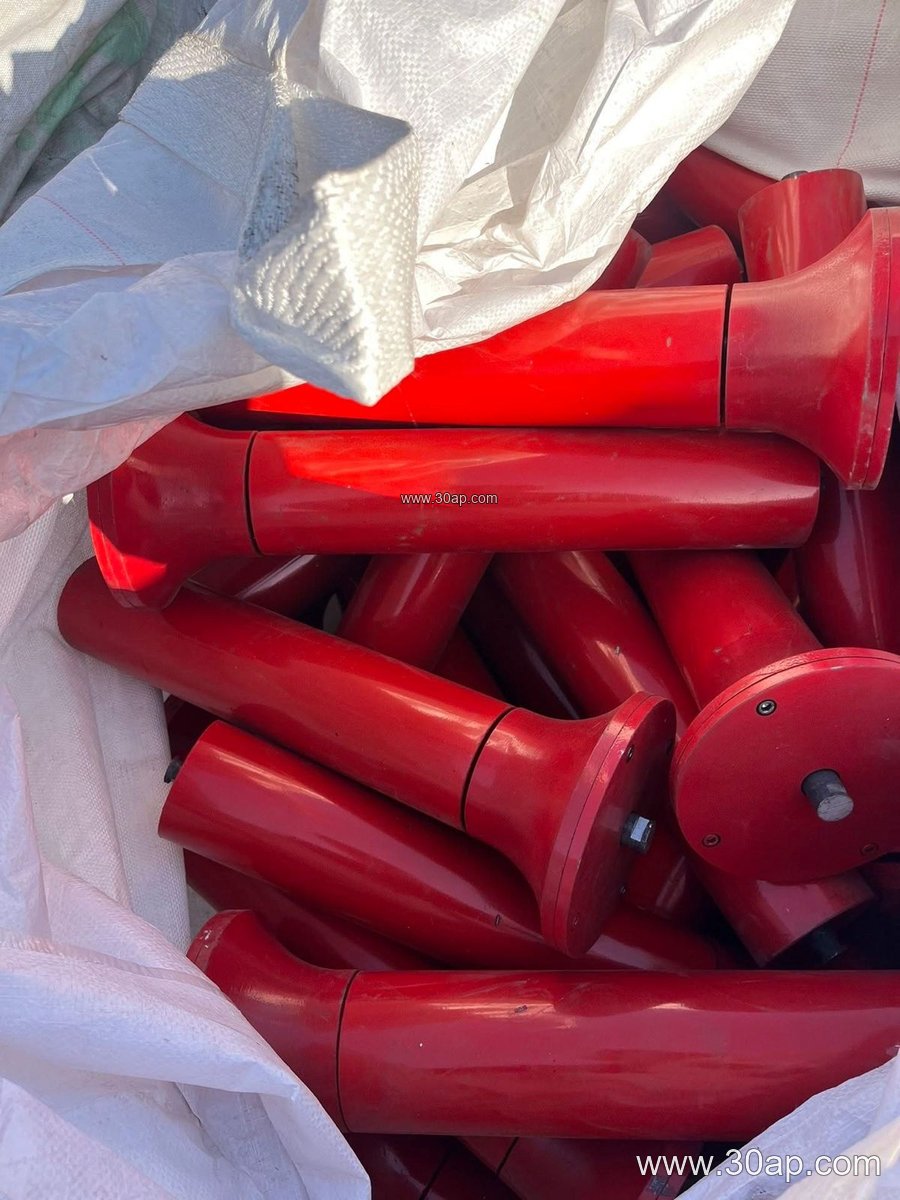
Construction and Common Surface Forms
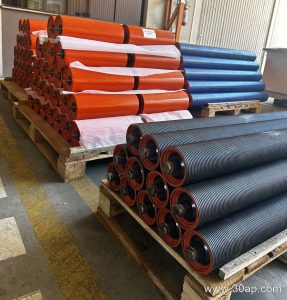
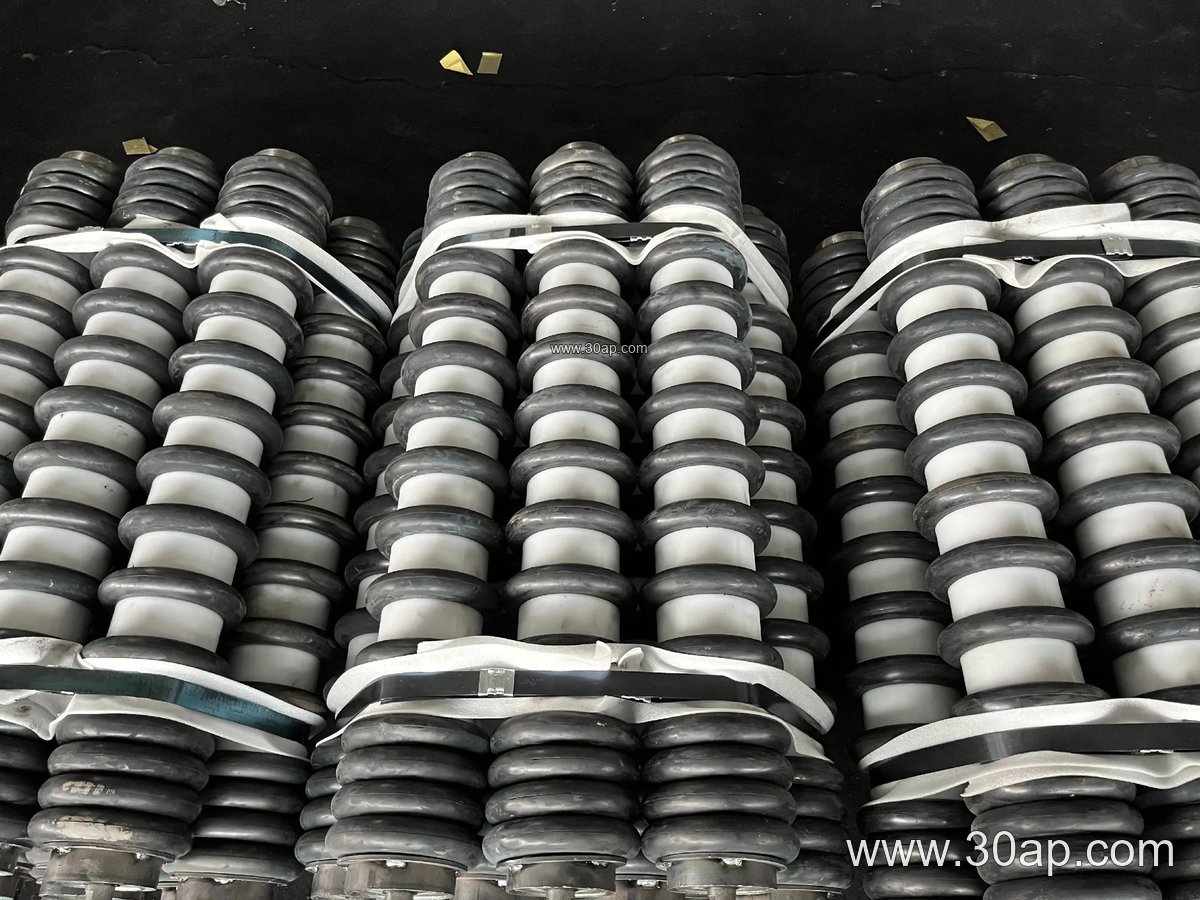
A typical idler consists of a steel tube shell, a shaft, bearing housings, seals, and a bearing set. The roller surface may be plain steel, nylon, ceramic, or covered with rubber rings. Bearing numbers such as 6204, 6205, 6305, 6306, 6308, and 6310 appear frequently, but the bearing size should always be matched to the load and shaft design rather than assumed from belt width alone. Seal quality matters in port environments, where salt air, dust, and rain accelerate contamination. Rubber ring impact idlers are often chosen under transfer chutes, while V-type return idlers help track the belt on the return run.
Troughing Geometry and Belt Width
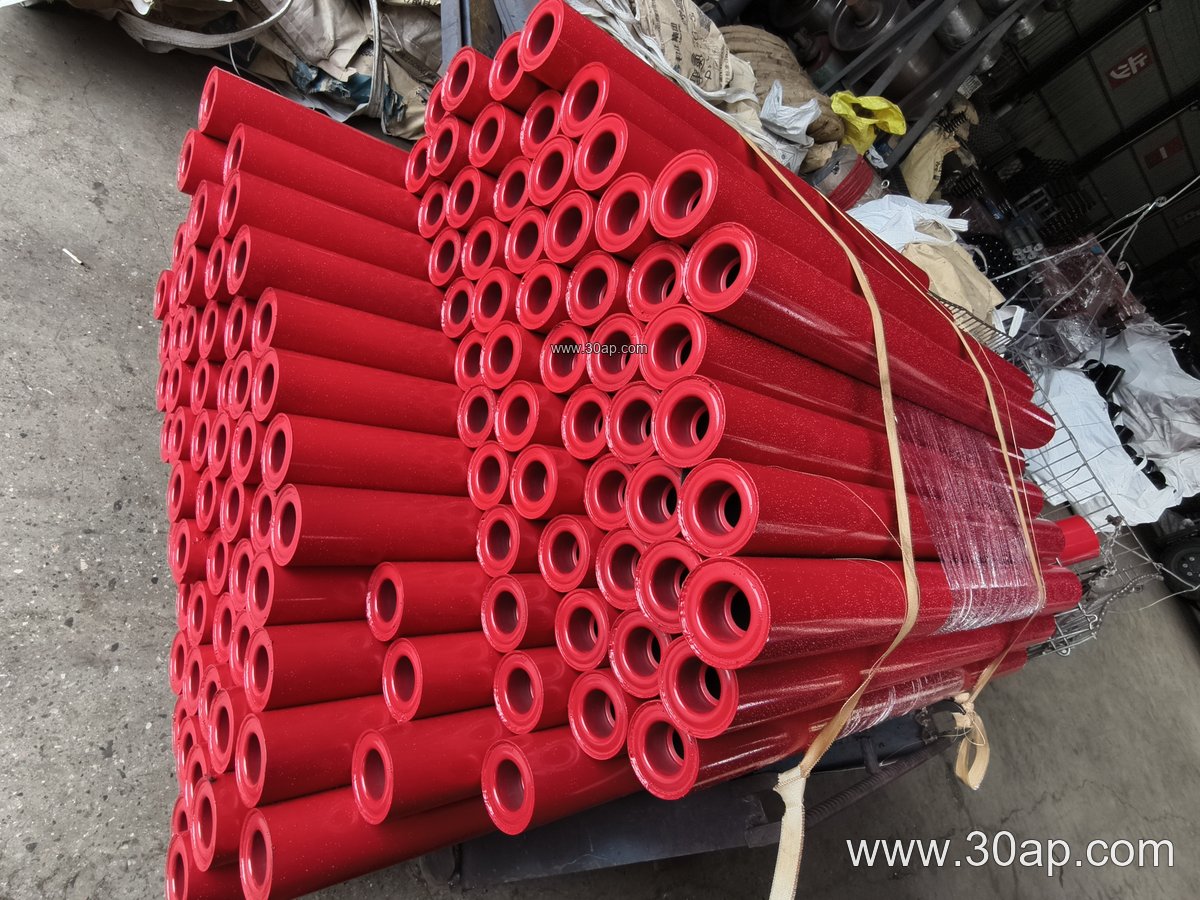
Trough angle affects how much material a belt can carry and how the load sits in the trough. Common trough angles are 20, 30, 35, and 45 degrees. Three-roll troughing sets are the usual choice for high-capacity port lines, while two-roll and single-roll arrangements appear in narrower or special positions. Roller length changes with belt width, trough angle, and roll position; for example, a three-roll set may use rolls around 200 mm for B500, 315 mm for B800, 465 mm for B1200, and 600 mm for B1600. These are reference examples, not fixed pairings, and side rolls can differ from the center roll.
Reference dimensions for planning
| Parameter | Common reference values |
|---|---|
| Idler diameter | Ø63, Ø76, Ø89, Ø102, Ø108, Ø127, Ø133, Ø159, Ø178, Ø194, Ø219 mm |
| Belt width | B400, B500, B650, B800, B1000, B1200, B1400, B1600, B1800, B2000, B2200, B2400 |
| Trough angle | 20°, 30°, 35°, 45° |
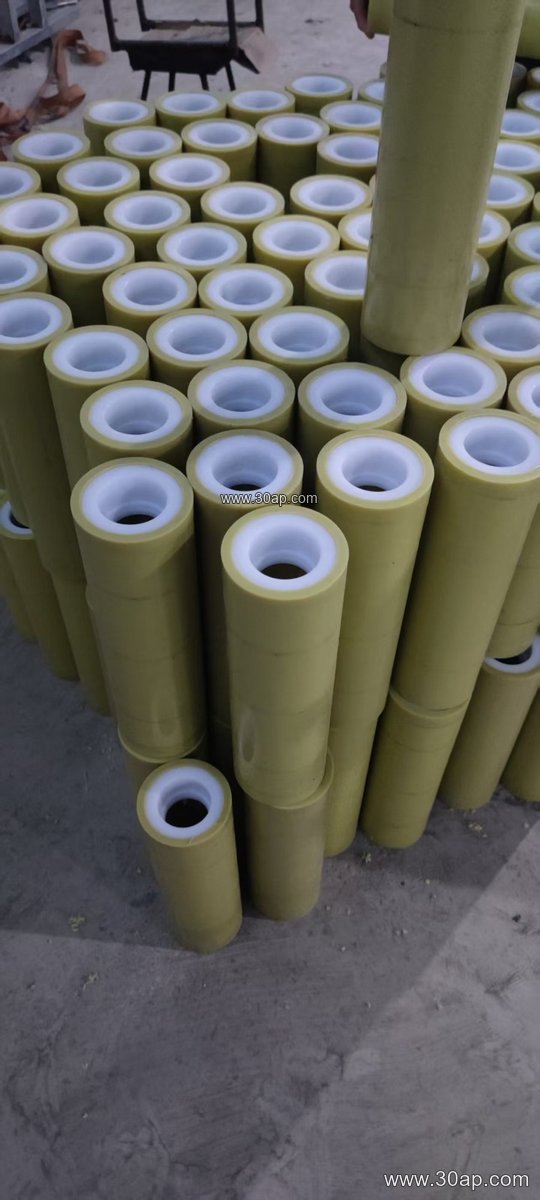
| Roll surface | Steel tube, nylon, ceramic, rubber ring |
| Bearing examples | 6204, 6205, 6305, 6306, 6308, 6310 |
Notice that belt width and pulley diameter are separate decisions. A wide belt does not automatically dictate one pulley size, and shaft diameter must be calculated from load, span, and idler spacing. Buyers should ask for a dimensional drawing rather than inferring sizes from a single number.
Where Port Idlers Are Used
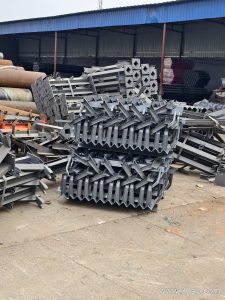
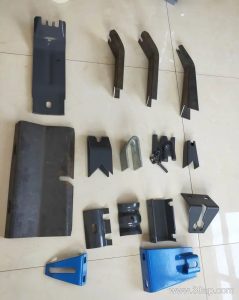
In a port, idlers appear on the main jetty conveyor, the yard conveyor, and the ship loader boom. Coal terminals, iron ore berths, and fertilizer export facilities each bring different demands. An iron ore line may favor abrasion resistant conveyor belt and heavy-duty idlers, while a grain terminal pays more attention to cleanliness and smooth rotation. The idler must also work with the conveyor pulley, conveyor bracket, and frame alignment; a misaligned bracket can shorten bearing life even when the roller itself is well made.
Buyer Checklist
- Confirm belt width, trough angle, and idler spacing before choosing roller length and diameter.
- Match the roller surface to the duty: rubber rings for impact zones, ceramic or nylon where wear or buildup is a concern.
- Check seal type and bearing fit for humid, salty, or dusty port conditions.
- Ask how the idler fits the existing conveyor bracket and frame, and confirm shaft end details.
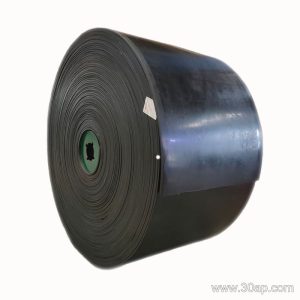
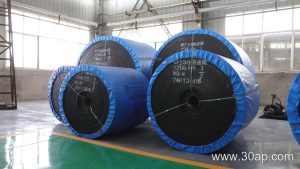
- Review the belt specification together with the idler selection, since a steel cord conveyor belt, EP conveyor belt, or flame retardant conveyor belt may call for different support and tracking behavior.
- Plan a spare parts stock for high-wear positions rather than replacing idlers only after failure.
For port projects, it also helps to mention the related belt type early in the inquiry, such as a bulk material conveyor belt, heat resistant conveyor belt for clinker, or oil resistant conveyor belt where fuel or oil contact is possible. That lets the supplier propose an idler roller and conveyor pulley arrangement that suits the whole conveyor rather than one isolated part. For more information on idlers, belts, and pulleys, visit conveyoridler.cn and review the port conveyor idler options before finalizing the specification.