What a High-Strength Idler Does on a Conveyor
A high-strength idler is a load-bearing roller built to keep a loaded conveyor belt tracking smoothly where ordinary rollers would wear out early. It sits under the carrying run or along the return strand and supports the belt and the material on it. In a quarry, a limestone mine, or a cement plant, the idler roller is a small component with a large effect on belt life, energy draw, and downtime. When a conveyor moves abrasive rock or heavy ore, the difference between a standard roller and a high-strength idler shows up in bearing life and shell durability.
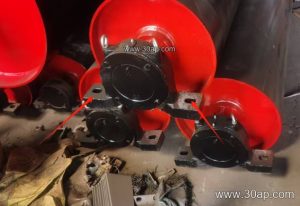
This roller is not a pulley. A drive pulley, tail pulley, and bend pulley each turn the belt or change its direction; the idler only supports it. Those parts are not interchangeable, and specifying one does not substitute for the other.
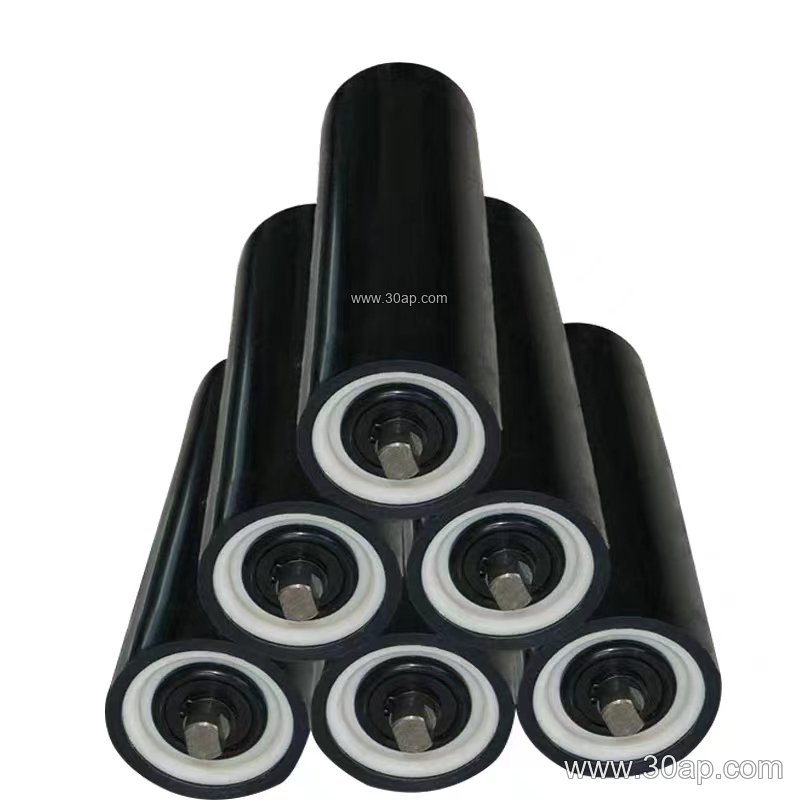
How the Roller Is Built
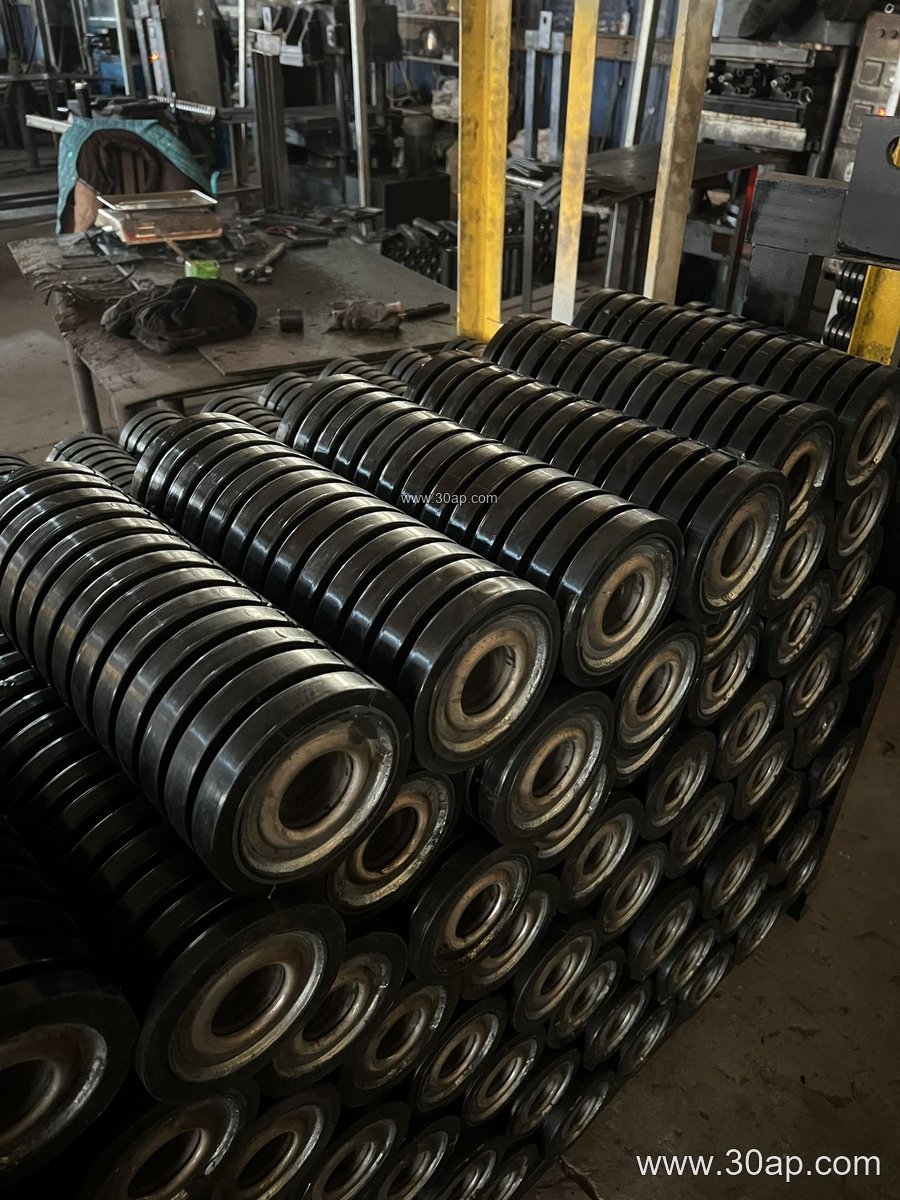
A high-strength idler usually combines a thick steel tube shell, welded end caps, a heavy-duty bearing housing, and a multi-labyrinth seal. The bearing set is often one of the common sizes such as 6205, 6305, 6308, or 6310, matched to the load and shaft design rather than to belt width alone. Shell surfaces may be plain steel, nylon, ceramic, or rubber rings, depending on whether abrasion, impact, or material build-up is the main concern.
Sealing matters as much as the tube. Dust from a crusher or a sand and gravel line finds its way into poorly sealed housings, so a good high-strength idler uses several sealing stages and retains grease longer. The frame and shaft are sized so the roller keeps its shape under a fully loaded belt.
Common Configurations and Reference Dimensions
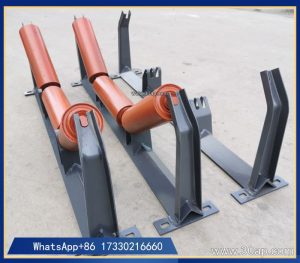
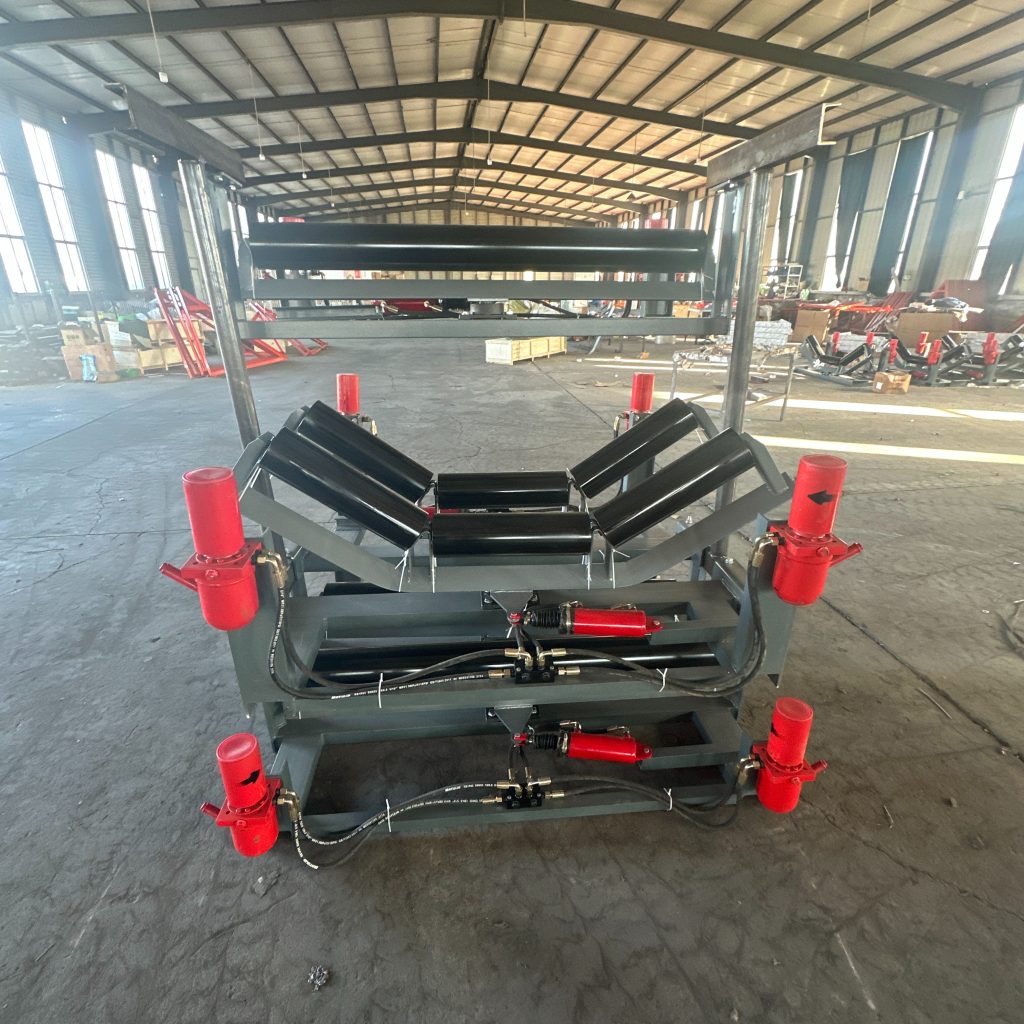
Troughing sets are the usual form on the carrying side, with two or three rolls and a trough angle of 20, 30, 35, or 45 degrees. Return idlers are often flat or V-shaped. The table below gives common reference values; actual roll length depends on belt width, trough angle, and set design.
| Belt width | Typical troughing roll length | Common idler diameters |
|---|---|---|
| B500 | about 200 mm | Ø63, Ø76, Ø89 |
| B650 | about 250 mm | Ø76, Ø89, Ø102 |
| B800 | about 315 mm | Ø89, Ø102, Ø108 |
| B1000 | about 380 mm | Ø108, Ø127, Ø133 |
| B1200 | about 465 mm | Ø108, Ø133, Ø159 |
| B1400 | about 530 mm | Ø133, Ø159, Ø178 |
| B1600 | about 600 mm | Ø159, Ø178, Ø194 |
| B1800 | about 670 mm | Ø159, Ø194, Ø219 |
| B2000 | about 750 mm | Ø178, Ø194, Ø219 |
These figures are examples, not fixed pairings. Side rolls and center rolls can differ, and a wider belt does not automatically dictate one shaft diameter. The conveyor bracket and frame spacing also influence the final choice.
Where High-Strength Idlers Are Used
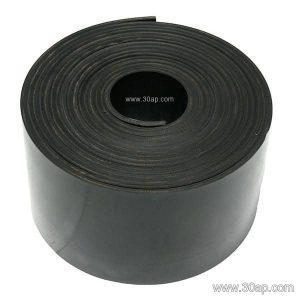
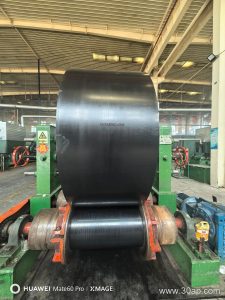
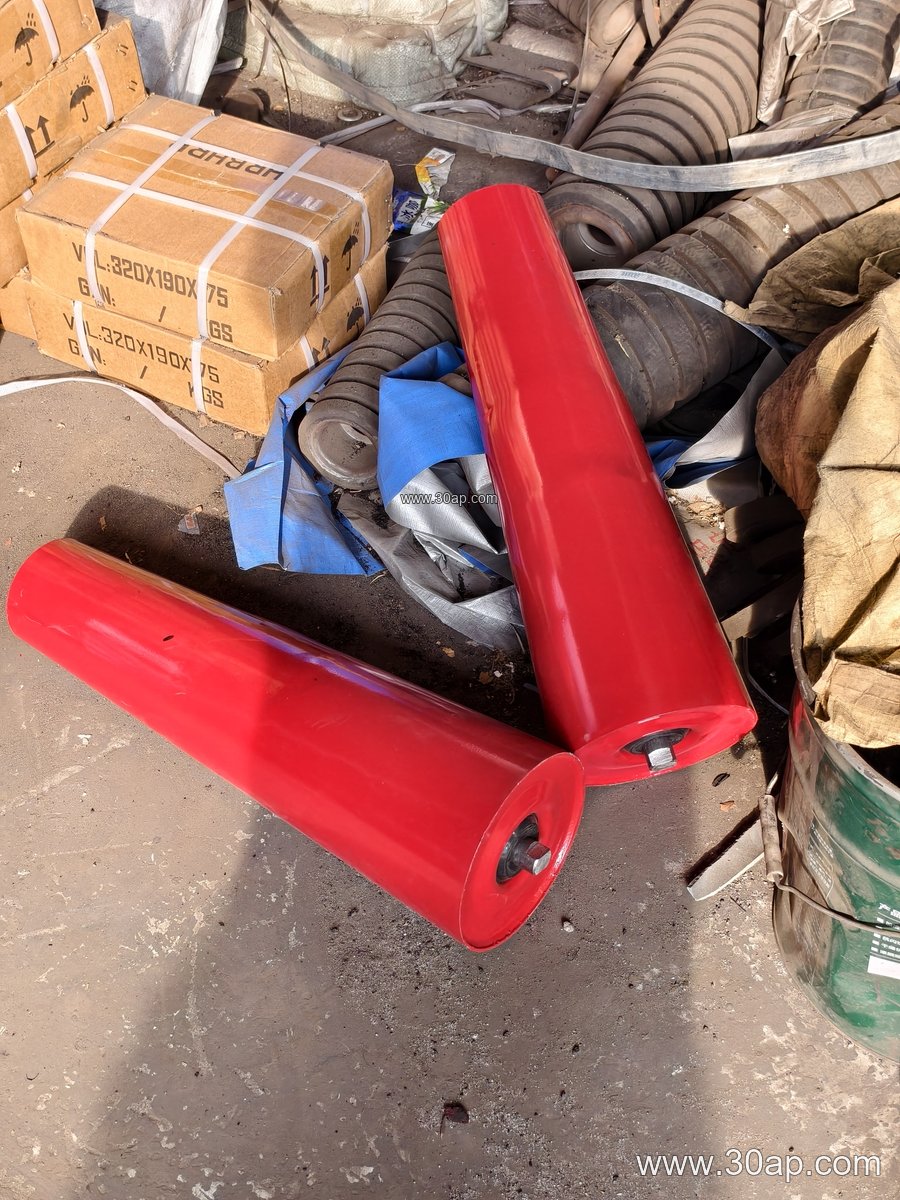
Heavy-duty mining conveyors, coal handling lines, and aggregate plants are typical homes for this roller. A high-strength idler also suits power plant coal yards, steel plant sinter lines, and port bulk terminals where belts run long shifts. In these places the belt itself may be a heavy-duty mining conveyor belt, a steel cord conveyor belt, or a multi-ply fabric core belt, and the rollers must match that duty level.
Impact zones below a crusher are better served by impact idlers or rubber-ring buffer rollers, while self-aligning idlers help on long runs that tend to mistrack. Those are separate subtypes used for a specific job, not replacements for the high-strength carrying idler.
What Buyers Should Check
- Confirm the belt width, trough angle, and whether the set is two-roll or three-roll.
- Match the roller diameter and bearing size to the actual load, not to a rule of thumb.
- Ask about seal design and grease retention for dusty or wet conditions.
- Check shell thickness and surface type against the material being carried.
- Verify bracket dimensions and mounting spacing against the existing conveyor frame.
For a coal mining conveyor belt or an iron ore line, a high-strength idler with a rugged seal and a thick shell is usually the sensible starting point. Pair it with the right conveyor belt, conveyor pulley, and conveyor bracket so the whole system works as one. More selection notes are available at www.example.com/high-strength-idler, and related belt options at www.example.com/conveyor-belt.