What a Flame Retardant Conveyor Belt Is
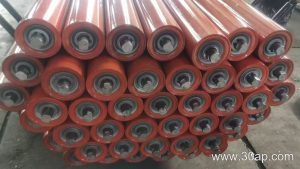
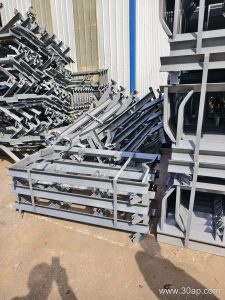
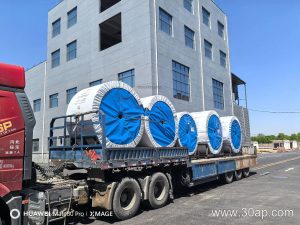
A flame retardant conveyor belt is a rubber conveyor belt designed to resist ignition and limit flame spread when exposed to fire sources or hot materials. In mining, coal preparation, power plants, cement works, and port bulk handling, this belt helps reduce fire risk along the conveyor line. It is also called a fire resistant conveyor belt in many industrial specifications, and the two terms often refer to the same product family. The belt works alongside other conveyor components such as idler rollers, conveyor pulleys, and conveyor brackets, but its fire performance is a property of the belt itself.
Construction and Material Options
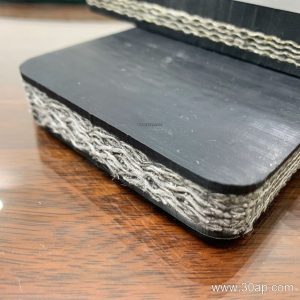
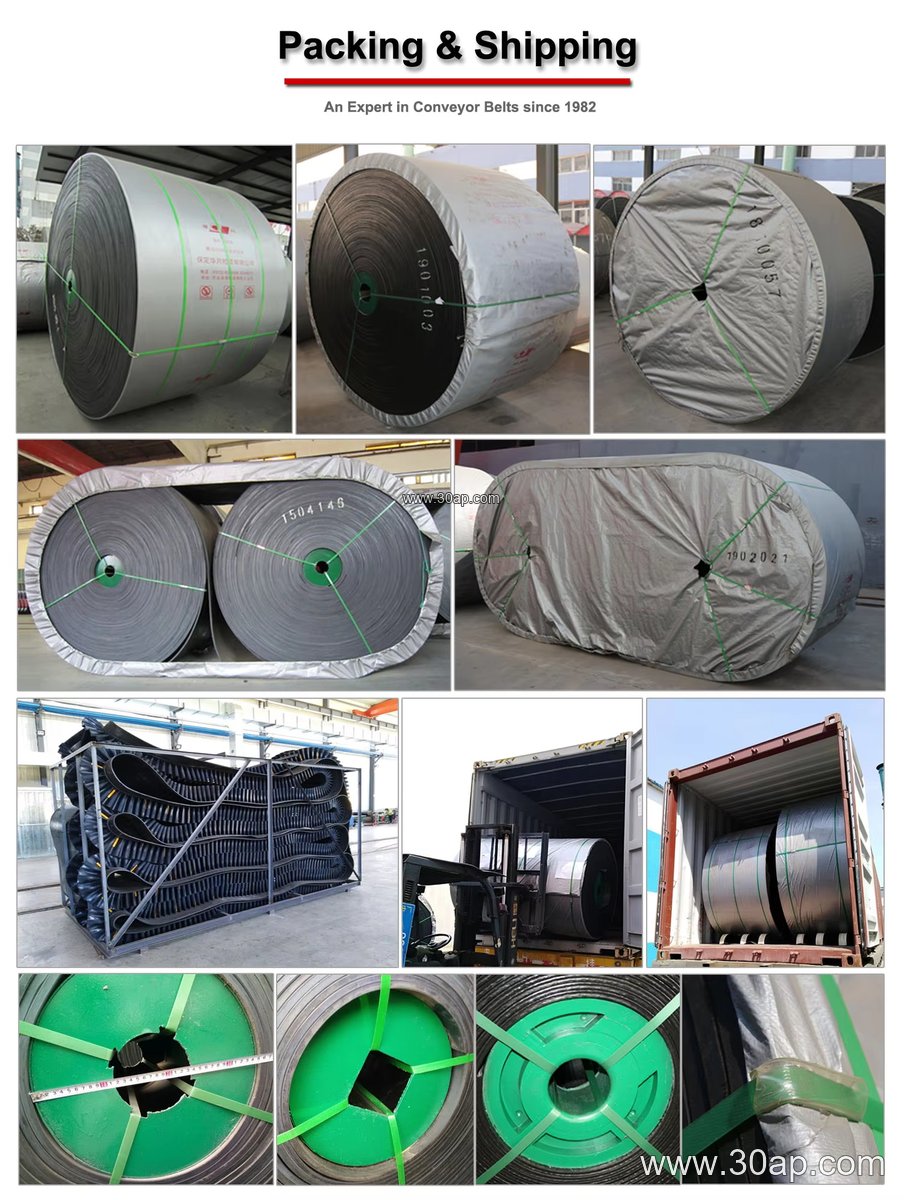
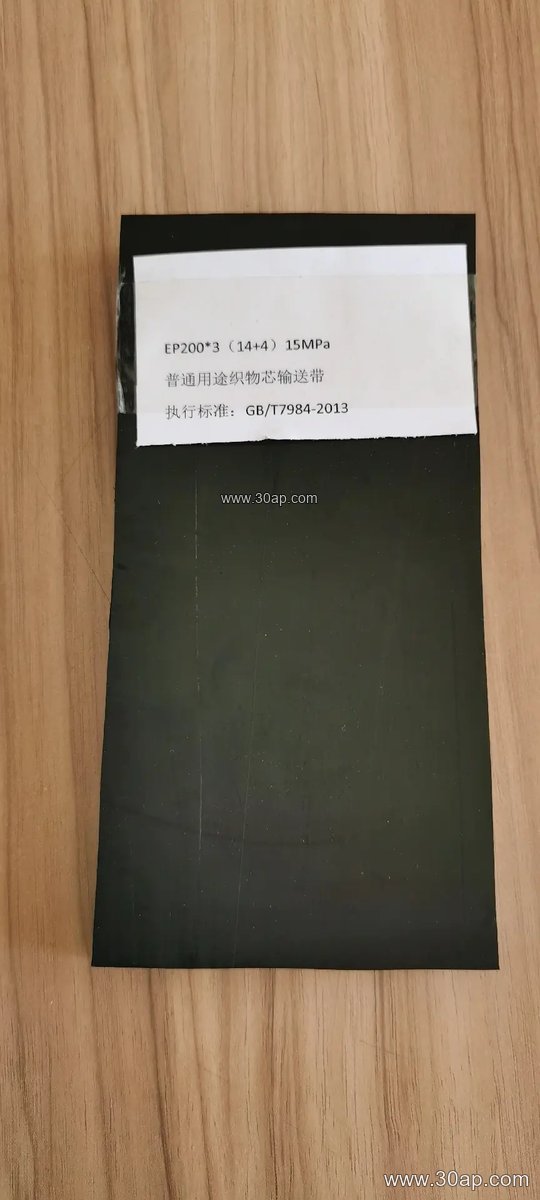
Most flame retardant belts use a fabric core or steel cord carcass covered with rubber compounds. Common carcass types include EP conveyor belt (polyester-nylon), NN conveyor belt (nylon-nylon), and steel cord conveyor belt for high tension duties. The cover rubber is compounded with flame retardant additives, and anti-static properties are often added for underground mining conveyor belt and coal mining conveyor belt service. Belt construction usually includes top cover, carcass, and bottom cover. Typical cover thickness combinations include 3+1.5 mm, 4+2 mm, 5+2 mm, 6+2 mm, and 8+3 mm, with 2 to 6 fabric plies depending on the required strength. For higher strength demands, EP1000, EP1250, EP1600, and EP2000 are among the common grades, while ST1000 to ST3150 steel cord belts cover heavy-duty mining conveyor belt applications.
Typical Applications
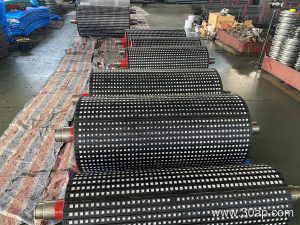
Flame retardant conveyor belts are widely used in underground coal mining, coal handling systems, power plant fuel lines, cement plants, and other dusty or combustible bulk material processes. In these environments, a fire resistant conveyor belt is often specified together with anti-static conveyor belt properties. The belt may run on idler rollers and conveyor pulleys that are selected for the load and belt width. Common belt widths include B500, B650, B800, B1000, B1200, B1400, B1600, B1800, and B2000, with wider or extra-wide options available by design. The belt width does not fix the pulley diameter; drive pulleys, tail pulleys, and bend pulleys are sized separately according to tension and shaft load.
Key Specifications to Compare
Buyers should compare belt type, carcass material, cover thickness, and flame retardant standard. The table below shows common reference values; actual supply depends on the manufacturer and the application.
| Parameter | Common Reference |
|---|---|
| Belt type | Flame retardant / fire resistant |
| Carcass | EP, NN, steel cord |
| Strength grades | EP200 to EP2000; ST1000 to ST3150 |
| Belt width | B500 to B2000 mm |
| Cover thickness | 3+1.5, 4+2, 5+2, 6+2, 8+3 mm |
| Ply count | 2 to 6 (fabric core) |
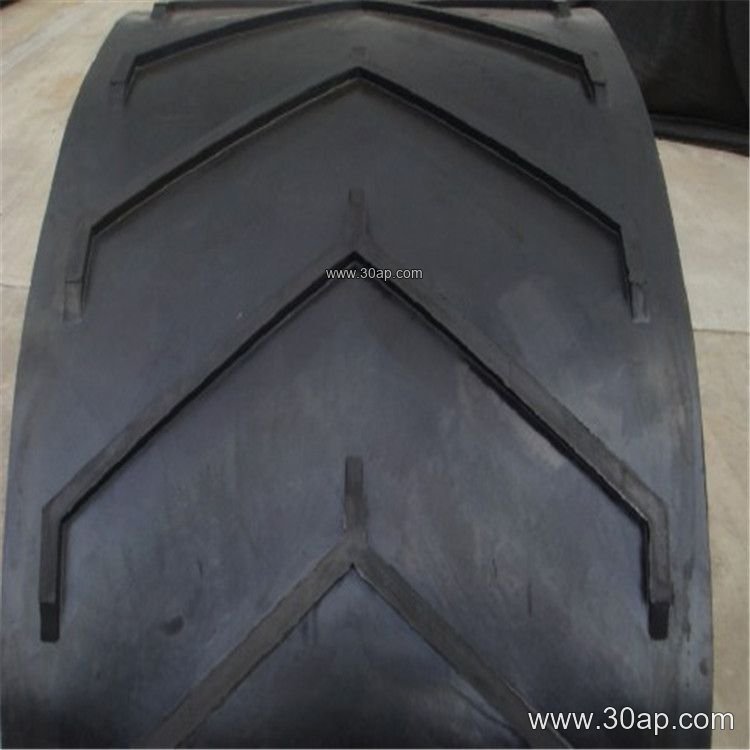
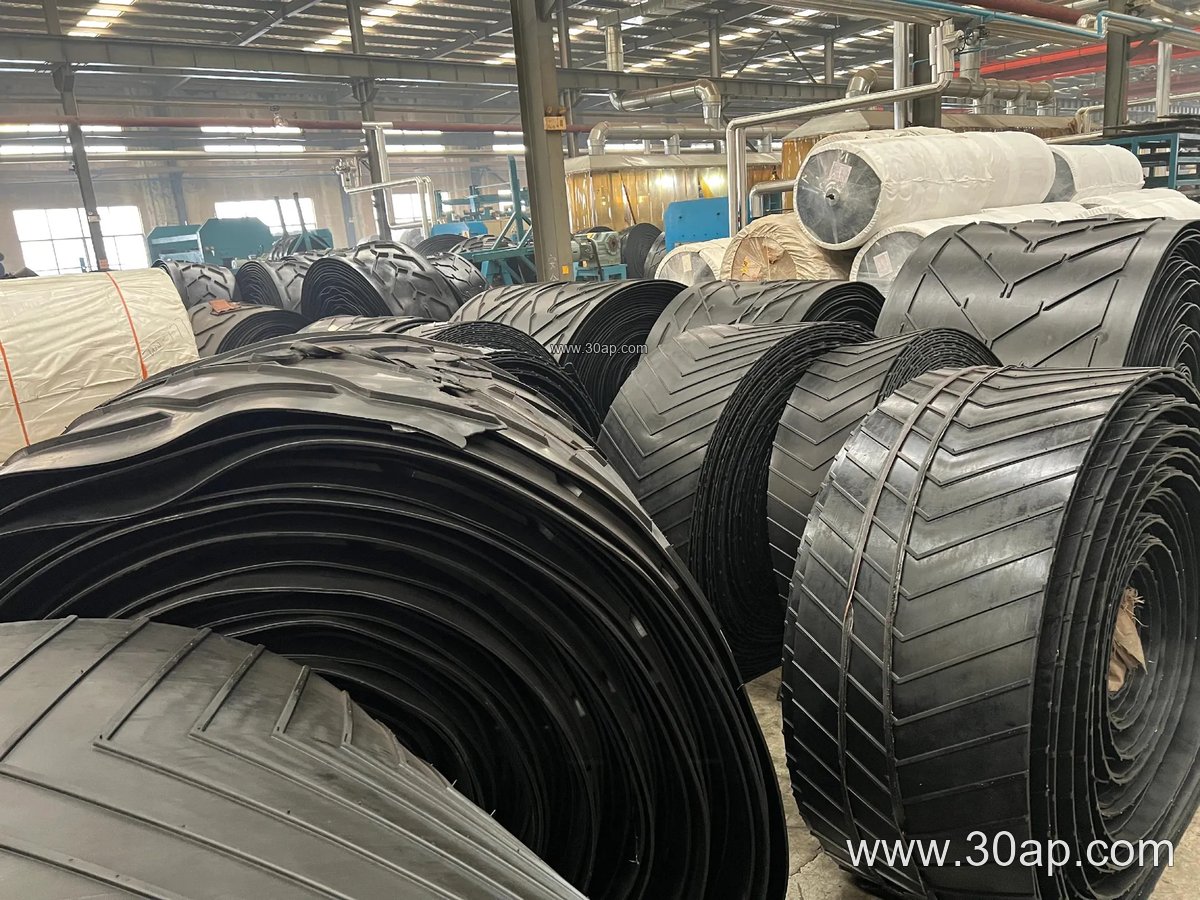
For special duties, subtypes such as chevron conveyor belt, corrugated sidewall conveyor belt, and pipe conveyor belt may be considered, but they are not replacements for the flame retardant belt itself. The flame retardant property should be confirmed for the specific belt construction.
Selection and Maintenance Notes
When selecting a flame retardant conveyor belt, match the belt strength and cover grade to the material being conveyed and the conveyor geometry. Check compatibility with idler rollers, conveyor pulleys, and conveyor brackets to avoid edge damage and mistracking. Keep the belt clean and avoid excessive material buildup around pulleys. Inspect splices and edges regularly, because damaged covers can reduce fire performance. Store belts away from heat and oil, and follow the manufacturer’s instructions for splicing and installation. For coal mining conveyor belt and underground mining conveyor belt use, confirm that the belt meets the required flame retardant and anti-static performance for the site.
Related belt options such as abrasion resistant conveyor belt, heat resistant conveyor belt, and oil resistant conveyor belt are available for different operating conditions, but the flame retardant conveyor belt remains the focus where fire safety is the primary concern.