What a Motorized Pulley Is
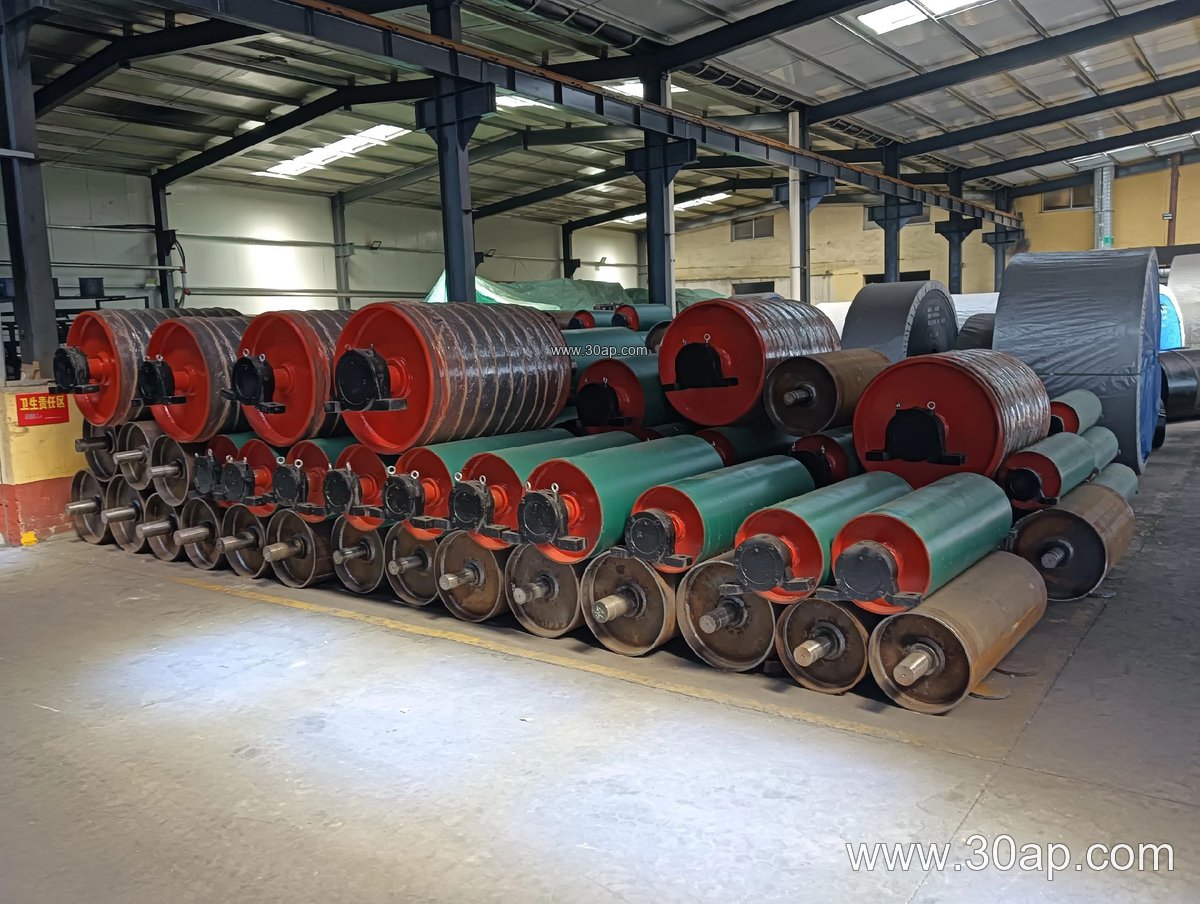
A motorized pulley, often called a drum motor, packs the electric motor, gear reducer, and bearings inside the pulley shell. The result is a compact drive unit that replaces the conventional arrangement of an external motor, gearbox, coupling, and exposed drive pulley. On a conveyor belt line, the drum motor becomes the drive pulley itself, and the belt wraps around its shell while the whole assembly turns as one sealed unit.
This design suits plants where floor space is tight or where dust and water make exposed drive components a maintenance headache. In a cement plant, a coal handling section of a power plant, or a quarry conveyor, the motorized pulley can reduce the number of parts that need guards, alignment, and lubrication.
How the Unit Is Built
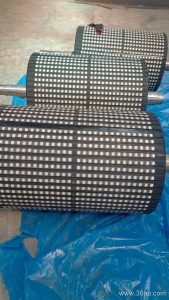
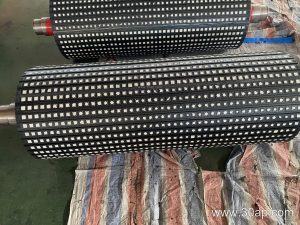
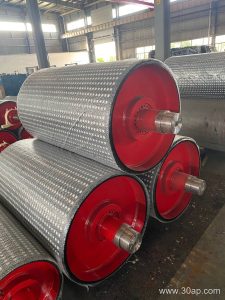
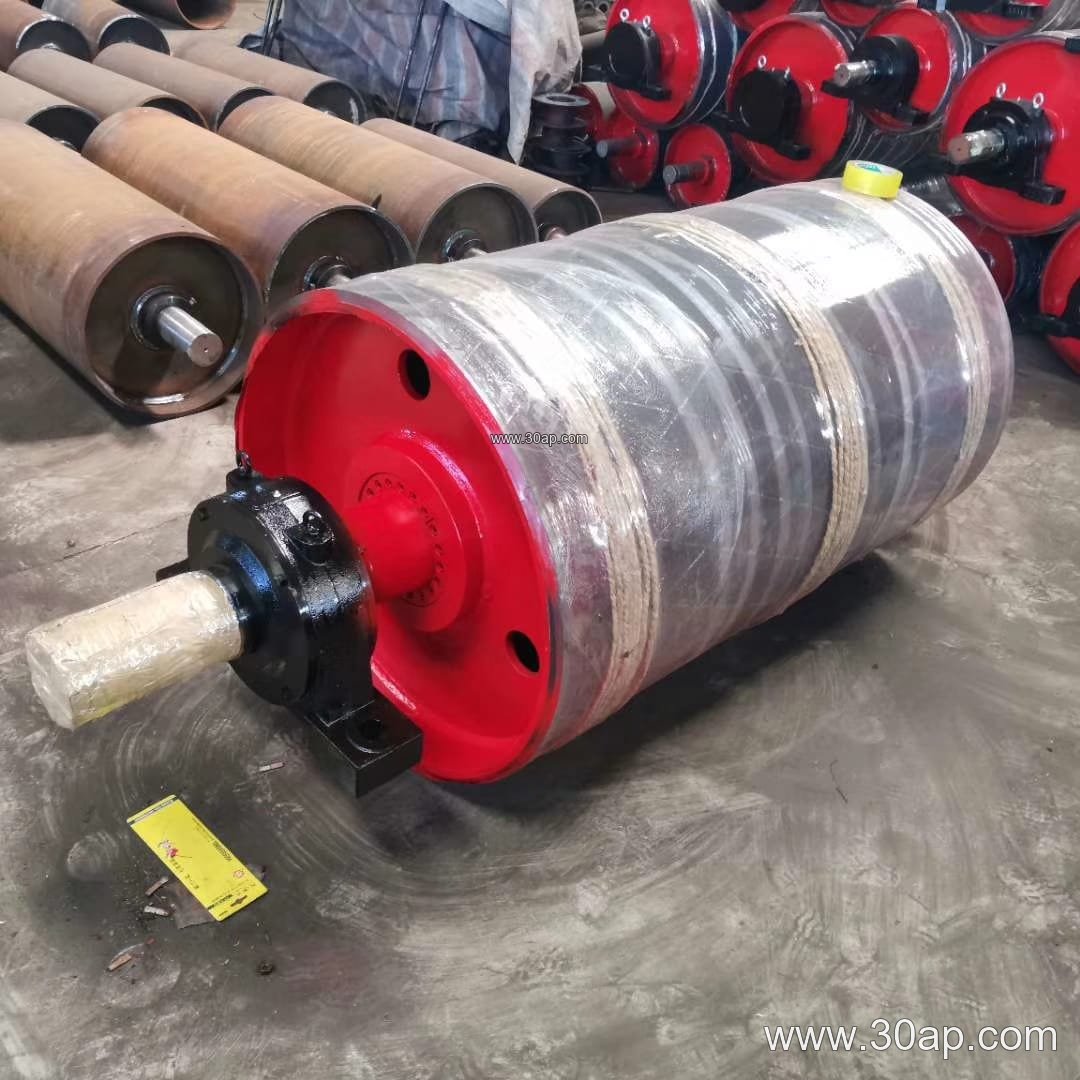
Inside the shell, a stator and rotor drive a planetary or helical gear stage that turns the shell through a torque arm reaction. The shell is supported by bearing housings at both ends, and the whole assembly is sealed against dust and moisture. The outer surface may be plain, or it may carry rubber lagging in a flat, diamond, or herringbone pattern to improve grip.
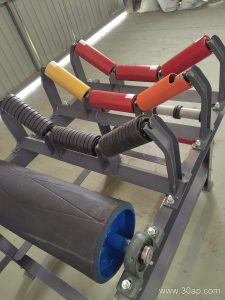
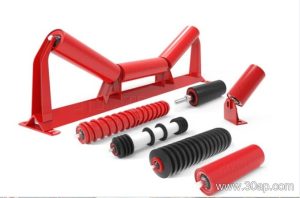
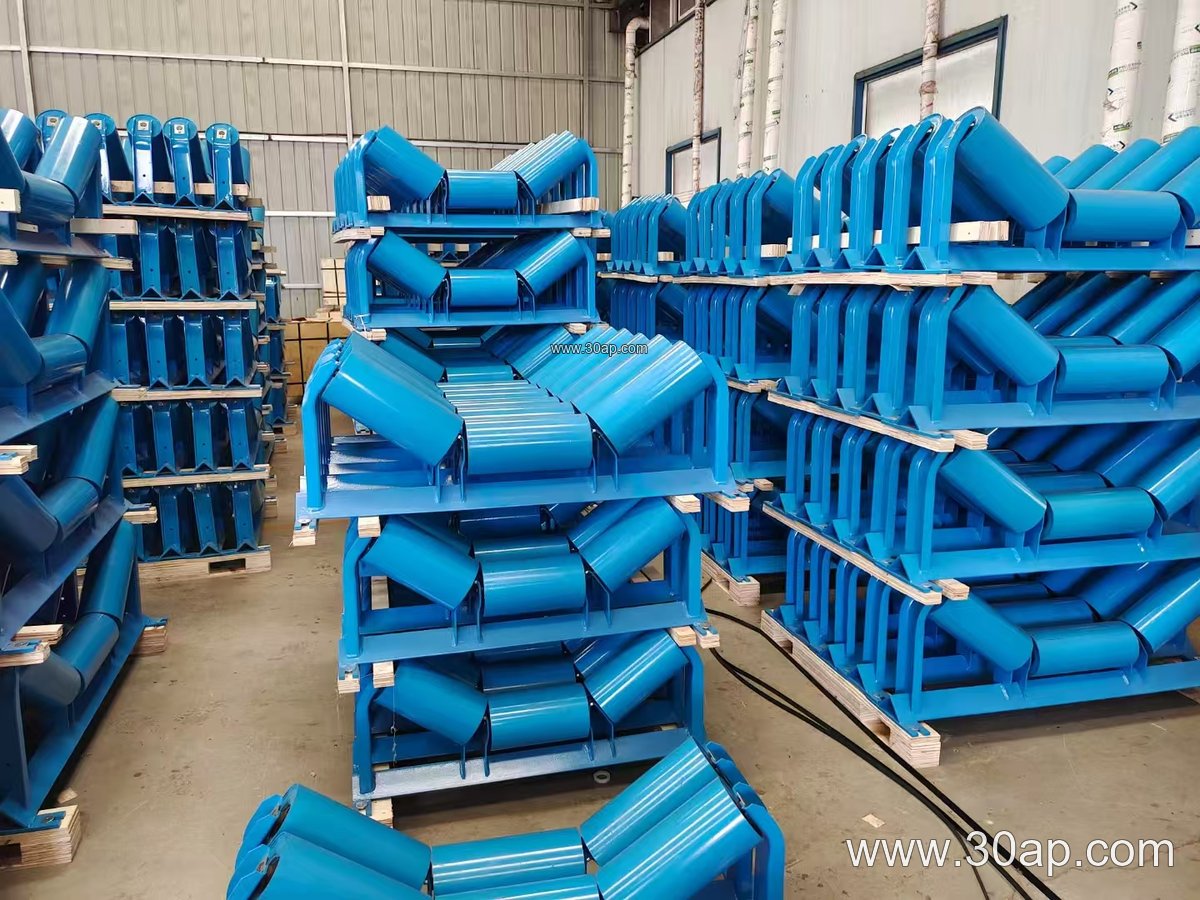
The motorized pulley works with the same conveyor belt, idler roller, and conveyor bracket hardware as a conventional drive station, but the drive is contained in the pulley. This matters when the belt carries an abrasive or wet load, because there is no open chain or coupling to collect grit.
Applications Across Industries
Drum motors are common on short to medium conveyors in mining, mineral processing, and bulk handling. Typical locations include:
- Sand and gravel lines feeding screens and crushers
- Coal handling in power plants and wash plants
- Cement plant clinker and raw meal transport
- Port bulk terminals and ship loading conveyors
- Fertilizer, grain silo, and recycling lines
They also appear on tunnel spoil conveyors and in steel plant sinter handling, where space and dust control are priorities. The drive pulley position is usually at the head, but a motorized tail pulley can serve as a tensioning or return-end drive on some layouts.
Sizes and Surface Options
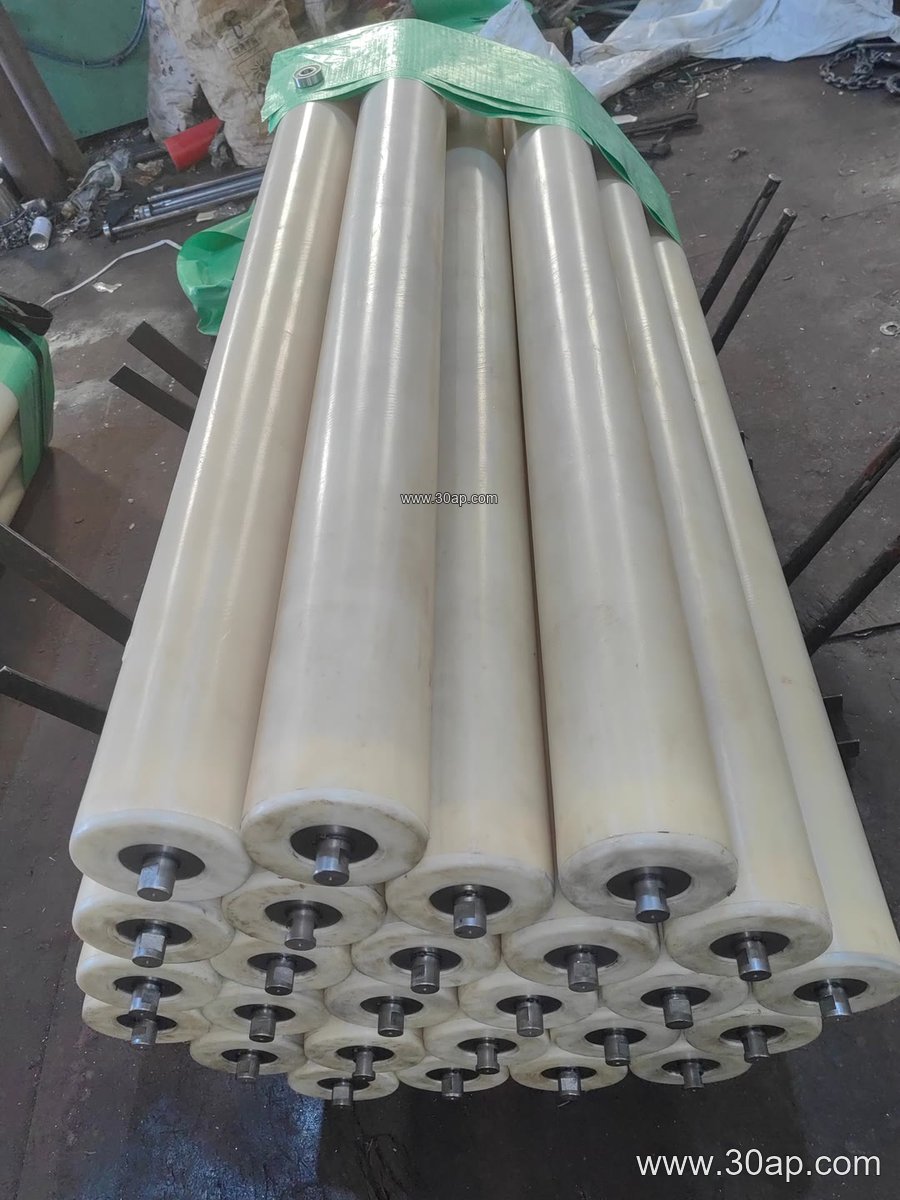
Motorized pulleys are usually specified by belt width, shell diameter, lagging type, and shaft or bearing configuration. Common belt widths run from B400 up to B2400, and shell diameters commonly range from about Ø200 to Ø1000, with larger sizes available for heavy-duty service. The table below gives typical reference combinations; these are examples, not fixed rules.
| Belt width | Typical shell diameter | Common lagging |
|---|---|---|
| B500 | Ø250 – Ø400 | Plain, diamond rubber |
| B800 | Ø400 – Ø630 | Diamond or herringbone lagging |
| B1000 | Ø500 – Ø800 | Hot vulcanized rubber |
| B1200 | Ø630 – Ø1000 | Ceramic or diamond lagging |
| B1400 | Ø800 – Ø1000 | Herringbone or ceramic |
The shell face width is normally a little wider than the belt, for example B800 with a shell of about 950 mm. Lagging thickness is commonly 8, 10, 12, 15, or 20 mm depending on grip and wear requirements. The shaft diameter is chosen from torque and load, not from belt width alone; common shaft sizes run from Ø50 to Ø200.
Matching the Drive to the Belt
A drum motor on an EP conveyor belt or a multi-ply fabric core belt needs enough friction between shell and belt cover to transmit the load. On a long incline, a chevron conveyor belt or a corrugated sidewall belt may need different lagging and a larger wrap angle. In dusty coal mining service, a flame retardant conveyor belt is often paired with a sealed drum motor to keep ignition risk low around the drive.
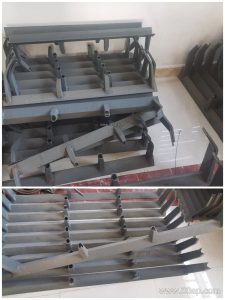
For heavy-duty mining conveyor belts, an abrasion resistant conveyor belt cover plus a ceramic-lagged drum motor can extend service life in a quarry or iron ore line. The drive pulley is only one part of the system: an idler roller, conveyor bracket, and take-up all affect belt tracking and tension.
Buyer Checklist
- Confirm the required belt width, belt speed, and load so the drum motor power and gear ratio are correct.
- Decide on lagging type and thickness for grip and wear.
- Check the mounting position: head, tail, or tensioning end.
- Verify sealing class for dust and washdown conditions.
- Plan access for oil changes or bearing service, if the design requires them.
Visitors comparing a drum motor with a conventional drive often check how the unit fits an existing conveyor frame, whether the conveyor bracket matches, and how the belt is tensioned. For a reliable quote, provide the belt width, center distance, capacity, and the material carried. More conveyor pulley details can be reviewed at www.example.com/conveyor-pulley alongside roller and belt information.