What a Carbon Steel Pulley Does on a Conveyor
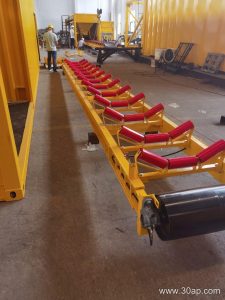
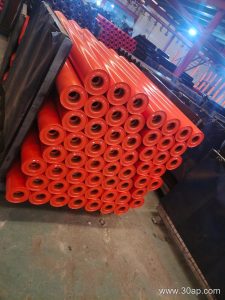
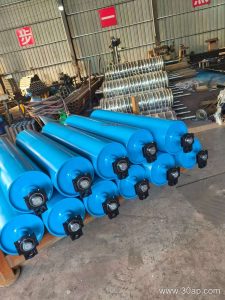
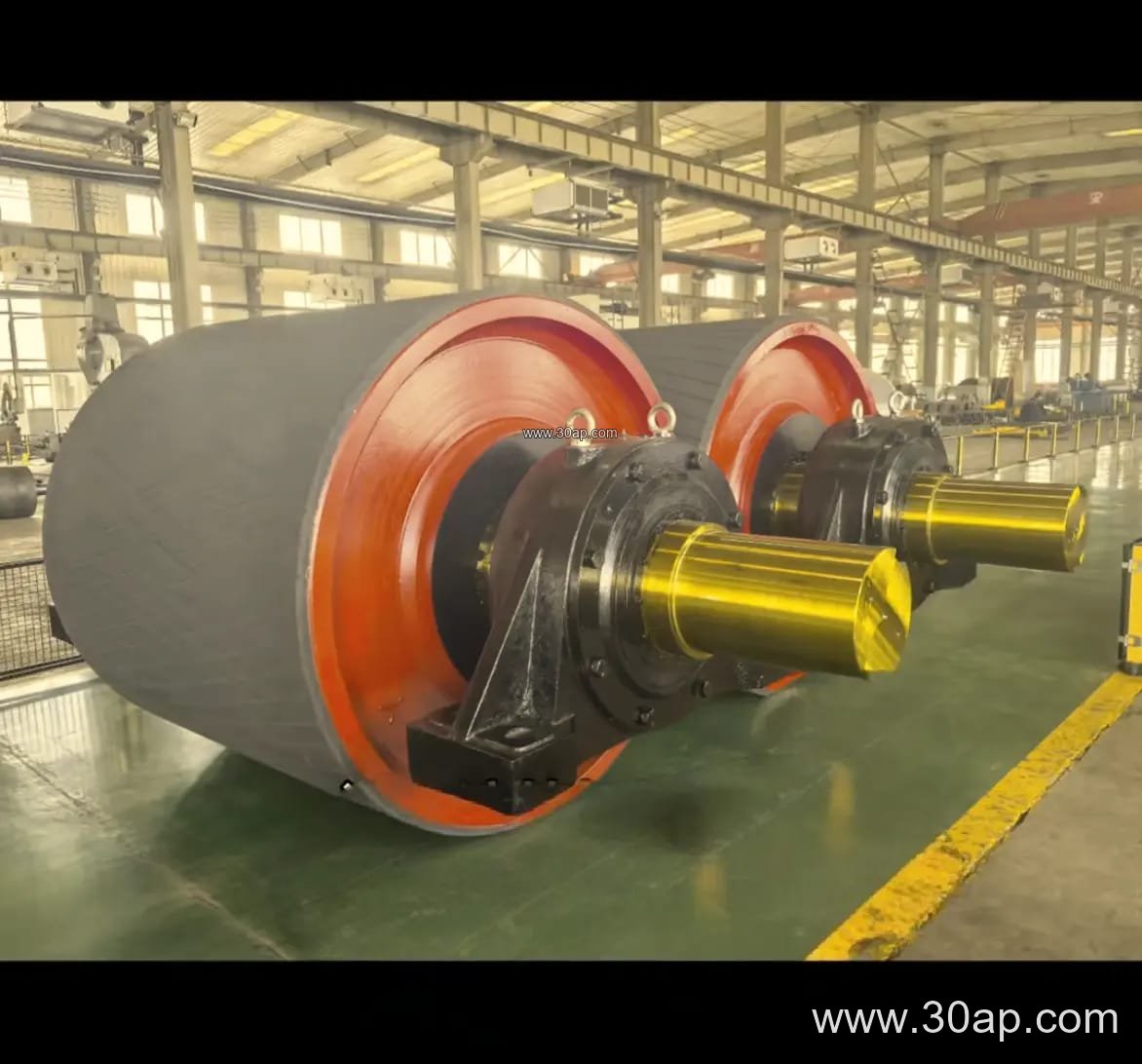
A carbon steel pulley is the rotating drum that carries and guides a conveyor belt at the head, tail, or intermediate points of a conveyor system. It is a fabricated or welded steel shell with shaft, hubs, and bearing housings, and it is usually the structural backbone of the belt loop. In a quarry, a limestone mine, or a cement plant, this component works alongside the conveyor belt, idler roller, and conveyor bracket to keep material moving without interruption.
The same product is also described as a steel conveyor drum or steel belt pulley. Those names refer to the same carbon steel drum, and they are not substitutes for other pulley types used elsewhere in the conveyor layout.
How the Drum Is Built
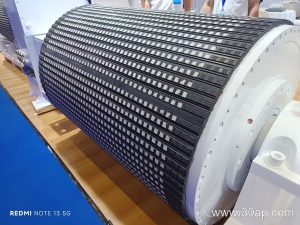
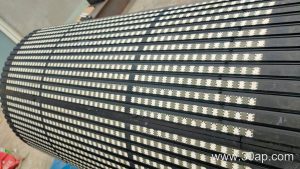
The shell is normally rolled from carbon steel plate, welded to end discs, and machined so the surface runs true. Shafts are fitted through the hubs and supported by bearings in housings that bolt to the conveyor frame. Surface finish matters as much as the shell: a plain drum suits many general duties, while lagging improves grip and protects the shell.
- Plain face for light, clean duties
- Cold-bonded rubber or hot-vulcanized rubber lagging
- Diamond or herringbone grooved lagging for wet or dusty belts
- Ceramic lagging for high-slip, abrasive service
- Common lagging thicknesses of 8, 10, 12, 15, and 20 mm
Bearing selection, shaft diameter, and welding quality are determined by the actual torque and load, not by belt width alone. A common shaft range runs from Ø50 to Ø200, but the final value should come from the conveyor design.
Where It Fits in the Conveyor Layout
Position decides the duty. A drive pulley transmits power to the belt; a tail pulley returns the belt and sets tension; a bend pulley changes belt direction and is a distinct type, not a replacement for a drive or tail drum. In a coal handling plant or a power plant coal yard, a drive drum with rubber lagging often works with an abrasion resistant conveyor belt, while a tail drum may use a plain or lightly lagged face to shed fines.
In a sand and gravel line or a crushing and screening circuit, the head drum discharges material onto the next belt. Here the pulley must tolerate dust and occasional impact, and a heavy-duty mining conveyor belt may run alongside it. In a port bulk terminal, wide belts such as 1800 mm or 2000 mm need drums sized to the belt and the load, and the drum face is usually wider than the belt, for example about 2000 mm face for a B1800 belt.
Common Size References and Surface Options
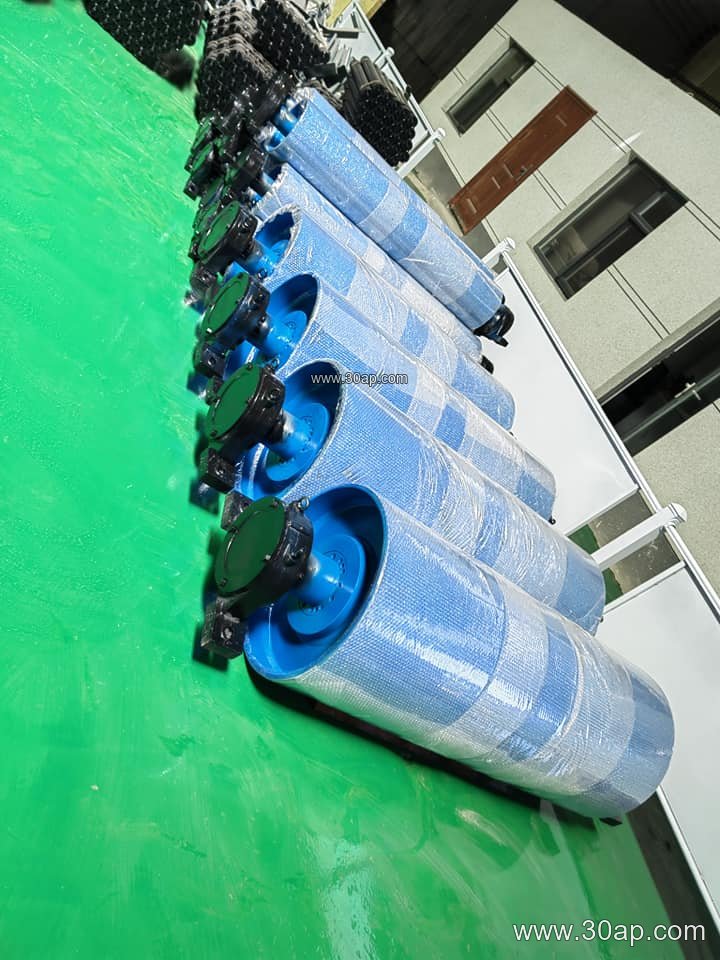
The table below shows typical reference values. They are design guides, not fixed matching rules, and one belt width can work with more than one drum diameter.
| Belt width | Typical drum face | Example diameter | Common lagging |
|---|---|---|---|
| B500 | about 600 mm | Ø400, Ø500 | plain, 8–10 mm rubber |
| B650 | about 750 mm | Ø500, Ø630 | diamond rubber |
| B800 | about 950 mm | Ø500, Ø630, Ø800 | 10–12 mm rubber |
| B1000 | about 1150 mm | Ø630, Ø800, Ø1000 | herringbone or ceramic |
| B1200 | about 1400 mm | Ø800, Ø1000, Ø1250 | 12–15 mm rubber |
| B1400 | about 1600 mm | Ø800, Ø1000, Ø1250 | hot-vulcanized rubber |
| B1600 | about 1800 mm | Ø1000, Ø1250, Ø1400 | ceramic or grooved rubber |
| B1800 | about 2000 mm | Ø1250, Ø1400, Ø1600 | heavy lagging |
Surface choice should follow the belt and the material. A chevron conveyor belt or a corrugated sidewall conveyor belt may need a different drum face than a flat EP conveyor belt. In dusty or wet conditions, grooved lagging helps water escape and keeps friction stable. For hot clinker or sinter, a heat resistant conveyor belt and a drum with suitable lagging compound are usually considered together.
What Buyers Should Confirm
Before ordering, confirm the pulley position, belt width, drum diameter, shaft diameter, bearing type, lagging pattern, and lagging thickness. Ask how the drum will be balanced and whether the face is machined after welding. For a coal mining conveyor belt or an underground coal mining conveyor belt, flame retardant and anti-static properties of the belt are separate from the drum specification, so keep those requirements in the belt data sheet.
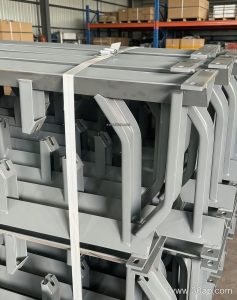
Also check the interface with the conveyor bracket and the idler roller frame. A drum that fits the shaft but not the bearing housing will slow installation. Finally, match the drum to the belt tension and the starting duty; a larger diameter reduces belt bending stress, but it must still fit the conveyor structure. Whether the line handles iron ore, copper ore, cement clinker, or fertilizer, the carbon steel pulley should be selected as part of the whole conveyor, not as a standalone item.