What a Conveyor Frame Does
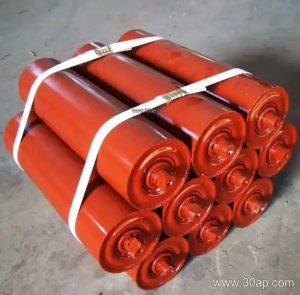
A conveyor frame is the structural backbone of a belt conveyor. It holds the idler roller sets at the correct height and trough angle, carries the return strand, and keeps the conveyor pulley and conveyor bracket assemblies aligned along the route. In a quarry, a cement plant, or a power plant coal yard, the frame is the part that turns a loose collection of rollers into a stable transport line. Without a rigid frame, even a well-made abrasion resistant conveyor belt will wander, spill material, and wear unevenly.
Frames are usually built from angle steel, channel steel, or folded steel plate. The cross members and longitudinal beams are cut, drilled, and welded or bolted into modules that match the belt width and the trough angle. The frame also sets the mounting hole spacing for the idlers, so the geometry of the frame and the geometry of the idler set must agree.
How the Frame Is Put Together
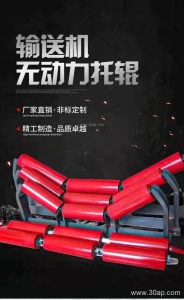
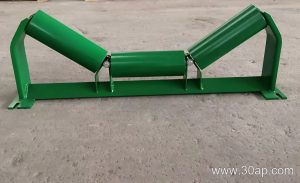
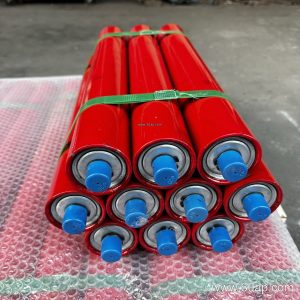
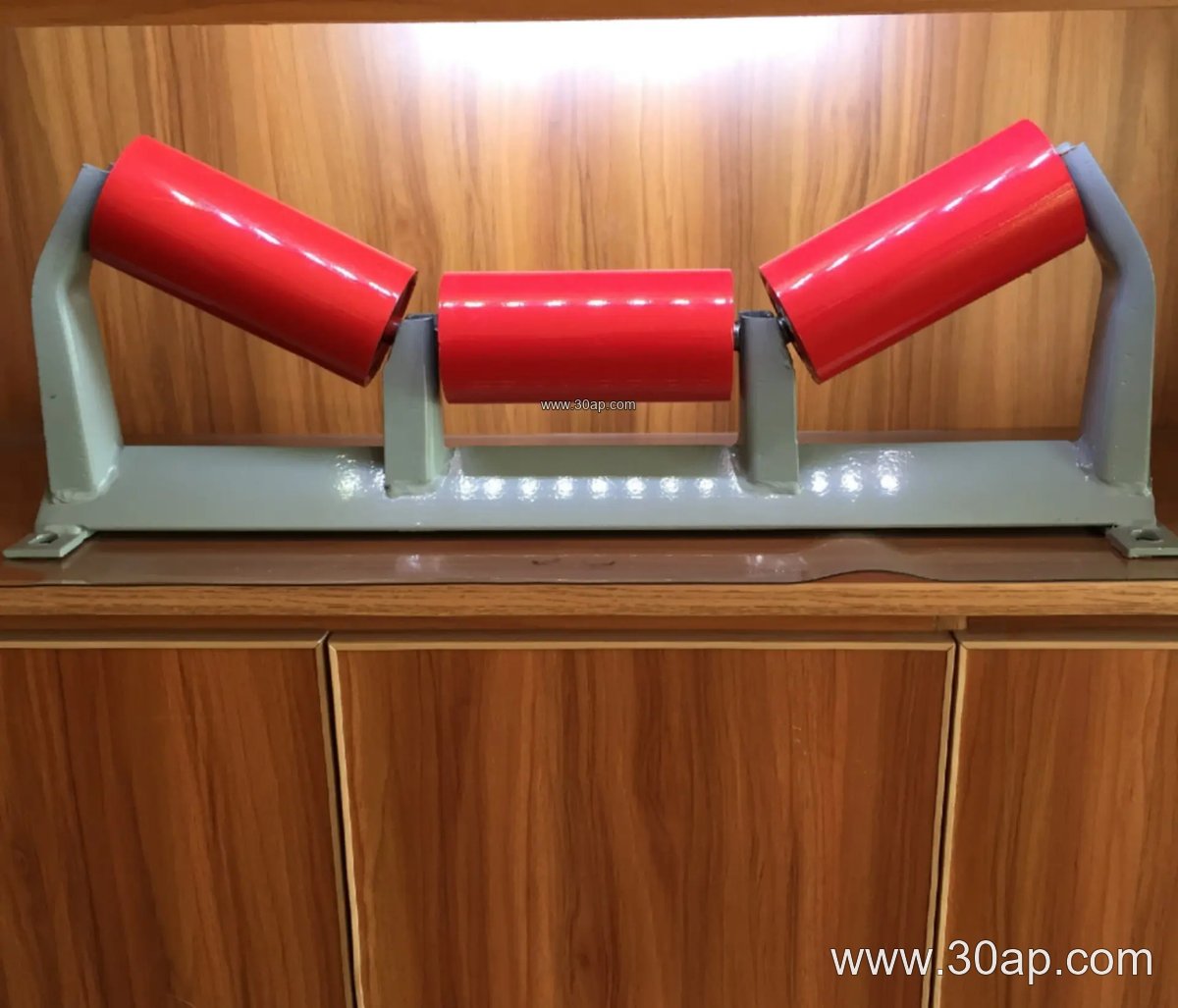
A typical installation includes several frame positions along the conveyor length. The carrying side uses trough idler frames that hold three rollers in a trough profile. The return side uses flat or V-return frames. Transition frames sit near the head and tail so the belt opens smoothly from the pulley. Impact frames with cushioning idlers are placed under loading points, and self-aligning frames are used where belt tracking is a concern.
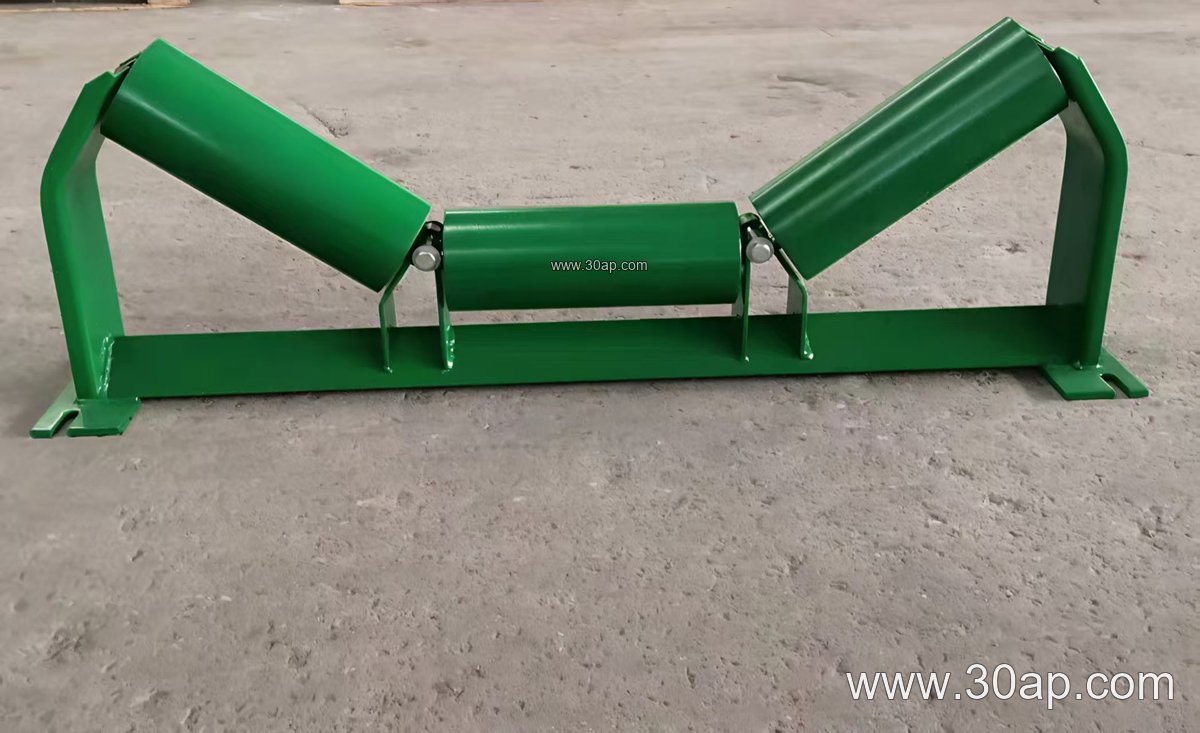
Common frame types include:
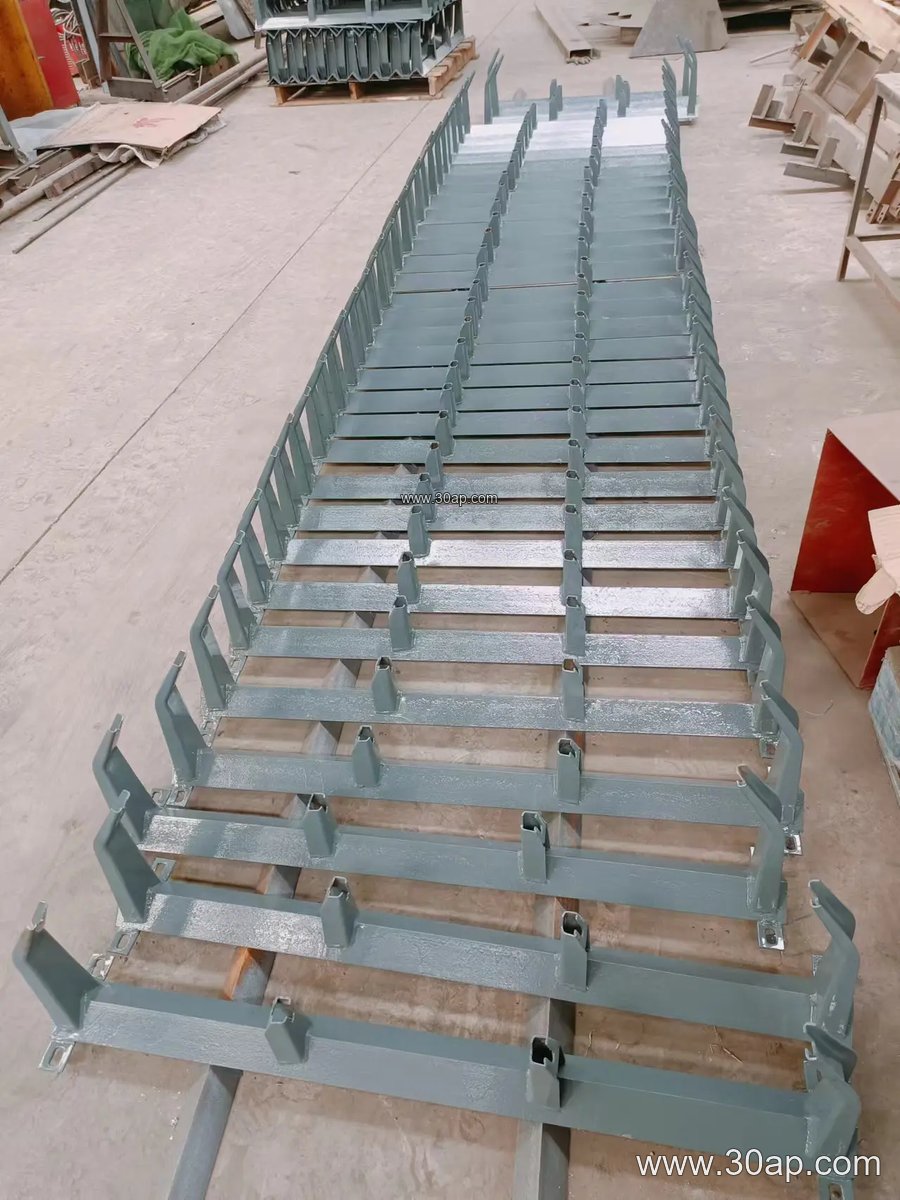
- Trough idler frame, upper and lower positions
- Transition frame near pulleys
- Return frame, flat or V-shaped
- Impact frame under the feed point
- Self-aligning frame for belt tracking
- Adjustable frame with variable trough angle
Frame dimensions follow the belt width and trough angle rather than a single fixed number. A B800 frame with a 35 degree trough and Ø108 idlers is a common arrangement, while a B1200 line with a 45 degree trough and Ø133 idlers is also normal. The mounting hole spacing and cross beam length are determined by design, so a buyer should confirm the drawing rather than assume a standard.
Matching Frame, Belt, and Idlers
The frame is only one part of the system. The belt type affects the load the frame must carry. A heavy-duty mining conveyor belt or a steel cord conveyor belt for a long overland run needs a stronger frame section and a closer idler spacing than a light EP conveyor belt on a short transfer. In a coal mining conveyor belt installation, flame retardant conveyor belt and anti-static conveyor belt properties are usually specified, but the frame itself must still be designed for the belt tension and the material weight.
Where the material is hot, a heat resistant conveyor belt may be used, and the frame near the feed point should allow enough clearance for thermal expansion. Where oil or chemicals are present, an oil resistant conveyor belt or chemical resistant conveyor belt reduces belt damage, but the frame coating and drainage details also matter. For steep inclines, a chevron conveyor belt or corrugated sidewall conveyor belt may be selected, and the frame must provide the correct transition length so the cleats or sidewalls do not catch on the idlers.
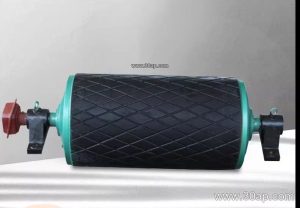
The conveyor pulley at the head and tail is a separate component and should not be confused with the frame. Drive, tail, and bend pulleys have different functions and are not interchangeable. The frame simply supports the idlers between them. At the head, a conveyor bracket and take-up arrangement connect the frame to the pulley assembly, and alignment there has a large effect on belt tracking.
Choosing the Right Frame for the Site
Site conditions guide the choice. In a limestone quarry or a crushing and screening line, dust and impact are the main issues, so impact frames and sealed idlers are useful. In a cement plant, the frame should be designed for continuous operation and easy roller replacement. In a power plant coal handling system, flame retardant conveyor belt is common, and the frame layout should allow inspection of the return strand.
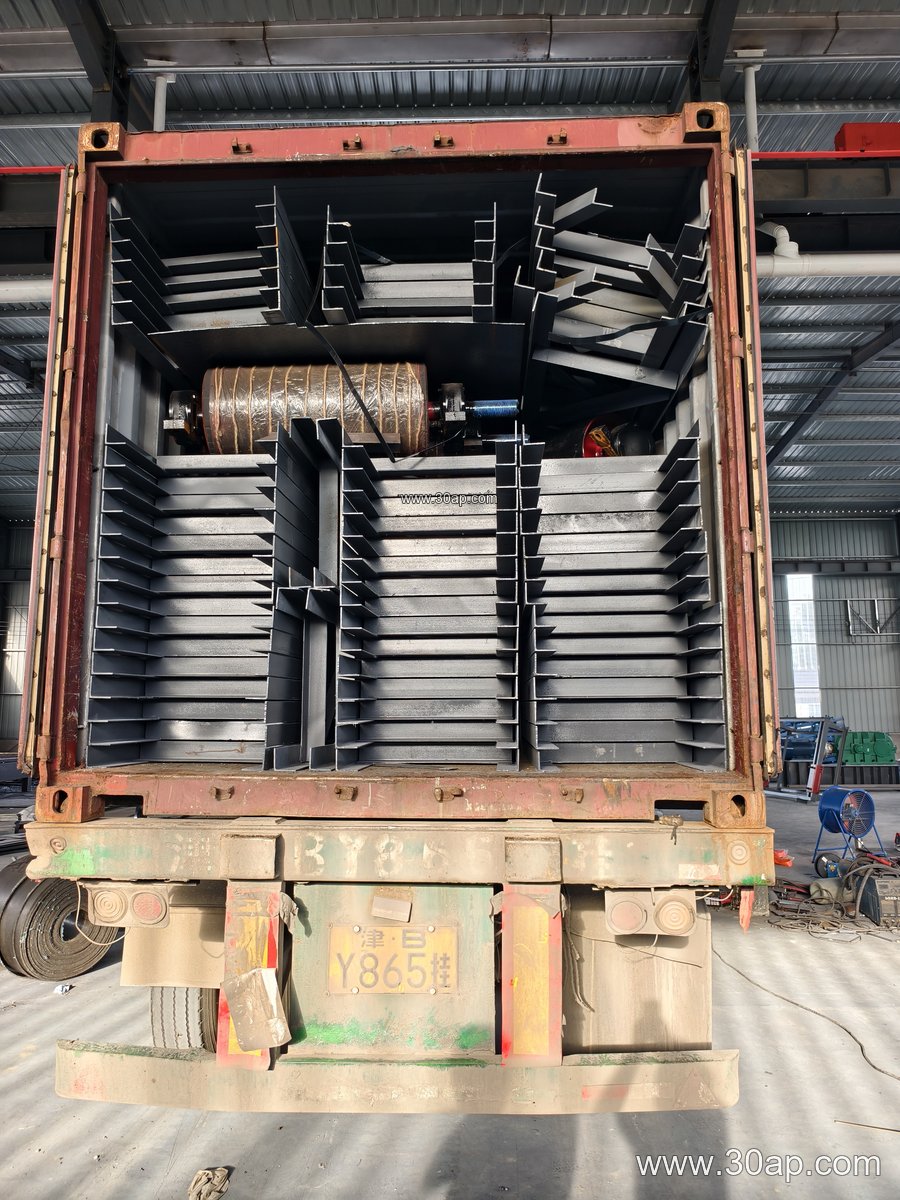
Buyers should check the following before ordering:
- Belt width and trough angle required for the line
- Idler diameter and mounting hole spacing
- Frame material and surface treatment
- Loading points and transition lengths
- Whether adjustable frames are needed for future changes
An adjustable frame can change the trough angle between common settings such as 20, 30, 35, and 45 degrees. Fixed frames are simpler and stiffer. The choice depends on whether the conveyor will handle one material or several. Forward-leaning idler frames, often set at about 1.5 to 2 degrees, are sometimes used for tracking, but they are a separate idler frame type and should not be treated as a replacement for the main frame design.
For more information on related components such as conveyor belt, idler roller, and conveyor pulley selection, review the full conveyor frame drawing set and confirm dimensions with the supplier before fabrication.