Introduction to High-Angle Conveyor Idler Technology
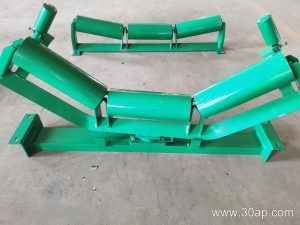
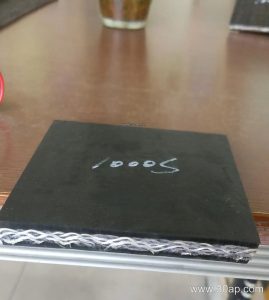
When steep incline bulk material handling systems operate under heavy loads, component design dictates operational continuity. A High-Angle Conveyor Idler serves as a crucial mechanical support assembly engineered to stabilize steep slope routing paths. Unlike standard horizontal configurations, these specialized components work in tandem with a heavy-duty Steel Cord Conveyor Belt or a specialized Chevron Conveyor Belt to prevent material rollback and belt distortion on aggressive gradients found in modern industrial facilities.
Structural Configuration and Roll Dimensions
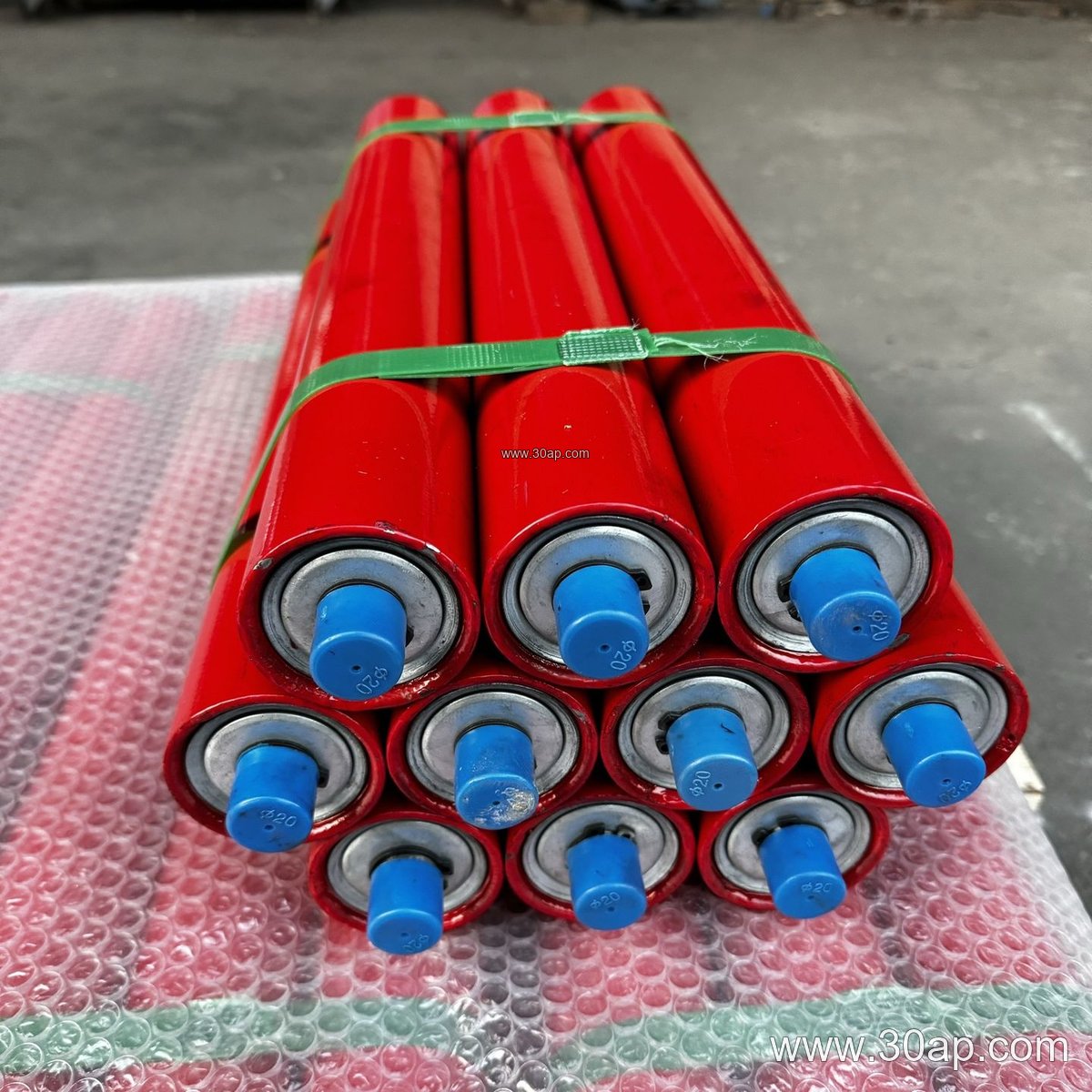
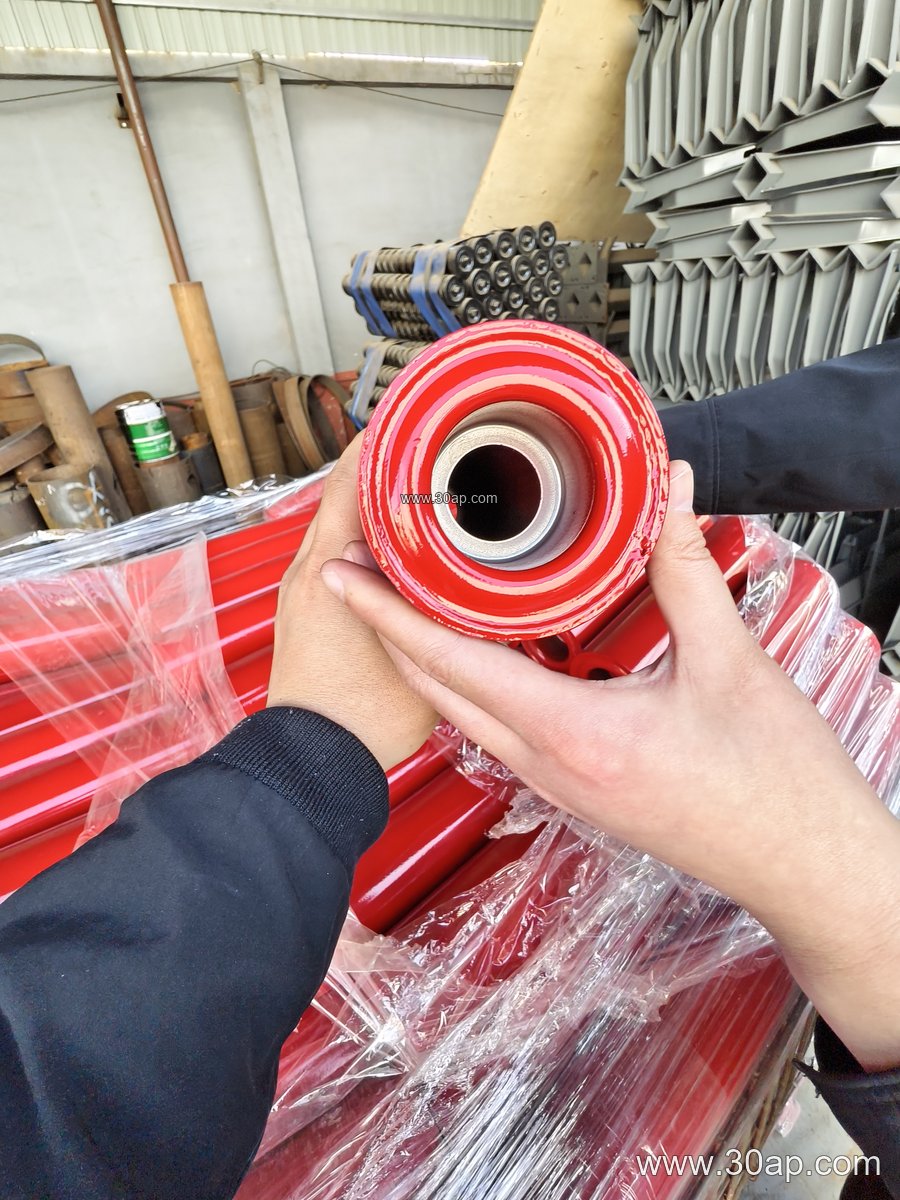
The mechanical performance of any steep incline setup relies heavily on precise dimensional harmony between the idler roller, structural conveyor bracket, and the main conveyor pulley network (such as drive, tail, or bend units). These idlers are typically arranged in multi-roll sets—such as three-roll troughed configurations—to cradle materials securely on steep slopes. Below is a reference table outlining typical component dimensions commonly evaluated during engineering design:
| Parameter Category | Common Reference Values / Options |
|---|---|
| Supported Belt Widths (B) | B650, B800, B1000, B1200, B1400, B1600, B1800 |
| Roller Diameters (Ø) | Ø89, Ø108, Ø127, Ø159, Ø194 |
| Trough Angles | 30 degrees, 35 degrees, 45 degrees |
| Bearing Classifications | 6204, 6205, 6305, 6306, 6308, 6310 |
| Roll Surface Materials | Steel tube, rubber ring, polyurethane coatings |
Application Environments and Operational Demands
Steep transport geometry is frequently utilized in restricted layouts where traditional long-distance inclined galleries are unfeasible. Facilities such as steep limestone quarries, underground crushing plants, and high-capacity port terminals rely heavily on these assemblies. In these settings, ensuring proper tracking alongside a reliable EP Conveyor Belt or high-tensile material carrier minimizes spillage, reduces edge wear, and protects structural framing from premature fatigue.
Selection Parameters for Engineering Teams
Choosing the correct idler arrangement requires careful calculation of belt tension, material surcharge angles, and dynamic load vectors. Engineers must verify that the selected roller shell thickness, shaft diameter, and bearing seals match the environmental abrasiveness of the conveyed medium—whether handling sharp rock fragments or fine aggregates. Proper alignment during installation prevents uneven loading across the supporting conveyor belt, securing long service intervals across demanding industrial applications.