What a Heavy-Duty Mining Conveyor Belt Is
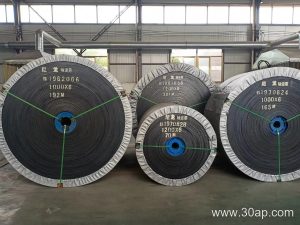
A heavy-duty mining conveyor belt is the load-carrying element of a bulk handling system built for abrasive rock, ore, coal and other tough materials. In practice, buyers often call it a Mining Conveyor Belt or a Heavy-Duty Conveyor Belt, but the meaning is the same: a belt designed with a stronger carcass, thicker covers and better resistance to cutting, impact and wear than a general-purpose belt. It is not simply a thicker rubber strip. The carcass, cover compound and edge construction all work together to survive the demands of a quarry, coal mine, cement plant, power plant or sand and gravel operation.
Construction and Carcass Options
The strength of this belt comes mainly from its carcass. Three common constructions are used in mining service:
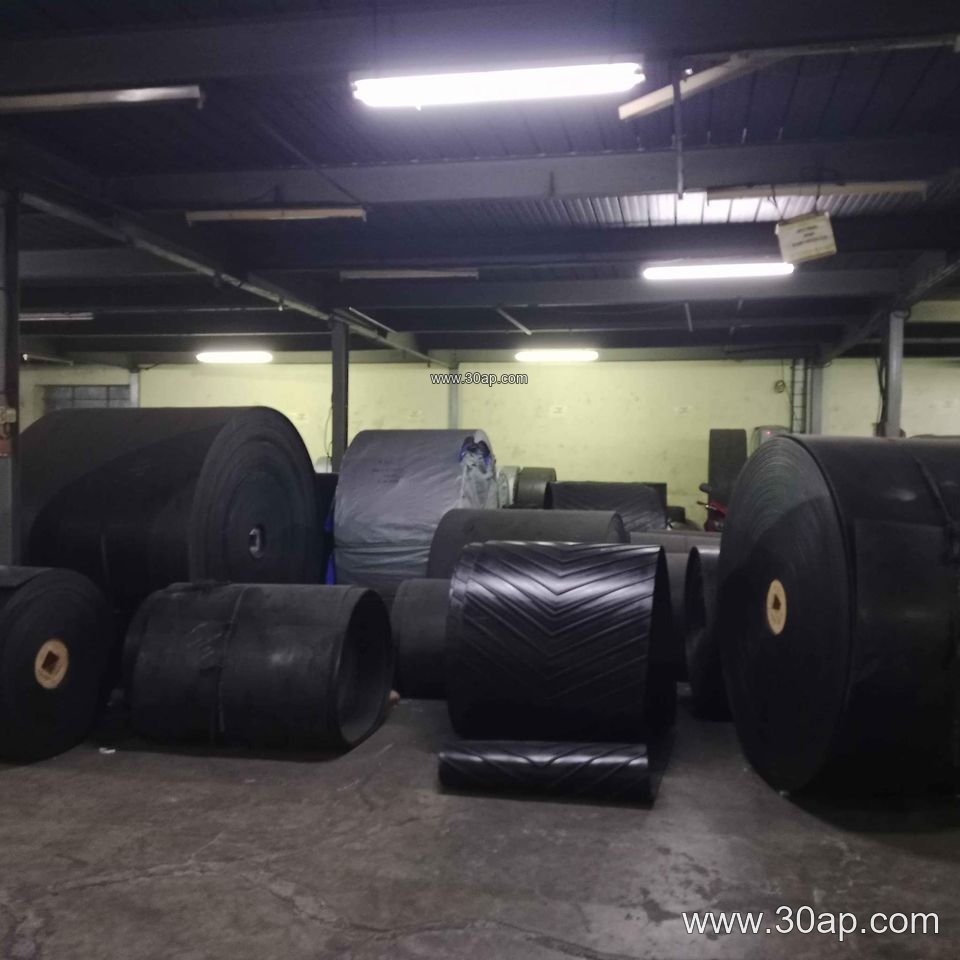
- EP fabric core: polyester-nylon plies give good longitudinal strength with moderate stretch. EP200, EP400, EP630, EP1000 and EP1250 are common strength grades, and a Multi-Ply Fabric Core Conveyor Belt with 2 to 6 plies suits many primary and secondary haulage lines.
- NN fabric core: nylon-nylon plies offer high flexibility and impact tolerance, often seen in crusher discharge and screen feed positions.
- Steel cord: a single layer of steel cables carries very high tension over long distances and high lifts. ST1000, ST1600, ST2000 and ST2500 are typical classes for main trunk conveyors.
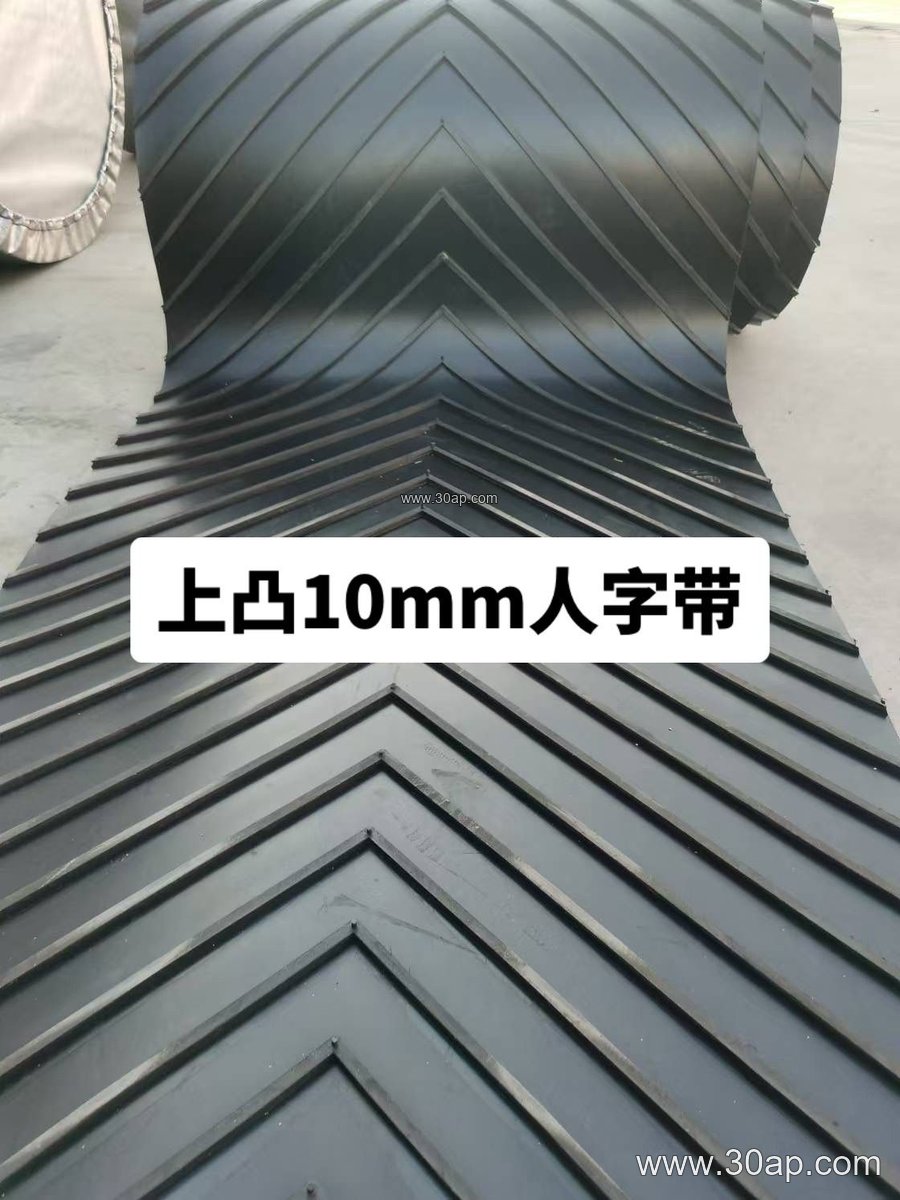
Cover rubber is selected for the duty. An Abrasion Resistant Conveyor Belt is the usual choice for crushed stone and ore, while a Heat Resistant Conveyor Belt suits sinter, clinker or hot ash. Underground coal work generally calls for a Flame Retardant Conveyor Belt or Fire Resistant Conveyor Belt, often combined with Anti-Static Conveyor Belt properties. A Chevron Conveyor Belt or Corrugated Sidewall Conveyor Belt may be considered where the incline is steep, but these are different surface forms rather than replacements for the flat heavy-duty belt discussed here.
Common Dimensions and Cover Grades
Belt width should follow the lump size, tonnage and pulley face width, not a single fixed rule. The table below shows typical reference values; final dimensions are confirmed by design.
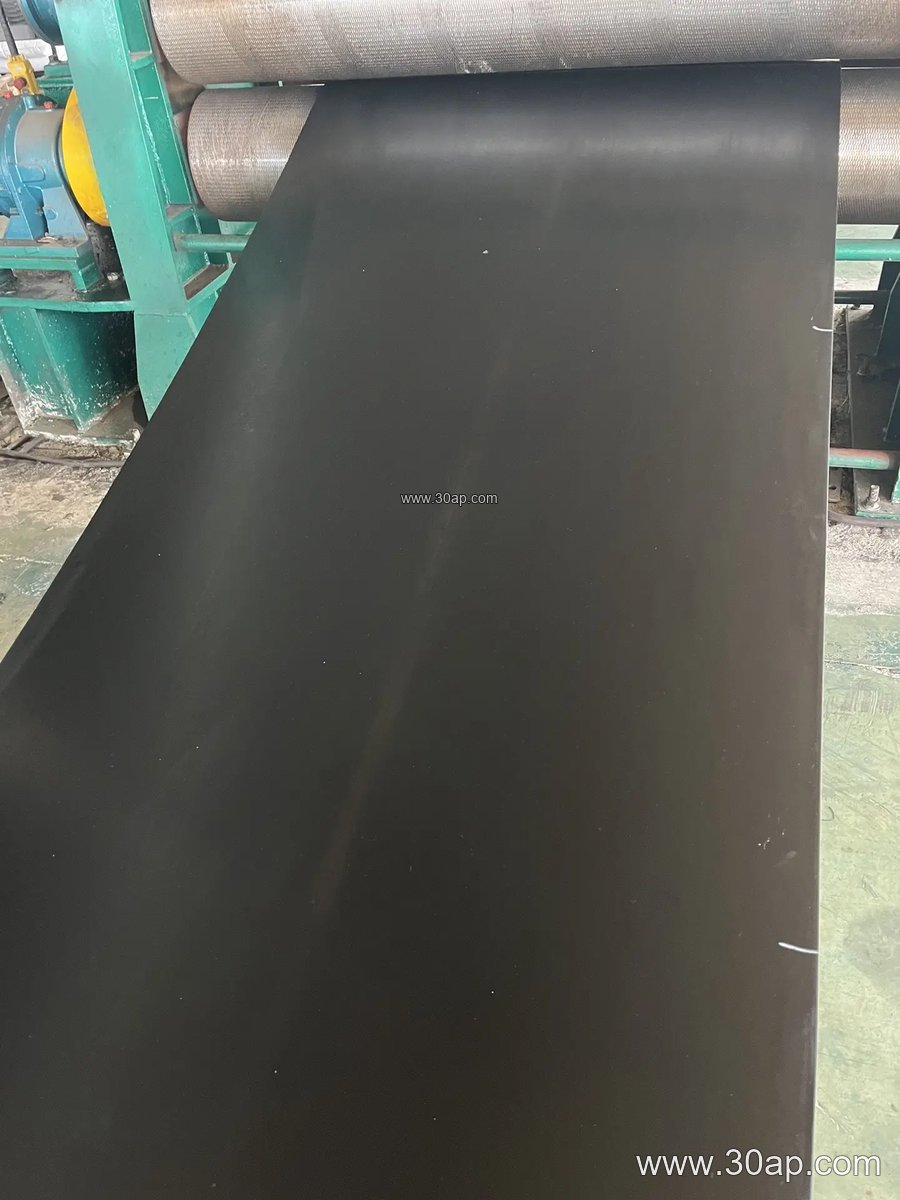
| Parameter | Common reference values |
|---|---|
| Belt width | B650, B800, B1000, B1200, B1400, B1600, B1800, B2000 |
| EP strength grades | EP200, EP315, EP400, EP500, EP630, EP800, EP1000, EP1250, EP1600 |
| Steel cord grades | ST1000, ST1250, ST1600, ST2000, ST2500, ST3150 |
| Cover thickness (top + bottom) | 4+2 mm, 5+2 mm, 6+2 mm, 8+3 mm |
| Carcass plies | 2 to 6 plies for fabric core |
A 1200mm wide belt with an EP1000 carcass and 6+2 mm covers is a frequent combination on primary ore lines, while wider 1800mm or 2000mm belts appear on high-capacity trunk conveyors. A 10mm thick cover may be specified for very coarse feed. These are examples, not mandatory pairings, and belt width does not dictate one pulley diameter.
Where It Is Used
You will find this belt in iron ore and copper ore handling, gold mining plants, coal preparation, cement kilns and clinker lines, power station coal yards, port ship loading, and aggregate crushing circuits. Each duty changes the specification. A Quarry Conveyor Belt moving sharp blasted rock needs high cut and impact resistance, while a Coal Mining Conveyor Belt in a closed gallery needs flame resistance and low static build-up. In a cement plant, heat and fine dust dominate. Matching the belt to the actual material is more important than choosing the highest grade available.
Buyer Checklist
- Confirm the peak tension, lump size and lift before selecting EP or steel cord construction.
- Check cover thickness against abrasion and impact, not only against belt price.
- Verify flame retardant and anti-static requirements for underground or dusty coal service.
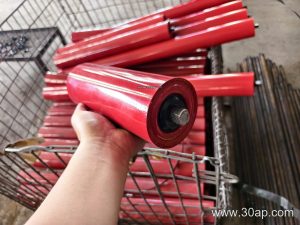
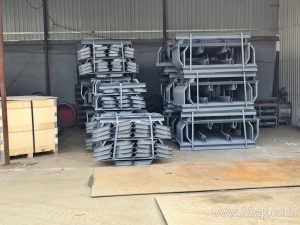
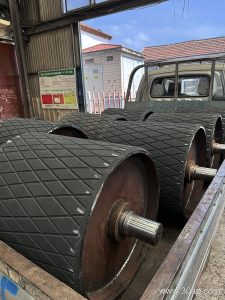
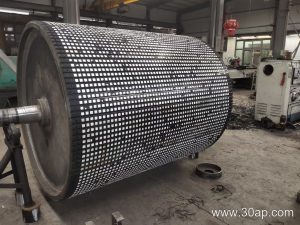
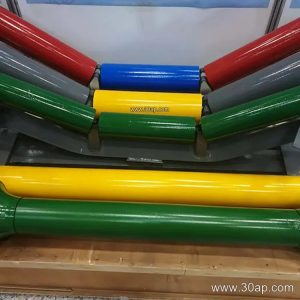
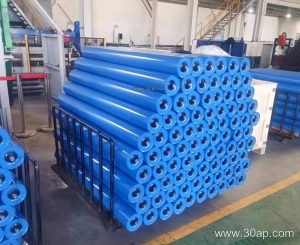
- Review pulley, idler roller and conveyor bracket condition, since a worn conveyor pulley or misaligned idler roller can damage even a premium belt.
- Ask for the splice method and edge condition, as these affect service life on long runs.
A well-matched heavy-duty mining conveyor belt, supported by sound conveyor pulleys, idler rollers and brackets, reduces downtime in the toughest mining and bulk handling environments.