What an Anti-Tracking Idler Does
An anti-tracking idler is a specialized conveyor component designed to keep the belt centered and prevent it from wandering off its intended path. Also known as a self-aligning idler or training idler, this device automatically corrects belt misalignment by pivoting or tilting its rollers in response to lateral forces. Unlike standard carrying or return idlers that simply support the belt, the anti-tracking idler actively guides it, reducing edge damage, spillage, and downtime. In industries such as mining, coal preparation, cement, and power generation, where long overland conveyors and high-tonnage systems are common, this idler plays a critical role in maintaining operational efficiency.
Construction and Working Principle
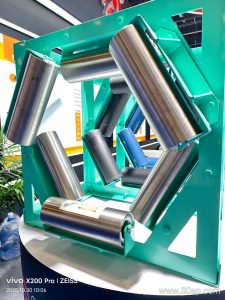
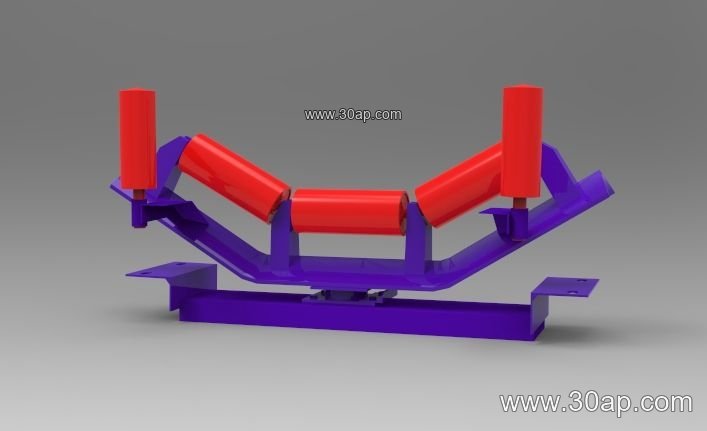
Most anti-tracking idlers are built with a robust frame that holds two or three rollers, often arranged in a V or trough configuration. The frame is mounted on a pivot or swivel mechanism that allows it to rotate slightly when the belt drifts. As the belt contacts the idler, friction and lateral pressure cause the assembly to angle, which then steers the belt back toward the center. Key components include:
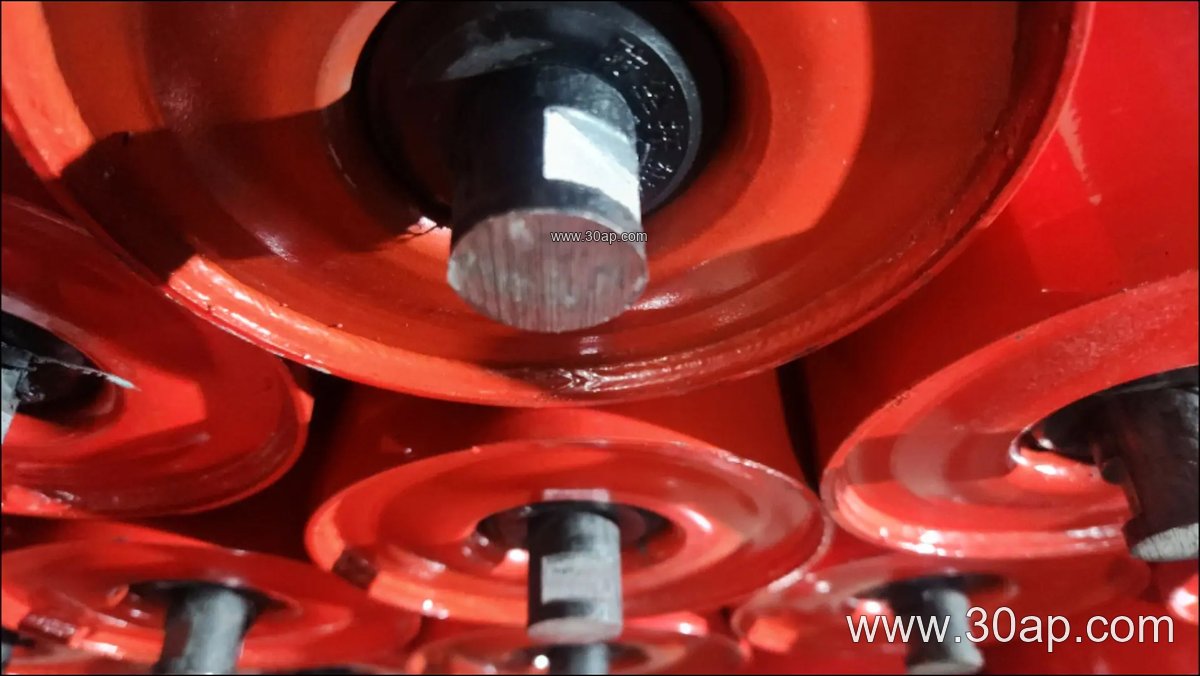
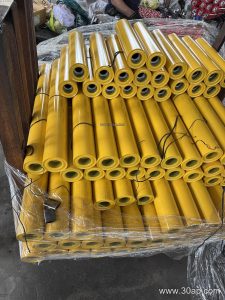
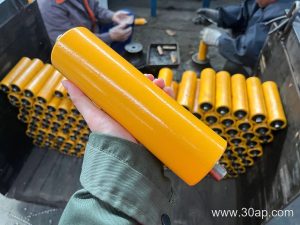
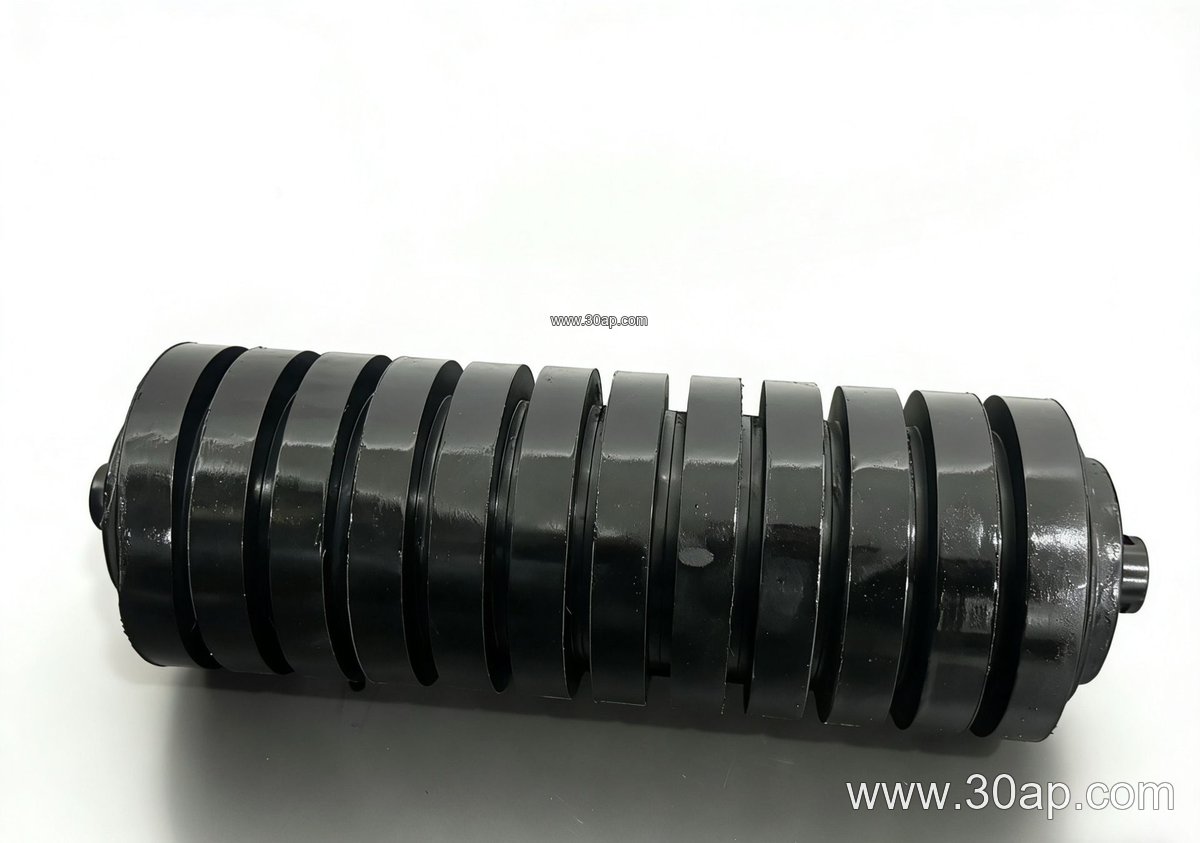
- Rollers: Typically steel or rubber-covered, with diameters ranging from Ø63 mm to Ø219 mm depending on belt width and load. Common surface forms include plain steel, nylon, ceramic, or rubber rings for enhanced grip and wear resistance.
- Bearings: Sealed ball bearings such as 6204, 6205, 6305, 6306, 6308, or 6310 are often used, selected to match the roller size and operating conditions.
- Pivot mechanism: A sturdy shaft and bracket system that allows smooth rotation without excessive play.
- Frame: Fabricated from painted or galvanized steel, designed to withstand dust, moisture, and heavy loads.
The self-aligning action is usually triggered by belt edge contact with vertical guide rollers or by the angled orientation of the idler itself. This passive correction requires no external power and operates continuously.
Where Anti-Tracking Idlers Are Used
These idlers are essential in bulk material handling systems where belt misalignment is a frequent issue. They are commonly installed at critical points such as the head and tail of the conveyor, before and after curves, and along long straight sections prone to drift. Specific applications include:
- Coal mining and preparation plants: Where coal dust and uneven loading challenge belt stability.
- Cement plants: For transporting clinker, limestone, and additives on steep inclines.
- Power plant coal feeding: Ensuring consistent fuel flow to boilers.
- Quarries and aggregate lines: Handling abrasive rock and sand.
In these environments, anti-tracking idlers work alongside conveyor pulleys, brackets, and other idlers to maintain the integrity of the entire conveyor belt system. For instance, a misaligned belt on a heavy-duty mining conveyor can cause spillage and rapid wear on a steel cord conveyor belt or fabric core conveyor belt, making the anti-tracking idler a cost-effective safeguard.
Selection and Sizing Considerations
Choosing the right anti-tracking idler involves matching it to the conveyor belt width, speed, and load. While there are no universal fixed rules, the following parameters are typically evaluated:
- Belt width (B): Idler length and roller diameter are selected based on the belt width. For example, a B800 belt might use rollers with a length around 315 mm for a three-roll trough set, while a B1400 belt could use 530 mm rollers. These are common references, not strict requirements.
- Roller diameter: Ranges from Ø63 mm for light-duty to Ø219 mm for heavy-duty applications. The diameter affects load capacity and belt support.
- Trough angle: Common angles are 20°, 30°, 35°, and 45°, influencing material containment and belt tracking.
- Bearing size: Selected based on load and speed; larger bearings like 6310 suit higher loads.
- Surface form: Rubber rings or ceramic lagging can improve traction and reduce slippage in wet or dusty conditions.
Buyers should also consider the conveyor layout, environmental factors (e.g., corrosion, temperature), and maintenance access. It is advisable to consult the conveyor designer to ensure compatibility with existing pulleys and brackets.
Maintenance and Best Practices
To maximize the service life of an anti-tracking idler, regular inspection is recommended. Check for free rotation, bearing noise, and wear on rollers and pivot points. Lubricate sealed bearings only if specified; many are maintenance-free. Keep the belt clean and aligned to avoid unnecessary stress on the idler. When replacing, ensure the new unit matches the original specifications for roller diameter, length, and mounting.
In summary, an anti-tracking idler is a reliable, low-maintenance solution for belt misalignment, enhancing the performance of conveyor systems in demanding industries. For more information on conveyor components, visit our website at www.example.com/conveyor-idler or explore our range of conveyor belt and idler roller solutions.