What the 1800mm Wide Conveyor Belt Is
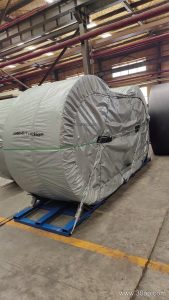
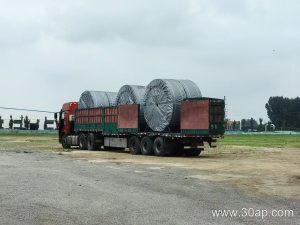
An 1800mm Wide Conveyor Belt is a heavy-duty, extra-wide belt built to move large volumes of bulk material across long conveying lines. At 1.8 meters across, it sits well above common widths such as 800mm, 1000mm, and 1200mm, and it is usually specified where a single stream must carry more tonnage without increasing belt speed. In mining, coal preparation, cement plants, power stations, and large quarry or aggregate operations, this width helps reduce spillage and keeps the load centered on the carrying side.
Construction and Core Options
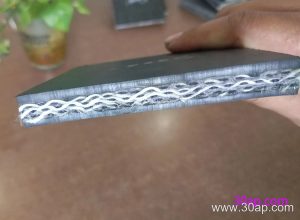
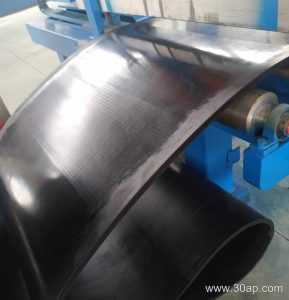
The belt body is a composite: a tension-bearing carcass, top and bottom rubber covers, and often an edge treatment. Buyers can choose among several carcass families depending on tension and duty.
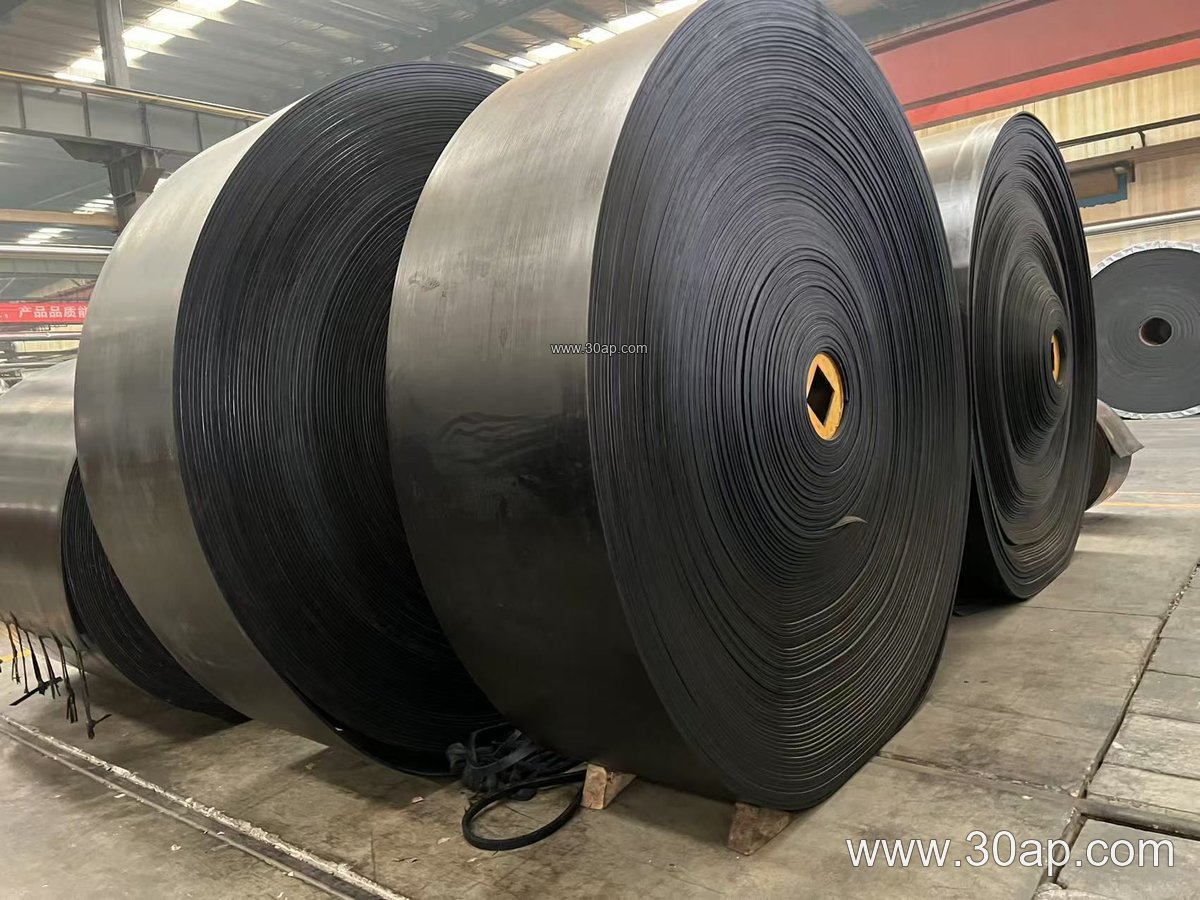
- Fabric Core Conveyor Belt — multi-ply constructions such as EP Conveyor Belt or NN Conveyor Belt, common in 2 to 6 plies.
- Steel Cord Conveyor Belt — used for very high tension and long center distances; grades like ST1000 to ST3150 are referenced in specifications.
- Specialty covers — Abrasion Resistant Conveyor Belt, Heat Resistant Conveyor Belt, Oil Resistant Conveyor Belt, Flame Retardant Conveyor Belt, and Anti-Static Conveyor Belt grades.
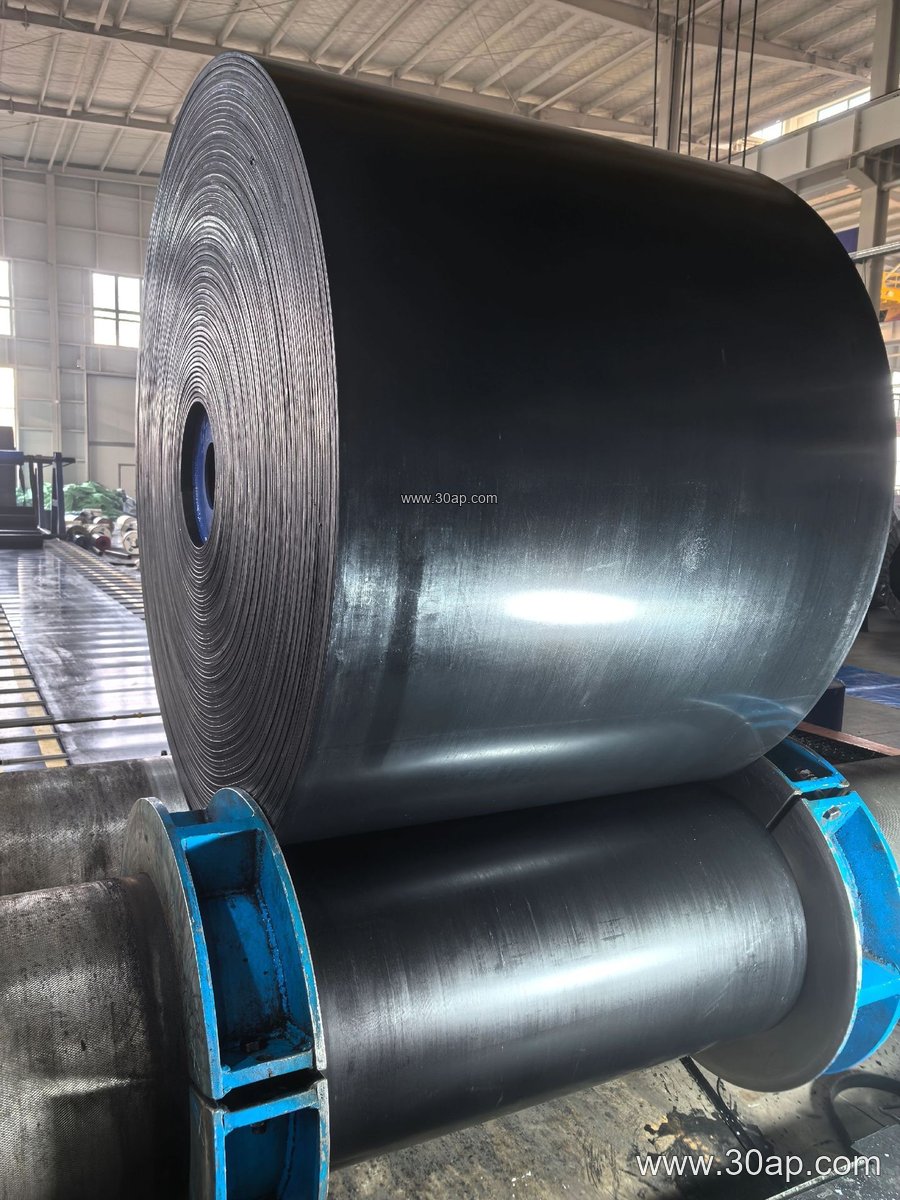
For an 1800mm Wide Conveyor Belt, cover thickness is usually heavier than on narrow belts. Common combinations include 5+2 mm, 6+2 mm, and 8+3 mm, while 3+1.5 mm and 4+2 mm appear on lighter duties. The exact figure should be set by the conveyor designer, not by width alone.
Typical Specifications at a Glance
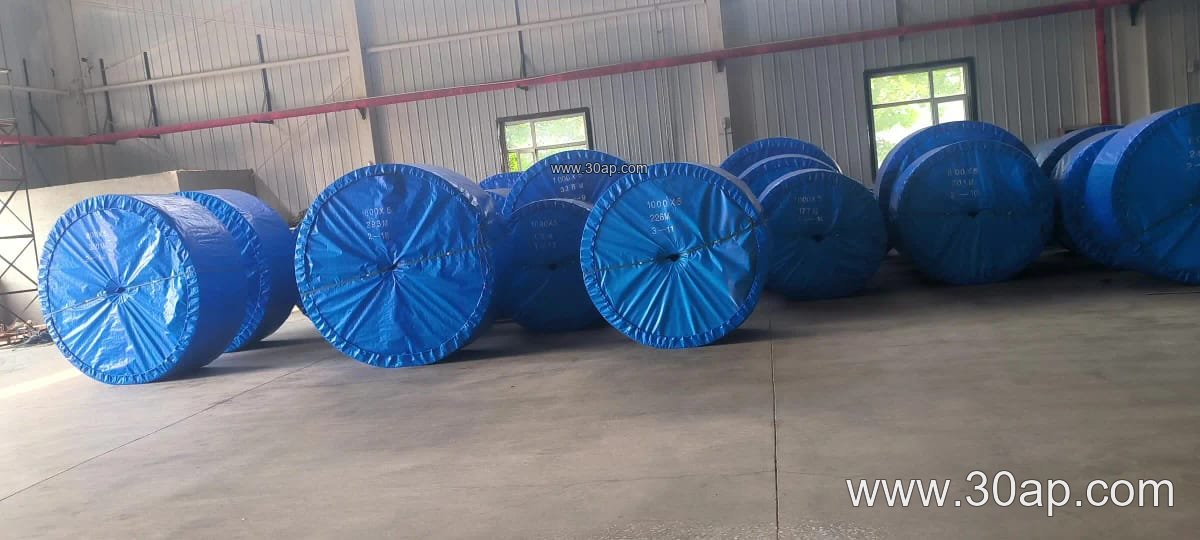
The table below shows reference values often seen in technical data. Treat them as illustrative ranges rather than fixed supply promises.
| Parameter | Common reference values | Notes |
|---|---|---|
| Belt width | B1800 (1800mm) | Extra-wide class |
| Carcass type | EP, NN, steel cord | Selected by tension |
| Fabric strength grades | EP200 to EP2000; NN100 to NN400 | Higher grades for long runs |
| Steel cord grades | ST1000 to ST3150 | Very high tension duty |
| Cover thickness | 3+1.5, 4+2, 5+2, 6+2, 8+3 mm | Top + bottom cover |
| Ply count | 2 to 6 | Fabric core belts |
Where It Fits in the Plant
This width appears in high-capacity trunk conveyors: primary crushing discharge, stockyard feed lines, ship loading systems, and overland conveyors at ports and bulk terminals. In coal mining and underground coal mining, flame retardant and anti-static grades are frequently requested. In cement and power plants, heat resistant or abrasion resistant covers protect the belt from clinker and hot ash. Quarries and sand making plants use it behind crushers, where impact resistant grades help absorb lump loading.
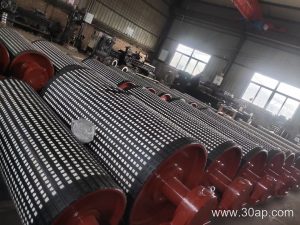
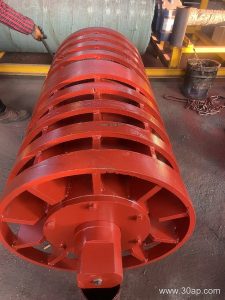
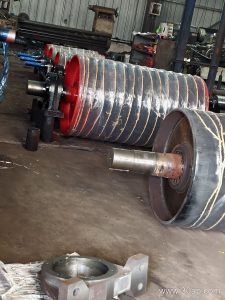
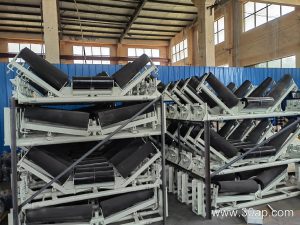
The belt does not work alone. It runs on a frame with idler rollers, a drive pulley, a tail pulley, and bend pulleys, all held by conveyor brackets. These parts are matched to the belt line by the conveyor designer; a wider belt generally calls for wider pulleys and rollers, but the pulley diameter and shaft size depend on tension and load, not on belt width by itself.
Buyer Checklist
- Confirm the actual duty: material type, lump size, temperature, and whether oil or chemicals are present.
- Specify the carcass and strength grade, for example EP1000 or EP1250, or a steel cord class, based on calculated tension.
- State cover thickness and any required surface form such as a chevron or corrugated sidewall profile.
- Check pulley and idler roller dimensions against the 1800mm belt line, and verify bend pulley and tail pulley placement.
- Ask for the manufacturer’s tolerance and splice data, since wide belts are more sensitive to tracking errors.
For similar capacity needs, a narrower 1500mm Wide Conveyor Belt or 1600mm belt may be compared, but the final selection should follow the conveyor’s calculated load and the site’s operating conditions.