What a Return Idler Set Does on the Belt Line
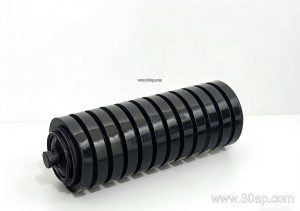
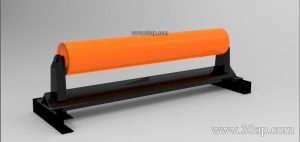
A return idler set is the group of rollers mounted under the carrying side of a conveyor, supporting the empty belt on its way back to the tail end. On a long overland or in-plant conveyor, this return run is often where tracking problems and belt edge wear start, so the choice of return idler set matters more than its simple appearance suggests. The set usually consists of one or more idler rollers, a shaft, bearing housings and a frame that bolts to the conveyor bracket. Some designs are a single flat roller; others use two rollers in a V shape to help center the belt.
In a quarry, a cement plant or a power plant coal yard, the return idler set works under constant grit and dust. In a coal mining conveyor or underground mining conveyor, it also has to cope with moisture and fines that cling to the belt. The return side is less visible than the carrying side, but it still carries the belt weight, keeps the belt from sagging between frames, and resists the gradual misalignment that leads to edge damage.
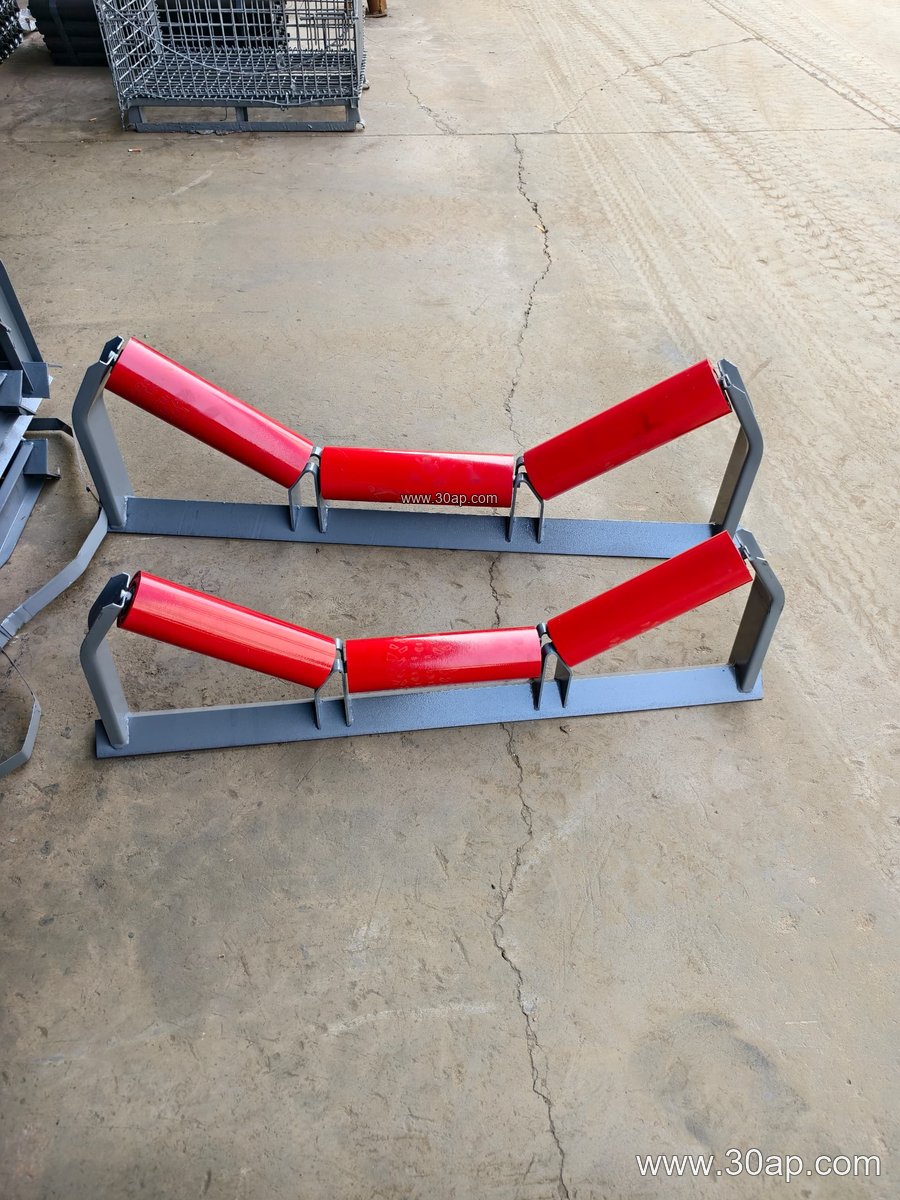
How a Return Idler Set Is Built
The construction is straightforward but the details decide service life. A typical set includes:
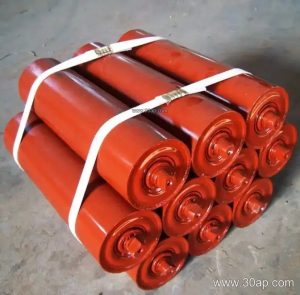
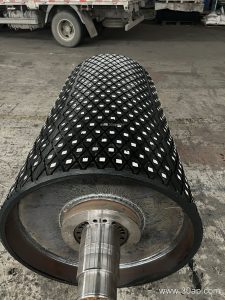
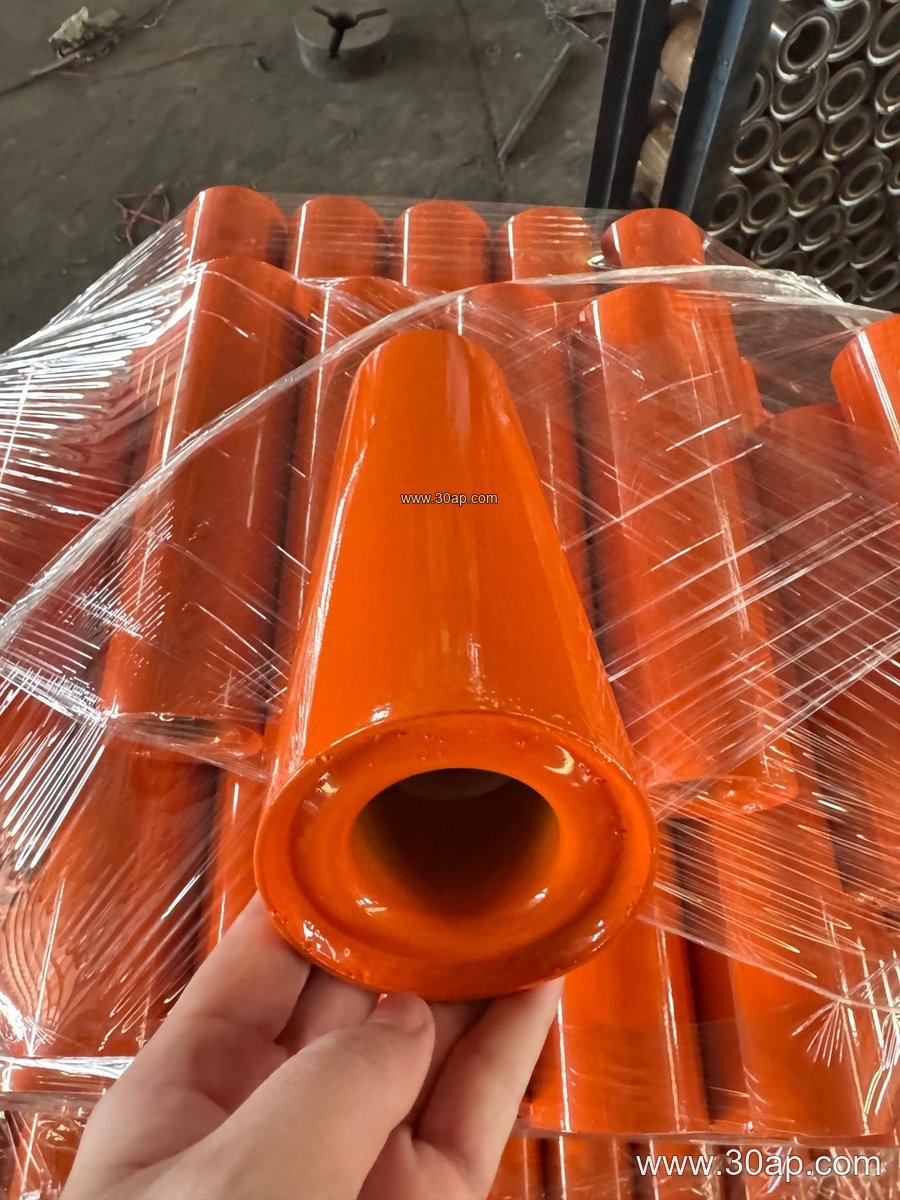
- Idler roller shell, usually steel tube, sometimes with a nylon, ceramic or rubber ring surface
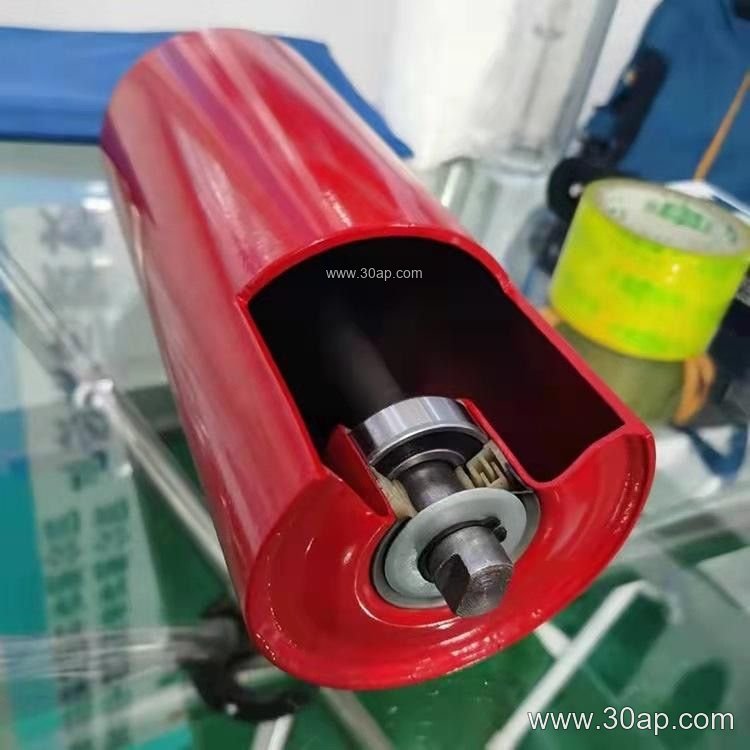
- Through shaft or stub shafts with bearing seats
- Sealed bearings, commonly 6204, 6205, 6305, 6306, 6308 or 6310 depending on load and roller diameter
- Labyrinth or contact seals to keep out dust and water
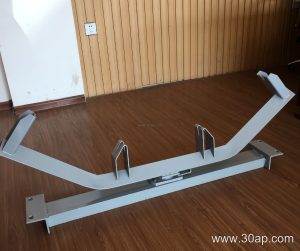
- Frame and mounting brackets matched to the conveyor structure
Roller diameters for return sets commonly include Ø63, Ø76, Ø89, Ø102, Ø108, Ø127, Ø133, Ø159, Ø178, Ø194 and Ø219 mm. A flat return roller on a narrower belt may use a smaller diameter, while a heavy-duty mining conveyor belt or a steel cord conveyor belt installation often calls for a larger shell and stronger bearing. The shaft diameter is set by the conveyor design and load calculation, not by belt width alone.
Common Configurations and Sizing Reference
The return idler set is usually described by roller form and the belt width it serves. A flat single-roller set is the simplest option. A V-type return set uses two inclined rollers that cradle the belt and encourage self-centering. Return rollers are also made with rubber rings or spiral covers for sticky material. The table below gives common reference values; actual roller length depends on belt width, frame design and the idler set form.
| Belt width (B) | Typical return roller length | Common roller diameter range |
|---|---|---|
| B500 | about 200 mm | Ø63 to Ø89 mm |
| B650 | about 250 mm | Ø76 to Ø108 mm |
| B800 | about 315 mm | Ø89 to Ø133 mm |
| B1000 | about 380 mm | Ø102 to Ø159 mm |
| B1200 | about 465 mm | Ø108 to Ø159 mm |
| B1400 | about 530 mm | Ø127 to Ø178 mm |
| B1600 | about 600 mm | Ø133 to Ø194 mm |
| B1800 | about 670 mm | Ø159 to Ø219 mm |
| B2000 | about 750 mm | Ø159 to Ø219 mm |
These figures are reference examples only. Side rollers and center rollers in a multi-roller set can differ, and a wide conveyor belt does not automatically dictate one specific shaft size. A 1200mm wide conveyor belt and a 1500mm wide conveyor belt may both run on the same roller diameter family but with different frames and bearing selections.
Where Return Idler Sets Are Used
Return idler sets appear wherever a conveyor belt runs long distances: limestone and iron ore mines, coal washing plants, aggregate and sand making lines, crushing and screening circuits, cement kilns and clinker lines, power station coal handling, steel plant sintering, port ship loading, and tunnel spoil removal. In these settings the belt itself may be an EP conveyor belt, an NN conveyor belt, a fabric core conveyor belt or a steel cord conveyor belt, and the return set has to match the belt’s weight and stiffness.
On a pipe conveyor belt or a corrugated sidewall conveyor belt, the return arrangement is usually special and should not be treated as a standard flat return set. For an abrasion resistant conveyor belt carrying sharp rock, a larger roller diameter and robust seals reduce the chance of shell wear and bearing contamination. For a heat resistant conveyor belt or a flame retardant conveyor belt in a coal mining conveyor, the return set should be selected with the same environmental care as the carrying idlers.
Buyer Checklist Before Ordering
Before purchasing a return idler set, confirm the belt width, the return frame type and the required roller length. Check the roller diameter, shaft size and bearing number against the conveyor drawing. Ask how the seals are arranged and whether the shell is plain steel or covered. For dusty cement plant or quarry service, specify sealed bearings and a dust-resistant finish. For a food grade conveyor belt line, confirm that the roller surface and lubricants are suitable for the application.
Also review the conveyor bracket spacing and the mounting hole pattern, because a correctly sized roller that does not fit the frame still causes downtime. If the conveyor uses a heavy-duty mining conveyor belt or an underground coal mining conveyor belt, plan the return set as part of the whole idler and pulley package rather than as an isolated spare. A conveyor pulley, a conveyor bracket and a return idler set should all be checked against the same layout drawing.
Finally, keep a small stock of common return rollers for the belt widths on site. A worn return roller can be replaced quickly, but a seized one can damage the belt before maintenance arrives. Matching the return idler set to the actual belt, load and environment is the practical way to protect the whole conveyor line.