What a Vertical Guide Idler Does
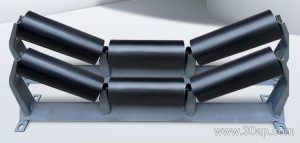
A vertical guide idler is a roller assembly mounted in a vertical orientation to keep the conveyor belt tracking correctly where the belt leaves or returns to the pulley line. It is a guide roller rather than a load-carrying roller, so its job is lateral control, not bulk support. In plants handling abrasive or dusty material, such as a limestone quarry, a coal preparation plant, a cement mill, or a power station coal yard, belt misalignment can edge damage a costly belt within days. A vertical guide roller mounted near the head or tail transition gives the belt a controlled vertical face to run against and helps hold the line through the transition zone.
The same component is also called a vertical guide roller or vertical belt guide idler. These names describe the identical product; they are not separate models.
Construction Details
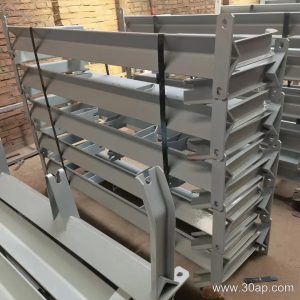
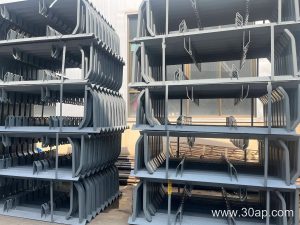
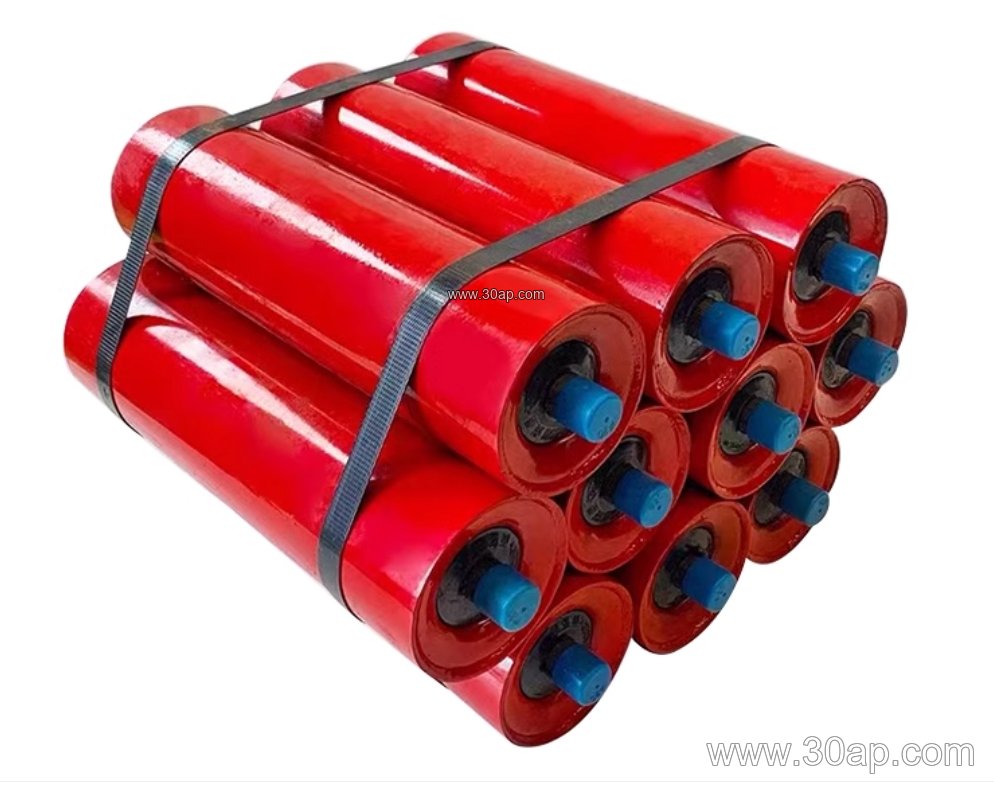
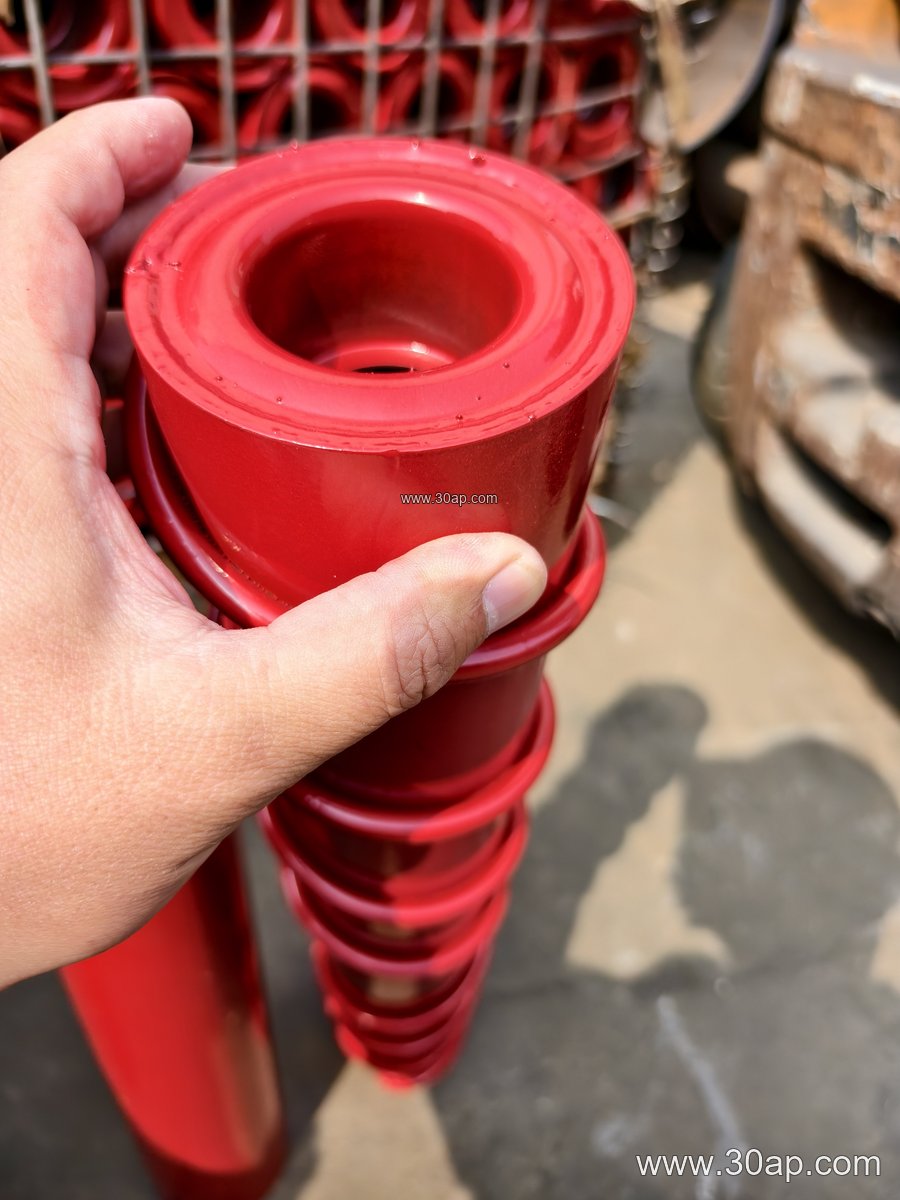
The assembly usually consists of a short roller body on a fixed shaft, carried by a conveyor bracket welded or bolted to the conveyor frame. Common roller diameters are Ø63, Ø76, Ø89, Ø102 and Ø108 mm, with larger sizes such as Ø127 or Ø133 mm where the belt is wide or the side load is higher. The roller surface may be plain steel tube, nylon, rubber covered or ceramic faced. Rubber covering is often chosen where the belt edge is sensitive or the location is wet and gritty.
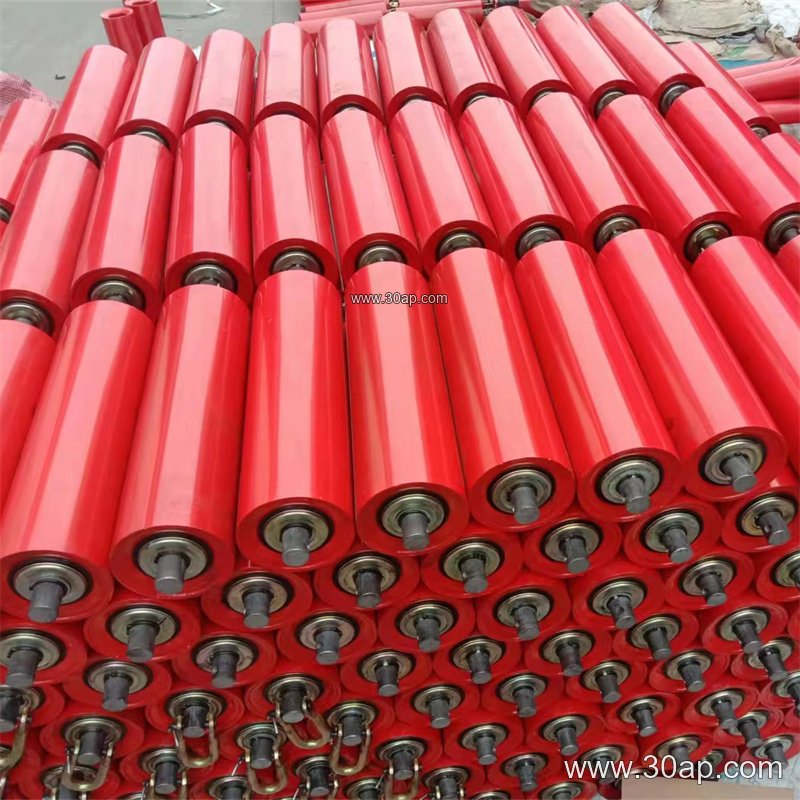
Bearings are typically sealed deep-groove ball bearings, with 6204, 6205, 6305 and 6306 being common in this size range. The bearing seat and seal arrangement matter more than the bearing number alone: dust and fines are the usual cause of early seizure, so a labyrinth or multi-lip seal is worth checking on any quotation. The shaft is normally fixed and the roller rotates on it, so the mounting bracket must hold the axis truly vertical and at the correct distance from the belt edge.
Where It Fits on the Conveyor
Typical positions include the transition from a troughing set to a conveyor pulley, the entry to a loading point, and sections where the belt tends to drift after a curve or a long unsupported span. A vertical guide idler is often installed in pairs, one on each side of the belt, or singly on the side where drift is observed.
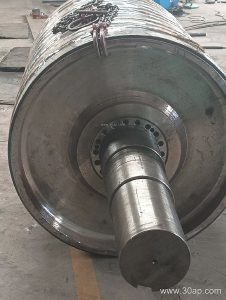
It is not a substitute for a self-aligning return idler or a friction aligning roller; those act on the belt through friction and angle, while the vertical guide works as a positive stop. Likewise, drive pulleys, tail pulleys and bend pulleys remain distinct components with different duties and should never be ordered as replacements for one another.
Matching the Idler to Belt and Structure
Selection starts with belt width and the belt path at the mounting point. The table below gives common reference values; final dimensions are set by the conveyor design, the bracket layout and the clearance needed at the belt edge.
| Reference item | Common values |
|---|---|
| Belt width | B500, B650, B800, B1000, B1200, B1400, B1600, B1800 |
| Roller diameter | Ø63, Ø76, Ø89, Ø102, Ø108, Ø127, Ø133 mm |
| Roller surface | Steel tube, nylon, rubber ring, ceramic |
| Bearing reference | 6204, 6205, 6305, 6306, 6308 |
| Mounting | Fixed shaft on conveyor bracket, vertical axis |
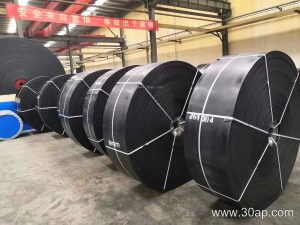
The belt itself should be checked at the same time. A heavy-duty mining conveyor belt with a thick cover behaves differently from a thin two-ply fabric core belt, and a steel cord conveyor belt has far less tolerance for edge contact than an EP conveyor belt of similar width. In coal or dusty service, a flame retardant conveyor belt is common, and the guide roller must not create a rubbing point that could build heat.
Buyer Checklist
- Confirm the belt width and the exact gap between the belt edge and the roller face.
- State the roller diameter, face length and shaft end details, not just the belt width.
- Ask for the seal type and bearing designation in writing.
- Check that the bracket matches the existing frame and can be adjusted for alignment.
- For dusty or wet locations, consider a rubber covered or ceramic faced roller to reduce wear.
- Order spares as a set if both sides are fitted, so the pair wears evenly.
On a quarry conveyor belt line or an aggregate conveyor, a small number of vertical guide idlers at the right points often removes the need for constant belt training. On a long overland run carrying ore conveyor belt loads, they are usually part of a wider tracking plan that includes troughing idlers, return rollers and pulley alignment.
Installation and Maintenance Notes
Mount the guide idler so the roller face is parallel to the belt edge and the axis is vertical within a small tolerance. After the first week of running, recheck the gap and the bracket bolts, because settling of the frame and initial belt stretch both change the clearance. Inspect the roller for flat spots or a stiff bearing during routine walks; a seized vertical guide roller will wear the belt edge quickly and is cheap to replace compared with a belt.
Keep a simple record of roller size, surface type and bearing number for each position. That record makes reordering straightforward and avoids fitting a mismatched size that changes the belt path.