What Is a Corrugated Sidewall Conveyor Belt
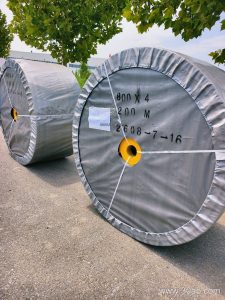
A corrugated sidewall conveyor belt is a specialized bulk material conveyor belt with raised, corrugated walls along both edges and often horizontal cleats between them. This design allows the belt to carry material at steep inclines without spillage, making it a practical choice for space-constrained plants in mining, coal preparation, cement, power generation, and sand and gravel operations. Unlike a standard flat conveyor belt, the corrugated sidewall conveyor belt keeps material contained on the inclined section, reducing the need for multiple transfer points.
Also known as a skirted conveyor belt with sidewalls, this product is distinct from a simple skirted conveyor belt that only has edge sealing. The corrugated sidewall conveyor belt combines tall, flexible sidewalls with cross-cleats to form pockets that hold material securely. It can be supplied with different base belt constructions, including EP conveyor belt, NN conveyor belt, and steel cord conveyor belt, depending on tension and load requirements.
Construction and Key Components
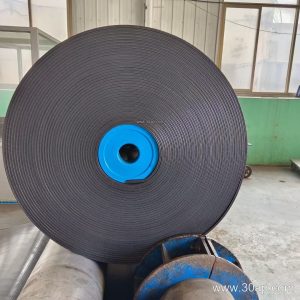
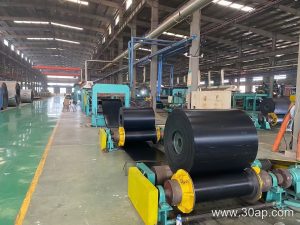
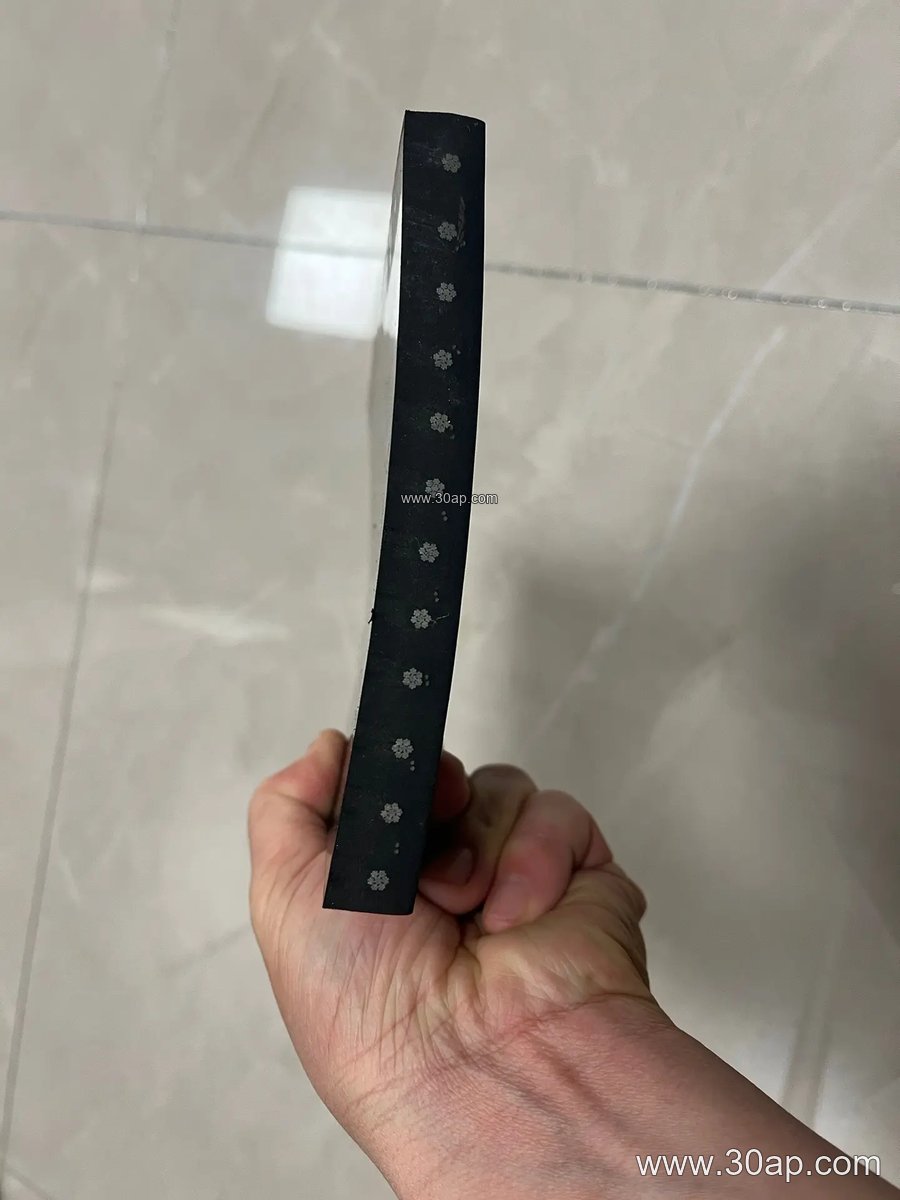
The belt body usually consists of a base belt, corrugated sidewalls, and cleats. The base belt provides tensile strength and may be a multi-ply fabric core conveyor belt or a steel cord conveyor belt for high-strength applications. Sidewalls are made from rubber or rubber-plastic blends and are hot-vulcanized to the base belt. Cleats are available in different profiles, such as T-shaped, C-shaped, or straight, to match material characteristics and incline angle.
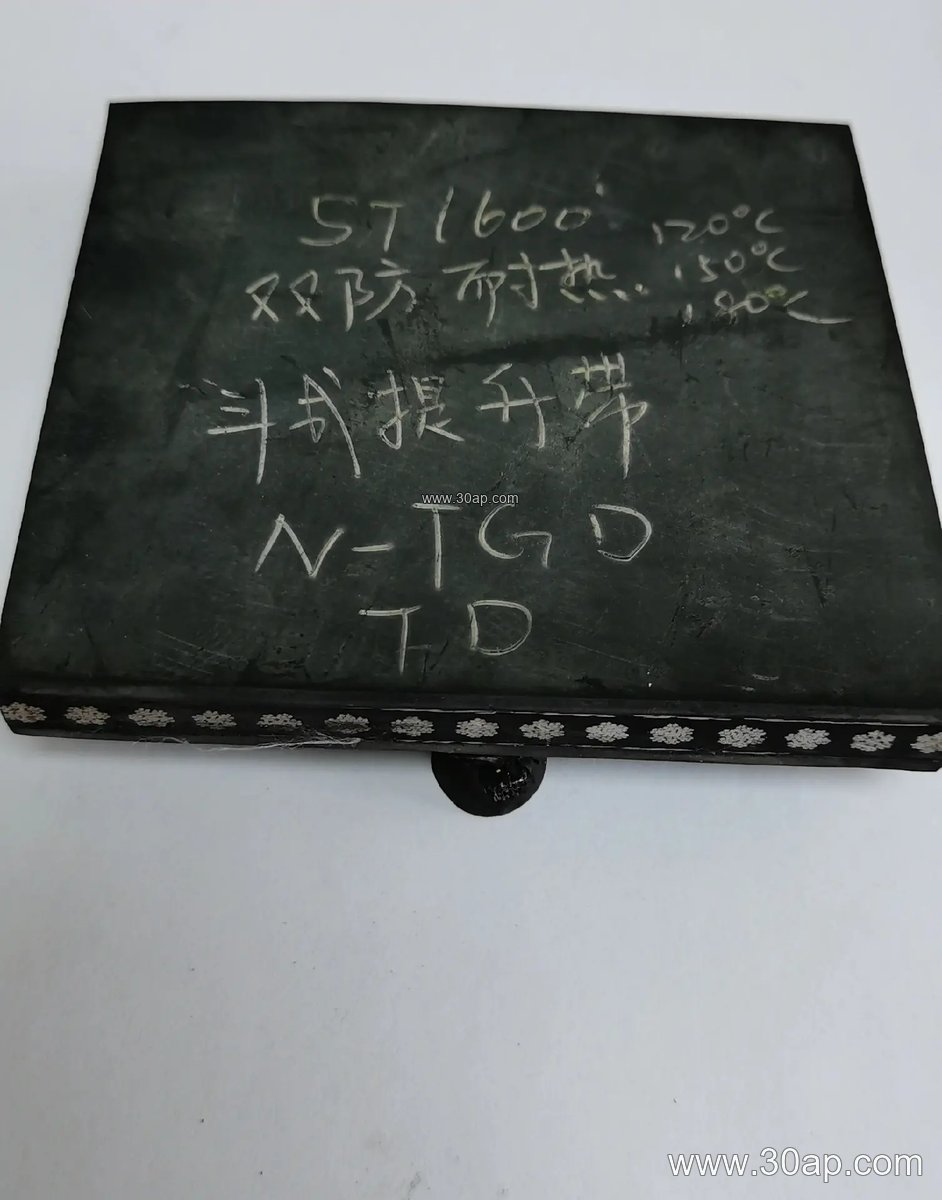
Common base belt types include EP conveyor belt (EP100, EP200, EP300, EP400, EP500, EP630) and NN conveyor belt (NN100, NN200, NN300, NN400). For higher tensions, steel cord conveyor belt grades like ST1000, ST1250, ST1600, ST2000, ST2500, and ST3150 may be used. Cover rubber grades are selected for abrasion resistance, heat resistance, oil resistance, flame retardancy, or anti-static properties. A flame retardant conveyor belt is often required in underground coal mining conveyor belt applications.
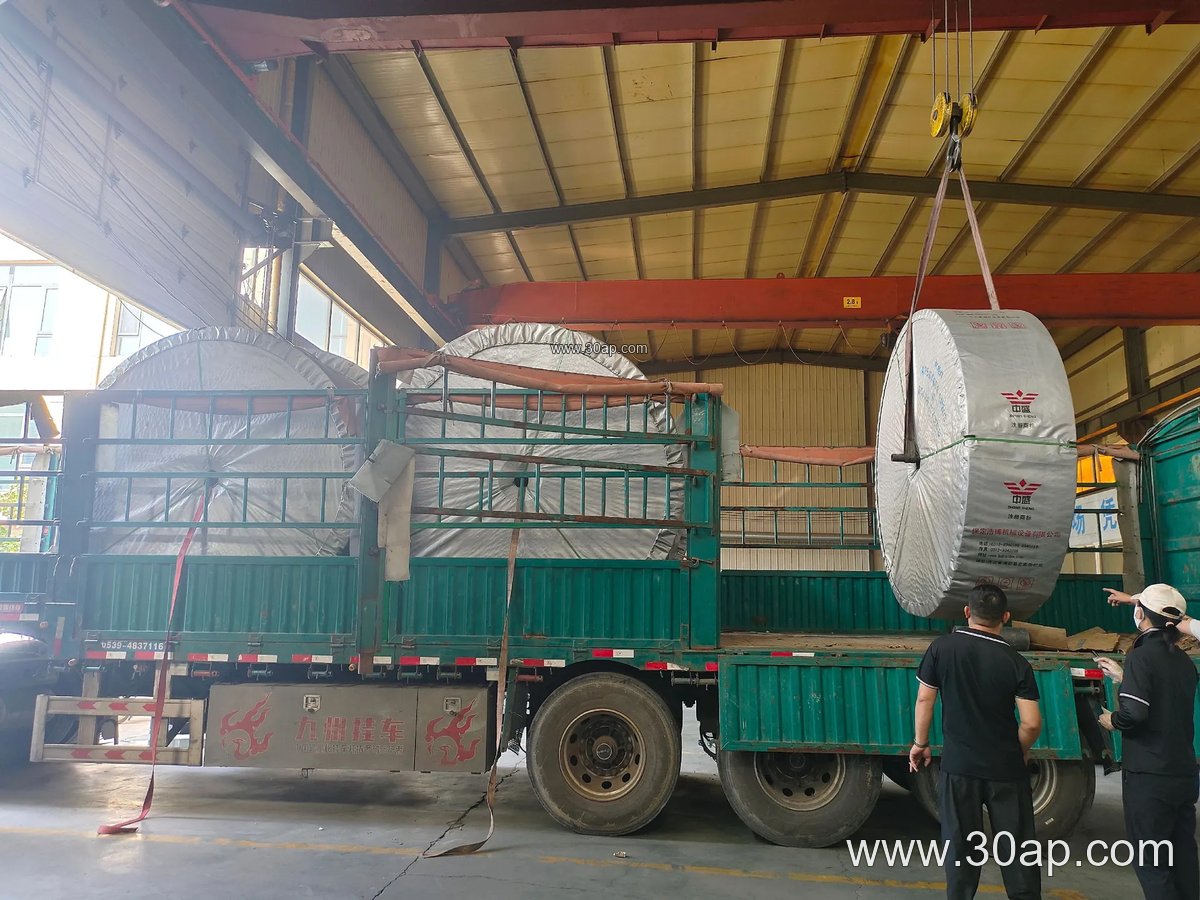
Typical belt widths for corrugated sidewall conveyor belt range from B500 to B2000, with common widths including 500mm, 650mm, 800mm, 1000mm, 1200mm, 1400mm, 1600mm, 1800mm, and 2000mm. Cover rubber thickness may be 3+1.5 mm, 4+2 mm, 5+2 mm, 6+2 mm, or 8+3 mm. These values are for reference and should be confirmed with the belt manufacturer for each project.
Where It Is Used
Corrugated sidewall conveyor belts are widely used in industries that need to lift or transport bulk materials at steep angles. In the mining industry, they handle ore, coal, and waste rock. In coal mining, flame retardant and anti-static grades are common for safety. Cement plants use them for clinker, limestone, and additives. Power plants use them for coal and ash handling. Sand and gravel plants, quarries, and aggregate operations use them to feed crushers and screens on inclined routes. Ports and ship loading facilities may also use this belt type for efficient vertical transfers.
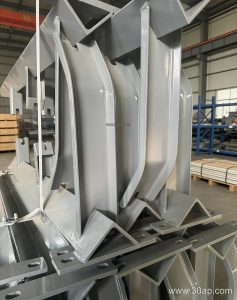
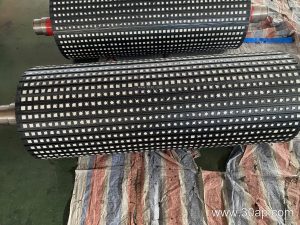
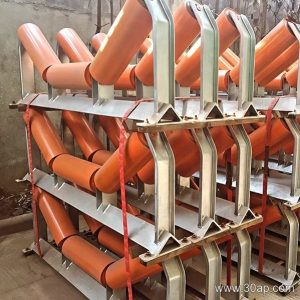
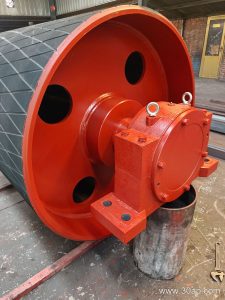
The belt works with conveyor pulleys, idler rollers, and conveyor brackets. Drive pulleys, tail pulleys, and bend pulleys each have specific roles, and the belt layout must be designed accordingly. The corrugated sidewall conveyor belt is not a replacement for a pipe conveyor belt or a chevron conveyor belt; each type serves different transport needs. A pipe conveyor belt encloses material fully, while a chevron conveyor belt uses patterned ribs for incline grip but does not provide the same containment as sidewalls with cleats.
Specification and Selection Guidance
When selecting a corrugated sidewall conveyor belt, consider material properties, lump size, bulk density, incline angle, throughput, and ambient conditions. The belt width should be matched to the material size and required capacity, not to a single pulley diameter. Base belt strength depends on the total tension, which is influenced by conveyor length, lift, and load. Common strength grades include EP200, EP315, EP400, EP500, EP630, EP800, EP1000, EP1250, and EP1600 for fabric core belts. Higher strength steel cord grades may be needed for long, high-lift conveyors.
Sidewall height and cleat pitch are chosen to prevent material rollback and spillage. For hot materials such as cement clinker, a heat resistant conveyor belt construction is advisable. For oily materials, an oil resistant conveyor belt grade helps extend service life. In cold climates, a cold resistant conveyor belt may be specified. In coal mines, a flame retardant conveyor belt with anti-static properties is often required. Buyers should request a belt data sheet showing base belt type, ply count, cover thickness, sidewall height, cleat type, and recommended minimum pulley diameters. All values are design-dependent and may vary between manufacturers.
Installation and Maintenance Notes
Proper alignment of conveyor pulleys and idler rollers is essential to avoid edge damage to the corrugated sidewalls. The belt should be stored in a dry, shaded area and handled without sharp bends. During operation, inspect sidewalls and cleats for cracks, tears, or separation from the base belt. Keep the belt cleaner and avoid material buildup that can wear the corrugated profile. Follow the manufacturer’s recommendations for splice type and tensioning. For more information on conveyor belt and related components, visit belttech.com or check our resource pages on conveyor pulley and idler roller selection.