What a 1000mm Conveyor Belt Is
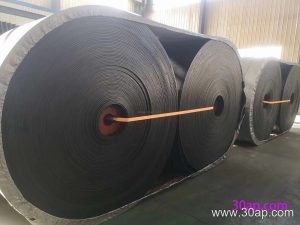
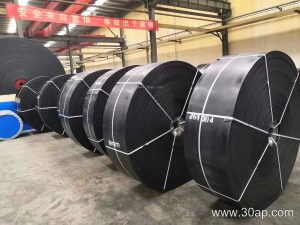
A 1000mm conveyor belt is a meter-wide rubber or fabric-reinforced belt designed for continuous bulk material transport. The 1000mm width (often written B1000) is a common choice in mining, quarrying, cement plants, power stations, and port facilities where a balance between load capacity and structural economy matters. In Chinese industrial supply channels, this product is frequently referred to as a 1000mm wide conveyor belt or simply a B1000 belt. It is a subtype of the broader conveyor belt family, and its construction can vary widely depending on the duty profile.
When specifying a 1000mm belt, buyers should distinguish it from narrower or wider variants such as the 800mm conveyor belt or the 1200mm wide conveyor belt. Each width has its own pulley and idler matching considerations, and no single width dictates one fixed pulley diameter.
Construction and Material Options
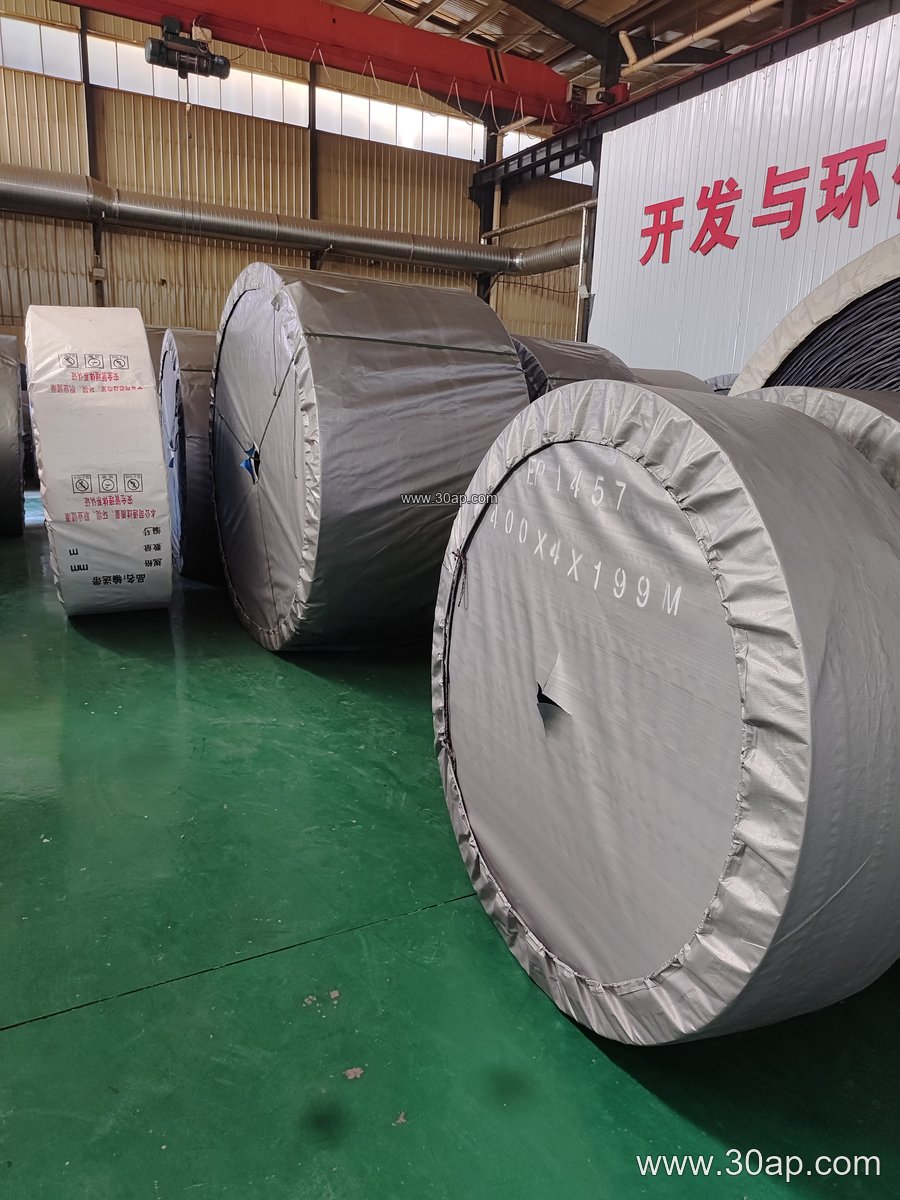
The body of a 1000mm conveyor belt usually consists of a carcass and rubber covers. Common carcass types include multi-ply fabric core, EP (polyester-nylon) fabric, NN (nylon-nylon) fabric, and steel cord. For heavy-duty mining conveyor belt duties, steel cord or high-strength EP constructions are often selected, while lighter quarry conveyor belt and aggregate conveyor belt lines may use 2 to 4 fabric plies.
Cover compounds are chosen for the environment. Abrasion resistant conveyor belt grades suit crusher conveyor belt and rock conveyor belt service. Heat resistant conveyor belt compounds are used in cement plant conveyor belt and steel plant conveyor belt circuits. Flame retardant conveyor belt and anti-static conveyor belt grades are common in underground coal mining conveyor belt systems, where PVG conveyor belt and PVC conveyor belt constructions also appear. Oil resistant conveyor belt, cold resistant conveyor belt, and acid resistant conveyor belt options exist for specific chemical or climatic exposures.
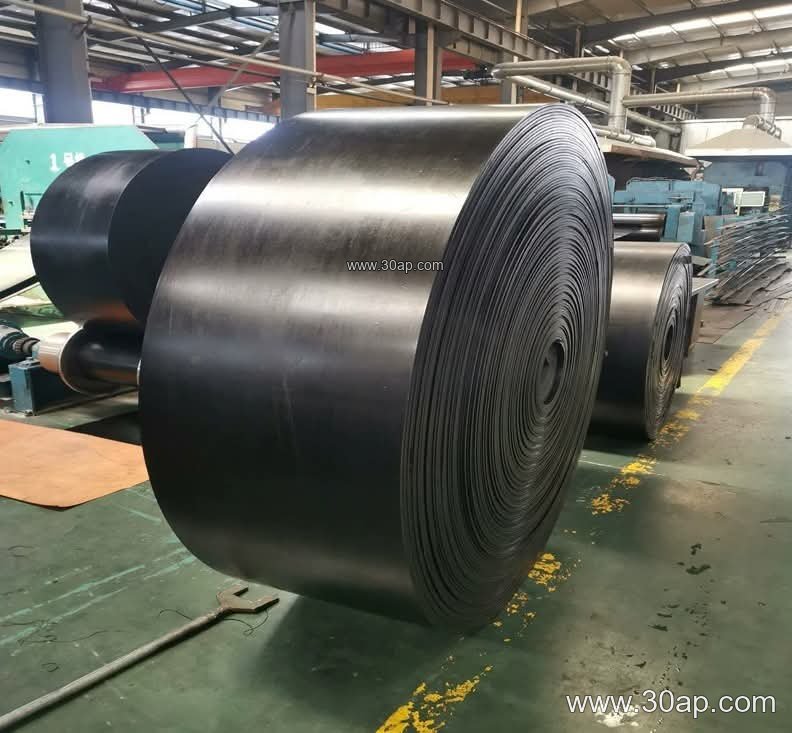
A 1000mm wide belt may also be supplied as a chevron conveyor belt, a corrugated sidewall conveyor belt, or a pipe conveyor belt when the route requires incline control or enclosed transport. These are design variants, not replacements for the basic flat belt.
Typical Specifications and Reference Data
The following table lists common reference values. Actual supply should be confirmed with the belt manufacturer or distributor, as different producers offer different ranges.
| Parameter | Common Reference Range |
|---|---|
| Belt width | 1000mm (B1000) |
| Fabric core types | EP200, EP315, EP400, EP500, EP630, EP800, EP1000 |
| Steel cord grades (for heavy duty) | ST1000, ST1250, ST1600 |
| Number of fabric plies | 2 to 6 |
| Top cover thickness | 3mm, 4mm, 5mm, 6mm, 8mm |
| Bottom cover thickness | 1.5mm, 2mm, 3mm |
| Cover combinations | 3+1.5, 4+2, 5+2, 6+2, 8+3 mm |
For a 1000mm conveyor belt, EP1000 or EP1250 carcass grades are frequently seen in medium-to-heavy service, while ST1600 and above may be used in high-tension mainlines. These figures are reference data, not universal guarantees.
Where the 1000mm Width Fits
The 1000mm size is widely used in primary and secondary crushing circuits, stockyard conveyors, and ship loading conveyor belt lines. In a sand making plant conveyor belt or stone crushing conveyor belt, a 1000mm belt can carry substantial tonnage without the structural demands of a 1400mm or 1600mm belt. In coal mining conveyor belt and underground mining conveyor belt applications, flame retardant and anti-static properties are often mandatory.
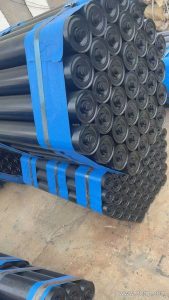
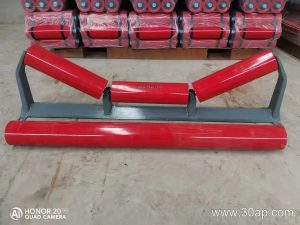
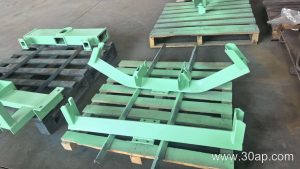
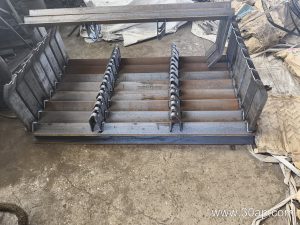
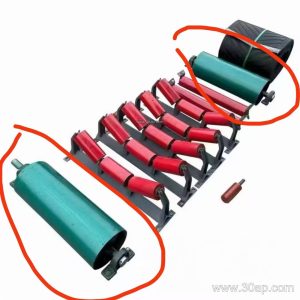
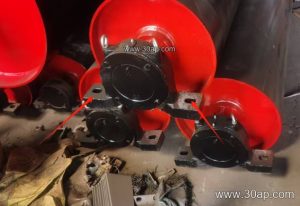
Supporting equipment must match the belt width. The conveyor pulley, idler roller, and conveyor bracket are selected by the system designer based on belt tension, load, and trough angle. A 1000mm belt does not automatically require a specific shaft diameter; that value comes from the conveyor design, not from the belt width alone.
Buyer Checklist
- Confirm the material being carried and any special hazards (heat, oil, fire, static).
- Specify carcass type and strength grade, such as EP630 or ST1250, rather than width alone.
- State cover thickness and grade, for example 6+2mm abrasion resistant.
- Check whether the belt must be endless conveyor belt or open-end for mechanical splicing.
- Verify compatibility with existing conveyor pulley, idler roller, and conveyor bracket dimensions.
For an industrial buyer, the 1000mm conveyor belt is a workhorse width. Matching the right rubber conveyor belt compound, carcass, and cover thickness to the duty is more important than treating any single dimension as a universal answer.