What a Tail Drive Pulley Does on a Conveyor
A tail drive pulley is a driven drum mounted at the tail end of a belt conveyor, where the belt is loaded and redirected. Unlike a bend pulley, which only changes belt direction, or a head drive pulley that pulls the belt at the discharge end, this drum combines two jobs: it supports the return path and transmits torque into the belt. In short conveyors, mobile crushing plants, and underground coal mining conveyors, placing the drive at the tail can simplify the structural layout and reduce the length of the head frame.
The name is sometimes shortened to tail drum or tail pulley drive, but it always refers to the same driven component. It should not be confused with a non-driven tail pulley, which merely redirects the belt without transmitting power.
Construction Details That Matter
A typical unit consists of a cylindrical shell, two end discs, a through shaft, bearing housings, and a lagging layer. The shell is usually machined from seamless tube or rolled steel plate, then welded to the shaft assembly and stress-relieved before finishing. Bearing selection follows the radial load from belt tension and the axial load from belt tracking.
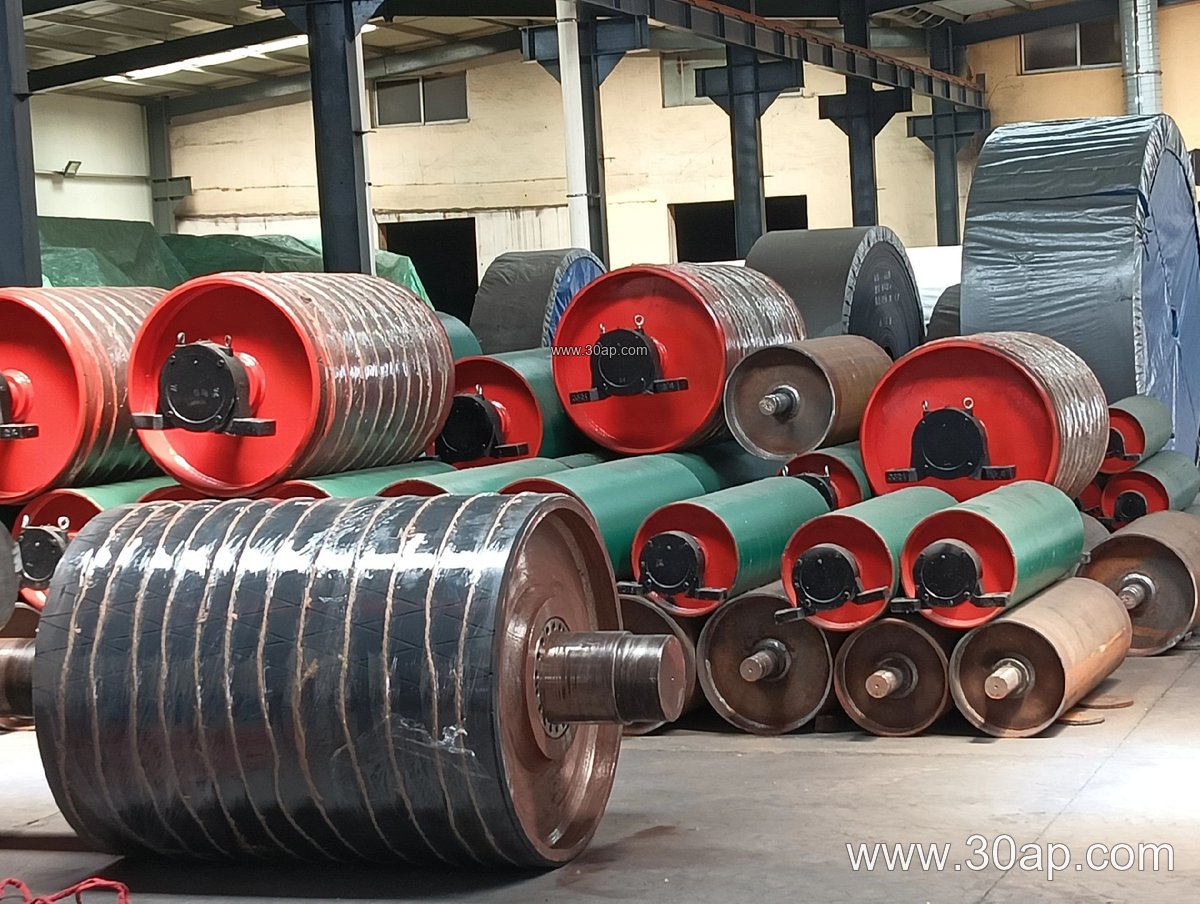
Lagging is the contact surface between drum and belt. Common forms include plain finish, hot-vulcanized rubber, cold-bonded rubber, diamond grooving, herringbone grooving, and ceramic tiles. Rubber lagging thickness is commonly 8, 10, 12, 15, or 20 mm. Diamond or herringbone patterns help shed water and fines, which is useful in quarry and aggregate conveyor lines where wet material clings to the belt.
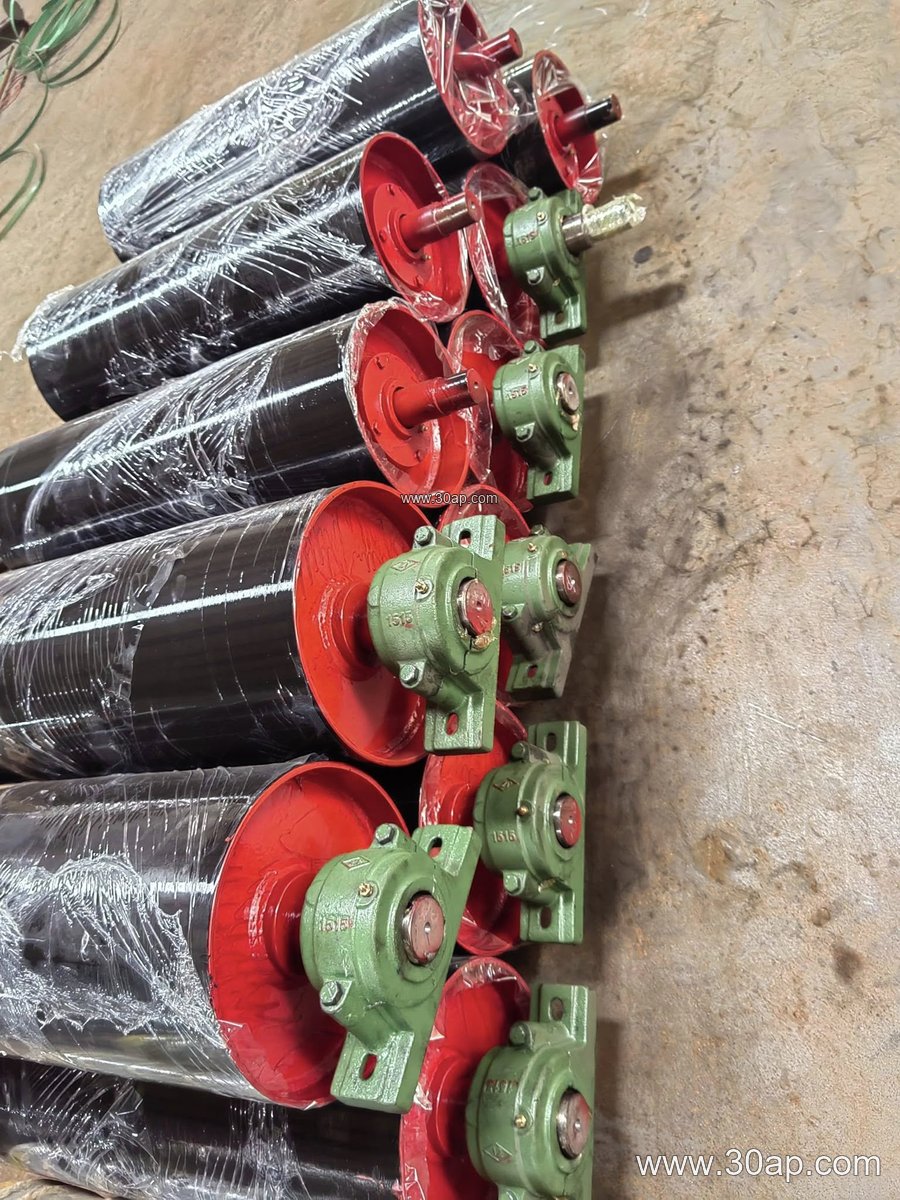
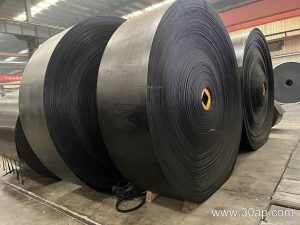
Because a tail drive pulley sits on the carrying side entry, it often works with a skirted conveyor belt or a corrugated sidewall belt in transfer chutes, where material must be contained at the loading point. A properly lagged drum keeps friction stable so the belt does not slip under starting torque.
Matching Drum Dimensions to Belt Width
Face width is normally slightly larger than the belt width, giving the belt room to track without rubbing the end discs. Diameter is chosen from belt tension, wrap angle, and torque, not from belt width alone. Two conveyors with the same 1200 mm belt may need very different drum diameters depending on tonnage and incline.
| Belt width | Typical face width | Example diameter pairing |
|---|---|---|
| B400 | about 500 mm | Ø200–Ø315 |
| B500 | about 600 mm | Ø250–Ø400 |
| B650 | about 750 mm | Ø315–Ø500 |
| B800 | about 950 mm | Ø400–Ø630 |
| B1000 | about 1150 mm | Ø500–Ø800 |
| B1200 | about 1400 mm | Ø630–Ø1000 |
| B1400 | about 1600 mm | Ø800–Ø1250 |
| B1600 | about 1800 mm | Ø1000–Ø1400 |
| B1800 | about 2000 mm | Ø1250–Ø1600 |
These pairings are reference ranges, not fixed rules. Shaft diameter is determined by torque and load, with common values such as Ø80, Ø100, Ø120, Ø140, Ø160, Ø180, and Ø200. A buyer should never assume a shaft size from belt width alone; the drive duty and bearing life calculation decide it.
Where This Drum Fits Best
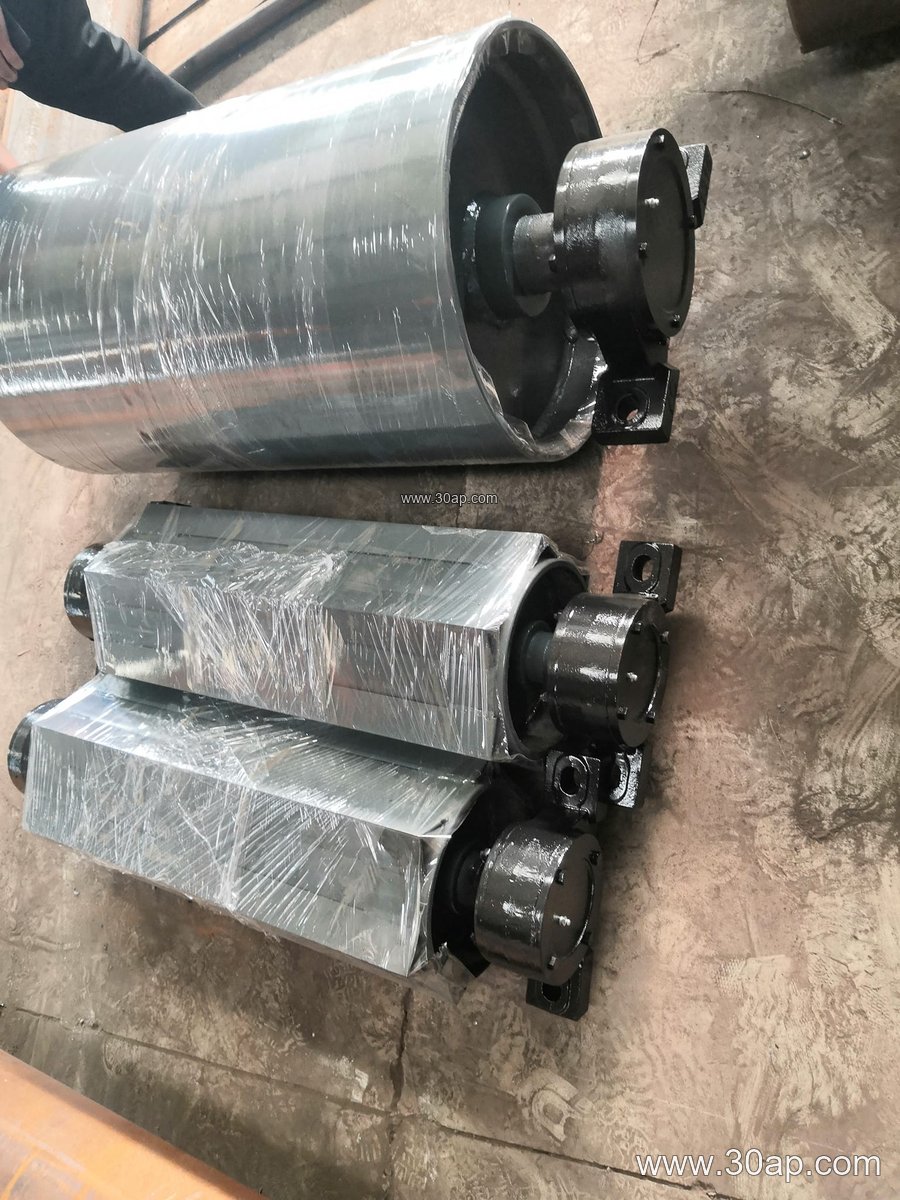
Tail-end drives appear in underground coal mining conveyors where the head area is cramped, in tunnel muck removal lines, and in mobile crushing and screening plants. In a coal preparation plant, a flame retardant conveyor belt combined with a well-lagged tail drive pulley improves starting reliability in wet conditions. In a limestone quarry, an abrasion resistant conveyor belt running over a rubber-lagged drum handles sharp stone without excessive shell wear.
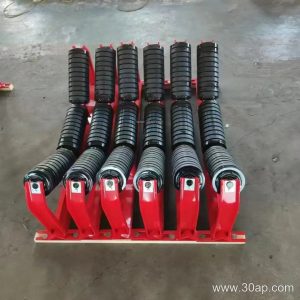
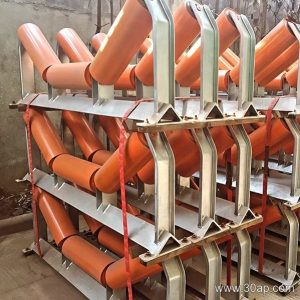
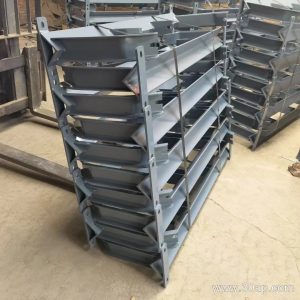
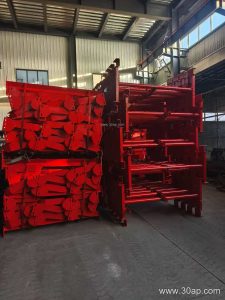
Other equipment around the drum includes conveyor idler rollers on the carrying and return strands, and a conveyor bracket that anchors the bearing housing to the conveyor frame. These parts must align with the drum centerline; misalignment is a frequent cause of belt edge wear.
Buyer Checklist Before Ordering
- Confirm belt width, drum face width, and required diameter together with the conveyor designer.
- State the belt type, for example an EP conveyor belt, NN conveyor belt, or steel cord conveyor belt, because tension affects shell thickness and shaft size.
- Specify lagging form and thickness, plus whether grooving or ceramic tiles are needed for wet or oily service.
- Provide motor power, speed, and starting method so the torque rating can be verified.
- Check that bearing housings, keyways, and mounting brackets match the existing conveyor bracket dimensions.
For replacement work, measure the old drum shell, shaft extension, and bolt pattern before ordering. A tail drive pulley that fits the frame but mismatches belt tension will wear belts and bearings prematurely. With correct data, this driven drum gives reliable traction at the loading end and keeps the whole conveyor line running smoothly.