What a Conveyor Carrying Bracket Does on the Load Side
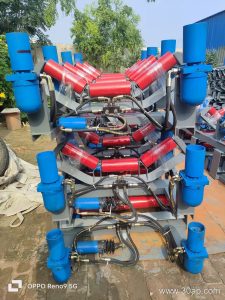
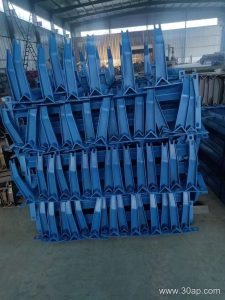
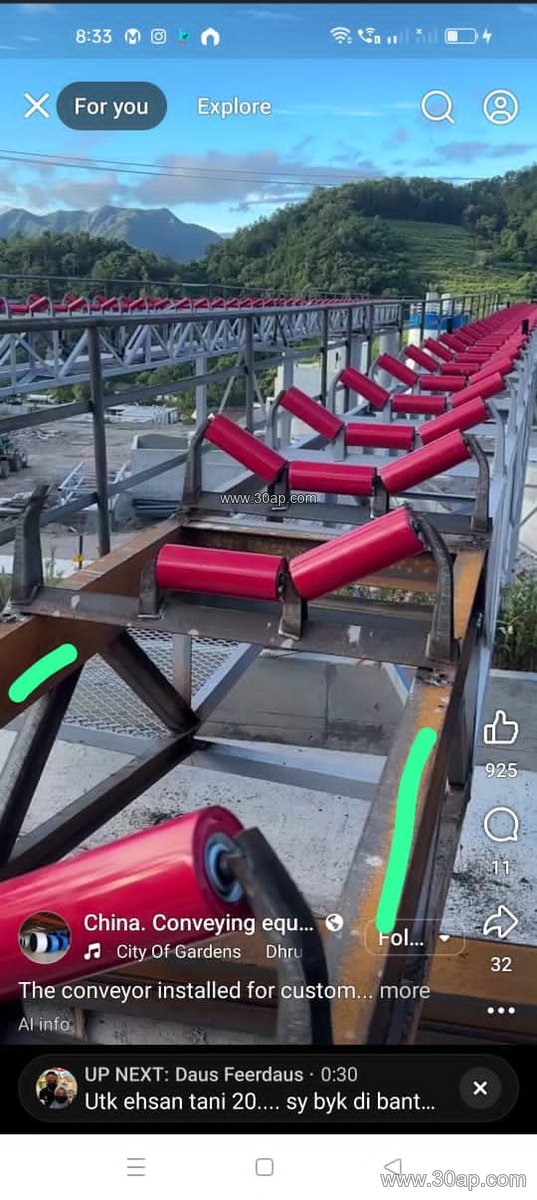
A conveyor carrying bracket is the structural support that holds the troughing idler rollers in place beneath the loaded run of a conveyor belt. It is often called a carrying idler bracket or troughing bracket, and it sits between the conveyor frame and the rollers that shape the belt into a trough. In a quarry, a coal preparation plant, or a cement plant, these brackets keep the belt profile stable so bulk material stays centered during transport. Without a properly aligned carrying bracket, the belt can sag, spill, or wear unevenly.
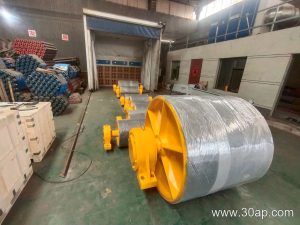
The bracket is not a pulley or a drive component. Drive pulleys, tail pulleys, and bend pulleys serve different functions and are not interchangeable with carrying brackets. A carrying bracket works together with idler rollers and the conveyor belt to support the load.
Construction and Common Forms
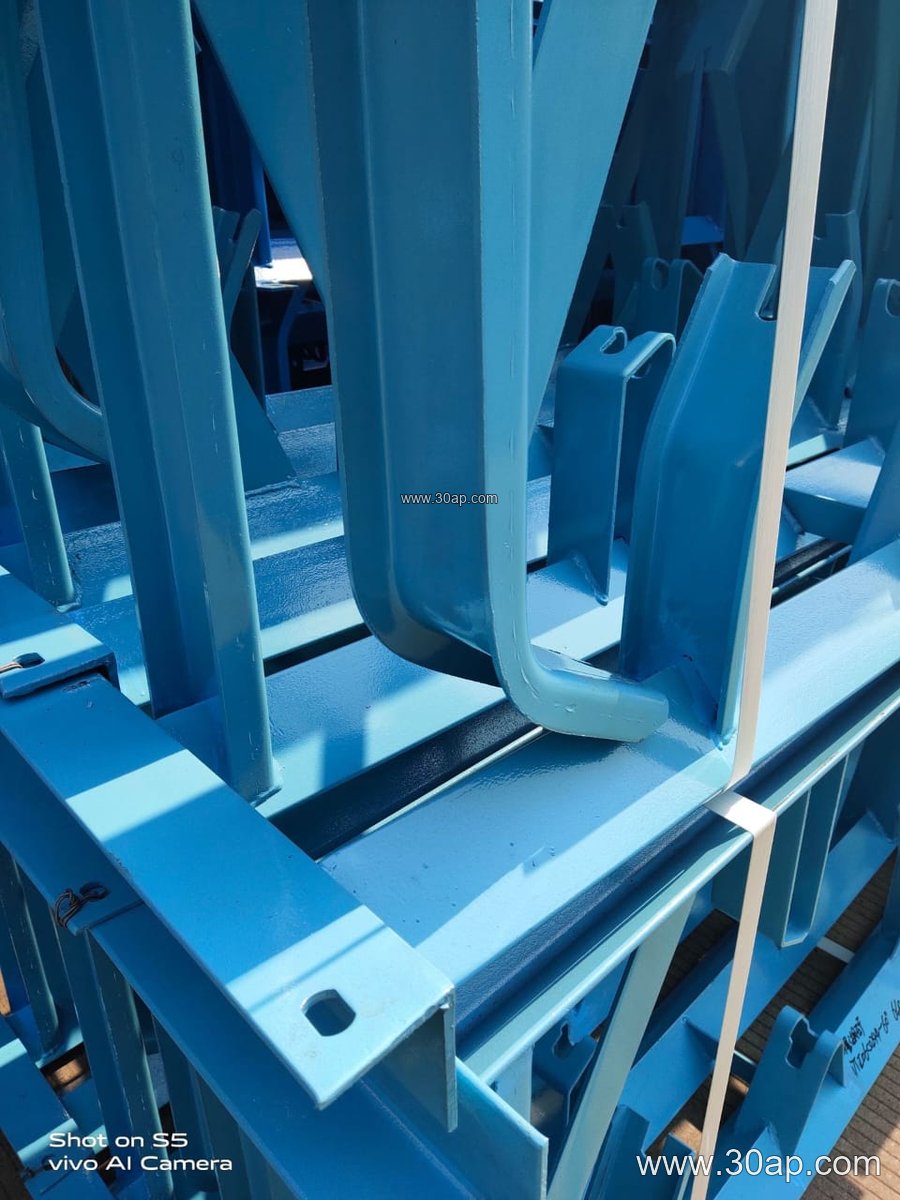
Most carrying brackets are fabricated from angle steel, channel steel, or bent steel plate. The frame may be fixed or adjustable. Fixed brackets hold a set trough angle, while adjustable brackets allow the trough angle to be changed on site. Common trough angles include 20, 30, 35, and 45 degrees. Adjustable versions can usually be set within a range to match belt width and material characteristics. Forward-tilted brackets, often around 1.5 to 2 degrees, are used to help guide the belt.
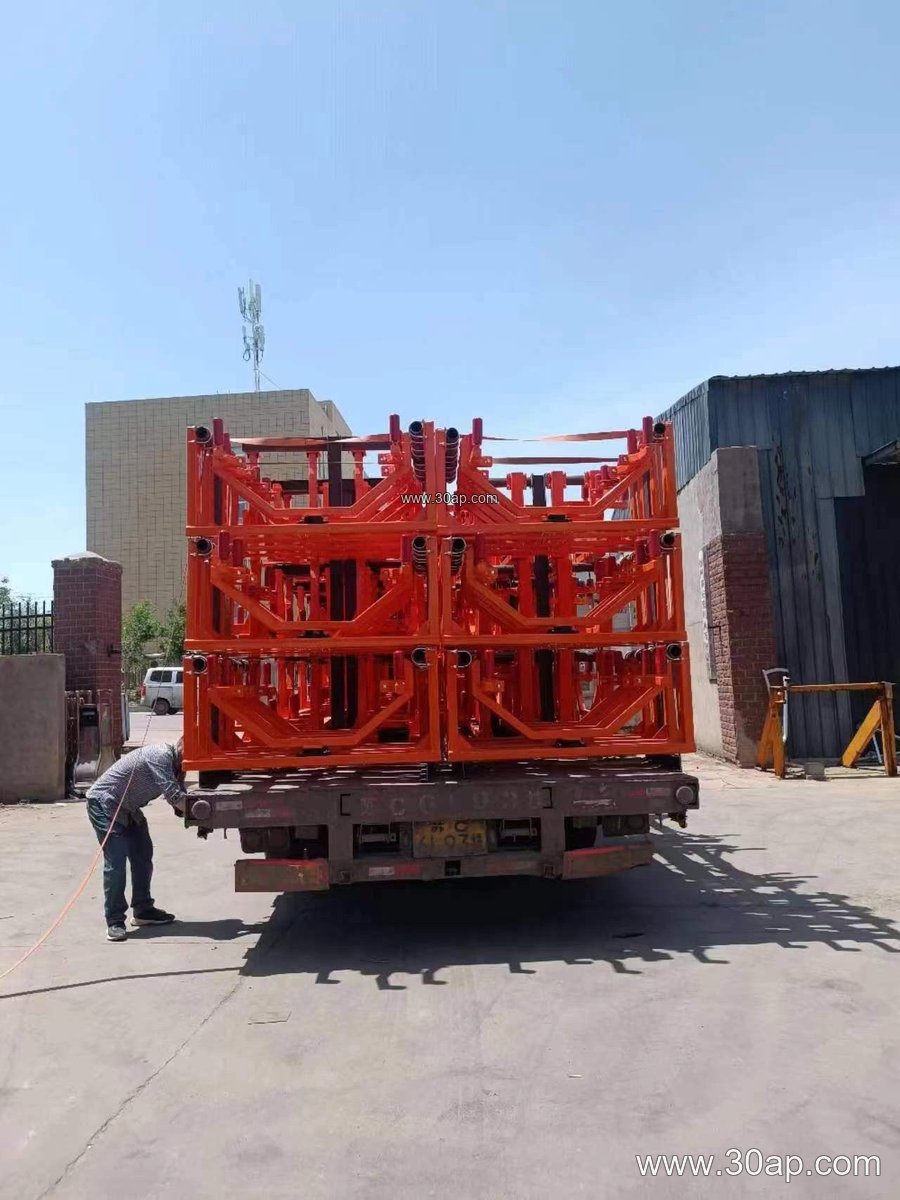
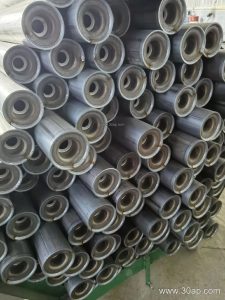
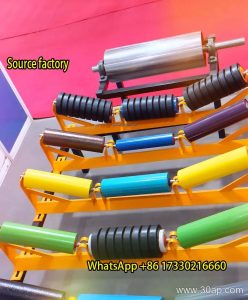
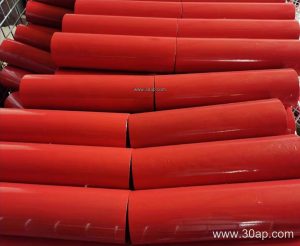
Bracket dimensions such as mounting hole spacing and crossbeam length vary with belt width and trough angle. They should be confirmed by design rather than assumed from a single table. Typical belt widths for carrying brackets include B500, B650, B800, B1000, B1200, B1400, B1600, B1800, B2000, B2200. Roller diameters commonly paired with these brackets include Ø89, Ø108, Ø133, Ø159, and Ø194. A B800 bracket might use a 35-degree trough angle with Ø108 rollers, but the same belt width can be arranged differently depending on the conveyor design.
Where It Fits in Bulk Handling
In a limestone quarry or an iron ore concentrator, carrying brackets support the belt through the loading zone and along the main haul. In a coal washing plant, they help maintain trough shape where the belt carries wet, heavy material. In a power plant coal yard or a crushing and screening line, the bracket must resist vibration and keep idler rollers aligned. The same component appears in sand and gravel plants, fertilizer handling, and tunnel spoil removal.
On a heavy-duty mining conveyor belt, the carrying bracket is often paired with impact-resistant idler rollers near the feed point and standard troughing rollers further along. The bracket itself does not contact the material, but its rigidity affects how the conveyor belt tracks and how the idler roller bearings wear.
Matching Bracket, Roller, and Belt Width
Selection starts with belt width and the required trough angle. A wider belt, such as a 1200mm or 1500mm conveyor belt, usually needs a longer crossbeam and may use larger roller diameters to reduce belt stress. However, there is no fixed rule that one belt width must use one specific trough angle or roller diameter. The bracket should be chosen to suit the conveyor frame, the idler roller series, and the material load.
For abrasive bulk material, such as in a copper ore or gold mining operation, the carrying bracket should be robust enough to hold alignment under continuous load. For a food grade or cold resistant conveyor belt in a processing plant, the bracket may need a cleanable design and corrosion protection. The bracket does not replace the belt specification, but it helps the belt perform as intended.
Buyer Checklist for Carrying Brackets
- Confirm belt width and required trough angle before ordering.
- Check whether a fixed or adjustable bracket is preferred for future maintenance.
- Match the bracket mounting pattern to the conveyor frame and idler roller dimensions.
- Consider the environment: dust, moisture, and temperature affect material choice.
- Ask for bracket drawings showing hole spacing and crossbeam length for the specific belt width.
For general reference, a conveyor bracket page at www.example.com/conveyor-bracket can show typical fabrication details. Related equipment such as the conveyor pulley and idler roller should be specified together with the carrying bracket to avoid mismatch at installation. In a port or ship loading facility, even a small alignment error at the carrying bracket can cause belt edge damage over time.
Installation and Maintenance Notes
Install carrying brackets square to the conveyor centerline and at the same height across the frame. Check that the troughing idler rollers sit firmly in the bracket seats. For adjustable brackets, lock the trough angle after alignment. During routine inspections, look for bent brackets, loose bolts, and worn roller seats. A bracket that has deformed can change the belt profile and increase spillage.
In a steel plant or sinter plant, heat and dust may accelerate wear on bracket coatings. In a recycling or aggregate conveyor line, impact from large lumps can loosen the bracket. Regular checks help maintain the support system that includes the conveyor belt, idler roller, and carrying bracket. The goal is stable belt support, not a one-time installation.