What the ST1000 Conveyor Belt Is
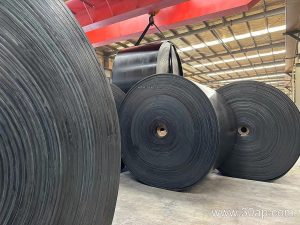
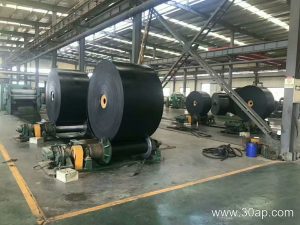
The ST1000 Conveyor Belt is a steel cord conveyor belt with a nominal tensile strength of 1000 N/mm. It sits in the middle of the steel cord range, above ST630 and below ST1250, ST1600 and the much stronger ST2000 and ST2500 constructions. Because the load is carried by high-carbon steel cords rather than fabric plies, this belt is chosen where long center distances, high tonnage or rugged terrain make a fabric belt impractical. In plant documentation it is often written simply as ST1000, and buyers may also see it described as an ST1000 steel cord belt.
It is not a fabric product. An EP Conveyor Belt or NN Conveyor Belt carries load through woven plies, so those constructions serve a different duty. A Multi-Ply Fabric Core Conveyor Belt may be perfectly adequate on a short transfer, but it is not a substitute for a steel cord belt on a mainline trunk conveyor. Matching the belt family to the conveyor profile comes before comparing prices.
Construction and Cover Options
The carcass consists of parallel steel cords embedded in a rubber core compound. A layer of transverse reinforcement usually sits under the top cover to spread impact and hold the cords in alignment. Covers are applied to both faces, with the top cover generally thicker for the carrying side.
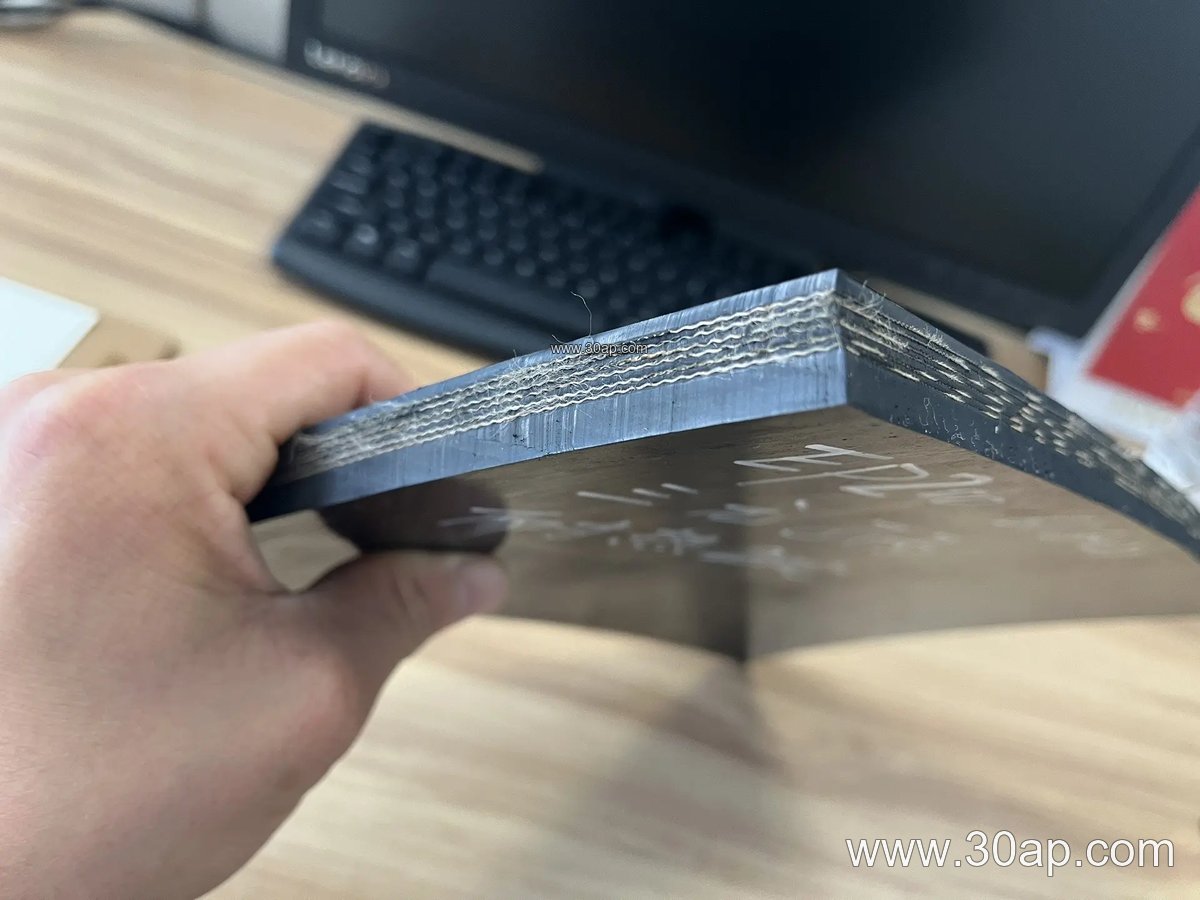
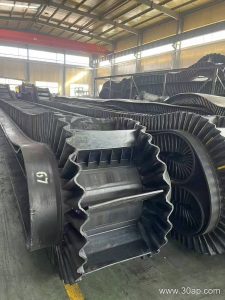
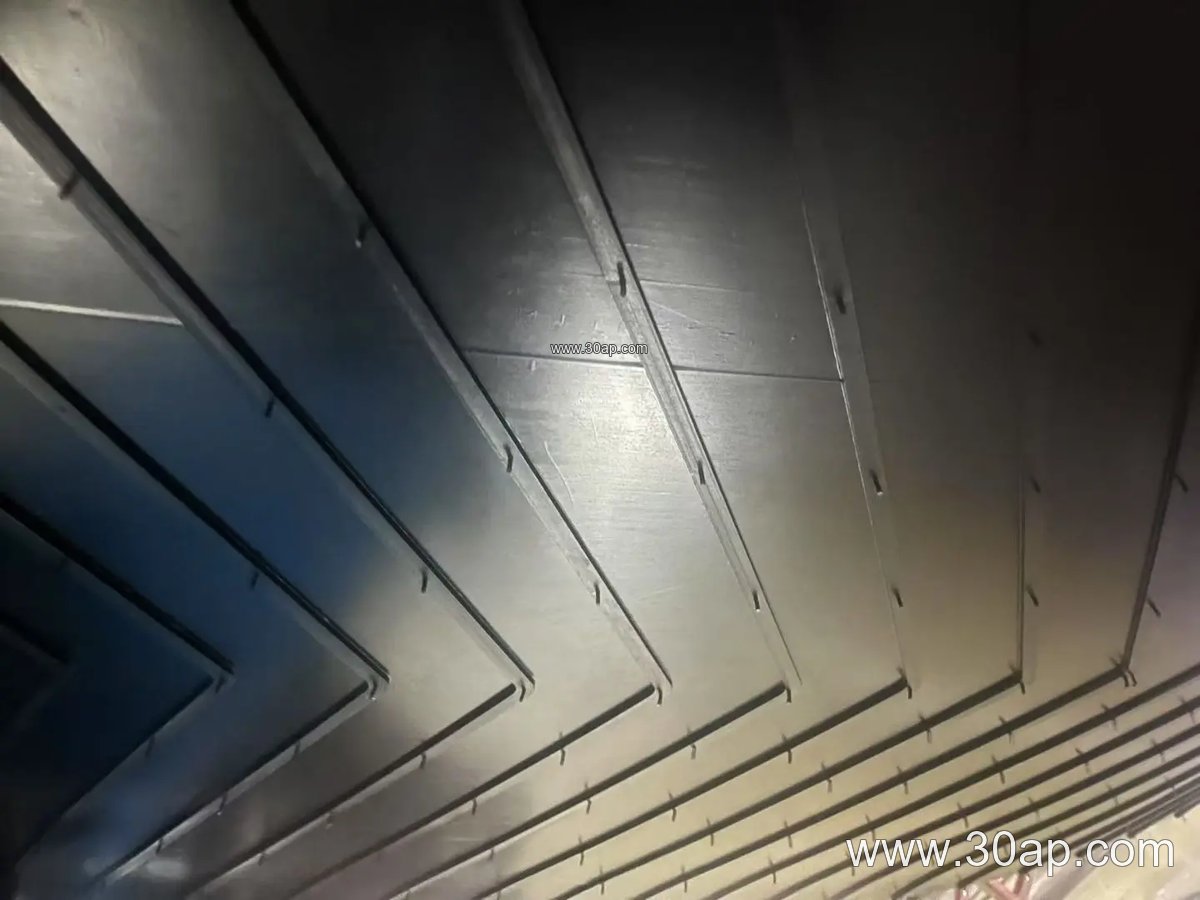
Cover grade is selected from the duty, not from habit. Common grades include abrasion resistant, heat resistant, flame retardant, oil resistant, cold resistant and anti-static formulations. Underground coal mining conveyors normally call for flame retardant and anti-static properties together, while a Cement Conveyor Belt handling hot clinker needs a heat resistant cover. On a Power Plant Conveyor Belt, abrasion resistance often matters more than temperature. A Steel Cord Conveyor Belt can be supplied with a Chevron Conveyor Belt profile where incline control is needed, or as a Corrugated Sidewall Conveyor Belt for steep, space-limited routes.
Reference Data for Steel Cord Belts
The values below are typical reference points only. Actual cord diameter, pitch, cover thickness and belt mass are confirmed by the manufacturer for each order.
- Strength grades in the family: ST630, ST800, ST1000, ST1250, ST1600, ST2000, ST2500, ST3150
- Common belt widths: B800, B1000, B1200, B1400, B1600, B1800, B2000
- Typical cover combinations: 5+2 mm, 6+2 mm, 8+3 mm
- Typical top cover for ST1000: 6 mm to 8 mm depending on impact and abrasion
| Property | Typical Range | Note |
|---|---|---|
| Nominal strength | 1000 N/mm | Defines the grade |
| Belt width | 800 to 2000 mm | Selected by tonnage and lump size |
| Cover thickness | 5+2 to 8+3 mm | By duty and splice design |
| Belt mass | Approx. 25 to 45 kg/m2 | Varies with covers and cords |
| Minimum pulley diameter | Set by cord diameter | Confirm with the belt maker |
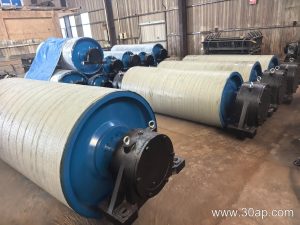
Belt width and pulley diameter are independent design decisions. A 1000mm Conveyor Belt does not automatically imply a particular pulley size, and shaft diameter must never be assumed from belt width alone. The drive pulley, tail pulley and bend pulley each have their own diameter requirements, and all three are confirmed against the cord specification.
Where ST1000 Belts Are Used
This grade appears on main haulage conveyors in mines, quarries, cement plants, steel works and ports. A typical Iron Ore Conveyor Belt or Copper Ore Conveyor Belt run may use ST1000 where the incline, length and tonnage exceed fabric belt limits but the highest steel cord grades are unnecessary. In a sand and gravel operation, an Aggregate Conveyor Belt of this grade handles washed stone over long distances with fewer transfer points. A Crusher Conveyor Belt receiving primary crushed rock benefits from the impact spread provided by the transverse reinforcement.
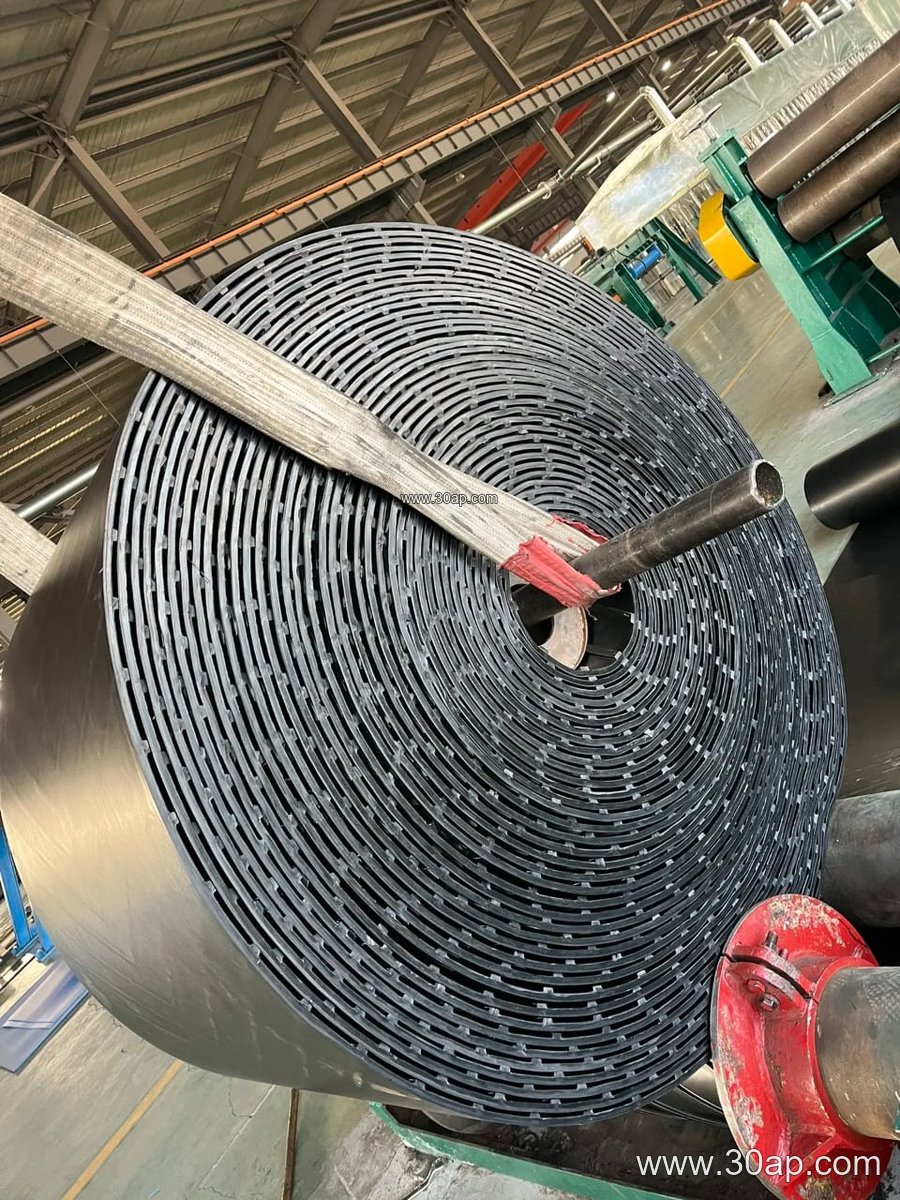
Other fitting duties include a Ship Loading Conveyor Belt at a bulk terminal, a Recycling Conveyor Belt sorting mixed material, and a Quarry Conveyor Belt moving blasted rock to the primary stage. Where the route is curved, a Pipe Conveyor Belt may be specified instead, but that is a different product form and should be evaluated as such.
Selection and Maintenance Notes for Buyers
Start with the duty: material type, lump size, moisture, temperature, tonnage per hour, incline and center distance. Then confirm the strength grade with the conveyor designer. ST1000 is often adequate, but an upgrade to ST1250 or ST1600 may be justified by starting torque, braking loads or a long single flight.
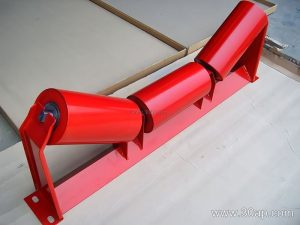
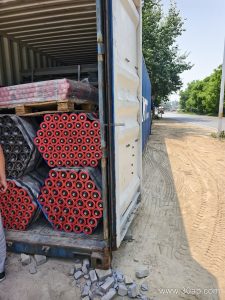
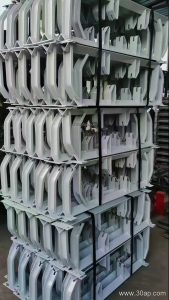
Ask for the splice method and the required cord exposure at the joint. A poorly made splice is the most common cause of premature failure in any steel cord belt, regardless of grade. Check that the conveyor pulley, idler roller and conveyor bracket layout suits the belt thickness and troughability. A conveyor pulley with an undersized diameter will fatigue the cords, and worn idlers will damage the covers long before the carcass is spent.
For storage, keep the roll upright on a dry surface away from ozone sources and direct sunlight. Track cover wear and edge damage during routine inspection, and keep a record of the belt’s running hours. For specification support on the ST1000 Conveyor Belt and related conveyor components, visit shuanghanda.com or check the product pages at shuanghanda.com for steel cord and fabric belt options.