What an Underground Coal Mining Conveyor Belt Has to Do
An underground coal mining conveyor belt is the load-carrying element of a transport system that moves cut coal from working faces and development headings to the shaft, drift, or surface stockpile. Unlike a surface installation, the belt works in a confined roadway with limited access, dust, moisture, and the constant presence of methane and coal dust. That environment shapes both the construction of the belt and the way it is specified. A conveyor belt for this duty is usually a flame retardant conveyor belt first and a haulage belt second, because ignition risk has to be controlled before tonnage is discussed.
The same product is often described simply as an underground conveyor belt or a coal mining conveyor belt, and in Chinese practice as a PVG conveyor belt when it uses a solid-woven carcass with polyvinyl chloride covers. These are equivalent names for the same family of belting, not different products.
Construction and Common Belt Types
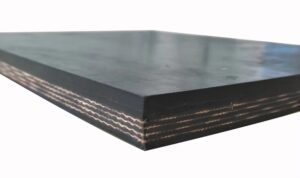
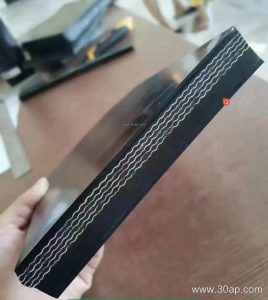
Most underground coal belts are built on a fabric carcass with rubber or PVC covers. The carcass carries tension, the covers protect it from impact, abrasion, and moisture. Fire resistance is achieved through cover compound formulation and, where required, through the carcass itself. Anti-static properties are normally specified together with flame resistance so that static charge does not accumulate on a fast-running belt in a gassy roadway.
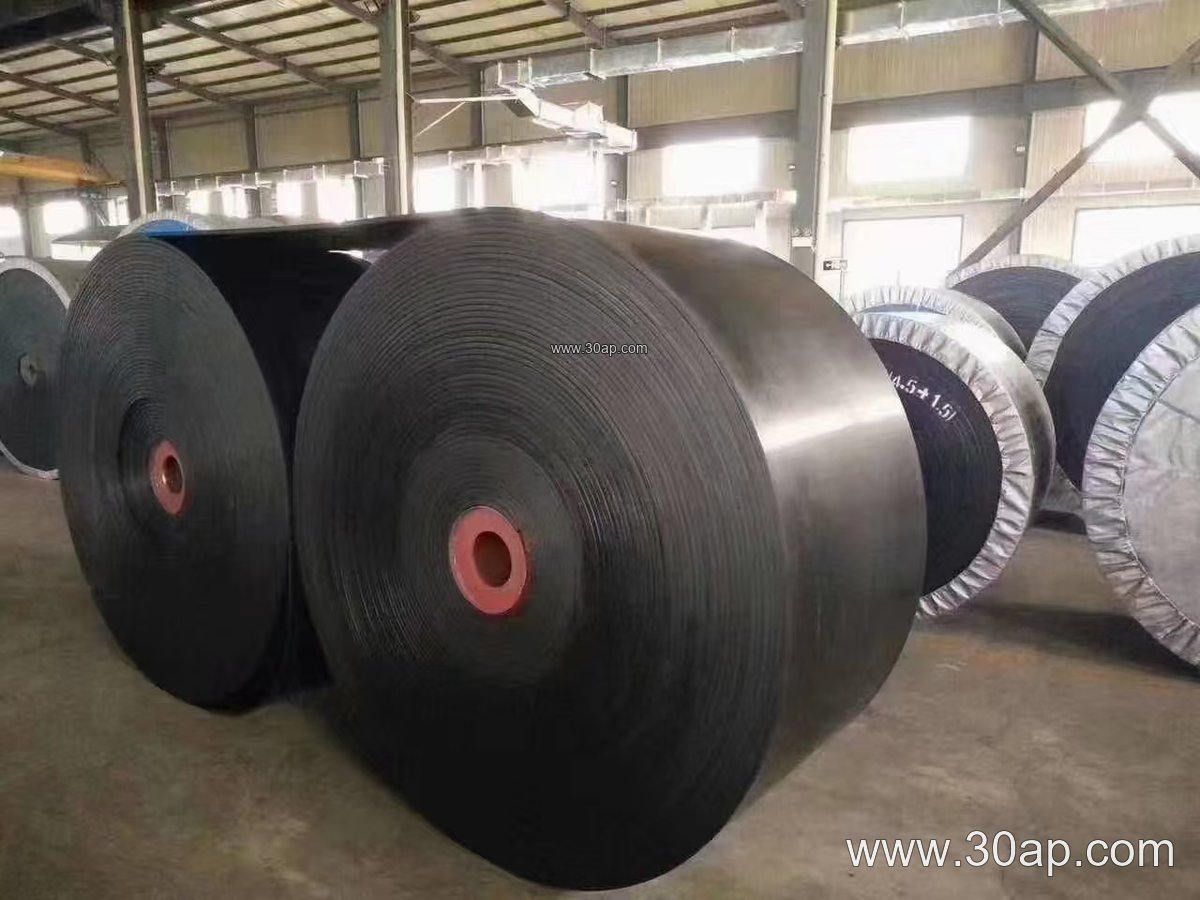
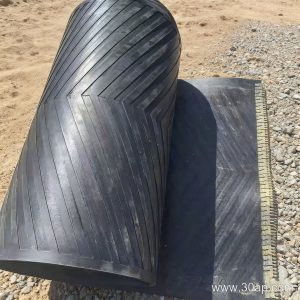
Where the roadway is long or the lift is significant, a steel cord conveyor belt may be preferred for its higher strength-to-weight ratio, while multi-ply fabric constructions remain common on face and gate conveyors where flexibility around tight bends matters. A chevron conveyor belt or a corrugated sidewall conveyor belt is occasionally used on steep gradients, but inclined haulage in coal roadways is usually handled by the conveyor geometry rather than by the belt surface.
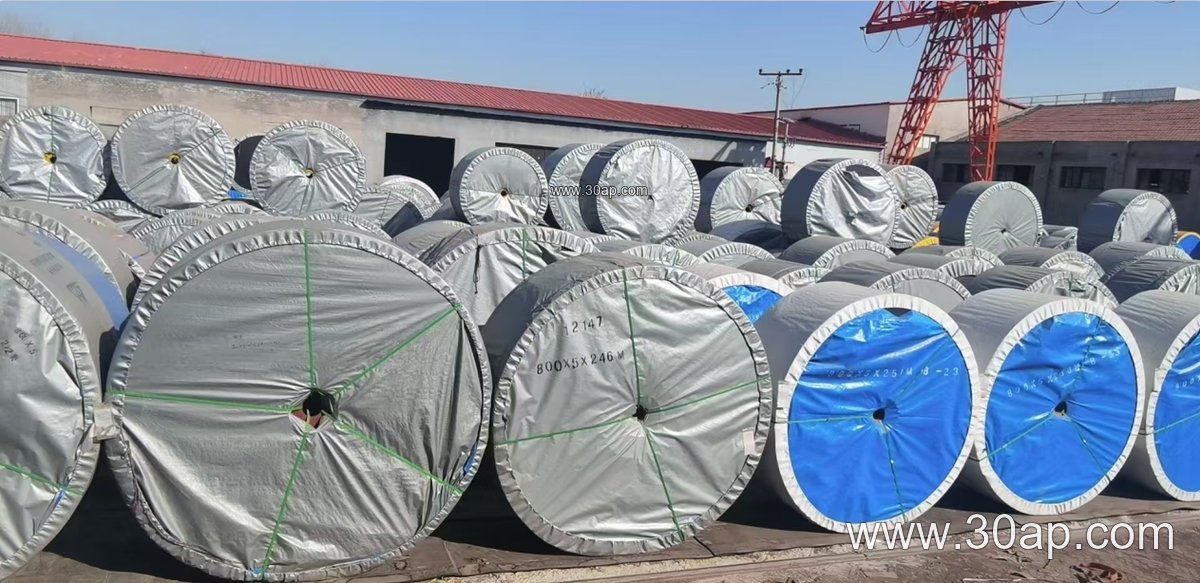
| Belt type | Typical strength grades | Notes for underground coal use |
|---|---|---|
| PVG solid woven | PVG800, PVG800S and similar | Flame retardant and anti-static construction, widely used on face and gate conveyors |
| EP fabric core | EP200 to EP1000 | General haulage, good fatigue resistance |
| NN fabric core | NN100 to NN400 | Nylon carcass, suited to repeated flexing |
| Steel cord | ST1000 to ST3150 | Long, high-tension trunk conveyors |
Widths, Covers, and Pulley Matching
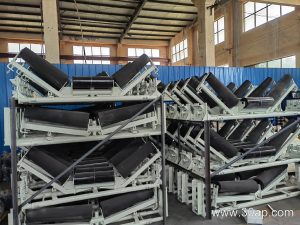
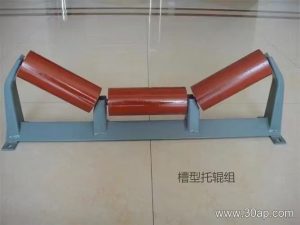
Belt width is selected from lump size, required capacity, and the troughing angle of the idler roller sets. Common widths in coal roadways include B800, B1000, B1200, and B1400, with wider belts such as B1600 or B1800 appearing on main trunk lines. Cover thickness is usually quoted as top plus bottom, for example 4+2 mm, 5+2 mm, or 6+2 mm, and the top cover is thicker where coal falls onto the belt at transfer points.
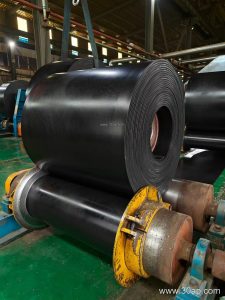
Belt width does not dictate a single pulley diameter. The conveyor pulley at the drive, the tail pulley, and any bend pulley are sized from belt tension, carcass thickness, and the minimum bend radius the manufacturer allows. A drive pulley, a tail pulley, and a bend pulley are separate components with separate duties, and none of them can be substituted for another. A buyer should give the belt supplier the pulley diameters and the take-up arrangement so that the splice and carcass can be checked against them.
Working Conditions and Selection Points
Underground coal service combines abrasion, impact, and moisture. A high abrasion resistant conveyor belt cover extends life at transfer chutes, while an impact resistant grade helps where large lumps drop from the face conveyor. Where the roadway is wet and acidic, an acid resistant or chemical resistant cover may be considered. Cold resistant grades matter in deep shafts with cold intake air. In cement, power plant, and quarry operations the same belt family appears, but the fire requirement is usually less strict than in coal.
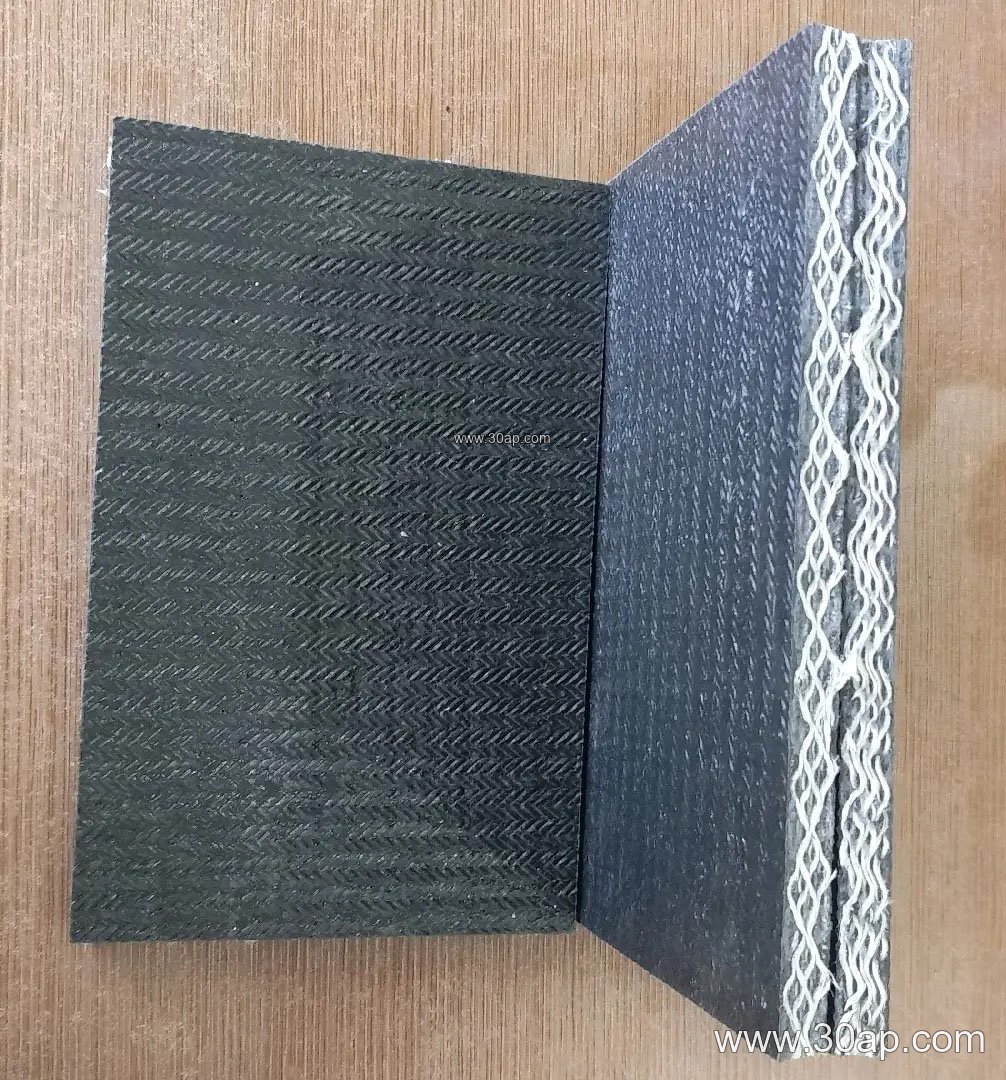
Selection should confirm:
- The required strength grade and safety factor for the installed tension
- Flame retardant and anti-static performance required by the mine
- Belt width, cover thickness, and carcass ply count
- Pulley diameters at drive, tail, and bend positions
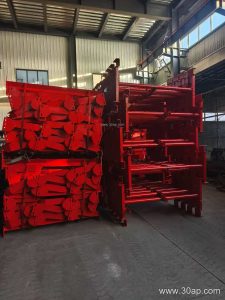
- Idler roller spacing, trough angle, and transition distance
- Splice type and the space available for splicing underground
Installation and Maintenance Notes
Alignment is critical in a narrow roadway. Misaligned conveyor brackets and worn idler rollers cause edge damage, and edge damage on a flame retardant belt is a safety issue as well as a cost issue. Track the belt after every extension, keep the tail area clean, and inspect the splice regularly. Store spare belt in a dry, shaded place and keep it away from oils and solvents that attack the covers.
For a full range of underground coal mining conveyor belt, PVG conveyor belt, and flame retardant conveyor belt options, buyers can review the specification sheets and confirm widths, cover gauges, and strength grades against the actual conveyor design. Matching belt, pulley, and idler roller data before ordering avoids the most common cause of premature failure in coal roadways.