What a Ceramic Lagged Bend Pulley Does
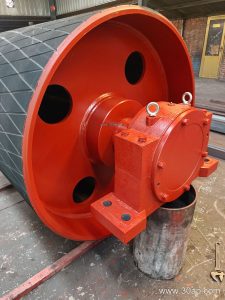
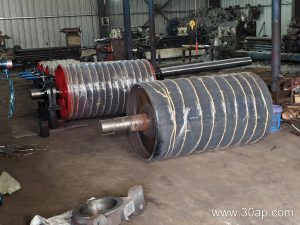
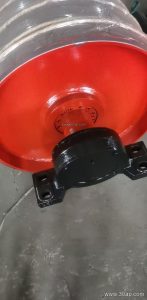
A ceramic lagged bend pulley is a conveyor pulley whose shell is covered with ceramic tiles set in a rubber or epoxy backing. It is used at a change-of-direction point where the belt wraps the pulley to redirect its path, typically on the return run or near a tensioning station. Unlike a drive pulley, which transmits torque to the belt, or a tail pulley at the loading end, the bend pulley mainly guides the belt and helps maintain wrap angle and belt tension. In a quarry, coal preparation plant, or cement clinker line, this pulley often sits in a dusty, abrasive environment, and the ceramic surface is chosen to resist wear while keeping friction predictable.
How the Ceramic Surface Is Built
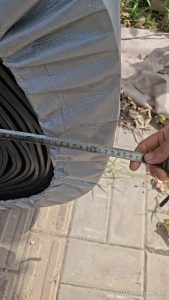
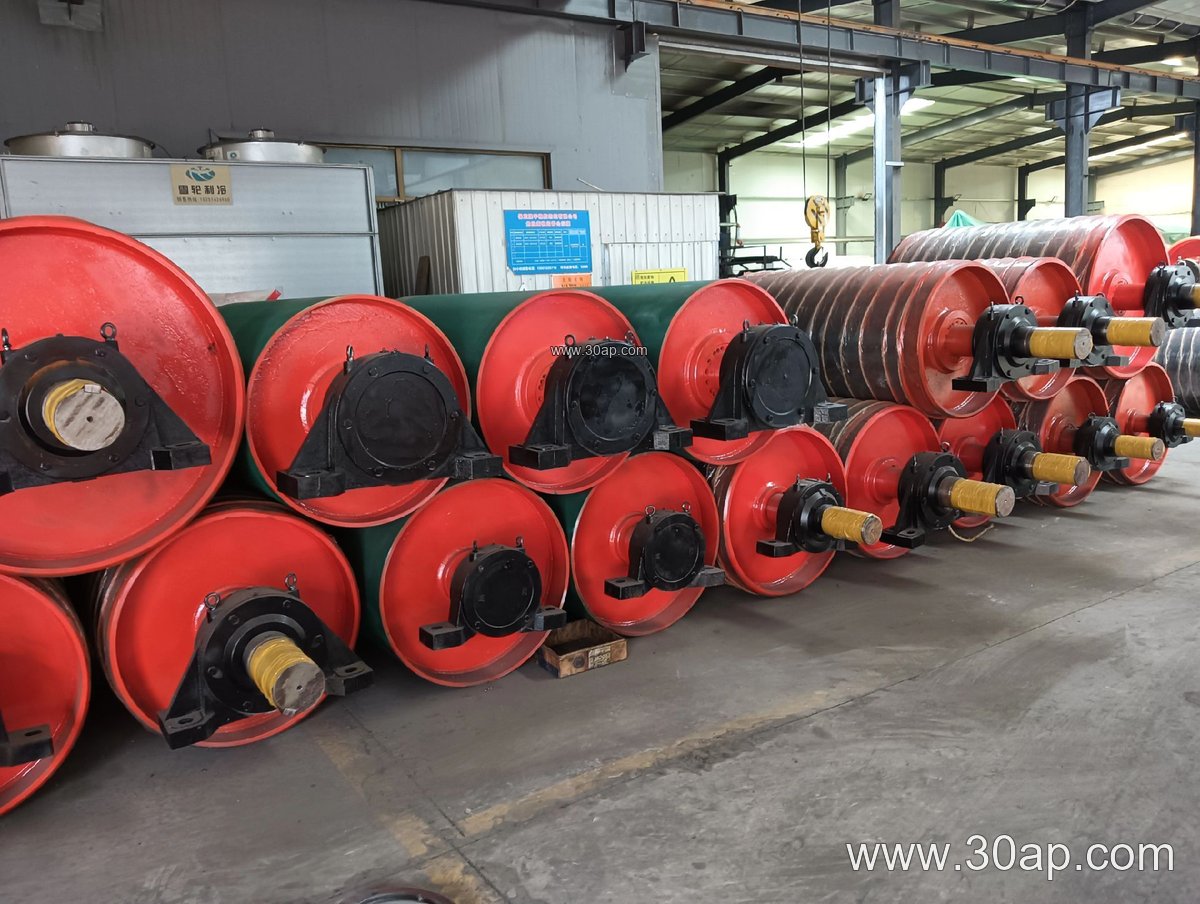
The ceramic lagging is not a simple rubber sheet. Small alumina ceramic tiles, often with raised studs or a dimpled pattern, are bonded to the pulley shell through a rubber or epoxy layer. The tiles provide a hard, abrasion-resistant contact face, while the resilient backing absorbs impact and helps the bond survive flexing. The pattern also allows water and fine particles to escape rather than pack between belt and pulley. Common lagging thicknesses are 8, 10, 12, 15, and 20 mm, selected according to belt tension and the severity of the duty. A ceramic lagged bend pulley is a specialised form of conveyor pulley, and it should not be confused with a drive pulley or tail pulley when specifying a replacement.
Where It Fits in a Conveyor System
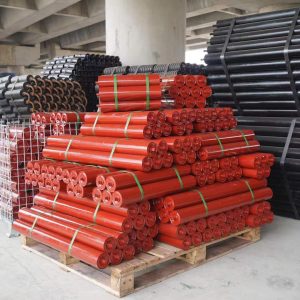
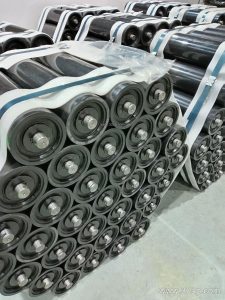
Bend pulleys are common in long overland conveyors, stockyard systems, and plant circuits where the belt must be routed around structures. In a copper ore or iron ore operation, a ceramic lagged bend pulley may be placed before the tension pulley to increase wrap and reduce slip risk. In a power plant coal handling line, it can help guide a flame retardant conveyor belt through a transfer house. The pulley works with the conveyor belt, idler roller, and conveyor bracket as part of one assembly, so alignment and belt tracking matter as much as the lagging itself. A misaligned bend pulley can cause edge wear even when the ceramic surface is in good condition.
Common Size References for Planning
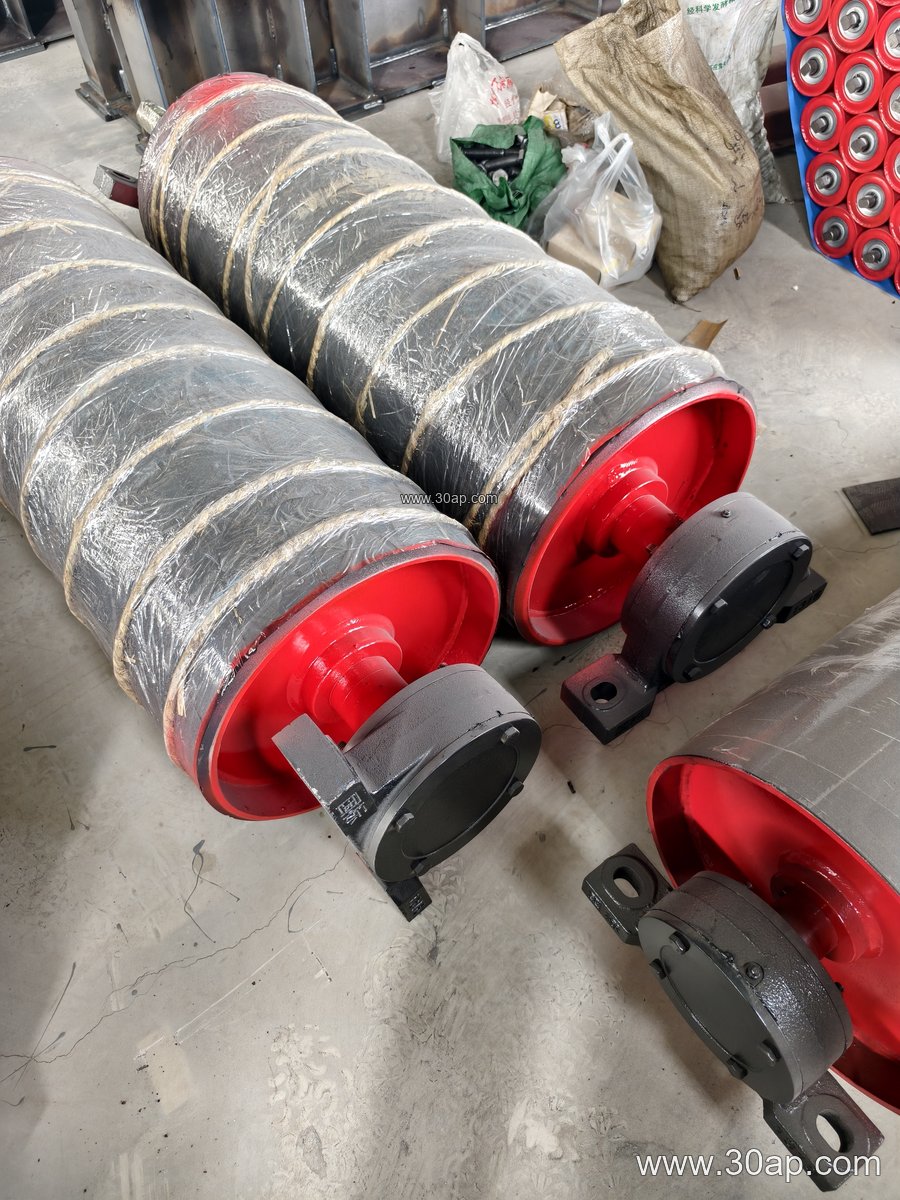
The table below gives typical reference ranges, not fixed rules. Pulley diameter should be confirmed against belt thickness, tension, and shaft load, and shaft diameter is determined by torque and bearing life rather than belt width alone.
- Belt width examples: B400, B500, B650, B800, B1000, B1200, B1400, B1600
- Pulley diameter examples: Ø200, Ø250, Ø315, Ø400, Ø500, Ø630, Ø800, Ø1000
- Face width examples: B400 about 500 mm; B800 about 950 mm; B1200 about 1400 mm
- Shaft diameter examples: Ø50, Ø60, Ø70, Ø80, Ø90, Ø100, Ø120, Ø140
Useful combinations seen in planning include B800 × Ø500, B1200 × Ø1000, and B1400 × Ø800, but each case needs its own check. A wider belt does not automatically require one specific pulley diameter.
Buyer Checklist
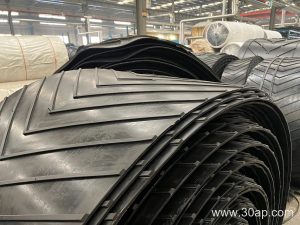
Before ordering, confirm the pulley position, belt width, shell diameter, face width, shaft diameter, bearing type, and lagging thickness. Ask whether the ceramic tiles are bonded in rubber or epoxy, and check the tile pattern against the belt surface. For a chevron conveyor belt or a corrugated sidewall conveyor belt, the pulley face and any guide arrangements need extra attention. In dusty stone crushing or aggregate conveyor lines, ceramic lagging can outlast plain rubber, but it is not a substitute for correct belt tension. Keep spare conveyor brackets and idler rollers inspected at the same time; a worn idler roller can shorten the life of any pulley. For more conveyor pulley options, visit https://www.jsruiyue.com/conveyor-pulley/ and match the bend pulley to the full conveyor layout.