What a Loading Point Impact Idler Does
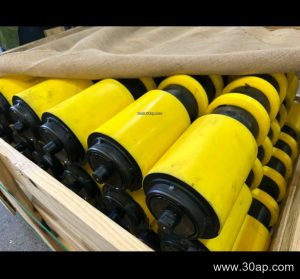
At the transfer point where bulk material drops onto a conveyor belt, the belt takes a beating. A loading point impact idler is the specialized support roller placed directly under that drop zone to absorb the shock and protect the belt from gouging, punctures, and edge damage. Unlike a standard carrying idler, this roller is built with a shock-absorbing surface, usually a thick rubber ring or a set of rubber discs, that cushions the falling load before it reaches the belt cover.
In hard-rock mines, coal preparation plants, and aggregate crushing circuits, the impact zone is often the first place a belt fails. Installing a proper impact idler at the skirted loading area extends belt life and keeps the conveyor running smoothly. The product is also known as a rubber-disc impact roller or cushion idler, and it belongs to the same family as the buffer idler used in bulk material handling.
Construction and Key Components
The typical loading point impact idler consists of a heavy-gauge steel tube or shaft, a series of rubber rings or a molded rubber sleeve, and sealed bearing housings at each end. The rubber rings are spaced along the roller to create a flexible contact surface. Some designs use a steel tube covered with a thick rubber lagging, while others mount independent rubber discs that can be replaced individually.
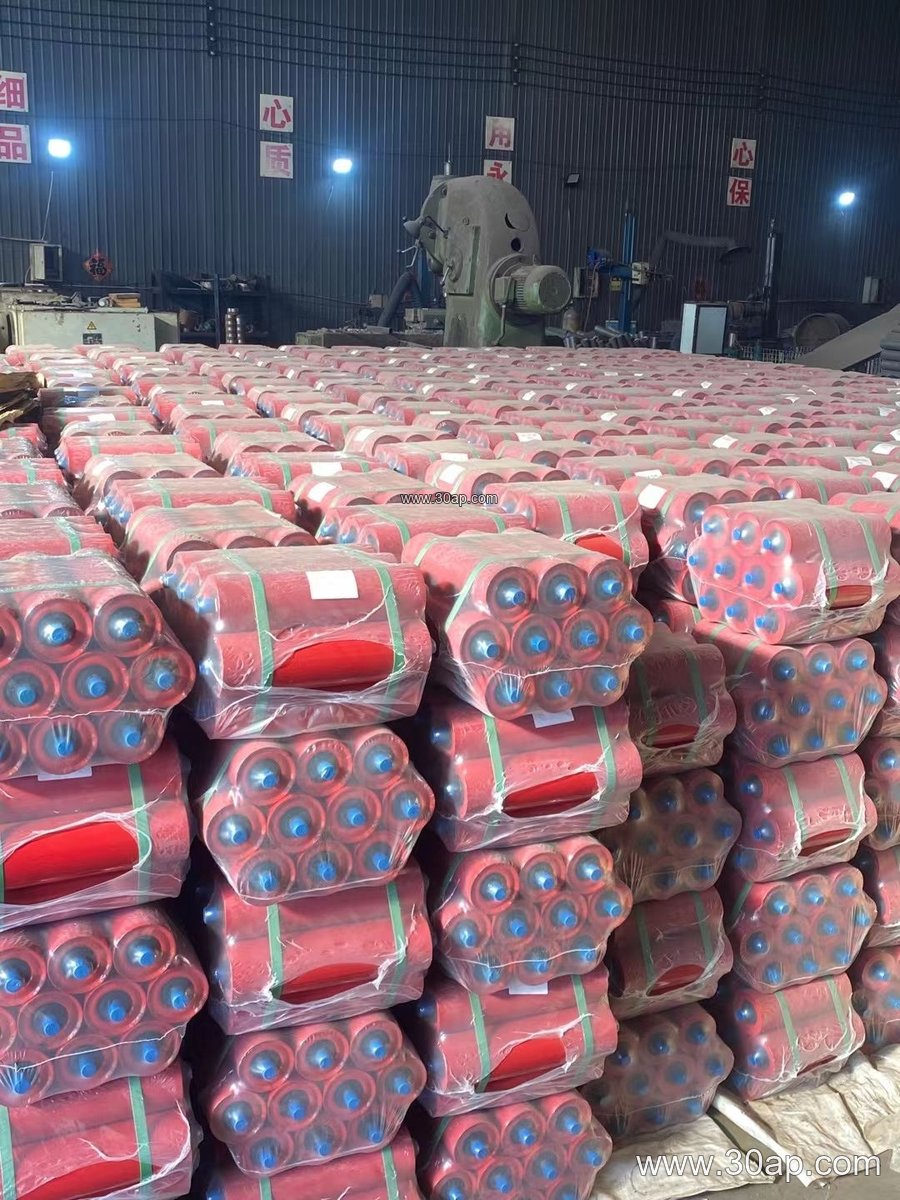
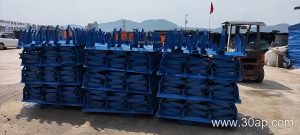
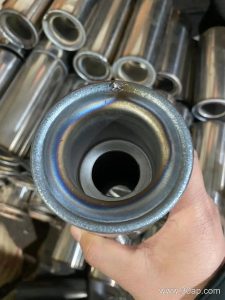
Bearing selection matters in dusty, wet, or high-impact conditions. Common bearing sizes for impact idlers include 6205, 6305, 6306, and 6308, though the exact bearing is matched to the roller diameter and load rating by the manufacturer. The roller surface may be plain rubber, abrasion-resistant rubber, or a combination of rubber and steel. The frame that holds the idler is usually a heavy-duty conveyor bracket or a reinforced impact cradle, designed to keep the roller aligned under the drop point.
Where It Fits on the Conveyor
The loading point impact idler sits in the carrying side of the conveyor, directly beneath the chute or transfer skirt. It is often installed in a group of two or three idlers to form an impact bed. In a three-roller troughing set, the center roller may be a rubber-disc impact idler while the side rollers are standard troughing idlers, or all three positions can use cushion rollers. The trough angle is typically 20, 30, 35, or 45 degrees, depending on the belt width and material characteristics.
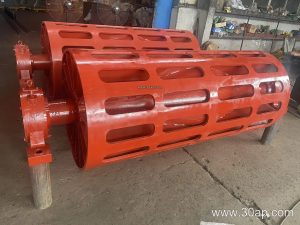
This roller is not a substitute for a bend pulley or a drive pulley. Those components handle tension and direction changes, while the impact idler handles vertical shock. A common mistake is to use a standard troughing idler in the loading zone and then wonder why the belt cover cracks within months.
Common Sizes and Configuration
Impact idlers are available in a range of roller diameters and belt widths. The table below shows typical reference data, but final selection depends on the belt speed, lump size, drop height, and tonnage.
| Parameter | Common Reference Range |
|---|---|
| Roller diameter | Ø89, Ø102, Ø108, Ø127, Ø133, Ø159, Ø178 mm |
| Belt width | B500, B650, B800, B1000, B1200, B1400, B1600, B1800, B2000 mm |
| Trough angle | 20°, 30°, 35°, 45° |
| Roller surface | Rubber ring, rubber sleeve, steel tube with rubber lagging |
| Bearing sizes | 6205, 6305, 6306, 6308 (matched to roller size) |
For a B800 belt, a three-roller troughing set might use a center roller length of around 315 mm, but side roller lengths can differ. For B1200, the center roller may be around 465 mm. These are common examples, not fixed rules. The impact idler’s roller length should be confirmed with the conveyor bracket dimensions and the troughing configuration.
Buyer Checklist
- Confirm the belt width and trough angle before ordering.
- Check the drop height and lump size to select the rubber thickness and roller diameter.
- Verify the bearing type and sealing arrangement for dusty or wet conditions.
- Ensure the impact idler frame or bracket matches the existing conveyor structure.
- Consider the belt type: a heavy-duty mining conveyor belt or abrasion-resistant conveyor belt may need a different cushioning strategy than a light fabric core belt.
When specifying a loading point impact idler, remember that it works as part of a system. The conveyor belt, idler roller, and conveyor pulley all interact. A well-chosen impact idler reduces downtime and protects the belt cover, especially in quarry, cement, and power plant coal handling lines.