What a Comb Return Idler Does
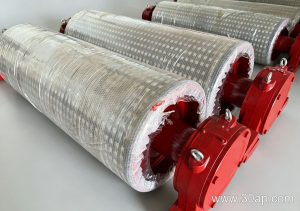
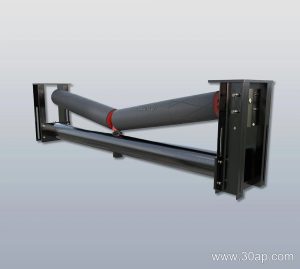
A comb return idler is a return-side roller fitted with a series of rubber or polymer discs, often called comb rings, spaced along the shaft. These discs form a flexible, ribbed surface that supports the empty conveyor belt on its way back to the tail. The gaps between the discs allow fine material, dust, and moisture to fall through instead of building up on the roller face. In coal mining, cement plants, and aggregate lines, this self-cleaning action helps keep the return strand tracking smoothly and reduces the risk of material carryback being pressed into the belt cover.
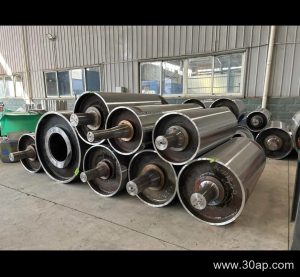
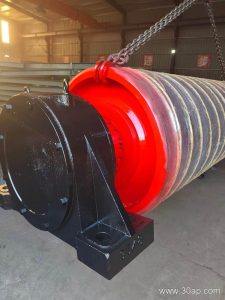
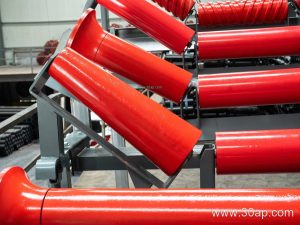
The comb return idler is not a substitute for a bend pulley or a drive pulley; those components transmit power and change belt direction. The comb roll belongs to the return idler family, alongside the plain flat return roller and the V-type return idler, but it is chosen where sticky or wet cargo is present.
Construction and Key Components
A typical comb return idler uses a steel tube or solid shaft as the core, with comb discs molded from wear-resistant rubber or polyurethane. The discs are mounted at regular intervals and can be replaced individually on some designs. Bearings are seated in sealed housings at each end, often with labyrinth seals to keep out dust and water. Common bearing sizes include 6204, 6205, 6305, 6306, 6308, and 6310, matched to the shaft and load rating rather than to a single roller diameter.
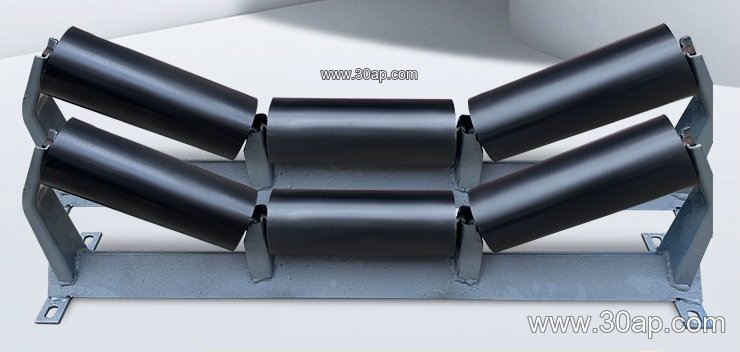
Roller diameters for return idlers are commonly Ø89, Ø102, Ø108, Ø127, Ø133, Ø159, and Ø178 mm. The comb return idler is usually selected with a diameter that suits the belt width and the available space under the conveyor. Belt widths from B500 to B1800 are frequently seen in mining and bulk handling, and the idler length is determined by the belt width and the return idler arrangement.
Where Comb Return Idlers Are Used
These idlers are common in coal mining conveyor systems, cement plants, power plant coal handling, and quarry or sand and gravel lines. They are also found in fertilizer plants and port bulk terminals where the cargo can be damp or fine. On a typical conveyor, the comb return idler is installed on the return strand at intervals, often between the tail pulley and the first bend pulley, to support the belt and shed loose material before it reaches the tail.
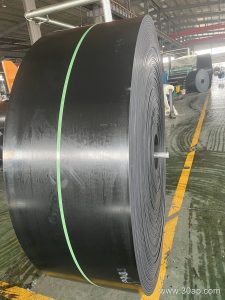
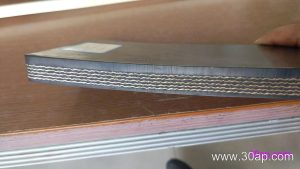
For a conveyor using an EP conveyor belt or a steel cord conveyor belt, the comb return idler helps protect the bottom cover from embedded debris. In underground coal mining, flame retardant conveyor belt and anti-static conveyor belt grades are often paired with self-cleaning return idlers to maintain a cleaner belt path.
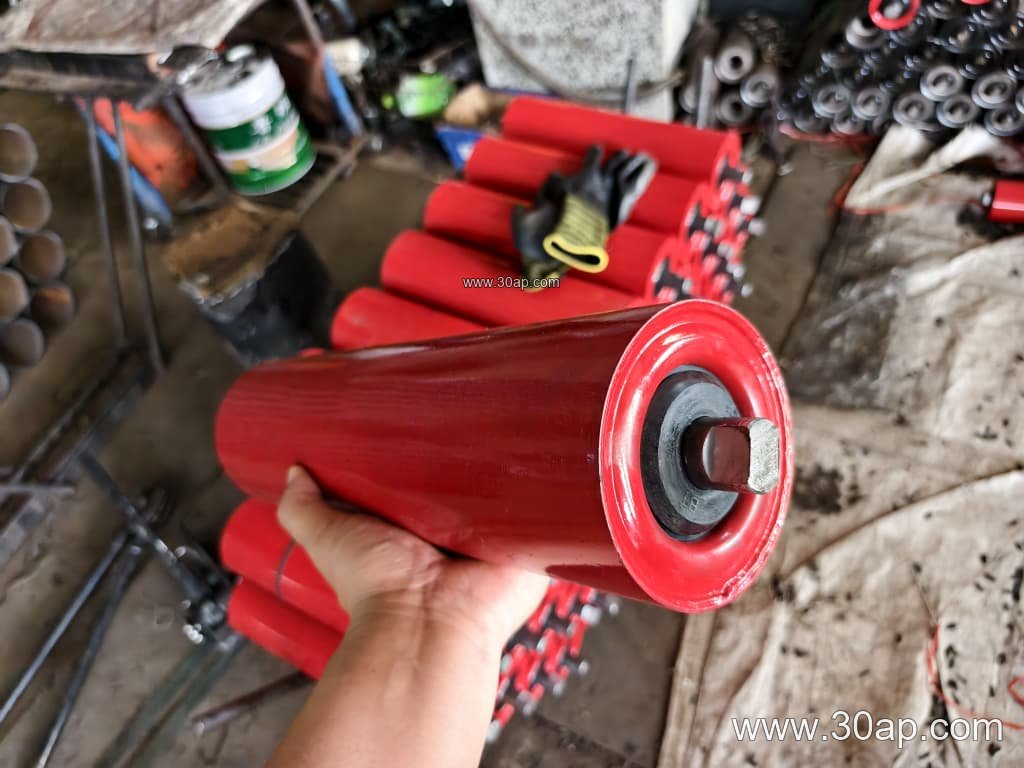
Selection and Maintenance Notes
Buyers should confirm the belt width, the return idler diameter, the shaft end type, and the mounting bracket dimensions. The conveyor bracket and frame spacing must match the idler shaft. For sticky materials, the comb disc spacing and hardness matter; softer discs may shed material better but wear faster. In high-abrasion service, such as iron ore or copper ore conveying, a heavier disc or a ceramic-faced alternative may be considered, but the comb return idler remains the reference product for self-cleaning return support.
Routine checks include disc wear, missing discs, bearing noise, and material buildup between the comb rings. A worn comb return idler can cause belt mistracking and increased friction. Replacing worn discs early is usually more economical than replacing the whole roller assembly.
Common Reference Dimensions
| Parameter | Common Reference Range |
|---|---|
| Roller diameter | Ø89, Ø102, Ø108, Ø127, Ø133, Ø159, Ø178 mm |
| Belt width | B500, B650, B800, B1000, B1200, B1400, B1600, B1800 |
| Bearing size | 6204, 6205, 6305, 6306, 6308, 6310 |
| Disc material | Rubber, polyurethane, wear-resistant polymer |
These values are for reference only; actual selection depends on conveyor design, belt speed, and material characteristics. For related conveyor components, see our conveyor idler and conveyor pulley pages.